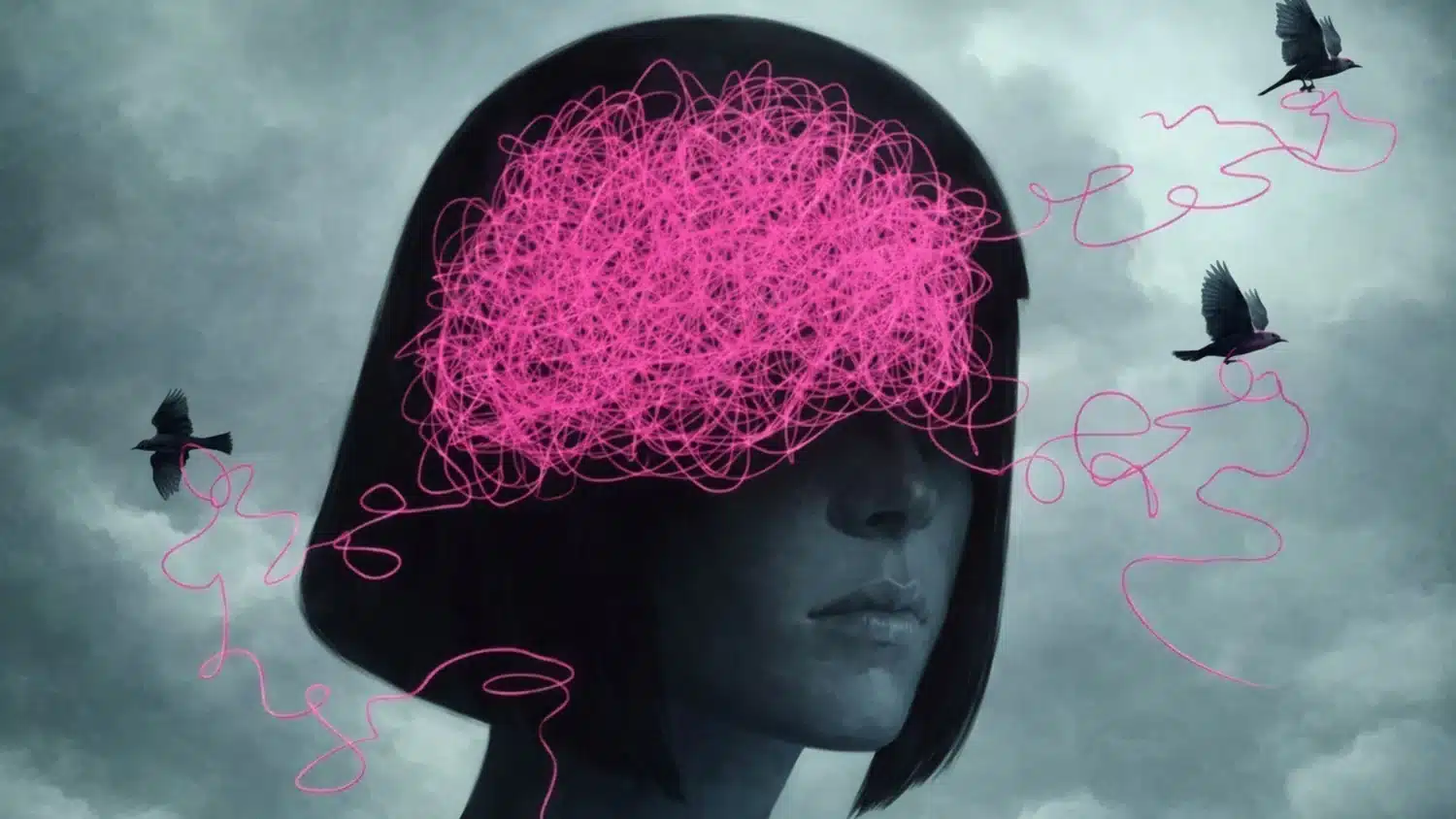
Anxiety disorders are the most common category of psychiatric conditions today, affecting millions of people worldwide. Unlike temporary worry or everyday nervousness, clinical anxiety is marked by persistent and excessive fear that interferes with normal life and daily functioning. As a medical professional trained in both modern psychiatry and Traditional Medicine, I see anxiety not merely as a symptom, but as a broader systemic dysregulation. Research increasingly indicates that mental health serves as an invisible door to longevity, shaping physical health outcomes just as profoundly as psychological well-being. This guide offers a comprehensive explanation of the biological roots, environmental contributors, and six major classifications of anxiety disorders.
The Neurobiology of Anxiety: What Happens Inside the Brain
To truly understand anxiety, we need to look at the biological systems that drive the human stress response. Modern neuroscience has identified the amygdala and hippocampus as two central structures involved in fear processing and emotional memory. Hyperactivity in the amygdala is consistently observed in individuals with anxiety disorders, almost like an alarm system that misfires too often and too intensely. This chronic overactivation raises important concerns about how chronic stress might literally shrink brain volume, suggesting that prolonged exposure to stress hormones can produce structural changes in the hippocampus.
At the same time, imbalances in neurotransmitters, the chemical messengers that regulate mood and cognition, also play a major role in emotional stability. Reduced levels of Gamma-Aminobutyric Acid (GABA) and serotonin can lead to greater neural excitability and a lowered threshold for fear responses. Interestingly, these disrupted pathways overlap with those seen in other cognitive conditions. Exploring the neurobiology of ADHD can provide useful insight into how attention regulation and anxiety may intersect. From the perspective of Traditional Medicine, this long-term hyperarousal is consistent with modern findings related to the Hypothalamic-Pituitary-Adrenal (HPA) axis, where chronic activation leads to elevated cortisol levels that keep the body in a constant state of high alert.
The Interplay of Nature and Nurture
The origins of anxiety are rarely simple or one-dimensional. In most cases, they emerge from a dynamic interaction between inherited vulnerability and life experience. Clinical research suggests that genetic factors may account for 30 to 50 percent of the risk for anxiety disorders. This means some individuals are biologically more sensitive to stress from the start. Even so, genes are only part of the picture. Environmental influences often act as the trigger that activates this underlying susceptibility.
Trauma is one of the most powerful environmental drivers in the development of chronic anxiety. Adverse Childhood Experiences (ACEs) can fundamentally reshape the developing brain, making the limbic system more reactive to stress later in life. In addition to trauma, other contributors such as chronic stress, poor sleep, and substance use also strongly influence symptom onset. For example, substance-induced anxiety is a well-documented clinical issue, and stimulants such as caffeine, or withdrawal from alcohol, can closely resemble severe panic symptoms.
Recognizing the Symptoms: Physical and Psychological Signals
Anxiety presents through a wide range of symptoms that blur the line between emotional distress and physical illness. On the physical side, a surge of adrenaline can cause tachycardia, excessive sweating, trembling, and marked gastrointestinal discomfort. These symptoms are strongly tied to sympathetic nervous system overactivation, which is why many people experiencing anxiety end up in emergency rooms fearing they are having a cardiac event.
Psychologically, the hallmark feature is excessive and uncontrollable worry that is clearly out of proportion to the actual situation. This is often accompanied by cognitive strain, with patients describing poor concentration or the sense that their mind has suddenly “gone blank.” It is also important to understand the impact of depression and anxiety on memory function, since the cognitive burden of constant fear can significantly impair short-term recall. Over time, these mental and physical pressures often drive profound behavioral change, especially avoidance patterns that isolate the person and reinforce the anxiety cycle further.
The Six Major Classifications of Anxiety Disorders
Although the term “anxiety” is commonly used in everyday conversation, clinicians rely on the Diagnostic and Statistical Manual of Mental Disorders (DSM-5) to define specific diagnostic categories. Correct diagnosis is the foundation of effective treatment. Understanding the distinctions between these six primary classifications allows healthcare professionals to choose the most appropriate interventions and build accurate diagnosis pathways.
1. Generalized Anxiety Disorder (GAD)
GAD is characterized by chronic, excessive worry about everyday matters without a clear or proportionate reason. People with this condition often anticipate disaster and worry excessively about health, money, family, or work. Over time, this relentless mental pressure commonly leads to muscle tension, restlessness, and persistent fatigue.
> Generalized Anxiety Disorder (GAD): When Worry Becomes a Chronic Loop
2. Panic Disorder
This disorder is defined by sudden, intense waves of fear known as panic attacks. These episodes can occur without warning and often cause severe physical symptoms like chest pain, heart palpitations, and shortness of breath. As a result, the fear of having another attack often becomes nearly as disabling as the attack itself.
> Panic Disorder: Breaking the Cycle of Fear and Isolation
3. Social Anxiety Disorder
Social anxiety disorder is far more than simple shyness. It involves a persistent and intense fear of social judgment, embarrassment, or public scrutiny. It may be limited to performance settings such as public speaking, or extend to everyday interactions. If left untreated, social anxiety can severely impact career advancement and academic performance because it drives people to avoid necessary interpersonal situations.
> Social Anxiety Disorder (Social Phobia): Symptoms, Triggers, and Evidence-Based Care
4. Specific Phobias
A specific phobia is marked by an intense and irrational fear of a clearly defined object or situation that poses little real danger. Common examples include fears of heights, flying, or certain animals and insects. Fortunately, exposure therapy is widely considered the most effective psychological treatment, because it helps the brain relearn that the feared trigger is not actually dangerous.
> Specific Phobias: The Neuroscience of Irrational Fear and How to Overcome It
5. Agoraphobia
Agoraphobia is a more complex fear centered on being in places where escape might feel difficult or where help may not be available if panic symptoms arise. This often leads people to avoid public transportation, open spaces, or large crowds. In severe cases, the condition can become so restrictive that a person rarely leaves home.
> A Comprehensive Guide to Selective Mutism and School Support
6. Separation Anxiety Disorder
Although this condition is often associated with children, psychiatry now recognizes that separation anxiety disorder can persist into adulthood or appear later in life. It involves an excessive and distressing fear of separation from key attachment figures. In adults, adult separation anxiety causes significant daily distress, often presenting through repeated nightmares, clinginess, or constant checking on the safety of loved ones.
Integrative Management: Bridging Modern and Traditional Care
Long-term anxiety care is most effective when it follows a multi-layered, integrative model. Conventional Western medicine often relies on targeted medications such as Selective Serotonin Reuptake Inhibitors (SSRIs) and Benzodiazepines to stabilize altered neurochemistry. At the same time, patients seeking a more holistic path may benefit from consulting an integrative doctor’s guide to anxiety management, which can help combine conventional treatment with evidence-based lifestyle support.
Complementary therapies are increasingly recognized as valuable for reducing symptom burden. For example, looking into the health benefits and uses of Ginkgo Biloba helps illustrate how botanical support may improve cerebral blood flow and preserve cognition during stress. In a similar way, specialized adaptogenic blends may demonstrate how natural formulations support stress relief and alleviate mild depression by using synergistic herbal ingredients to help restore emotional and energetic balance.
Naturem™ Memory+: Supporting Cognitive Stability Under Chronic Stress

Chronic anxiety places a heavy burden on the brain, because prolonged cortisol exposure can impair memory, focus, and mental energy. Addressing these physiological effects requires support for both circulation and neuronal resilience.
Naturem™ Memory+ is a targeted botanical formula designed to help protect and support cognitive performance during periods of prolonged stress.
Key Ingredients & Benefits:
- Ginkgo biloba: one of the most extensively studied herbs for cognitive support. Ginkgo biloba enhances cerebral circulation and has shown anxiety-reducing effects in some studies. Better blood flow may improve both concentration and mood.
- Polygala tenuifolia: traditionally used in Eastern medicine for its calming properties. It may help regulate neurotransmitters and reduce symptoms of anxiety and low mood.
- Hericium erinaceus (Lion’s Mane): known for stimulating nerve growth factor (NGF), Lion’s Mane supports brain regeneration and is increasingly studied for antidepressant-like effects.
- Hydroxytyrosol: a potent olive-derived antioxidant that helps protect neurons from oxidative damage. Since chronic inflammation and oxidative stress are both linked to mood disorders, antioxidant support can play an important role in holistic emotional care.
Naturem™ Memory+ is especially suitable for those who want to improve concentration, enhance cerebral circulation, and support long-term brain health. It may also provide supportive value in managing Alzheimer’s-related symptoms.
Frequently Asked Questions (FAQ)
Is it possible to cure anxiety disorders permanently?
Many individuals do achieve full remission and go on to live without active symptoms. However, anxiety is often managed rather than “cured” in an absolute sense. Early diagnosis and appropriate intervention greatly improve long-term outcomes and quality of life.
Can I combine herbal remedies with prescription medication?
Caution is essential. Some herbal products, such as St. John’s Wort, can interact dangerously with antidepressants and other medications. Always speak with a qualified healthcare professional before combining herbal remedies with prescription treatment.
How can I tell the difference between a panic attack and a heart attack?
Both can involve chest pain, shortness of breath, and intense fear. Panic attacks usually peak and begin to settle within 20 to 30 minutes, while heart attack symptoms often persist or worsen. If there is any uncertainty, seek emergency medical attention immediately.
Does anxiety run in families?
Yes. Genetics contribute significantly to anxiety vulnerability. Having a first-degree relative with an anxiety disorder increases the likelihood of developing a similar condition.
References
The following references include diagnostic manuals, epidemiological research, clinical psychology literature, and global health guidance related to anxiety disorders and mental health.
- American Psychiatric Association. (2013). Diagnostic and Statistical Manual of Mental Disorders (5th ed.).
- Bandelow, B., & Michaelis, S. (2015). Epidemiology of anxiety disorders in the 21st century. Dialogues in Clinical Neuroscience, 17(3), 327–335.
- Hofmann, S. G., & Hay, A. C. (2018). Rethinking avoidance: Toward a balanced approach to anticipation and extensive behavioral inhibition. Frontiers in Psychology, 9, 459.
- Mayo Clinic. (2018). Anxiety disorders.
- National Institute of Mental Health. (2022). Anxiety Disorders. U.S. Department of Health and Human Services.
- World Health Organization. (2022). Mental disorders.