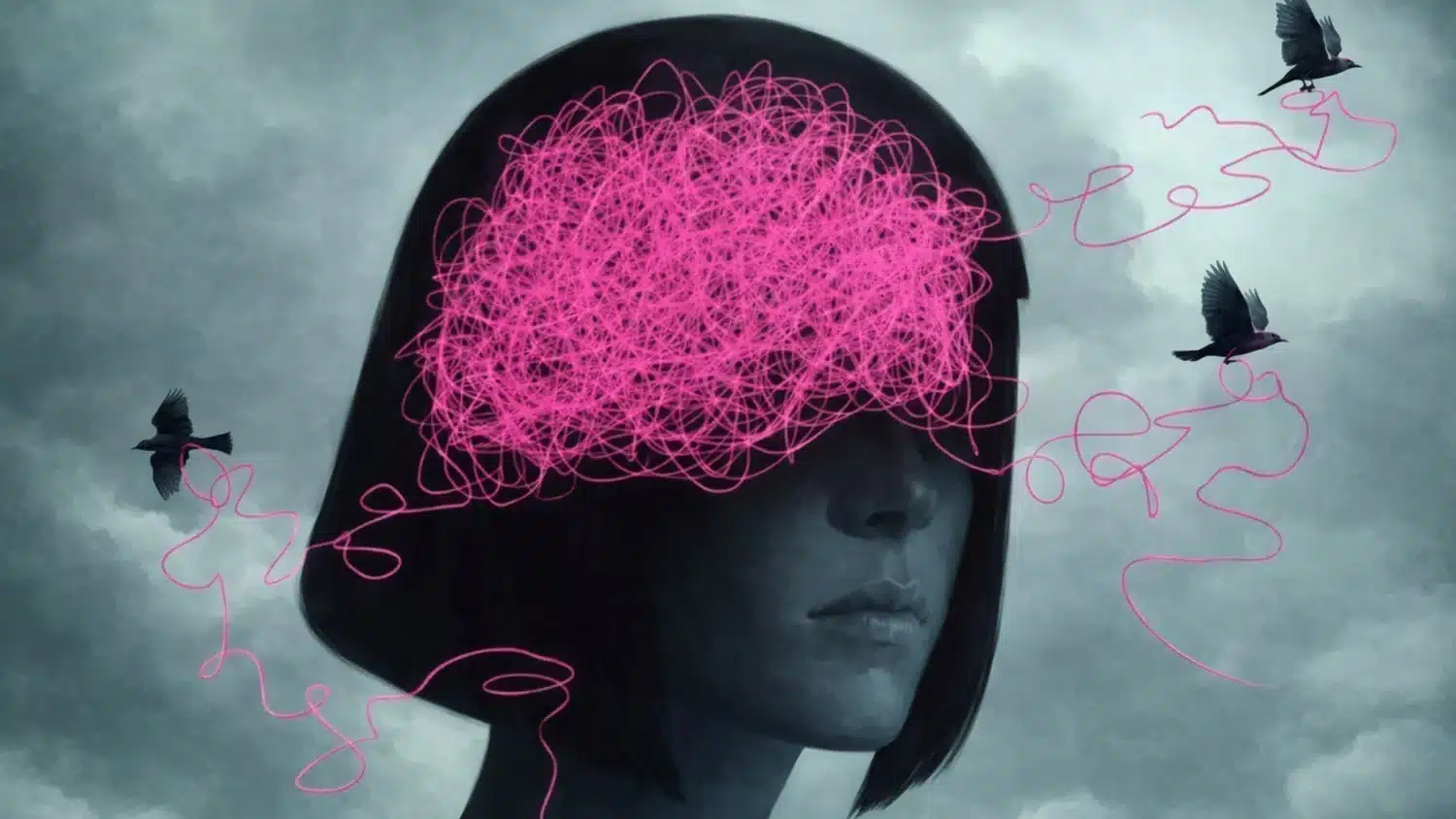
A Complete Guide to Anxiety Disorders: Understanding Their Mechanisms, Causes, and Main Classifications
Anxiety disorders are the most common category of psychiatric conditions today, affecting millions of people worldwide. Unlike temporary worry or everyday nervousness, clinical anxiety is marked by persistent and excessive fear that interferes with normal life and daily functioning. As a medical professional trained in both
Learn More
Alcohol’s Effect on Aging: What You Should Know
Most people understand that drinking too much is not good for the body. But the conversation rarely goes deep enough. Beyond the familiar warnings about liver damage and drunk driving lies a more fundamental and disturbing truth: alcohol does not simply harm you in the ways
Learn More
Hangxiety: What Happens to Your Brain After Alcohol
You wake up the morning after a night out and something feels wrong. Your heart is thumping in your chest. A familiar dread is spreading through your body before you have even checked your phone. You replay fragments of the night before – things you said,
Learn More
10 Science-Backed Ways to Reduce Your Risk of Alzheimer’s Disease
Alzheimer’s disease is one of the most feared diagnoses of our time – and for good reason. It does not simply steal memories. It dismantles a person’s identity, independence, and relationships, one neuron at a time. According to the 2024 Lancet Commission, up to 45% of
Learn More
Can a Vegetarian Diet Affect Memory? What Science Says and How to Protect Brain Health
Vegetarian and vegan lifestyles are expanding rapidly across the globe. Both the World Health Organization (WHO) and the Food and Agriculture Organization (FAO) have documented a steady worldwide movement toward plant-based eating for reasons related to both health and sustainability. Still, one recurring concern keeps surfacing:
Learn More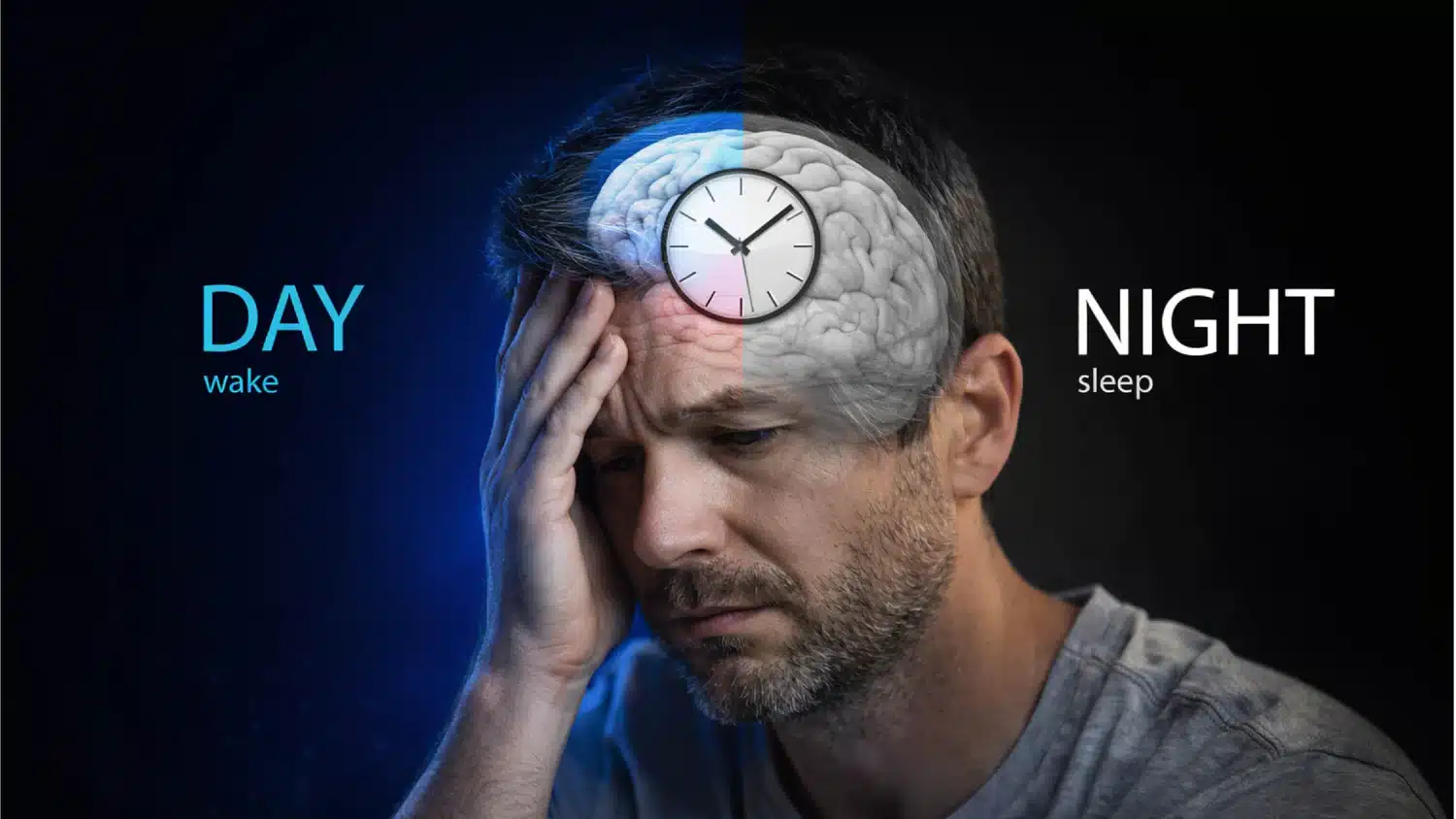
The Ultimate Guide to Circadian Rhythm Sleep Disorders: Causes, Types, and Treatments
Sleep is not simply a passive period of rest. It is a highly organized physiological process governed by an internal timing network known as the circadian rhythm. When this biological clock becomes misaligned with the outside world, the result is a group of conditions referred to
Learn More
How Morning Nutrition Sharpens Focus and Memory in Adults and Kids
The foundation of a highly productive day begins long before you arrive at the office or send your children to school – it starts with optimal morning nutrition. As an integrative medical doctor, I frequently observe that the quality of our first meal profoundly impacts our
Learn More
Shift Work Disorder Explained: A Complete Guide to Brain Function, Sleep Disruption, and Long-Term Health Risks
Working outside the standard daytime schedule has become a defining feature of modern life for nearly 20% of the working population in industrialized nations. While hospitals, emergency systems, transportation networks, and global supply chains all rely on around-the-clock labor, the human body is not naturally designed
Learn More
Brain Food: How Morning Nutrition Sharpens Focus and Memory in Adults and Kids
The human brain is an energy-demanding organ, accounting for roughly 20 percent of the body’s total daily energy consumption. After an overnight fast, the brain requires a consistent supply of glucose to function optimally. Choosing the right morning nutrition can serve as the foundation for cognitive
Learn More
Ptilotus senarius: The Resurrected Australian Shrub Bridging Indigenous Wisdom and Modern Phytotherapy
Ptilotus senarius – once declared extinct, now critically endangered – is rapidly emerging as one of the most fascinating botanical stories of the 21st century. This slender Australian shrub from the Amaranthaceae family carries within its tissues a rich arsenal of betalain pigments, phenolic compounds, and
Learn More