
Can the Smell of an Herb Tell You Anything About Its Chemical Composition?
Crush a leaf of mint, rosemary, or thyme between your fingers and the scent arrives instantly. That scent is not decoration. It is the direct, physical evidence of chemistry: tiny molecules that evaporate easily, drift into your nose, and are recognized by your smell receptors. So
Learn More
Why Some Traditional Vietnamese Herbs Are Rarely Found in Western Herbal Products
Walk down a supplement aisle in New York, London, or Berlin and you will find the usual names: turmeric, echinacea, ginkgo, Korean ginseng, ashwagandha. Now think about the plants that families in Vietnam have used for generations. Very few of them are on that shelf, and
Learn More
Why Do Medicinal Plants Make More Protective Compounds When Stressed?
Walk through a herb garden after a dry summer and you will notice something odd. The leaves are smaller and the colors deeper. The scent is often stronger than it was in a mild, well-watered season. This is not an accident of appearance. It reflects a
Learn More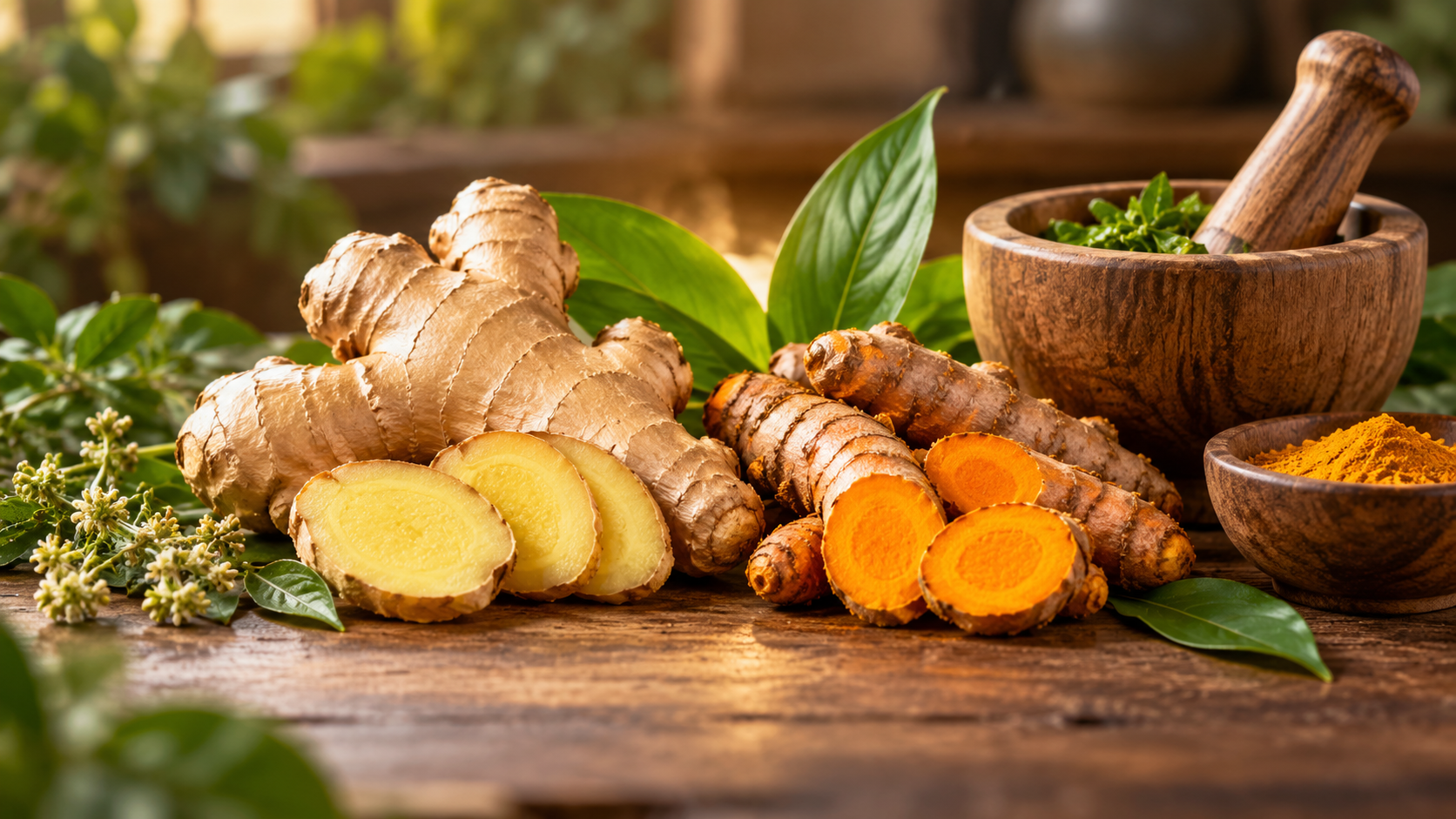
Can Two Herbs Work Better Together? The Science Behind Traditional Herbal Combinations
There is a persistent fantasy in the supplement industry: find the single most powerful herb, extract its active compound, take it in the highest dose, and achieve maximum effect. It is a clean, elegant idea. It is also, in most cases, wrong. Traditional Chinese Medicine (TCM),
Learn More
Why Some Medicinal Herbs Are Harvested at Night While Others Are Collected in the Morning
Ask a traditional herb gatherer when to pick a plant and you may hear very different answers. Pick the flowers at dawn, says one. Cut the leaves after the dew has dried, says another. Collect the roots in autumn, says a third. And for a few
Learn More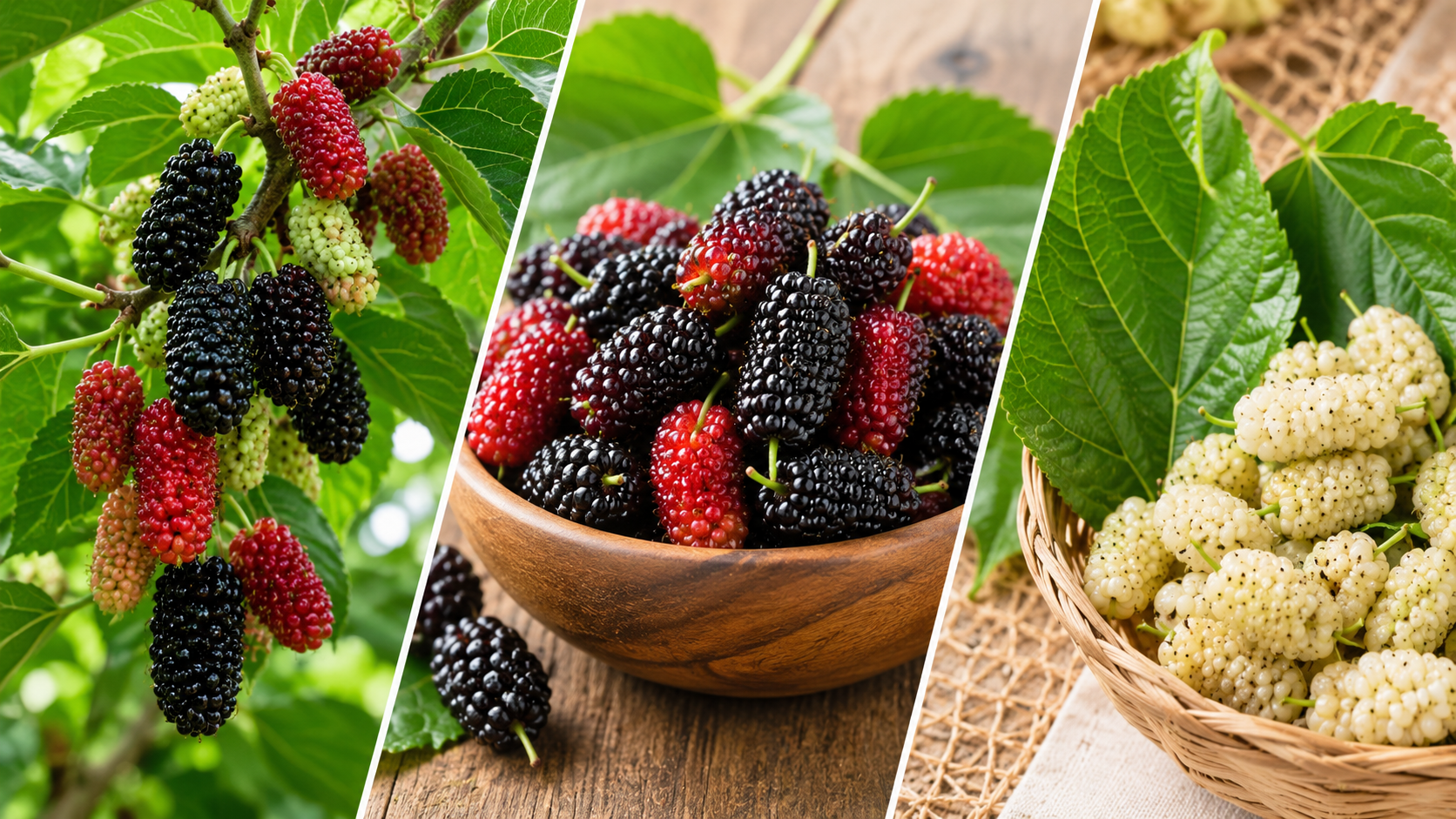
Mulberry Tree Fruit: Nutrition, Benefits and Uses
They hang in clusters from branches across Asia, the Middle East, and the Americas – deep purple-black, wine-red, or pearl white depending on the variety. Mulberries have been eaten, pressed into juice, dried for medicine, and brewed into tea for thousands of years. Yet outside traditional
Learn More
Why Watermelon Is More Than Just a Refreshing Summer Fruit
Most people think of watermelon as the sweet, juicy centerpiece of a summer picnic – pleasant, hydrating, and little else. That assumption is costing you. What researchers are uncovering about Citrullus lanatus reads less like food science and more like a clinical pharmacology report. The same
Learn More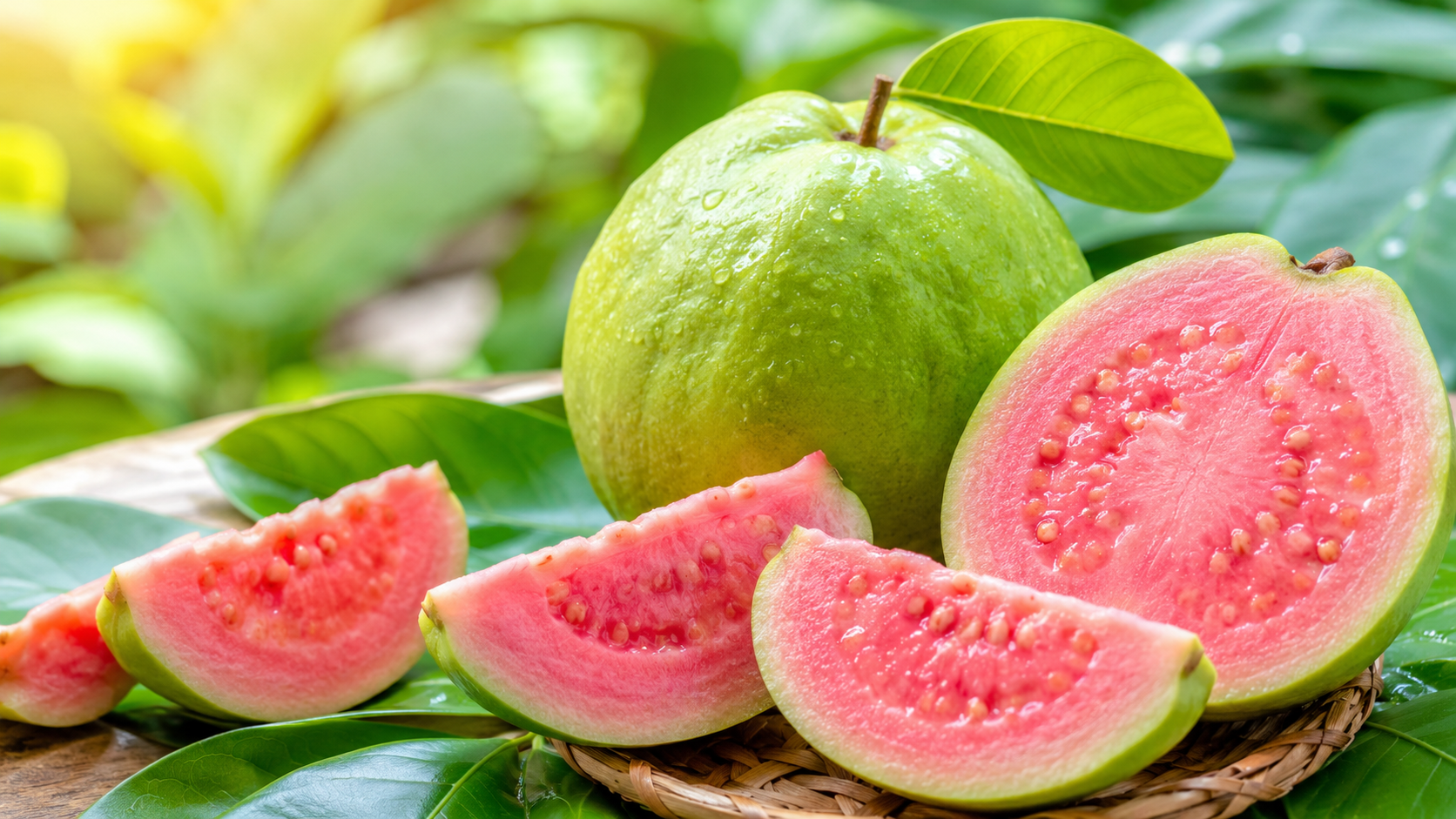
Guava Nutrition: Top Health Benefits and Why You Need It
There is a fruit sitting in markets across Vietnam, Southeast Asia, and tropical regions worldwide that packs more vitamin C than an orange, more lycopene than a tomato, and more fiber than most vegetables. It costs almost nothing. It grows year-round. And most people outside the
Learn More
Why does Gen Z suffer from “circadian rhythm disorder”?
Gen Z (those born between 1997 and 2012) is currently navigating a quiet health crisis: a widespread disruption of thebiological clock. According to research from the National Institutes of Health (NIH), this is not merely a “bad habit” but a complex medical phenomenon known as Delayed
Learn More
“Sleep procrastination”: Why do you know you should sleep but still try to stay awake?
In the quiet darkness of your room, the only light comes from your smartphone screen, glowing directly onto your tired face. The clock has already struck 1 AM. A part of your brain is screaming for rest, yet your fingers continue to scroll, your eyes glued
Learn More