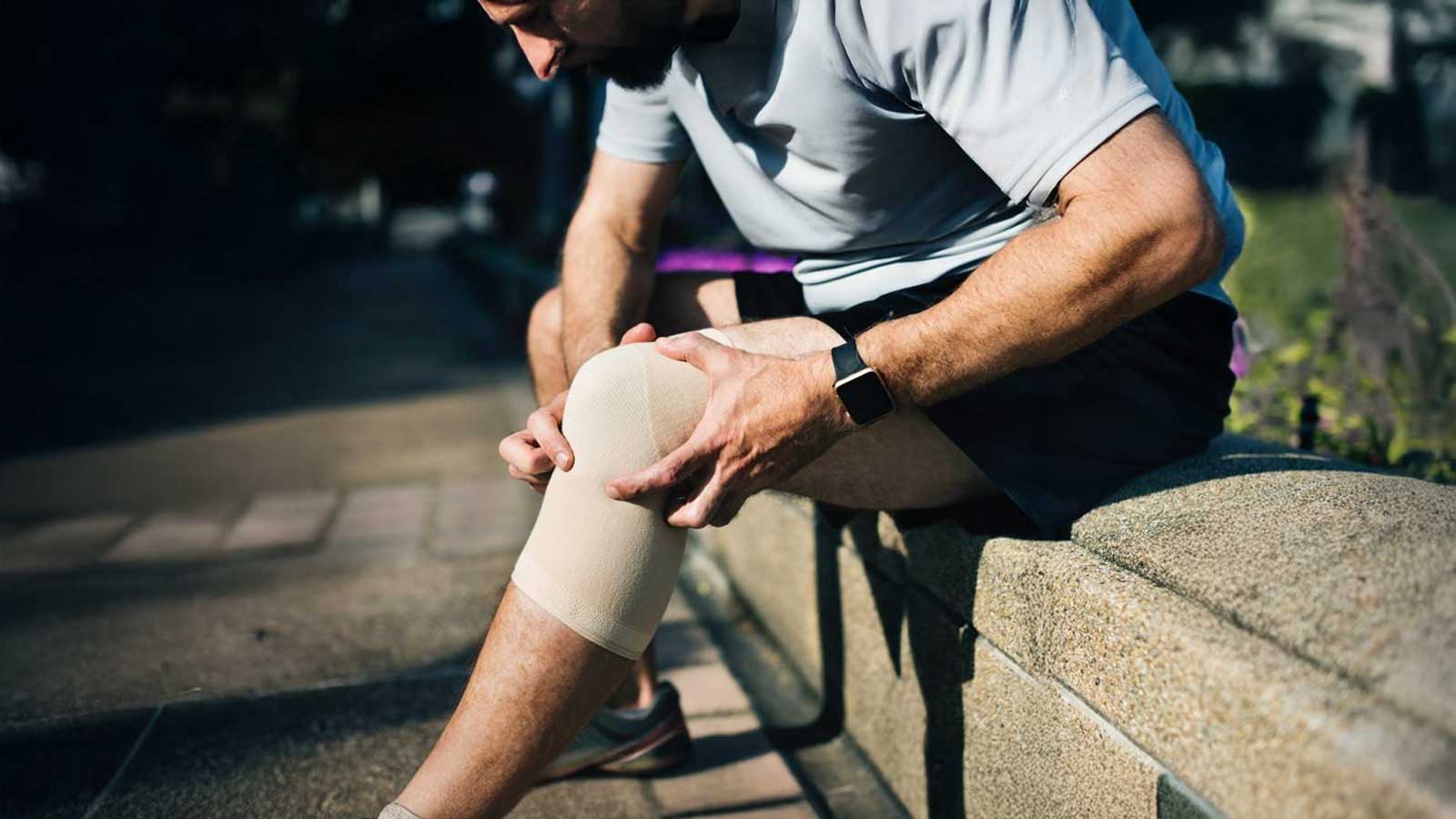
Chronic joint discomfort is more than just a physical sensation; it is a pervasive disruption of life. For millions, the morning begins not with energy, but with the calculated assessment of stiffness in the knees, hips, or hands. The standard medical response often involves a regimen of Non-Steroidal Anti-Inflammatory Drugs (NSAIDs), ibuprofen, naproxen, or prescription COX-2 inhibitors. While effective for acute flares, the long-term use of these pharmaceuticals carries a heavy biological tax, ranging from gastrointestinal erosion to elevated cardiovascular risks.
This reality has driven a clinical shift toward non-pharmaceutical interventions. Specifically, the search for the best anti-inflammatory herbs for joint pain has moved beyond folklore and into the laboratory. Modern research now highlights specific botanical compounds that act as natural COX-2 inhibitors, offering a targeted approach to inflammation without the systemic collateral damage of synthetic drugs.
In this comprehensive guide, we will explore the clinical mechanisms of these natural powerhouses, specifically contrasting their function with conventional options.[1] We will dissect the Boswellia Serrata mechanism of 5-LOX inhibition and the critical challenge of Turmeric bioavailability for joints, providing you with an authoritative roadmap to managing inflammation naturally.
The Inflammation Paradox: Why Conventional Treatments Fall Short
The Problem: The Silent Cascade of Chronic Inflammation
Inflammation is the body’s emergency response system. Acute inflammation heals a cut or fights an infection. However, in conditions like osteoarthritis (OA) and rheumatoid arthritis (RA), this system malfunctions. The body remains in a state of high alert, constantly producing pro-inflammatory enzymes such as Cyclooxygenase-2 (COX-2) and 5-Lipoxygenase (5-LOX). These enzymes convert arachidonic acid (a fatty acid) into prostaglandins and leukotrienes, chemical messengers that scream “pain” and cause tissues to swell.
The Agitation: The Hidden Cost of NSAIDs
To silence these messengers, most patients turn to NSAIDs. These drugs work by blocking COX enzymes.[2][3][4] The problem lies in their lack of precision.
- COX-1 Inhibition: Traditional NSAIDs inhibit COX-1, an enzyme crucial for protecting the stomach lining and regulating kidney function. Blocking it leads to the well-documented side effects of ulcers, bleeding, and renal strain.
- Cardiovascular Risk: Even selective synthetic COX-2 inhibitors, designed to spare the stomach, have been linked to increased risks of heart attack and stroke when used long-term.
This leaves patients in a precarious position: choose between debilitating pain or a medication list with potential severe adverse effects. The clinical goal, therefore, is to find agents that can modulate these inflammatory pathways selectively and safely.[5] This is where high-potency medical herbalism steps in.
The Solution: Natural COX-2 Inhibitors and Pathway Modulators
Nature provides compounds that do not just “mask” pain but intervene in the biochemical cascade of inflammation. Unlike synthetic drugs that act like a sledgehammer, completely blocking an enzyme, biobotanicals often act as modulators. They downregulate the overactive enzymes while leaving the necessary “housekeeping” functions (like stomach protection) intact.
The two most clinically validated botanicals in this category are Turmeric (Curcuma longa) and Boswellia Serrata. When understood and utilized correctly, they represent the gold standard of non-pharmaceutical joint care.
1. Turmeric (Curcumin): The Golden Standard for Inflammation
Turmeric is often cited as the premier herb for joint health, but the clinical reality is nuanced. The active compound, Curcumin, is a potent anti-inflammatory agent, yet it faces a significant biological hurdle.
The Mechanism: Multi-Targeted Inhibition
Curcumin is unique because it is pleiotropic, it works on multiple pathways simultaneously.
- COX-2 Downregulation: Research indicates that curcumin suppresses the expression of the COX-2 enzyme, thereby reducing the production of pain-inducing prostaglandins.
- NF-κB Inhibition: Nuclear Factor-kappa B (NF-κB) is a protein complex that acts as a “master switch” for inflammation. When triggered, it turns on the genes that produce cytokines (inflammatory signals). Curcumin has been shown to block the activation of NF-κB, effectively stopping inflammation at the genetic source.
- Cytokine Reduction: It reduces levels of Interleukin-6 (IL-6) and Tumor Necrosis Factor-alpha (TNF-α), key markers found in the synovial fluid of arthritic joints.
The Challenge: Turmeric Bioavailability for Joints
Despite its potency in a petri dish, curcumin is poorly absorbed by the human digestive tract. It is rapidly metabolized by the liver and excreted, meaning very little reaches the painful joint tissue. This is why sprinkling turmeric powder on food is rarely enough for therapeutic pain relief.
The Clinical Fix: To transform turmeric from a spice into a therapy, bioavailability enhancers are essential.
- Piperine: The addition of piperine (black pepper extract) inhibits the liver enzymes that break down curcumin. Studies show piperine can increase curcumin absorption by up to 2,000%.
- Liposomal Delivery: Encapsulating curcumin in fats (liposomes) allows it to bypass harsh stomach acids and enter the bloodstream more effectively.
For those seeking a formulated solution that accounts for these bioavailability challenges, products like those found at Naturem are designed with these specific absorption mechanisms in mind, ensuring the active curcuminoids actually reach the target tissues.
2. Boswellia Serrata: The 5-LOX Specialist
While Turmeric targets COX-2, Boswellia Serrata (Indian Frankincense) targets a completely different but equally destructive pathway. This makes them the perfect clinical pair.
The Boswellia Serrata Mechanism
The primary active compounds in Boswellia are boswellic acids, the most potent being 3-O-acetyl-11-keto-beta-boswellic acid (AKBA).
- 5-LOX Inhibition: Most NSAIDs do not touch the 5-Lipoxygenase (5-LOX) pathway. 5-LOX produces leukotrienes, which are inflammatory molecules that cause bronchial constriction and attract immune cells to the joint, causing damage. Boswellic acids are specific, non-redox inhibitors of 5-LOX. By shutting down this pathway, Boswellia prevents the breakdown of joint tissue.
- Prevention of Cartilage Degradation: Beyond inflammation, Boswellia helps preserve the structural integrity of the joint. It reduces the activity of Matrix Metalloproteinase-3 (MMP-3), an enzyme that chews up cartilage and collagen.
Clinical Evidence: The “Natural NSAID”
In clinical trials, Boswellia extracts have shown impressive results. One study comparing Boswellia to Valdecoxib (a prescription COX-2 inhibitor) found that while the drug acted faster, the Boswellia group showed significant improvement in pain and stiffness after one month with zero gastrointestinal side effects.
This slower but safer onset of action is characteristic of botanical therapies. They rebuild the body’s tolerance and reduce inflammation systemically over weeks, rather than forcing a temporary halt to pain signals.
Comparative Analysis: Natural vs. Synthetic
To make an informed decision, it is vital to understand how these natural options stack up against standard medical treatments.
| Feature | NSAIDs (Ibuprofen, Celecoxib) | Natural Anti-Inflammatories (Turmeric, Boswellia) |
| Primary Target | COX-1 and/or COX-2 Enzymes | COX-2, 5-LOX, NF-κB, Cytokines |
| Onset of Action | Rapid (Minutes to Hours) | Gradual (Days to Weeks) |
| Side Effects | Ulcers, Gastritis, Kidney Risk, Cardiovascular issues | Mild digestive upset (rare), generally well-tolerated |
| Long-Term Safety | Low (Chronic use discouraged) | High (Safe for long-term management) |
| Tissue Repair | None (Solely symptom management) | Potential chondroprotective (cartilage-saving) effects |
The data suggests a clear “Guide” for patients: NSAIDs may be necessary for “breakthrough” pain (acute, unbearable flares), but for the daily management of chronic joint inflammation, herbs like Turmeric and Boswellia offer a superior safety profile.
For a deeper dive into high-quality herbal sourcing and production, resources like SVK Herbal provide insights into how these raw ingredients are processed to maintain clinical potency.
3. Synergy: Why Combination Therapy Works Best
The most effective non-pharmaceutical protocols do not rely on a single ingredient. The biological pathways of inflammation are redundant; if you block one, the body may compensate by upregulating another. This is why the “entourage effect” of combining herbs is clinically superior.
The Turmeric + Boswellia Connection
When used together, Turmeric and Boswellia cover the two major inflammatory highways:
- Turmeric manages the COX-2 enzyme and systemic oxidative stress.
- Boswellia manages the 5-LOX enzyme and leukotrienes.
A randomized, double-blind, placebo-controlled trial examined this specific combination in osteoarthritis patients. The study concluded that the combination of Curcumin and Boswellia was more effective than Celecoxib (Celebrex) in relieving pain and improving joint function, with the added benefit of being safer for the stomach.
Supporting Players in the Matrix
While Turmeric and Boswellia are the heavy lifters, other natural compounds play critical supporting roles:
- Ginger: Shares the same botanical family as turmeric. Gingerols inhibit the formation of inflammatory cytokines and share similar COX-inhibiting properties.
- Willow Bark: The natural precursor to aspirin (salicylic acid). It provides mild analgesic effects for background pain.
- Bromelain: An enzyme from pineapples that helps break down fibrin (scar tissue) and further reduces swelling.
A Clinical Protocol for Natural Joint Management
If you are ready to transition from a pharmaceutical-heavy approach to a natural one, a structured protocol is essential. Random supplementation yields random results.
Step 1: Select High-Potency Extracts
Not all supplements are created equal. When looking for the best anti-inflammatory herbs for joint pain, you must look for standardization.
- For Turmeric: Ensure the label states “Standardized to 95% Curcuminoids.” Without this, you are mostly consuming culinary root powder with little therapeutic value.
- For Boswellia: Look for “Standardized to at least 65% Boswellic Acids” or specific AKBA content.
- Combination Formulas: Often, the easiest way to ensure synergy is to use a dedicated joint formula. The Joints Capsules from Naturem are formulated to leverage these synergies. You can view the specific formulation details here.
Step 2: Optimizing Dosage
- Curcumin: Clinical doses typically range from 500mg to 1,500mg daily, always taken with a fat source or bio-enhancer (piperine).
- Boswellia: Clinical doses range from 300mg to 500mg daily.
- Timing: Split doses between morning and evening to maintain stable blood levels of these anti-inflammatory compounds.
Step 3: The Anti-Inflammatory Lifestyle
Supplements cannot outwork a pro-inflammatory lifestyle. To truly manage chronic pain, you must address the environmental triggers.
- Dietary Adjustments: Reduce intake of Omega-6 fatty acids (found in cheap vegetable oils) which fuel the arachidonic acid pathway. Increase Omega-3s (fish oil), which compete with Omega-6s and produce anti-inflammatory resolvins.
- Movement: Synovial fluid (the oil in your joints) only circulates when you move. Sedentary behavior leads to “dry” and stiff joints. Low-impact movement like swimming or cycling is non-negotiable.
For those interested in the broader spectrum of Vietnamese and Eastern herbal traditions that support this lifestyle, Herbs of Vietnam offers an extensive catalog of traditional remedies that have been used for centuries to support musculoskeletal health.
Addressing Common Concerns (FAQ)
Q: How long does it take to see results with natural COX-2 inhibitors?
A: Unlike ibuprofen which works in 30 minutes, natural herbs modulate pathways over time. Most clinical trials show significant pain reduction starting at week 2, with maximum benefits realized by week 8. Patience is key to long-term repair.
Q: Can I take these herbs with my prescription medication?
A: Generally, yes, but with caveats. Turmeric has mild blood-thinning properties. If you are on Warfarin or other anticoagulants, you must consult your physician. Boswellia is known to be very safe with few drug interactions.
Q: Why choose Naturem™ over generic drugstore brands?
A: Purity and potency. Many generic brands use “fairy dust” amounts of active ingredients or raw powders with low bioavailability. Brands focused on clinical efficacy, like Naturem, prioritize the bioavailability for joints and standardized extracts that match the profiles used in successful clinical trials.
The Future of Joint Health is Integrative
The era of relying solely on synthetic pain management is fading. The science is now undeniable: the best anti-inflammatory herbs for joint pain offer a viable, clinically validated alternative for managing chronic conditions like osteoarthritis.
By understanding the Boswellia Serrata mechanism of 5-LOX inhibition and solving the puzzle of Turmeric bioavailability, you can take control of your pain pathways. This is not just about symptom suppression; it is about changing the biological environment of your joints from one of degeneration to one of repair.
For those seeking a holistic approach that combines modern science with traditional wisdom, exploring the ranges at Lanui.vn can provide further options for integrative health solutions.
Ready to Reset Your Joint Health?
Chronic pain does not have to be your baseline. By integrating high-quality, natural COX-2 inhibitors into your daily routine, you are choosing a path of wellness that respects your body’s biology.
- Assess your current regimen: Are you over-reliant on NSAIDs?
- Switch to targeted nutrition: Introduce clinical-grade Curcumin and Boswellia.
- Move with intention: Keep your joints lubricated through low-impact activity.
Your joints support you every day. It is time you supported them with the best that nature and science have to offer.
References
- Curcumin and COX-2 Inhibition: Downregulation of COX-2 and iNOS expressions by curcumin
- Bioavailability of Curcumin: Influence of piperine on the pharmacokinetics of curcumin in animals and human volunteers
- Boswellia and 5-LOX: Boswellic acids: a leukotriene inhibitor also effective through topical application in inflammatory disorders
- Clinical Trial (Boswellia vs. Valdecoxib): Open, randomized, controlled clinical trial of Boswellia serrata extract as compared to valdecoxib in osteoarthritis of knee
- Curcumin + Boswellia Synergy: Efficacy and safety of a combination of curcuminoids and boswellia serrata in osteoarthritis
- Ginger Mechanisms: Anti-Oxidative and Anti-Inflammatory Effects of Ginger in Health and Physical Activity
References
- researchgate.net
- allstarpainmanagement.com
- clevelandclinic.org
- lifeextension.com
- researchgate.net
- jointvitalitycoach.com
- mdtherapeutics.com
- qnwellness.com
- nih.gov
- ovid.com
- arthritis.org
- hopkinsmedicine.org