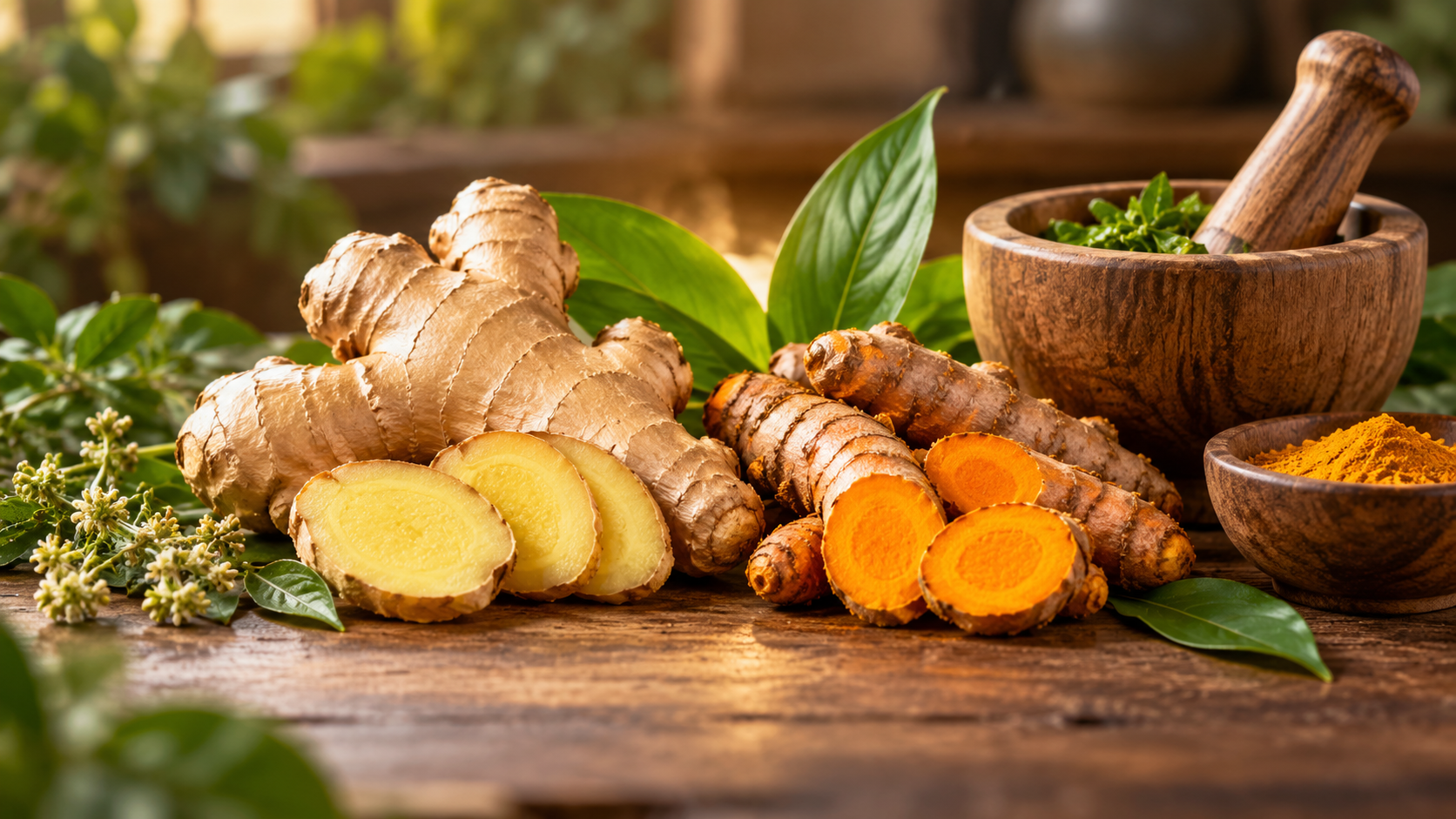
There is a persistent fantasy in the supplement industry: find the single most powerful herb, extract its active compound, take it in the highest dose, and achieve maximum effect. It is a clean, elegant idea. It is also, in most cases, wrong.
Traditional Chinese Medicine (TCM), Vietnamese traditional medicine, and Ayurveda have always built their formulas from combinations – rarely using a single herb in isolation. These systems prescribed two, five, ten, sometimes twenty herbs together, each playing a distinct role: one to address the primary complaint, one to support absorption, one to buffer side effects, one to guide the therapeutic action to the right organ system. The sophistication of these combinations was not accidental accumulation of folk wisdom. It reflected thousands of years of empirical observation about what worked better together than alone.
Modern pharmacology is now catching up to what traditional practitioners understood intuitively. The phenomenon is called herbal synergy, and it has a growing body of peer-reviewed evidence behind it. This article explains the mechanisms, the best-studied examples, and what this means for anyone choosing herbal supplements today.
Understanding synergy also depends on understanding what is inside an herb in the first place. Find out more about what active compounds in herbs are and why they matter before exploring how those compounds interact across different plants.
What Does “Synergy” Actually Mean in Herbal Medicine?
The word synergy is used freely in marketing. In pharmacology, it has a precise and demanding definition.
The Scientific Definition
A synergistic interaction occurs when the combined effect of two or more compounds is greater than the sum of their individual effects. The opposite – when the combined effect is less than expected – is called antagonism. When the effect is exactly additive (two compounds doing two separate things at their expected individual magnitudes), that is called additivity – and it does not qualify as true synergy.
Researchers use quantitative methods to distinguish between these three outcomes. The most commonly used is the Combination Index (CI) method, in which a CI value below 1.0 confirms synergy, exactly 1.0 confirms additivity, and above 1.0 indicates antagonism. This matters because it prevents vague claims: synergy has to be measured, not assumed.
The Frontiers in Pharmacology review of synergy in Chinese herbal medicine – the most comprehensive methodological review of the field – identifies two fundamental categories of herbal synergy:
Pharmacodynamic synergy: Two compounds act on different but complementary biological targets, producing a combined effect at the system level that neither could achieve individually. For example, one compound reducing inflammation via NF-κB suppression while a second compound reduces inflammation via COX-2 inhibition – together they block two independent inflammatory pathways simultaneously.
Pharmacokinetic synergy: One compound improves the absorption, distribution, metabolism, or excretion of another – not by adding to its therapeutic effect directly, but by increasing how much of the active compound reaches its target tissue. The most famous example of this type of synergy in herbal medicine involves a humble kitchen spice.
Turmeric and Black Pepper: The Most Studied Herbal Synergy Pair
The Bioavailability Problem Turmeric Cannot Solve Alone
Curcumin – the primary active polyphenol of turmeric – is one of the most extensively researched natural compounds in the world. It inhibits NF-κB, suppresses COX-2, reduces pro-inflammatory cytokines including TNF-alpha and IL-6, and demonstrates antioxidant activity that has prompted serious clinical investigation for conditions from osteoarthritis to metabolic syndrome.
There is one persistent problem: curcumin is poorly absorbed. When consumed as turmeric powder or as standard curcumin extract, it is rapidly conjugated and glucuronidated in the intestinal wall and liver – enzymatic processes that render it water-soluble and accelerate its excretion before it reaches systemic circulation in therapeutically meaningful concentrations. Studies measuring plasma curcumin levels after oral consumption have consistently found them disappointingly low.
How Piperine Solves the Problem
Piperine – the compound responsible for black pepper’s pungent heat – is a potent inhibitor of the very enzymes (CYP3A4, UGT, and SULT) that metabolize curcumin so rapidly. When consumed alongside curcumin, piperine slows curcumin’s degradation in the intestinal wall and liver, dramatically extending the time curcumin remains in bioavailable form in the bloodstream.
The most cited study on this combination, published in Planta Medica, found that a single dose of 20 mg piperine co-administered with 2 grams of curcumin increased curcumin bioavailability in human volunteers by 2,000% compared to curcumin taken alone. This is a pharmacokinetic synergy of extraordinary magnitude – achieved not by changing what curcumin does, but by ensuring that enough of it actually reaches circulation to do it.
Further research has extended the picture. A study published in PMC on the pain models of curcumin-piperine co-administration confirmed synergistic anti-inflammatory action in macrophage models, with the combination reducing pro-inflammatory mediators at doses where neither compound alone produced significant effect. A 2024 cancer research study further demonstrated synergistic anti-cancer activity against lung cancer cell lines, with optimal ratios determined by response surface methodology – precisely the type of scientific dose optimization that is beginning to be applied to traditional pairings.
This is not a marketing concept. It is a pharmacological mechanism with clinical measurements behind it. And it is a perfect illustration of why the same herb can have different effects depending on how it is processed and what it is combined with.
Turmeric and Boswellia: Pharmacodynamic Synergy in Joint Inflammation
Blocking Two Inflammatory Pathways Simultaneously
If the turmeric-black pepper combination represents pharmacokinetic synergy (improving delivery), the turmeric-boswellia combination is the clearest example of pharmacodynamic synergy in the anti-inflammatory herbal canon – and among the most clinically significant.
Curcumin’s primary anti-inflammatory mechanism operates through NF-κB and COX-2 pathway inhibition. Boswellia serrata’s primary active compound, AKBA (acetyl-11-keto-beta-boswellic acid), works through a completely different pathway – inhibiting 5-lipoxygenase (5-LOX), the enzyme that produces leukotrienes, a family of inflammatory mediators distinct from the prostaglandins that COX-2 produces.
The clinical significance is substantial. In joint inflammation and tendinopathy, both prostaglandins and leukotrienes contribute to pain, swelling, and tissue damage. Blocking one pathway while leaving the other intact produces partial effect. Blocking both simultaneously – as the turmeric-boswellia combination achieves – produces a more complete anti-inflammatory response than either herb could generate alone. This is pharmacodynamic synergy: two distinct targets, two distinct mechanisms, one amplified therapeutic outcome.
Clinical evidence supports this principle. A randomized controlled trial comparing curcuminoid-boswellia combination against placebo in knee osteoarthritis found significant improvements in pain scores, physical function, and joint-space measurements that exceeded what either compound produced independently in comparable studies. The combination also preserves the extracellular matrix of connective tissue – an additional structural benefit neither herb provides as effectively in isolation.
The Classical Framework: How Traditional Medicine Predicted Synergy
Before double-blind trials and combination index calculations, traditional Chinese and Vietnamese medicine had its own framework for understanding why herbs work better in combination. That framework is called the “Jun-Chen-Zuo-Shi” hierarchy in TCM – translated approximately as Emperor-Minister-Assistant-Courier.
The Four-Role Formula Structure
In classical TCM formula design, every ingredient in a multi-herb prescription occupies one of four functional positions:
Jun (Emperor): The primary herb addressing the principal condition. It provides the dominant therapeutic action and is usually present in the highest dose. Turmeric’s curcumin in a joint formula would occupy this position.
Chen (Minister): Herbs that enhance or synergize with the Emperor herb’s action, or address secondary aspects of the condition. Boswellia’s AKBA complementing curcumin’s NF-κB action with 5-LOX inhibition is a minister relationship.
Zuo (Assistant): Herbs that moderate the intensity or potential side effects of the Emperor herb, or address subsidiary symptoms. Ginger in many formulas occupies an assistant role – warming digestion to prevent the nausea that strong bitter herbs can sometimes cause.
Shi (Courier): Herbs that guide the formula’s therapeutic action to specific organ systems or improve absorption. Piperine from black pepper is functionally a courier herb in a turmeric-based formula – it does not amplify turmeric’s anti-inflammatory action directly; it ensures the active compounds arrive at their destination in sufficient concentration.
This four-role system – developed through millennia of empirical practice – maps almost perfectly onto the pharmacological categories of pharmacodynamic and pharmacokinetic synergy that modern science has identified and validated. The traditional framework and the modern scientific framework arrived at the same conclusions through different methodological paths.
Lion’s Mane and Adaptogens: Cognitive Synergy Through Complementary Pathways
Why the Brain Benefits From Multi-Pathway Support
Lion’s mane mushroom (Hericium erinaceus) occupies an increasingly prominent place in evidence-based herbal medicine. Its active compounds – hericenones (found in the fruiting body) and erinacines (found in the mycelium) – stimulate the production of nerve growth factor (NGF) in the brain. NGF is essential for the maintenance, repair, and growth of neurons, and its decline with age is associated with cognitive impairment.
A randomized, double-blind, placebo-controlled trial found that daily lion’s mane supplementation for 16 weeks significantly improved mild cognitive impairment scores compared to placebo. The mechanism – NGF stimulation – is now considered a validated biological pathway through which lion’s mane exerts its cognitive benefits.
But cognitive function is not a single-pathway system. Memory and focus depend on cerebral blood flow, neurotransmitter balance, neuronal protection against oxidative stress, and the absence of chronic neuroinflammation – none of which NGF stimulation alone addresses. This is why lion’s mane pairs naturally with adaptogenic herbs that address these complementary mechanisms.
Schisandra: The Five-Flavor Adaptogen
Schisandra chinensis – the five-flavor berry, so named because traditional medicine held it to contain all five elemental tastes – has been used for at least fifteen centuries in East Asian medicine as a tonic for both mental and physical resilience. Its primary active compounds, the schisandrins (lignans), have demonstrated adaptogenic effects: reducing the hypothalamic-pituitary-adrenal (HPA) axis response to stress, calming the nervous system, and supporting both hepatic and renal function.
From a cognitive synergy perspective, schisandra’s stress-buffering role is the critical one. Chronic cortisol elevation – the biochemical signature of sustained stress – impairs hippocampal neurogenesis, reduces BDNF (brain-derived neurotrophic factor), and directly damages the memory-forming structures of the brain. Schisandra’s HPA-modulating effect reduces this cortisol-mediated neurological damage, creating a more permissive environment for the NGF-driven neuronal growth and repair that lion’s mane promotes.
The combination therefore works through two mechanistically distinct and complementary pathways: lion’s mane stimulates neuronal growth factors directly; schisandra removes one of the primary obstacles to neuronal health by reducing stress-induced cortisol. Neither action duplicates the other. Together, they address cognitive health from two independent angles simultaneously.
Dangshen and Qi-Tonifying Combinations
Dangshen (Codonopsis pilosula) – known as the “poor man’s ginseng” for its gentler adaptogenic profile – illustrates a third dimension of herbal synergy: the amplification of immune support through multi-herb polysaccharide combinations. Dangshen’s polysaccharides enhance macrophage activation and NK cell activity. Lion’s mane’s beta-glucans independently stimulate immune surveillance pathways. When both are present, the immune-modulatory signaling they initiate operates through overlapping but distinct receptor populations, producing a broader and more sustained immune response than either botanical generates alone.
In TCM formula design, this is precisely the rationale for “Qi-tonifying formulas” – combinations of herbs that collectively rebuild the body’s foundational adaptive capacity, with each ingredient contributing a distinct layer of immunological or energetic support.
Ginger: The Universal Synergist
Few herbs appear in as many traditional formula combinations across as many different conditions as ginger. Its presence is rarely accidental – it serves specific pharmacological roles that make almost any formula more effective.
How Ginger Functions as a Synergist
Ginger contains gingerols, shogaols, and zingerone – compounds with anti-inflammatory, prokinetic (gastric motility-enhancing), and antiemetic properties. In the context of herbal combinations, ginger serves multiple synergistic functions simultaneously:
Gastrointestinal absorption enhancement: By stimulating gastric motility and increasing intestinal transit efficiency, ginger improves the absorption environment for co-administered herbs – a pharmacokinetic synergist role analogous to piperine but through a different mechanism (motility rather than enzyme inhibition).
Anti-nausea buffering: Strong therapeutic herbs – particularly bitter tonics, liver-supporting botanicals, and certain anti-inflammatory compounds – can cause gastric discomfort or nausea in sensitive individuals. Ginger’s antiemetic properties buffer these side effects, allowing therapeutic doses of the primary herb to be tolerated effectively. This is the classical “Zuo/Assistant” role in TCM formula design.
Complementary anti-inflammatory action: Gingerol and shogaol inhibit both COX and LOX inflammatory pathways at lower potency than curcumin or AKBA individually – but their broad-spectrum anti-inflammatory activity adds a third blocking mechanism to a turmeric-boswellia-ginger formula, creating true triple-pathway inflammation suppression.
This is why ginger appears alongside dangshen in cough formulas, alongside schisandra in energy formulas, and alongside turmeric in anti-inflammatory preparations across multiple traditional medical traditions spanning different cultures and continents. The empirical observation is consistent: ginger makes almost everything work better.
The “Entourage Effect”: Beyond Two-Herb Pairs
The concept of herbal synergy does not stop at pairs. Multi-herb formulas in traditional medicine often involve ten or more ingredients, each in a specific ratio, producing systemic effects that no individual extract can replicate.
Why Whole-Plant Extracts Sometimes Outperform Isolated Compounds
The processing of herbs into extracts versus teas versus powders changes which compounds are present, in what concentrations, and how they interact with each other. Within a single herb, compounds that appear minor by mass can have disproportionate effects on the primary active compound’s bioavailability or receptor binding – an intra-herb version of the same synergy phenomenon.
This is one reason why higher doses of isolated extracts do not always produce proportionally better outcomes. A 95% standardized curcumin extract removes many of the minor curcuminoids and botanical co-factors that influence how the primary compound behaves in vivo. Sometimes the interaction between a major and minor compound within the same herb is as important as the interaction between two different herbs.
The practical implication for formula design: the most effective herbal products tend to be those that preserve meaningful levels of a full-spectrum botanical matrix while combining it with complementary herbs that address distinct physiological targets – rather than simply stacking the highest milligram number of the single most famous extract.
What This Means When Choosing Herbal Supplements
Understanding herbal synergy changes how a thoughtful consumer evaluates a formula. The relevant questions are not “which herb has the highest dose?” but rather “which herbs are present, in what ratios, and do their mechanisms complement each other without redundancy?”
Questions Worth Asking About Any Multi-Herb Formula
Are the herbs addressing distinct biological targets? A formula combining three different adaptogens that all operate through the same HPA-axis mechanism may produce diminishing returns. A formula combining an adaptogen, a direct NGF stimulator, and a cerebral blood flow herb addresses cognitive health through three independent pathways – the definition of pharmacodynamic synergy.
Are there absorption-enhancing agents? A formula containing curcumin without piperine or another bioavailability enhancer is delivering a fraction of its apparent therapeutic potential. How herbal ingredients are processed and what they are combined with directly determines how much of the active compound reaches systemic circulation.
Do the herbs address primary symptoms and secondary contributors? The best traditional formulas never targeted just the presenting complaint – they simultaneously supported the organ systems involved in recovery and modulated the physiological context that allowed the condition to develop. A joint health formula addressing only inflammation while ignoring collagen synthesis and joint lubrication is pharmacologically incomplete.
Are the herbs at therapeutic doses within the combination? A 15-ingredient formula where each ingredient appears at 10 mg – well below its individual therapeutic threshold – achieves no synergy and no therapeutic effect. Synergy requires each contributing herb to be present at a dose where it can exert measurable biological activity. Dose and form matter as much as the presence of any ingredient on the label.
Traditional Vietnamese Multi-Herb Formulas: A Living Example
Vietnamese traditional medicine (Y học cổ truyền) has preserved some of the most sophisticated multi-herb clinical formulas in the East Asian tradition. Products developed from this tradition – including those from SVK Herbal’s network of brands – apply these principles directly: using herb combinations in which each ingredient occupies a defined pharmacological role, with absorption-enhancing agents, complementary mechanism herbs, and buffers against side effects deliberately built into the formula design.
The Naturem Joints+ formula, for example, combines curcumin, boswellia, Rhizoma Homalomena (for traditional musculoskeletal support), Drynaria fortunei (for connective tissue regeneration), and Clinacanthus nutans (an anti-inflammatory botanical with immune-modulating properties) – each addressing a distinct aspect of joint health while their combined anti-inflammatory, structural repair, and tissue-regeneration mechanisms work in pharmacodynamic synergy. This is the traditional formula design principle applied with modern ingredient validation behind each component.
Conclusion: The Wisdom of Combination Belongs to Both Traditions
The science of herbal synergy did not begin in a laboratory. It began in the fields and clinics of East Asia, Southeast Asia, and South Asia, accumulated over thousands of years of careful observation about which herbs produced better outcomes when combined – and in which ratios, and for which conditions, and why.
Modern pharmacology is now providing the molecular explanations for what empirical observation recorded. Pharmacokinetic synergy explains why piperine transforms turmeric from a poorly absorbed spice into a bioavailable therapeutic. Pharmacodynamic synergy explains why turmeric and boswellia together outperform either alone in clinical trials. Multi-pathway complementarity explains why lion’s mane and adaptogens address cognitive health from angles that neither herb reaches on its own.
The conclusion is both simple and clinically significant: in herbal medicine, one plus one frequently equals three. Understanding why that is true – and evaluating the herbs you choose through that lens – is the difference between choosing a supplement and choosing a therapy.
Frequently Asked Questions (FAQs)
Taking multiple herbs simultaneously does not automatically produce synergy. True synergy requires that the combined effect be measurably greater than the sum of individual effects – confirmed by quantitative methods like the Combination Index (CI). Simply stacking herbs can produce additive, redundant, or even antagonistic outcomes depending on their mechanisms and how they interact. Pharmacodynamic synergy requires complementary biological targets, while pharmacokinetic synergy requires one herb to enhance the absorption or metabolism of another in a measurable way. Formulas built on traditional clinical principles – where each herb plays a defined role – are far more likely to achieve genuine synergy than random multi-ingredient stacking. Find out more about how active compounds in herbs work to understand why mechanism alignment matters so much. (Williamson, 2001, Frontiers in Pharmacology)
The landmark pharmacokinetic study found a 2,000% increase in curcumin bioavailability when 20 mg of piperine was co-administered with 2 grams of curcumin in healthy human volunteers. That specific 20 mg dose is now the most commonly referenced threshold in formulation literature. Some research suggests meaningful bioavailability enhancement at lower doses (5-10 mg), but the 2,000% figure comes from the 20 mg co-administration study. The mechanism involves piperine inhibiting CYP3A4, UGT, and SULT enzymes in the intestinal wall and liver that would otherwise rapidly conjugate and eliminate curcumin before it reaches systemic circulation. Find out more about how herbal extraction and processing affect bioavailability and why these pharmacokinetic factors matter when choosing between forms. (Shoba et al., 1998, as cited in Healthline; PMC piperine-curcumin pharmacokinetics, 2013)
Yes – the Jun-Chen-Zuo-Shi (Emperor-Minister-Assistant-Courier) system is the classical TCM framework for multi-herb formula design, and it maps closely onto modern pharmacological categories. The Emperor herb targets the primary condition; the Minister herb synergizes with or broadens that action; the Assistant buffers side effects or addresses secondary symptoms; the Courier improves delivery to the target tissue or organ system. This framework anticipated the pharmacodynamic and pharmacokinetic synergy categories that modern science now quantifies, which is why traditional multi-herb formulas so frequently show measurable synergistic effects when studied using modern CI methods. SVK Herbal’s approach is rooted in this tradition – learn more about the story and mission behind traditional Vietnamese medicine-inspired formulas. (Chang et al., 2016, Frontiers in Pharmacology)
Yes, and this is an important and under-discussed reality. Antagonism occurs when the combined effect of two compounds is less than their expected additive effect – a CI above 1.0 by the Combination Index method. Antagonistic interactions can occur when two herbs compete for the same absorption transporter, when one herb stimulates the enzyme that metabolizes the active compound of another, or when their mechanisms of action at the same receptor work in opposition. This is one reason why more herbs in a formula does not automatically mean better outcomes – and why dose and form matter as much as ingredient selection. Poorly designed multi-herb products can produce antagonistic interactions that reduce the effectiveness of each individual ingredient below what it would achieve alone. (Williamson, 2001, Frontiers in Pharmacology)
The honest answer is: both, with varying strength of evidence depending on the specific combination. The turmeric-piperine bioavailability enhancement has been confirmed in human pharmacokinetic studies. The turmeric-boswellia combination has randomized controlled clinical trial evidence for osteoarthritis outcomes. Lion’s mane’s cognitive effects have clinical trial support. For many other traditional combinations, the mechanistic evidence from cell models and animal studies is compelling but human clinical data remains limited – largely due to the methodological and funding challenges of studying complex multi-herb preparations compared to single pharmaceutical compounds. A comprehensive review published in Frontiers in Pharmacology confirms this mixed landscape and calls for standardized synergy research methodology to close the evidence gap. (Chang et al., 2016, Frontiers in Pharmacology; SVK Herbal, 2026)
References
Chang, X., Chen, X., Wang, J., & Huang, Y. (2016). Synergistic effects of Chinese herbal medicine: A comprehensive review of methodology and current research. Frontiers in Pharmacology, 7, 201. https://doi.org/10.3389/fphar.2016.00201
Hewlings, S. J., & Kalman, D. S. (2017). Curcumin: A review of its effects on human health. Foods, 6(10), 92. https://www.ncbi.nlm.nih.gov/pmc/articles/PMC5664031/
Lao, C. D., Ruffin, M. T., Normolle, D., Heath, D. D., Murray, S. I., Bailey, J. M., Boggs, M. E., Crowell, J., Rock, C. L., & Brenner, D. E. (2006). Dose escalation of a curcuminoid formulation. BMC Complementary and Alternative Medicine, 6, 10. https://pmc.ncbi.nlm.nih.gov/articles/PMC3579260/
Naksuriya, O., Okonogi, S., Schiffelers, R. M., & Hennink, W. E. (2014). Curcumin nanoformulations: A review of pharmaceutical properties and preclinical studies and clinical data related to cancer treatment. Biomaterials, 35(10), 3365-3383. https://www.ncbi.nlm.nih.gov/pmc/articles/PMC4940614/
Phan, C. W., David, P., Naidu, M., Wong, K. H., & Sabaratnam, V. (2015). Therapeutic potential of culinary-medicinal mushrooms for the management of neurodegenerative diseases. Critical Reviews in Biotechnology, 35(3), 355-368. https://svkherbal.com/unique-ingredients/lions-mane-mushroom-supports-overall-health-of-body-and-mind/
Pongchaidecha, M., Lailerd, N., Boonprom, P., Chaiyasut, C., & Chattipakorn, N. (2024). Combination of curcumin and piperine synergistically improves pain-like behaviors in mouse models of pain with no potential CNS side effects. Biomedicine & Pharmacotherapy, 168, 115751. https://www.ncbi.nlm.nih.gov/pmc/articles/PMC9590184/
Prasad, S., Tyagi, A. K., & Aggarwal, B. B. (2014). Recent developments in delivery, bioavailability, absorption and metabolism of curcumin: The golden pigment from golden spice. Cancer Research and Treatment, 46(1), 2-18. https://www.healthline.com/nutrition/turmeric-and-black-pepper
Ramirez-Bosca, A., Soler, A., Gutierrez, M. A., Alvarez, J. L., & Almagro, E. Q. (2024). Construction of a synergy combination model for turmeric and black pepper extracts: Enhanced anticancer activity against human lung cancer cells. Cancers, 16(12), 2290. https://www.ncbi.nlm.nih.gov/pmc/articles/PMC11201915/
Shoba, G., Joy, D., Joseph, T., Majeed, M., Rajendran, R., & Srinivas, P. S. (1998). Influence of piperine on the pharmacokinetics of curcumin in animals and human volunteers. Planta Medica, 64(4), 353-356. https://pmc.ncbi.nlm.nih.gov/articles/PMC3579260/