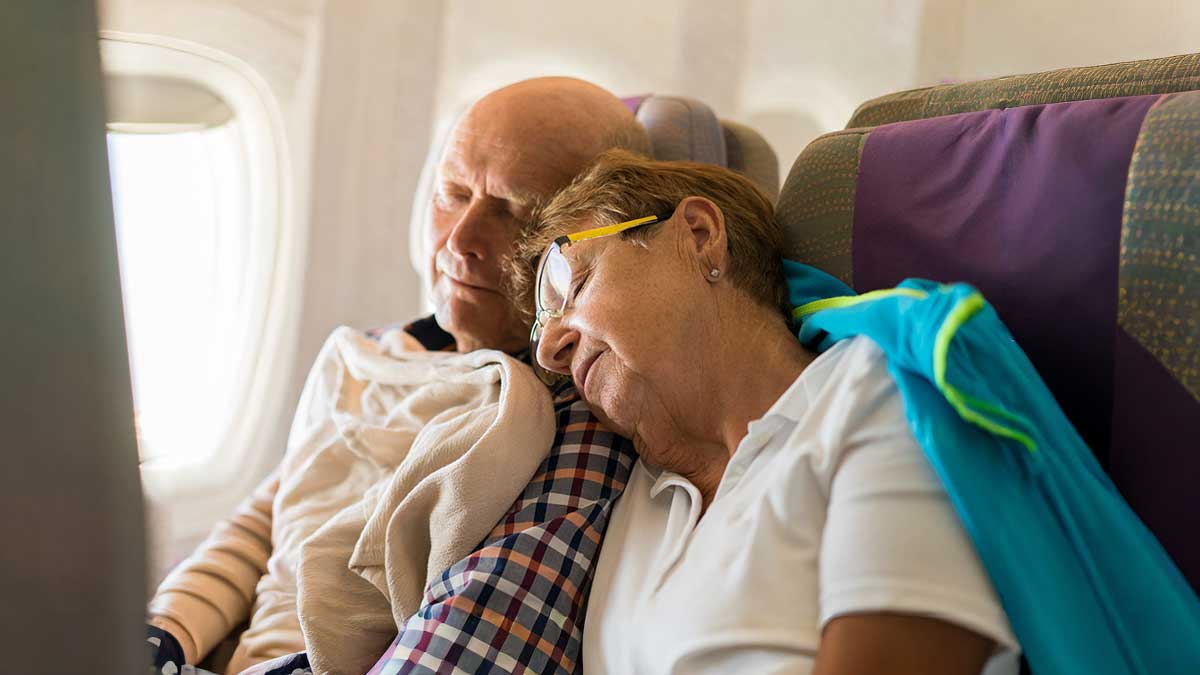
A guide for frequent travelers. Detail how circadian rhythm disruption affects insulin sensitivity and how supplement timing and specific travel hacks maintain stable glucose.
The Hidden Metabolic Cost of Travel
You know the feeling: the brain fog, the heavy limbs, and the insatiable craving for carbohydrates after a long-haul flight. Most travelers dismiss these symptoms as simple “fatigue,” but biologically, something far more specific, and alarming, is happening.
When you cross time zones, you aren’t just disrupting your sleep; you are actively uncoupling your body’s master clock (in the brain) from its peripheral clocks (in your liver, pancreas, and muscles). This desynchronization creates a state of temporary metabolic chaos. Your pancreas releases insulin when your cells aren’t ready for it, and your liver dumps glucose into your bloodstream when you don’t need it.
For the frequent traveler, this means that flying essentially mimics a state of temporary pre-diabetes.
Why “Just Powering Through” Damages Your Health
Ignoring these metabolic signals does more than just ruin the first day of your trip.
- The “Insulin Resistance of Travel”: Studies have shown that even short-term circadian misalignment, like that experienced during jet lag, can reduce insulin sensitivity by nearly 50%. This means your body needs significantly more insulin to process the same amount of food, leading to prolonged blood sugar spikes.
- The Cortisol Spike: Travel stress and high-altitude dehydration trigger a release of cortisol. Cortisol is a counter-regulatory hormone to insulin; it forces your liver to produce more glucose to fuel a “fight or flight” response that you can’t burn off while sitting in seat 14C.
- The Craving Cycle: Sleep deprivation drops leptin (the fullness hormone) and raises ghrelin (the hunger hormone), specifically driving you toward high-glycemic airport foods.
If you don’t actively manage this, you are subjecting your body to a rollercoaster of glucose spikes and crashes that weaken your immune system, worsen inflammation, and deepen the fatigue of jet lag.
The Biohacker’s Travel Protocol
Stabilizing your glucose across time zones requires a multi-pronged approach that aligns your behavior with your biology. By controlling light, meal timing, and supplement intake, you can manually resynchronize your clocks and maintain insulin sensitivity.
1. Strategic Meal Timing (Chrononutrition)
The most powerful lever you have for resetting your peripheral clocks is food. Your liver and pancreas clocks are entrained by when you eat, not just when you see light.
- The “Fast and Feast” Strategy: Stop eating as soon as you board the plane. This puts your digestive system to rest and prevents high-altitude glucose spikes.
- Break Fast on Destination Time: Do not eat until it is a “normal” meal time in your destination city. If you land at 8:00 AM local time, eat a high-protein breakfast. This signals to your body that a new day has begun.
- High-Protein Breakfasts: Research suggests that a protein-rich breakfast improves satiety and glucose control throughout the day, which is critical when your circadian rhythm is weak.
2. Light and Grounding
Your central clock (the Suprachiasmatic Nucleus) is reset by light.
- Morning Sunlight: View 10–20 minutes of bright sunlight immediately upon waking in the new time zone. This suppresses melatonin and anchors your cortisol rhythm.
- Grounding (Earthing): While it sounds esoteric, connecting physically with the earth helps normalize cortisol levels. Pilot studies suggest grounding can reduce inflammation and improve sleep depth, helping to blunt the cortisol spike that wrecks glucose control.
3. Glucose-Stabilizing Supplements
When lifestyle adjustments aren’t enough, targeted supplementation bridges the gap. Two heavy hitters in this arena are Gymnema Sylvestre and Cinnamon.
Gymnema Sylvestre: The “Sugar Destroyer”
Native to the tropical forests of India and Vietnam, Gymnema Sylvestre is a cornerstone of herbal glucose management. It contains gymnemic acids, which structurally resemble glucose molecules. These acids block sugar receptors in the intestines, preventing sugar absorption and smoothing out post-meal glucose spikes. Taking a high-quality Naturem™ Gymnema Sylvestre supplement 15 minutes before your first meal in the new time zone can act as a “safety buffer” against insulin resistance.
Cinnamon: The Insulin Mimic
Cinnamon does more than flavor your latte; it is a potent metabolic aid. Compounds in cinnamon can mimic insulin and increase glucose transport into cells, effectively lowering blood sugar levels even when insulin sensitivity is impaired by jet lag. Incorporate cinnamon into your travel routine to support cellular energy uptake when you are sedentary.
The Science of Stability
The connection between circadian rhythms and metabolism is well-documented. A landmark study published in Cell demonstrated that circadian misalignment profoundly alters the gut microbiome and glucose metabolism, leading to glucose intolerance.
Furthermore, research on Gymnema Sylvestre has shown it to be effective in reducing blood glucose levels by stimulating insulin secretion and regenerating pancreas beta cells. This makes it an ideal travel companion for those worried about the “diabetic” state of jet lag.
Your Step-by-Step Travel Itinerary
Follow this itinerary to maintain glucose stability on your next long-haul trip.
Phase 1: Pre-Flight (The Setup)
- Hydrate: Drink 500ml of water with electrolytes. Dehydration worsens glucose spikes.
- Load Up: Eat a balanced meal with fiber, protein, and healthy fats 3 hours before flight time.
- Supplement: Take a Naturem™ Glucose Support supplement to prime your system.
Phase 2: In-Flight (The Fast)
- Skip the Plane Food: Airline meals are notoriously high in processed carbs and preservatives.
- Drink Water & Tea: Stick to water or unsweetened herbal teas.
- Movement: Perform seated calf raises or walk the aisle every 60 minutes. Muscular contraction (even light movement) activates GLUT4 transporters, allowing your muscles to soak up glucose without needing insulin.
Phase 3: Arrival (The Reset)
- Ground: Within 2 hours of landing, find a patch of grass or sand. Take off your shoes and stand for 10 minutes.
- Sunlight: Get outside. Do not wear sunglasses. Let the light hit your retina to reset your master clock.
- The First Meal: Wait for a local mealtime. Before eating, take a Naturem™ capsule. Eat a meal focused on protein and vegetables (e.g., eggs and spinach or chicken salad).
- Support: For ongoing maintenance, consider exploring the specialized herbal teas from SVK Herbal or Lanui, which are formulated to support daily metabolic health.
Advanced Tip: The “Herbal Shield”
For frequent flyers, consistency is key. Integrating a daily regimen of high-quality herbs ensures your baseline insulin sensitivity remains high.
- Daily Maintenance: A consistent dose of Gymnema Sylvestre can help “train” your body to handle glucose more efficiently. You can find pharmaceutical-grade extracts at Herbs of Vietnam.
- Emergency Buffer: Keep a small stash of cinnamon capsules or Gymnema in your carry-on for those times when a high-carb meal is unavoidable.
Conclusion
Travel doesn’t have to derail your metabolic health. By treating jet lag as a metabolic issue rather than just a sleep issue, you can use these tools to arrive feeling energized, focused, and chemically balanced. Your body, and your blood sugar, will thank you.
Google Search Suggestions
- circadian rhythm disruption insulin sensitivity glucose metabolism jet lag
- Gymnema Sylvestre and Cinnamon for blood sugar control mechanism
- travel hacks for managing blood sugar while flying
- impact of sleep deprivation on glucose tolerance during travel
- how jet lag affects blood sugar levels in diabetics and non-diabetics
- supplement timing for glucose management crossing time zones