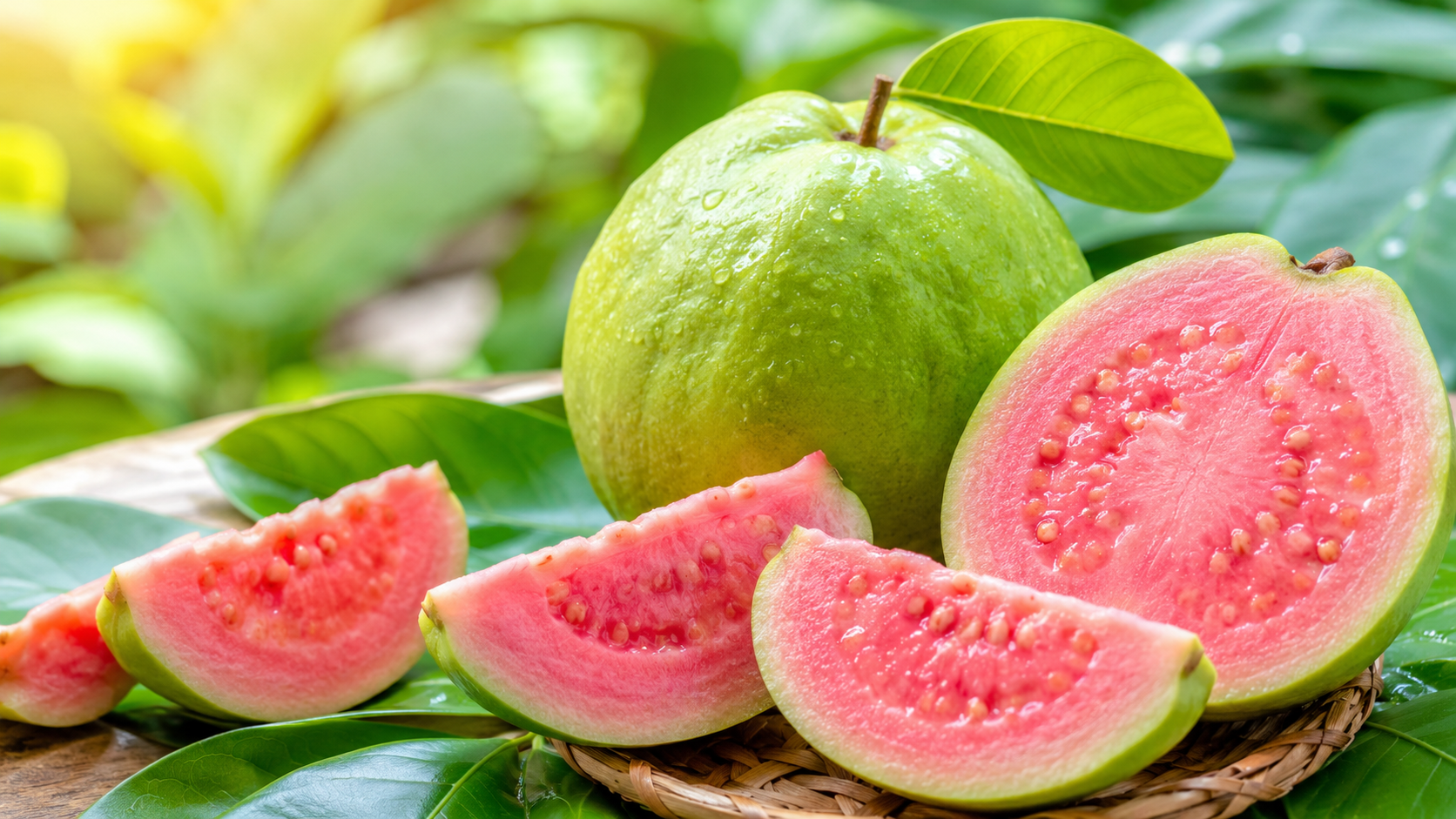
There is a fruit sitting in markets across Vietnam, Southeast Asia, and tropical regions worldwide that packs more vitamin C than an orange, more lycopene than a tomato, and more fiber than most vegetables. It costs almost nothing. It grows year-round. And most people outside the tropics have barely considered adding it to their diet.
That fruit is guava – Psidium guajava L. – and the science behind its nutritional and medicinal properties is genuinely remarkable.
Known as “Ổi” in Vietnamese, guava has been cultivated and revered in tropical regions for thousands of years – from its origins in Central America to its widespread adoption across Southeast Asia, India, and Africa. In Vietnam, it thrives in every climate zone and comes in dozens of varieties – from the crisp Ổi Bồ of Thái Bình to the large, seedless Ổi Xá Lị of the Mekong Delta. Vietnamese traditional medicine has long recognized guava leaves, fruit, and bark for their ability to treat a wide spectrum of conditions – from digestive complaints to high blood pressure – a body of empirical knowledge that modern science is now validating with clinical precision.
This article covers guava’s complete nutritional profile, its top evidence-based health benefits, and why this accessible tropical fruit deserves a daily place on your plate.
Guava Nutritional Profile – A Powerhouse in Every Bite
Before exploring its health benefits, it is worth understanding exactly what guava delivers per serving. According to USDA data, 100 grams of fresh common guava provides:
- Calories: 68 kcal – low energy density, high nutrient density
- Vitamin C: 228 mg – 396% of the daily recommended intake
- Dietary Fiber: 5.4 grams – approximately 14% of the daily recommended amount
- Potassium: 417 mg – more than a banana weight for weight
- Vitamin A: 624 IU – supporting vision and immune function
- Folate: 49 mcg – critical for cell division and DNA synthesis
- Lycopene (pink/red varieties): 5,204 mcg per 100g – nearly double the lycopene in tomatoes
- Protein: 2.55 grams – unusual for a fruit
- Net carbohydrates: 8.92 grams – low glycemic load
- Fat: less than 1 gram – primarily healthy polyunsaturated and monounsaturated fats
Guava also provides meaningful amounts of copper, magnesium, manganese, B vitamins, and vitamin E. The glycemic index of guava is approximately 25 to 31 – placing it firmly in the low-GI category, making it suitable even for people monitoring blood sugar.
This nutritional density is why guava is described by researchers as a nutritional powerhouse – boasting high levels of essential vitamins, minerals, and dietary fiber while being particularly rich in vitamin C, containing several times more than citrus fruits.
The Active Compounds That Make Guava Exceptional
Beyond its vitamins and minerals, guava’s health-promoting power comes from its rich array of bioactive phytochemicals:
Quercetin – a potent flavonoid with anti-inflammatory, antioxidant, and antidiabetic properties. Quercetin is one of the dominant bioactive compounds in guava leaves and is one of the most widely studied plant polyphenols.
Lycopene – a carotenoid responsible for the red-pink color of certain guava varieties. Lycopene is a powerful antioxidant with a singlet-oxygen-quenching capacity 47 times greater than beta-carotene and 100 times greater than vitamin E – making it one of nature’s most potent cellular protectors.
Pectin – a soluble fiber concentrated in guava’s flesh. Pectin slows glucose absorption, reduces LDL cholesterol, and supports beneficial gut bacteria.
Tannins – polyphenols with astringent, antimicrobial, and anti-inflammatory properties concentrated in guava leaves and peel.
Apigenin, Kaempferol, and other flavonoids – contributing antioxidant, anticancer, and anti-inflammatory activity across the whole fruit.
A comprehensive review published in PMC (2023) confirmed that the various parts of the guava plant exhibit antimicrobial, antioxidant, anti-inflammatory, and antidiabetic activities – validating what traditional medicine practitioners have known for centuries.
Top Health Benefits of Guava – What the Science Shows
1. Extraordinary Immune Support
Guava is one of the single richest food sources of vitamin C available anywhere. One 55-gram guava provides over 100 mg of vitamin C – more than double the reference daily intake of 45 mg, and significantly more than a medium orange.
Vitamin C is a cornerstone of immune function. It stimulates the production and function of white blood cells – the immune system’s frontline defense. It acts as a potent antioxidant, protecting immune cells from oxidative damage during infection. It enhances the skin’s barrier function against pathogens. And research confirms that while vitamin C does not prevent illness, it measurably reduces the severity and duration of infections.
Beyond vitamin C, guava’s lycopene enhances antioxidant enzyme activities and immunity function – with studies confirming its role in supporting the immune response. Quercetin further contributes by modulating inflammatory cytokine production and strengthening cellular defenses.
For more on how diet and specific nutrients support immune resilience, find out more in Naturem’s article on daily foods that weaken immunity.
2. Heart Health – Lower Blood Pressure and Better Cholesterol
Guava’s cardiovascular benefits are among the most clinically studied of any tropical fruit. The evidence is compelling.
A landmark randomized controlled trial published in the American Journal of Cardiology involving 120 patients with essential hypertension found that daily guava consumption for 12 weeks produced measurable improvements across every major cardiovascular risk marker:
- Total cholesterol decreased by 9.9%
- Triglycerides decreased by 7.7%
- HDL (good) cholesterol increased by 8.0%
- Systolic blood pressure decreased by 9.0 mmHg
- Diastolic blood pressure decreased by 8.0 mmHg
A second randomized controlled trial with 145 hypertensive patients confirmed these findings – showing a 7.5/8.5 mmHg net decrease in blood pressure after just four weeks of increased guava intake.
Multiple mechanisms drive these effects simultaneously. Potassium promotes sodium excretion through urine – directly lowering blood pressure. Soluble fiber reduces LDL cholesterol absorption in the intestines. Quercetin in guava leaves inhibits cholesterol absorption and biosynthesis in the intestines, lowering total LDL and VLDL. Antioxidant polyphenols relax blood vessel walls and improve vascular function. And vitamin C protects LDL particles from oxidation – preventing the oxidized LDL that drives atherosclerotic plaque formation.
3. Blood Sugar Regulation – A Natural Ally Against Diabetes
Guava has emerged as one of the most researched natural foods for blood sugar management. Both the fruit and the leaves contain compounds that target blood glucose through multiple complementary pathways.
The fruit itself has a glycemic index of approximately 25 to 31 – extremely low – meaning its sugars are absorbed slowly, preventing the glucose spikes that damage blood vessels and exhaust the pancreas. Its pectin content further delays intestinal glucose absorption.
A clinical study published in Nutrients found that guava fruit extract significantly reduced the postprandial glucose response at both 30 and 90 minutes after a glucose tolerance test – confirming its ability to inhibit intestinal glucose resorption in humans.
Guava leaf extract exerts additional mechanisms. Research published in PMC found that guava leaf extract markedly reduced fasting plasma glucose, fasting insulin, and insulin resistance index in diabetic mice while upregulating the PI3K/Akt insulin signaling pathway in the liver. A separate review in PMC (2025) confirmed that guava leaf phytochemicals – including quercetin, apigenin, and maslinic acid – regulate blood glucose through multiple antidiabetic pathways. Guava leaf tea was also clinically shown to reduce postprandial blood glucose elevation in patients with type 2 diabetes – comparable in effect to the prescription alpha-glucosidase inhibitor voglibose.
For more on managing blood sugar naturally through diet and targeted botanical support, find out more in Naturem’s comprehensive guide to diabetes and Naturem’s Glucose Guard Capsules which combines guava’s philosophy with other evidence-based botanicals.
4. Digestive Health – Fiber, Pectin, and Gut Balance
Guava is a rich source of dietary fiber – providing 5.4 grams per 100g, approximately 14% of the recommended daily intake. This fiber comes primarily from pectin – a soluble viscous fiber – alongside insoluble cellulose from the peel and seeds.
This fiber combination performs multiple digestive functions simultaneously. Soluble pectin slows gastric emptying – extending satiety, blunting glucose spikes, and giving digestive enzymes more time to work. Insoluble fiber adds bulk to stool and accelerates transit through the colon – reducing exposure of the colon mucosa to potential carcinogens and preventing constipation.
Pectin also acts as a prebiotic – feeding beneficial bacteria in the large intestine, which then produce short-chain fatty acids (SCFAs) including butyrate. Butyrate nourishes colon cells, reduces gut inflammation, and supports the intestinal barrier that prevents pathogenic bacteria from entering the bloodstream. Guava eaten with its peel is also traditionally recognized as helpful for gastric and duodenal ulcers – its tannins and polyphenols create an astringent protective layer on the stomach’s mucosal lining.
5. Anticancer Potential – Lycopene, Quercetin, and Antioxidant Defense
Research published in PMC (2023) conducted a systematic review of studies investigating guava’s anticancer activity across multiple human cancer cell lines – including colon, ovarian, breast, lung, leukemia, and prostate cancers. The findings confirmed measurable cytotoxic and antiproliferative effects from guava extracts.
Lycopene – particularly concentrated in pink and red guava varieties – is a well-established anticarcinogenic compound. Pink guava provides 5,204 mcg of lycopene per 100g – nearly twice the lycopene content of tomatoes. Lycopene’s anticancer mechanism involves neutralizing reactive oxygen species that damage DNA, inhibiting cell proliferation pathways, and suppressing angiogenesis – the formation of new blood vessels that feed tumor growth.
Quercetin and kaempferol – both present in guava – have independently demonstrated the ability to induce apoptosis (programmed cell death) in cancer cell lines while leaving healthy cells unaffected. Vitamin C at high concentrations further supports cellular antioxidant defenses that prevent the free radical damage driving carcinogenesis.
These findings are based on laboratory and animal studies, and while promising, do not yet constitute clinical evidence that guava treats cancer in humans. However, the cancer-preventive dietary case for lycopene and quercetin-rich foods like guava is well established.
6. Skin Health – Collagen, Lycopene, and UV Protection
Skin health benefits from guava in two distinct and complementary ways.
Vitamin C and collagen synthesis. Vitamin C is the essential cofactor for collagen biosynthesis – the structural protein that gives skin its firmness, elasticity, and wound-healing capacity. Without adequate vitamin C, the enzymes that cross-link collagen fibers cannot function. Guava’s extraordinary vitamin C content makes it one of the most effective dietary sources for supporting collagen production – directly benefiting skin texture, wound healing, and age-related skin changes.
Lycopene and UV protection. Pink and red guava varieties are rich in lycopene – a carotenoid that accumulates in skin tissue and provides measurable protection against UV-induced oxidative damage. Research confirms that lycopene in the skin helps neutralize free radicals generated by sun exposure, slowing the breakdown of collagen and reducing the formation of UV-induced wrinkles and pigmentation. This is a food-derived photoprotection mechanism that complements topical sun protection.
7. Weight Management Support
Guava is one of the most favorable foods for anyone managing body weight. With only 68 calories per 100 grams combined with 5.4 grams of fiber and 2.55 grams of protein, it delivers significant physical volume and satiety signals for a minimal calorie load.
Its low glycemic index of 25 to 31 prevents the blood sugar spikes and subsequent crashes that drive hunger and cravings within 60 to 90 minutes of a meal. Pectin slows gastric emptying – physically keeping food in the stomach longer and activating stretch receptors that signal fullness. Fiber stimulates GLP-1 and PYY release – satiety hormones that tell the brain the meal is complete.
The result is a fruit that satisfies sweet cravings, provides genuine satiety, contributes meaningful micronutrients, and does all of this without a significant caloric burden. Replacing a processed snack with a whole guava delivers a measurably superior metabolic outcome in every dimension.
8. Anti-Inflammatory and Antioxidant Defense
Chronic low-grade inflammation is now recognized as the underlying driver of virtually every major chronic disease – including cardiovascular disease, type 2 diabetes, neurodegeneration, and cancer. Guava addresses this threat through a comprehensive array of anti-inflammatory phytochemicals.
Quercetin directly inhibits the NF-κB inflammatory signaling pathway – one of the master switches of systemic inflammation. Lycopene reduces pro-inflammatory cytokines TNF-α and IL-6. Vitamin C neutralizes reactive oxygen species before they trigger inflammatory cascades. And the fiber-fed gut bacteria produce SCFAs that suppress inflammatory signaling throughout the body via the gut-immune axis.
Research confirms that guava fruit extracts have demonstrated hypoglycemic, hypolipidemic, and hepatoprotective effects – providing promising avenues for addressing the full spectrum of metabolic disorders that are rooted in oxidative stress and chronic inflammation.
Guava in Vietnamese Traditional Medicine
Vietnam’s tropical climate makes it one of the ideal growing regions for guava worldwide. Vietnamese traditional medicine – Thuốc Nam – has long incorporated guava leaves, fruit, and bark as practical therapeutic tools in everyday family health management.
Guava leaves brewed as tea are traditionally used to address diarrhea, dysentery, and gastroenteritis – an application now validated by modern research showing guava’s tannins bind and inhibit pathogenic bacteria in the gut. The leaves are also used for toothache and gum inflammation – quercetin’s antimicrobial and anti-inflammatory properties provide the mechanism. Guava fruit is recognized in Vietnamese folk tradition as a cooling, digestive fruit suitable for all ages – from infants to elders – and is widely consumed as both a daily food and a natural remedy.
This alignment between traditional knowledge and modern science is precisely the philosophical foundation on which SVK Herbal Corporation and Naturem are built – using Traditional Vietnamese Medicine as the empirical starting point, then validating and refining through modern botanical research.
How to Eat Guava for Maximum Benefit
Eat the whole fruit, including the peel. The skin contains the highest concentration of vitamin C and antioxidants. Research confirms that eating guava without the peel reduces the cholesterol-lowering benefit – the pectin in the peel is a key active component.
Choose pink or red varieties. Pink and red-fleshed guavas provide significantly higher lycopene content than white-fleshed varieties – up to 5,204 mcg per 100g. For maximum antioxidant and anticancer benefit, color matters.
Prefer slightly underripe. Slightly underripe guava has a lower glycemic index than fully ripe fruit – better for blood sugar management while still delivering full nutritional benefit.
Drink guava leaf tea. Steep 4 to 6 fresh or dried guava leaves in boiling water for 5 to 10 minutes. This delivers concentrated quercetin, tannins, and flavonoids – particularly beneficial for post-meal blood glucose management and digestive support.
Pair with protein or healthy fat. Combining guava with Greek yogurt, nuts, or cottage cheese extends satiety and slows glucose absorption further.
Aim for 1 to 2 whole fruits daily as part of a varied, whole-food diet. This provides adequate vitamin C, meaningful fiber, and a therapeutic dose of antioxidant phytochemicals without excessive sugar intake.
For a comprehensive guide to building a diet rich in anti-inflammatory, antioxidant foods like guava, find out more in Naturem’s complete guide to the anti-inflammatory diet.
Considerations and Who Should Be Cautious
Guava is safe and beneficial for the vast majority of people. A few considerations apply:
People with diabetes or on blood-sugar medications should monitor glucose carefully when adding guava leaf extract, as its blood-glucose-lowering effects may interact with medications and produce hypoglycemia if not accounted for.
High fiber intake. Adding large amounts of guava rapidly can cause bloating and digestive discomfort in people unaccustomed to high-fiber diets. Introduce gradually and stay well hydrated.
Irritable bowel syndrome (IBS). Some individuals with IBS may find guava’s high pectin content worsens symptoms. Start with small amounts and assess tolerance.
Pregnancy. Guava is generally safe and nutritionally beneficial during pregnancy, particularly for folate content. Always consult a healthcare provider before significantly altering diet during pregnancy.
The Bottom Line
Guava is not a wellness trend or a supplement. It is a whole food with millennia of traditional use and a rapidly growing body of clinical evidence behind it.
It provides more vitamin C than citrus, more lycopene than tomatoes, more fiber than most vegetables, and a comprehensive array of polyphenols that address cardiovascular health, blood sugar regulation, immune function, digestive wellness, and cellular protection against oxidative stress and cancer.
It is also inexpensive, widely available throughout Southeast Asia, and one of the most nutritionally dense fruits accessible anywhere in the tropical world.
Eating one or two guavas daily – whole, with the peel, and choosing red or pink varieties when available – is one of the simplest and most evidence-supported dietary additions you can make for long-term health.
Frequently Asked Questions (FAQs)
Guava is especially rich in vitamin C, dietary fiber, potassium, and plant antioxidants, making it one of the most nutrient-dense tropical fruits. While oranges are also healthy, guava provides a much higher amount of vitamin C per 100 grams, along with meaningful fiber and phytochemicals that support immune and metabolic health (U.S. Department of Agriculture, n.d.; National Institutes of Health, 2025).
Guava may support healthier blood sugar balance because it is high in fiber and has a relatively low glycemic impact. Human research also suggests that guava fruit extract can help reduce post-meal glucose response by inhibiting intestinal glucose absorption, while guava leaf tea has been studied for its potential role in lowering postprandial blood glucose (König et al., 2019; Deguchi & Miyazaki, 2010).
Guava may support cardiovascular health through its potassium, soluble fiber, vitamin C, and polyphenol content. A clinical study found that daily guava intake was associated with reductions in total cholesterol, triglycerides, systolic blood pressure, and diastolic blood pressure, while HDL cholesterol increased (Singh et al., 1992).
Yes, guava can be eaten with the peel, and doing so may increase intake of fiber and antioxidant compounds. The peel and whole fruit contribute to guava’s digestive and metabolic benefits, but it should be washed thoroughly before eating. People with sensitive digestion or IBS may want to start with a smaller portion to assess tolerance (U.S. Department of Agriculture, n.d.; Deguchi & Miyazaki, 2010).
For most healthy adults, one to two whole guavas per day can be a reasonable addition to a balanced diet. This amount can provide vitamin C, fiber, and antioxidants without adding excessive calories. However, people taking blood sugar medication should be cautious with guava leaf tea or concentrated extracts, because they may enhance glucose-lowering effects (Deguchi & Miyazaki, 2010; National Institutes of Health, 2025).
References:
Deguchi, Y., & Miyazaki, K. (2010). Anti-hyperglycemic and anti-hyperlipidemic effects of guava leaf extract. Nutrition & Metabolism, 7, Article 9.
https://pmc.ncbi.nlm.nih.gov/articles/PMC2831039/
König, A., Schwarzinger, B., Stadlbauer, V., Lanzerstorfer, P., Iken, M., Schwarzinger, C., & Weghuber, J. (2019). Guava (Psidium guajava) fruit extract prepared by supercritical CO₂ extraction inhibits intestinal glucose resorption in a double-blind, randomized clinical study. Nutrients, 11(7), 1512.
https://pubmed.ncbi.nlm.nih.gov/31277259/
National Institutes of Health, Office of Dietary Supplements. (2025). Vitamin C: Fact sheet for health professionals.
https://ods.od.nih.gov/factsheets/VitaminC-HealthProfessional/
Singh, R. B., Rastogi, S. S., Singh, R., Ghosh, S., & Niaz, M. A. (1992). Effects of guava intake on serum total and high-density lipoprotein cholesterol levels and on systemic blood pressure. The American Journal of Cardiology, 70(15), 1287–1291.
https://pubmed.ncbi.nlm.nih.gov/1332463/
U.S. Department of Agriculture, Agricultural Research Service. (n.d.). FoodData Central.
https://fdc.nal.usda.gov/