
When you have diarrhea, your body loses fluids and electrolytes much faster than it can replace them. This imbalance can quickly lead to dehydration, weakness, and dizziness. Proper hydration is therefore the most important step in managing symptoms and supporting recovery during stomach illness.
Choosing the best drinks for diarrhea can make a significant difference in how quickly your body recovers. Some beverages can worsen diarrhea by irritating the digestive tract or drawing more fluid into the intestines. By focusing on the right fluids, you can restore balance and help your digestive system recover faster.
Why Hydration Is Critical During Diarrhea
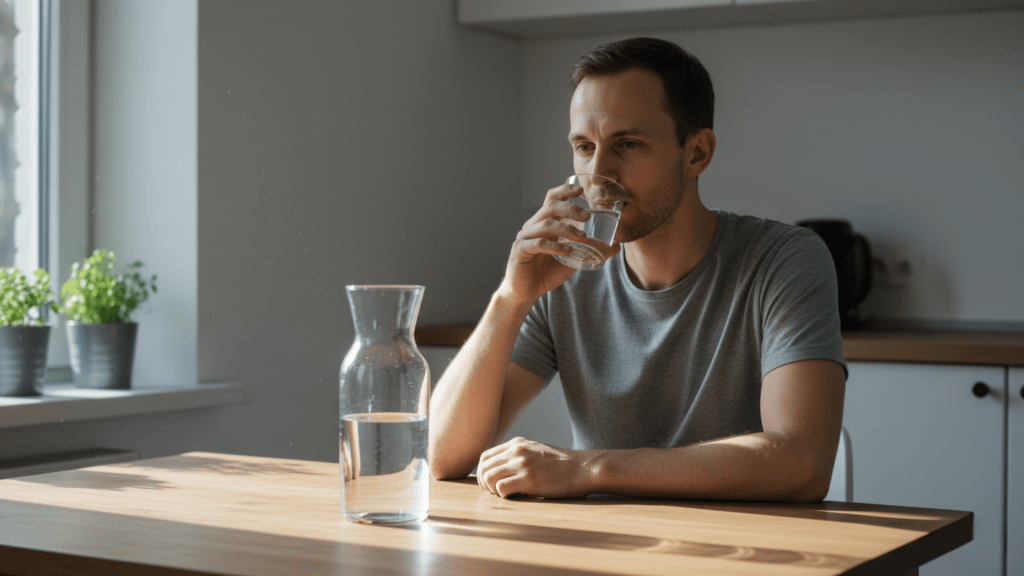
Diarrhea causes the body to lose water and electrolytes, such as sodium, potassium, and chloride, at an accelerated rate. Electrolytes are vital minerals that maintain fluid balance, facilitate muscle function, and ensure proper nerve signaling. When these levels drop due to persistent loose stools, your body struggles to perform basic functions.
Dehydration can significantly impact both your physical and cognitive health. Many people underestimate how quickly fluid loss affects their mental clarity. It is well documented that even mild dehydration can trigger brain fog, fatigue, and memory lapses. In fact, even mild dehydration can disrupt your daily productivity. Staying adequately hydrated helps keep your energy stable and your mind clear while your gut recovers.
Proper hydration also helps maintain blood circulation and stabilizes blood pressure. When fluid levels drop, the heart must work harder to pump blood throughout the body, which can leave you feeling weak, dizzy, or fatigued. Maintaining steady fluid intake helps your body recover while reducing the stress placed on your digestive system.
Signs of Dehydration During Diarrhea
Dehydration often develops gradually, so it is important to pay attention to early warning signs and monitor how you feel throughout the day. Common signs include:
- Extreme thirst and dry mouth: This is often the first indicator that your fluid levels are dropping. If your mouth feels sticky or parched, your body is already signaling a need for water.
- Dizziness and lightheadedness: These sensations often occur when you stand up too quickly. It is a sign that your blood volume may be slightly low due to fluid loss.
- Fatigue and weakness: You may feel unusually tired or lack your typical energy. This lethargy is your body trying to conserve energy while resources are scarce.
- Dark-colored urine: This is a very clear sign that your body is holding onto water to maintain vital functions, resulting in concentrated waste.
- Decreased urination: If you find you are not using the bathroom as often as normal, your body is likely struggling to maintain hydration. In severe cases, you may not urinate at all for several hours.
If you notice these symptoms, it is important to begin rehydration immediately. Small, frequent sips are usually better than drinking large amounts at once, as gulping water can trigger nausea or further bowel stimulation.
Best Drinks for Diarrhea and Dehydration

These are some of the fluids doctors commonly recommend to treat diarrhea and dehydration. Doctors often recommend these fluids because they help restore electrolyte balance and support faster recovery.
Hydration works best when fluids are consumed slowly and consistently throughout the day. Small, frequent sips allow the intestines to absorb water more effectively while reducing the risk of triggering further bowel movements.
When you have diarrhea, the goal is to provide fluid that is easy for your intestines to absorb. Some drinks are designed to rehydrate the body, while others simply help soothe the digestive system. Additionally, it is important to pair your hydration strategy with the right nutrition. Understanding which foods help during diarrhea is also important for minimizing intestinal stress during recovery.
Oral Rehydration Solution
Oral Rehydration Solution, known as ORS, is the gold standard for treating dehydration, as recommended by the World Health Organization. Unlike plain water, ORS contains a precise, medically formulated balance of salts and glucose.
This combination utilizes the sodium-glucose transport mechanism in the small intestine. Essentially, the glucose helps the body pull salt and water into the bloodstream much more efficiently than by drinking plain water alone. This process helps replace lost electrolytes quickly and restores volume to your system without putting extra strain on your digestive tract.
Clear Broth
Clear broths, such as chicken or vegetable broth, are excellent choices during the initial stages of diarrhea. They provide fluid for rehydration and essential sodium that is lost through loose stools.
Because they are low in fat and fiber, they are very gentle on the stomach and easy for the digestive tract to process. The warmth of the broth can also be comforting if you are experiencing cramping. If possible, choose a light broth that is not heavily salted or strongly seasoned. A simple homemade broth is often the easiest option for a sensitive stomach.
Coconut Water
Coconut water is a natural source of potassium, which is often lost in significant amounts during bouts of diarrhea. It can be a refreshing and effective way to support your hydration levels and replenish some of the electrolytes you have lost.
Coconut water acts as a naturally isotonic drink, which means it helps replenish fluids and electrolytes efficiently. It can be a better option than many commercial sports drinks, which often contain excessive sugar and artificial additives. However, it does contain natural sugars, so it should be consumed in moderation. If you find it too sugary or if it seems to increase your loose stools, dilute it with a little water or switch to broth.
Herbal Tea

Certain herbal teas can gently calm the digestive system and make it easier to stay hydrated during stomach illness. Warm, caffeine-free teas are often easier for the stomach to tolerate than cold beverages and may help reduce nausea.
Ginger tea is one of the most commonly used natural remedies for digestive discomfort. Many people rely on ginger for digestion because its bioactive compounds may help reduce nausea and support smoother stomach emptying.
Peppermint tea may also provide relief from cramping and bloating. Research suggests that peppermint for digestion can help relax the muscles of the digestive tract, which may ease intestinal spasms that sometimes occur during diarrhea.
Always choose caffeine-free herbal teas and sip slowly to avoid irritating an already sensitive stomach.
Drinks to Avoid When You Have Diarrhea

Not all drinks help when your stomach is upset. Some beverages can irritate the gut or increase fluid loss, which may make diarrhea last longer. It is important to avoid these until you have fully recovered. For better long-term health and general hydration habits, learning to identify healthy options is vital. For general wellness guidelines, reviewing basic healthy eating principles can help you establish sustainable eating habits that support your body after you recover.
Soda
The high sugar content in most sodas can draw more water into your intestines through a process called osmosis, which may worsen diarrhea. Additionally, carbonation can cause bloating, gas, and abdominal distention, making an already uncomfortable situation worse. Avoid sugary carbonated drinks until your bowel movements have returned to normal.
Caffeine
Drinks like coffee, black tea, and energy drinks act as mild diuretics, which can increase urine production and potentially contribute to fluid loss. They can also stimulate the gut, leading to more frequent bowel movements. Caffeine is a gut irritant for many people, especially when the intestinal tract is already inflamed or sensitive.
Alcohol
Alcohol is a known dehydrator that can significantly irritate the gastrointestinal tract. It interferes with your body’s ability to retain water and can exacerbate the symptoms of stomach illness. Because it acts as a toxin to the gut lining, it will almost certainly prolong the duration of your diarrhea and delay your recovery time.
How Hydration Supports Recovery with the BRAT Diet
Hydration does not work in isolation; it works best in tandem with gentle, easily digestible foods. When you follow the BRAT diet, you provide your system with the stability it needs to start functioning normally again. The BRAT acronym stands for bananas, rice, applesauce, and toast—foods that are low in fiber and easy on the gut.
It is also helpful to understand the bland diet. By combining hydration with foods that are low in fiber and fat, you minimize the work your digestive system has to do. This rest period allows the intestinal mucosa to repair itself, leading to a faster and smoother healing process. Always listen to your body, and if certain foods still cause discomfort, wait a few more hours before trying to eat again.
Conclusion
Managing diarrhea effectively starts with proper hydration. By replacing lost electrolytes with oral rehydration solutions, clear broths, and calming herbal teas, you can prevent dehydration and support your body’s recovery. Avoid substances like caffeine, alcohol, and high-sugar sodas that can further stress your gut and increase fluid loss. When combined with gentle, bland food choices, these hydration strategies ensure your digestive system has the best environment to heal quickly. Always monitor your symptoms, and consult a healthcare provider if diarrhea persists for more than a few days or if you show signs of severe dehydration.
Frequently Asked Questions
While sports drinks contain electrolytes, they are often too high in sugar and low in the specific sodium balance needed to treat dehydration from diarrhea. The high sugar content can actually draw more water into your intestines through osmosis, which may worsen loose stools. It is generally better to stick to an oral rehydration solution or a specialized electrolyte drink formulated for illness.
The goal is to replace fluids as you lose them, but you should avoid gulping large amounts at once, as this can trigger further digestive upset. Aim for small, frequent sips throughout the day rather than a full glass at one time. If you struggle with nausea, try taking just a few sips every 15 minutes to keep your intake consistent without overwhelming your stomach.
Plain water is excellent for general hydration, but it does not replace the electrolytes you lose through diarrhea. When you have significant fluid loss, your body needs sodium, potassium, and glucose to help absorb water effectively. Drinking only plain water can sometimes dilute the electrolytes remaining in your system, so it is best to combine it with an electrolyte replacement solution or salty broth.
You should seek medical attention if your diarrhea lasts for more than two days, or if you notice severe symptoms such as a high fever, severe abdominal pain, or blood in your stool. Additionally, signs of severe dehydration, such as confusion, a rapid heart rate, or the inability to keep any fluids down, require immediate medical evaluation. Do not hesitate to contact a professional if you feel your condition is worsening despite your efforts to rehydrate at home.
References
- Cleveland Clinic. (2023). Dehydration. https://my.clevelandclinic.org/health/diseases/9013-dehydration
- Mayo Clinic. (2024). Diarrhea. https://www.mayoclinic.org/diseases-conditions/diarrhea/diagnosis-treatment/drc-20352246
- National Institute of Diabetes and Digestive and Kidney Diseases. (2023). Eating, Diet, and Nutrition for Diarrhea. https://www.niddk.nih.gov/health-information/digestive-diseases/diarrhea/eating-diet-nutrition
- World Health Organization. (2023). Diarrhoeal disease. https://www.who.int/news-room/fact-sheets/detail/diarrhoeal-disease