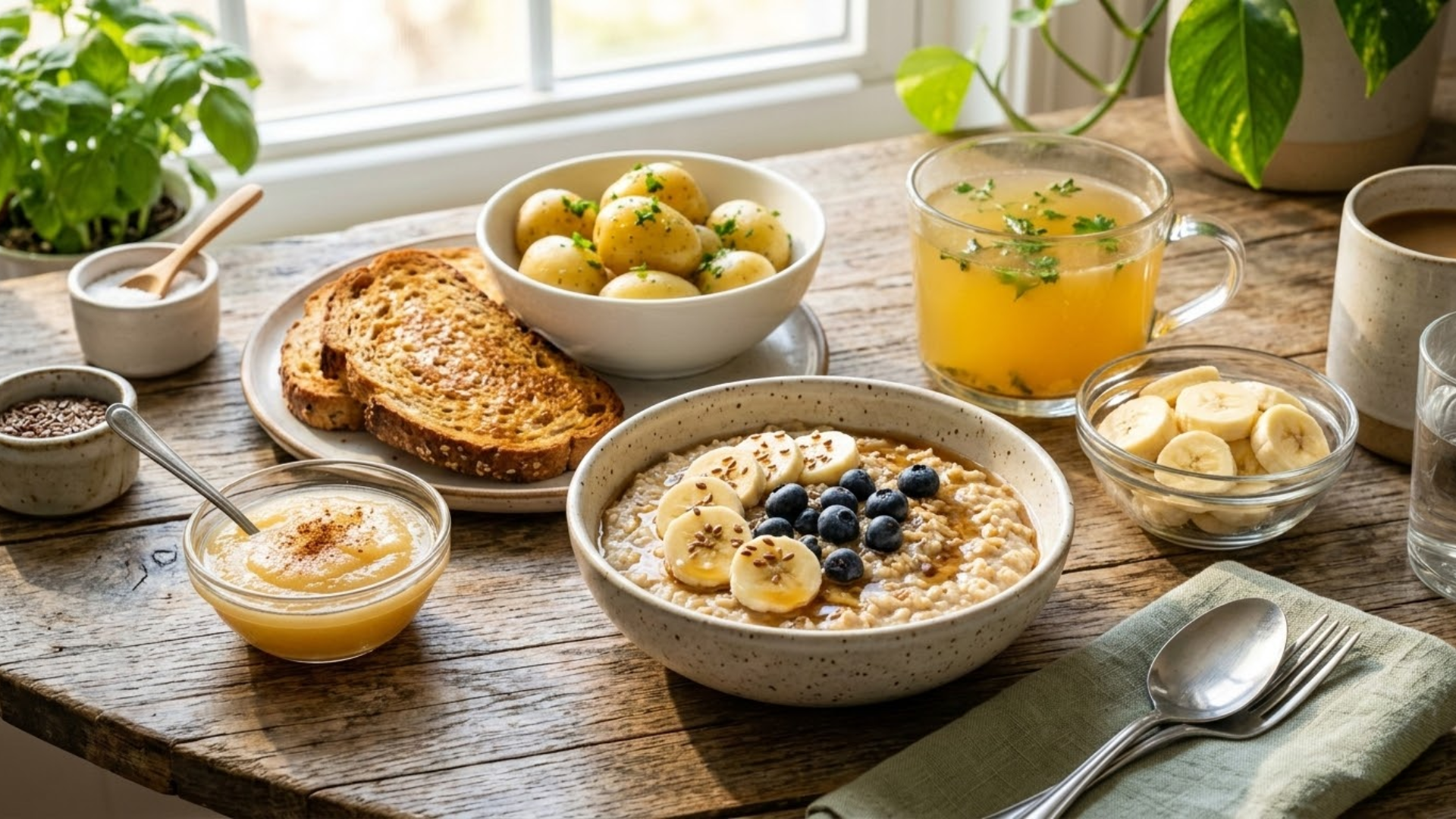
Diarrhea is one of the most common digestive problems people experience. It may be triggered by viral infections, food poisoning, medications, or sudden dietary changes. Symptoms such as frequent loose stools, abdominal cramps, and urgency can quickly leave the body tired and dehydrated. While rest and hydration are critical, knowing what to eat when you have diarrhea is one of the most effective ways to manage symptoms and speed up digestive recovery.
Your dietary choices during this time strongly influence how quickly your digestive system heals. Eating the wrong foods can exacerbate irritation and prolong the illness, while choosing the right foods can help firm up stools, replenish lost nutrients, and soothe an inflamed gut. The goal is to provide your body with energy without triggering further digestive distress.
Doctors and nutrition experts often recommend switching temporarily to gentle foods that support digestive recovery. These foods are designed to reduce gut irritation, prevent further fluid loss, and provide the building blocks your body needs to repair itself. By understanding the principles of a bland diet, you can navigate this uncomfortable condition with confidence and get back to feeling your best sooner.
What Happens in Your Digestive System During Diarrhea
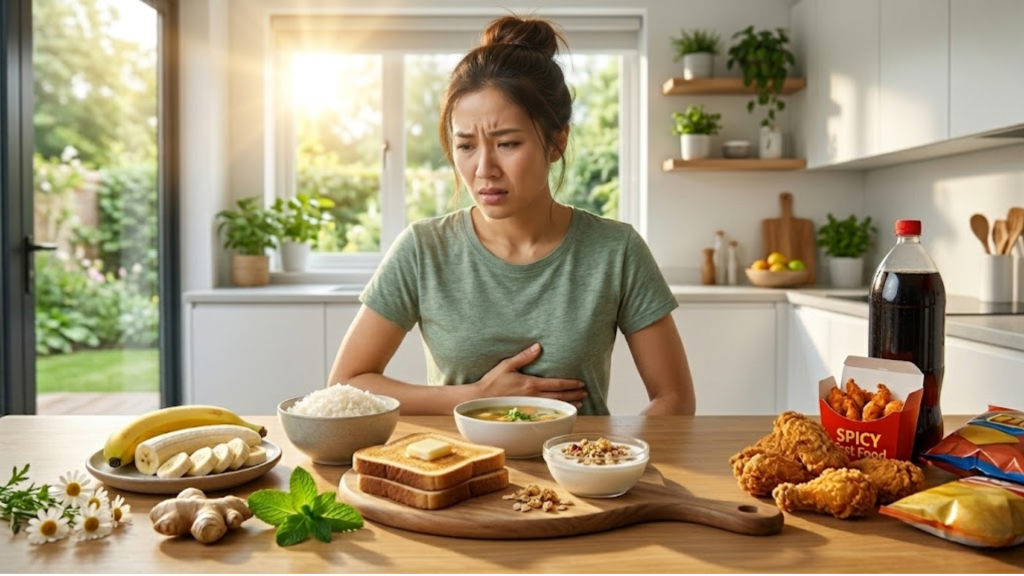
To understand why certain foods help, it is important to understand what is happening inside your body. Under normal conditions, the large intestine, also called the colon, absorbs water and salts from digested food to form solid stool, absorbing water and salts from the liquid food waste passing through it to create solid stool.
When you have diarrhea, the motility or movement of your intestines increases dramatically. Food moves through your digestive tract too quickly for the colon to absorb the necessary water. This results in the loose, watery stools that characterize the condition. At the same time, the lining of the intestines often becomes inflamed and sensitive, making it difficult to digest complex fats or heavy proteins.
When food moves too quickly through the gut, two main problems occur: dehydration and poor nutrient absorption. You are not only losing water but also essential electrolytes like sodium and potassium, which are vital for muscle and nerve function. Furthermore, because food is moving so fast, your body misses out on absorbing key nutrients. The diet you choose during this time must address these issues by being easy to digest and rich in the minerals you are losing.
Why Food Choice Matters During Digestive Upset

During an episode of diarrhea, your digestive system is essentially overworked and inflamed. The primary goal of nutrition during this phase is “gut rest.” This does not mean fasting completely, but rather choosing foods that require very little energy to break down. Complex meals force the stomach and intestines to work harder, which can trigger more cramping and rush the food through the system even faster.
Gentle foods allow the digestive system to rest while still providing calories. Foods that are low in fiber (specifically insoluble fiber) and low in fat reduce the volume of stool and limit the secretion of digestive acids. By minimizing the workload of the gut, you allow the mucosal lining to heal. Conversely, eating high-residue or irritating foods can prolong the inflammation.
If the digestive tract remains irritated for too long, it can lead to lingering sensitivity. Understanding the difference between acute upset and long-term issues is vital; for instance, recognizing signs of chronic inflammation can help you distinguish between a temporary bug and a more serious underlying issue. However, in the acute phase of diarrhea, the immediate focus is simply soothing the tissue through bland, non-stimulating nutrition.
Best Foods to Eat When You Have Diarrhea for Faster Recovery
When selecting foods to eat when you have diarrhea, the focus should be on bland, starchy, and low-fiber options. These serve as natural binders that help add bulk to the stool. Below are the most recommended foods for soothing an upset stomach.
Bananas
Bananas are often the first food doctors recommend for digestive recovery. They are bland, soft, and easily digested. More importantly, they are rich in potassium, an essential electrolyte that is rapidly depleted during bouts of diarrhea. Bananas also contain pectin, a type of soluble fiber that helps absorb excess liquid in the intestines and move stool along more smoothly without causing irritation.
White Rice
Plain white rice is a staple of the bland diet. Unlike brown rice, which contains the husk and bran (insoluble fiber), white rice is low in fiber and easy for the body to process. It provides carbohydrates for energy and acts as a binding agent to help firm up loose stools. It is important to eat the rice plain or cooked in broth, avoiding butter or oils that could trigger further nausea.
Applesauce
Whole apples contain skin that is rich in insoluble fiber, which can be too rough for an inflamed gut. However, applesauce is excellent for recovery. The cooking process breaks down the fruit’s cellular structure, making it easy to digest. Like bananas, applesauce contains pectin, which helps firm stool. It also provides a gentle source of sugar for energy.
Toast
White bread toast is another key component of a recovery diet. Toasting the bread reduces its water content and may make it slightly easier to digest. It adds bulk to the stool and provides bland carbohydrates. As with rice, it is crucial to avoid high-fiber whole grain breads or seeded breads during the acute phase of diarrhea, as the roughage can scour the sensitive intestinal lining.
Oatmeal
Oatmeal is a source of soluble fiber, which works differently than the insoluble fiber found in raw vegetables. Soluble fiber absorbs water and turns into a gel-like consistency during digestion, which can help slow down the transit time of food in the gut. This steady digestion is similar to how a vegetarian diet and blood sugar are linked, the soluble fiber moderates digestion, preventing spikes in gut activity. Ensure you make the oatmeal with water rather than dairy milk to avoid potential lactose issues.
Boiled Potatoes
Peeled, boiled potatoes are an excellent comfort food for a sensitive stomach. They are soft, bland, and rich in potassium. The starch in potatoes is easily utilized by the body for energy. Avoid frying them or adding heavy sour cream, a small pinch of salt is usually enough and can help replenish sodium levels.
Many of these foods form the basis of the traditional BRAT diet (bananas, rice, applesauce, toast,…). While modern advice suggests adding protein sooner than previously thought, these staples remain the gold standard for the first 24 hours. For a more detailed explanation, you can explore BRAT diet foods for diarrhea recovery and learn how to apply this approach safely.
Foods That Can Make Diarrhea Worse
Knowing what to avoid is just as important as knowing what to eat. Certain foods act as irritants or stimulants to the bowel and can turn a mild case of diarrhea into a prolonged illness.
Dairy Products
Even if you are not lactose intolerant, you may experience temporary lactose intolerance during a bout of diarrhea. The enzyme lactase, which breaks down dairy sugar, is often washed away or depleted when the gut lining is damaged. Consuming milk, cheese, or ice cream can lead to gas, bloating, and worsening diarrhea.
Fatty and Fried Foods
High-fat foods require complex digestion involving bile and various enzymes. When your system is compromised, fat can pass through undigested, leading to steatorrhea (fatty stools) and increased urgency. To support healing, it is helpful to look at nutrition holistically, choosing liver-friendly foods often involves selecting lower-fat, nutrient-dense options that also happen to be easier on the intestines during illness.
Sugary Foods and Artificial Sweeteners
Sugar can pull water into the intestines through a process called osmosis, which makes stools more watery. This is particularly true for fruit juices and high-sugar sodas. Furthermore, excess sugar intake can also harm metabolism. Research increasingly links sugary drinks and liver health problems, as excessive sugar stresses the body’s metabolic organs, which you want to avoid when you are already sick. Artificial sweeteners like sorbitol (found in sugar-free gum) are known laxatives and must be avoided.
Spicy Foods and Caffeine
Capsaicin in chili peppers is a known gut irritant that can increase pain and transit speed. Caffeine acts as a stimulant not just for your brain, but for your digestive tract as well, prompting bowel movements and increasing dehydration.
Processed Foods
Highly processed foods often contain additives and unhealthy fats that can disrupt the microbiome. While we often discuss the dangers of poor diet in the context of long-term risks like visceral fat risks, in the short term, these processed ingredients simply add unnecessary stress to a digestive system that is trying to heal. Furthermore, minimizing toxins is crucial for recovery; understanding the connection between liver detox and digestion highlights why keeping your diet clean and simple is essential during illness.
Simple Meal Ideas for the First 48 Hours

Eating can feel difficult when your stomach is upset. The key is to keep meals small, simple and frequent. Large meals can trigger the gastrocolic reflex, which stimulates the colon to empty.
Here are some gentle meal combinations using bland diet foods:
- Breakfast: A bowl of warm oatmeal made with water, topped with a small amount of applesauce. This provides soluble fiber without heavy fats.
- Snack: A slice of white toast with a few slices of ripe banana. This is a classic example of gentle foods for digestive recovery.
- Lunch: A cup of clear chicken or vegetable broth with a side of plain white rice. The broth provides hydration and sodium, while the rice adds bulk.
- Dinner: A plain boiled potato and a small portion of poached chicken breast (if you feel ready for protein).
These meals are soft, nutrient-dense, and unlikely to cause irritation. This approach of using simple, plant-forward, and easily digestible components is similar to the principles used in a vegetarian diet for the elderly, where digestive ease and nutrient absorption are prioritized.
When to Seek Medical Help
While dietary changes are usually sufficient to manage acute diarrhea, there are times when professional medical intervention is necessary. In most cases diarrhea resolves on its own, but severe dehydration or infection can make it dangerous.
You should seek medical attention if you experience:
- Severe Dehydration: Symptoms include extreme thirst, dry mouth, little to no urination, severe weakness, or dizziness.
- Duration: Diarrhea that lasts longer than two days in adults or 24 hours in children without improvement.
- Warning Signs: A fever above 102°F (39°C), severe abdominal or rectal pain, or stools containing blood or pus.
- Stool Appearance: Black, tarry stools, which may indicate bleeding in the upper digestive tract.
If you have a compromised immune system or underlying health conditions, consult your doctor sooner rather than later. For most people, resting the digestive system and eating simple foods like bananas, rice, and toast allows the body to recover within a few days.
Final Thoughts
Understanding what to eat when you have diarrhea can significantly shorten recovery time and prevent complications such as dehydration. Simple foods like bananas, rice, applesauce, toast, oatmeal, and boiled potatoes provide gentle nutrition while allowing the digestive system to heal. At the same time, avoiding fatty foods, dairy, caffeine, and artificial sweeteners helps prevent further irritation of the gut.
In most cases, diarrhea improves within a few days when the body is properly hydrated and supported with the right diet. Paying attention to food choices during this time allows your digestive system to recover faster and return to normal function.
Frequently Asked Questions
The first foods to eat during diarrhea should be bland, low-fiber, and easy to digest. Doctors often recommend foods from the BRAT diet, which includes bananas, white rice, applesauce, and toast. These foods help absorb excess fluid in the intestines and provide gentle carbohydrates for energy while allowing the digestive system to rest.
Yes, plain eggs such as boiled or poached eggs can be eaten in small amounts once symptoms begin to improve. Eggs provide high-quality protein that supports recovery. However, they should be prepared without butter, oil, or spices to avoid irritating the digestive system.
The best drinks during diarrhea include water, oral rehydration solutions, clear broths, and electrolyte beverages. These fluids help replace lost electrolytes such as sodium and potassium, which are depleted during frequent loose stools.
Most people only need to follow a bland diet for about 24 to 48 hours. Once symptoms begin to improve, you can gradually reintroduce normal foods such as lean protein, cooked vegetables, and whole grains while avoiding heavy or fatty meals.
Yes. Bananas are one of the most recommended foods for digestive recovery because they contain potassium and soluble fiber called pectin. These nutrients help replace lost electrolytes and absorb excess fluid in the intestines, which may help firm stools.
References
- Cleveland Clinic. (2021). Mom’s Advice Is Still the Best for Treating Diarrhea. https://health.clevelandclinic.org/mom-was-right-the-brat-diet-is-best-for-diarrhea/
- Mayo Clinic Staff. (2023). Diarrhea: Symptoms and causes. Mayo Clinic. https://www.mayoclinic.org/diseases-conditions/diarrhea/symptoms-causes/syc-20352241
- National Institute of Diabetes and Digestive and Kidney Diseases. (2022). Eating, Diet, & Nutrition for Diarrhea. NIH. https://www.niddk.nih.gov/health-information/digestive-diseases/diarrhea/eating-diet-nutrition
- Centers for Disease Control and Prevention. (2024). Diarrhea: General Information. CDC. https://www.cdc.gov/healthywater/hygiene/disease/diarrhea.html
- World Health Organization. (2017). Diarrhoeal disease. WHO. https://www.who.int/news-room/fact-sheets/detail/diarrhoeal-disease