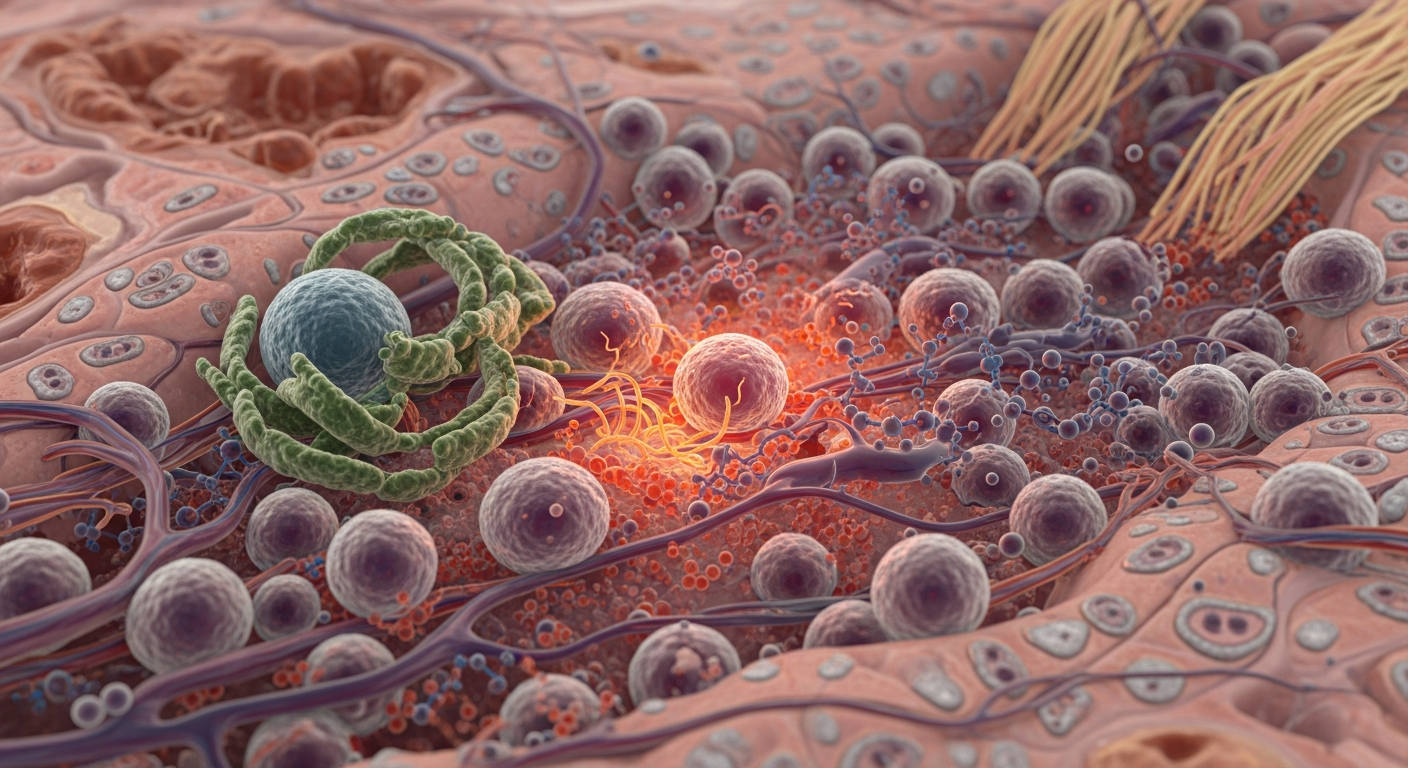
Chronic Inflammation and Its Impact on Your Health
Many chronic illnesses share a hidden culprit: inflammation that doesn’t go away. Unlike the helpful redness or swelling after a cut or infection, this “silent fire” can persist in your body for years – damaging organs and silently fueling diseases.
Chronic inflammation is an ongoing, prolonged immune response lasting months or years. Unlike acute inflammation, a short-term protective reaction, chronic inflammation can damage healthy tissues and contribute to chronic diseases such as heart disease,arthritis,diabetes, and autoimmune disorders.
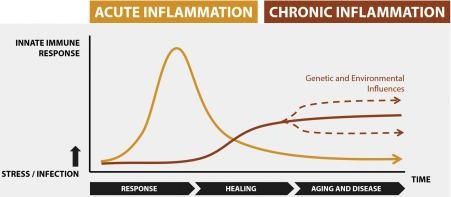
Diet and acute and chronic, systemic, low-grade inflammation – Science Direct
The Science Behind Chronic Inflammation
Your immune system naturally triggers inflammation to protect the body from threats like infections or injuries. However, chronic inflammation persists even after the initial threat is gone, leading to ongoing tissue damage.
Key Biological Processes:
- Cytokine Release: The immune system produces signaling proteins (e.g., TNF-alpha, interleukins) that keep the inflammation active – even when it’s no longer needed.
- Oxidative Stress: Harmful molecules called free radicals build up and damage healthy cells if not neutralized by antioxidants.
- Tissue Remodeling: The body tries to heal damaged tissues, but excessive scarring (fibrosis) can reduce organ function over time.
- Immune Dysregulation: The immune system loses control and starts attacking healthy cells, contributing to autoimmune conditions.
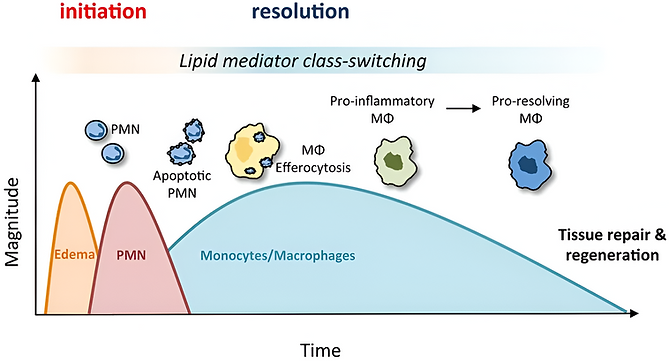
The coordinated temporal events of self-limited acute inflammation (Sansbury & Spite, 2016).
Effects of Chronic Inflammation on the Body
Chronic inflammation can negatively affect several body systems:
- Cardiovascular System: Increased risk of atherosclerosis and heart disease.
- Nervous System: Linked to cognitive decline and mood disorders.
- Digestive System: Associated with inflammatory bowel diseases (IBD).
- Musculoskeletal System: Leads to joint degeneration and arthritis.
- Endocrine System: Disrupts hormones and metabolism, contributing to obesity and diabetes.
According to the National Institutes of Health (NIH), chronic inflammation is increasingly common globally, affecting millions and significantly contributing to chronic diseases. Epidemiological studies highlight its growing prevalence and connection to lifestyle factors such as diet, inactivity, obesity, and smoking.
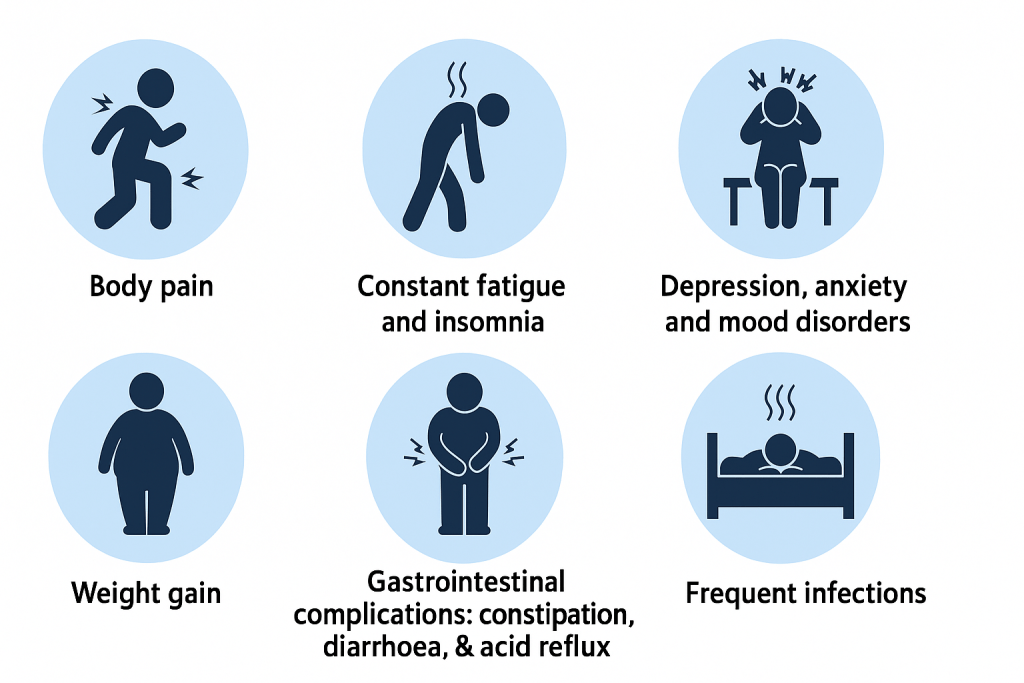
Symptoms of Chronic Inflammation You Shouldn’t Ignore
Recognizing the signs of chronic inflammation is crucial for early intervention. These symptoms are often subtle and may be mistaken for normal aging or other conditions.
Common Systemic Symptoms
- Persistent Fatigue: Unexplained tiredness that doesn’t improve with rest affects approximately 60% of people with chronic inflammatory conditions.
- Low-Grade Fever: A temperature consistently between 99-101°F (37-38°C) may indicate ongoing inflammation.
- Weight Changes: Unintentional weight gain or loss, particularly around the midsection, often signals metabolic inflammation.
Musculoskeletal Warning Signs
- Joint Pain and Stiffness: Especially noticeable in the morning or after periods of inactivity. The Arthritis Foundation reports that joint stiffness lasting more than 30 minutes may indicate inflammatory arthritis.
- Muscle Aches: Generalized body pain that seems to move around or worsen with activity.
Neurological and Mood Changes
- Brain Fog: Difficulty concentrating, memory problems, and mental fatigue affect up to 70% of individuals with chronic inflammatory conditions.
- Mood Disorders: Depression and anxiety are significantly more common in people with chronic inflammation, with studies showing a 2-3 fold increased risk.
Physical Manifestations
- Skin Issues: Persistent rashes, eczema, psoriasis, or unexplained skin changes.
- Digestive Problems: Chronic diarrhea, constipation, bloating, or abdominal pain.
- Frequent Infections A weakened immune system due to chronic inflammation can lead to recurrent infections.
Conventional Treatments and the Case for Integrative Care
Standard Medical Therapies for Inflammation
Modern medicine offers several classes of pharmaceutical drugs that are highly effective in controlling inflammation, especially in chronic conditions like arthritis, autoimmune diseases, and inflammatory bowel disease. These medications work through various mechanisms to suppress the immune response, reduce pain, and slow disease progression. However, while they provide essential relief and disease management, long-term use is often associated with serious side effects – some of which require continuous monitoring.
The table below summarizes the most commonly prescribed anti-inflammatory drug classes, their mechanisms of action, and potential risks with prolonged use:
| Drug Class | Mechanism of Action | Risks with Long-Term Use |
| NSAIDs (e.g., ibuprofen, naproxen) | Inhibit COX enzymes → reduce prostaglandins → relieve pain & inflammation | Gastrointestinal bleeding, kidney dysfunction, high blood pressure, increased heart risk |
| Corticosteroids (e.g., prednisone) | Suppress immune response and cytokine production → control acute inflammation | Osteoporosis, high blood sugar/diabetes, mood swings, immune suppression |
| DMARDs (e.g., methotrexate, sulfasalazine) | Modulate immune cell activity → slow autoimmune disease progression | Liver toxicity, low blood cell counts, lung inflammation, digestive issues |
| Biologics (e.g., adalimumab, etanercept) | Target specific immune mediators (e.g., TNF-α) → precise inflammation control | Increased infection risk (e.g., TB), injection site reactions, possible cancer risk |
Due to these risks, continuous use requires routine blood monitoring, imaging, and physician oversight.
A Balanced Path: Integrating Natural Therapies
Given the long-term side effects of pharmaceuticals, many clinicians now recommend an integrative medicine model – combining conventional drugs with natural, evidence-based approaches to enhance safety and efficacy.
- Combination Therapy: Incorporating herbal anti-inflammatories (like curcumin, Boswellia serrata, or ginger extract) may reduce reliance on high-dose pharmaceuticals and mitigate adverse effects – without compromising therapeutic goals.
- Personalized Monitoring: Regular assessments of inflammatory markers (e.g., CRP, ESR) enable providers to fine-tune drug regimens and integrate natural agents when appropriate.
This blended approach not only improves patient outcomes but also aligns with the global movement toward safer, personalized, and sustainable chronic disease management.
Natural Ways to Reduce Chronic Inflammation
Managing chronic inflammation doesn’t always require prescription drugs. Many natural strategies – rooted in diet, movement, stress reduction, and herbs – can effectively lower inflammation and support your body’s healing. These approaches are increasingly supported by major health institutions.
Anti-Inflammatory Diet
A key foundation of natural inflammation control is nutrition. The Mediterranean diet, in particular, has been extensively studied for its anti-inflammatory effects.
Foods to Include:
- Fatty Fish – Salmon, mackerel, sardines (rich in omega-3 fatty acids)
- Leafy Greens – Spinach, kale, Swiss chard (high in antioxidants)
- Berries – Blueberries, strawberries, blackberries (contain anthocyanins)
- Nuts and Seeds – Walnuts, flaxseeds, chia seeds (rich in fiber and ALA)
- Olive Oil – Extra virgin olive oil contains oleocanthal, a compound with natural anti-inflammatory effects
Foods to Avoid:
- Processed Foods – High in trans fats, preservatives, and additives
- Refined Sugars – Cause blood sugar spikes and promote inflammation
- Red & Processed Meats – Especially those cured or smoked
- Refined Carbohydrates – White bread, pastries, sugary beverages

Lifestyle Modifications
Behavioral and daily habit changes are essential in regulating inflammatory markers.
- Regular Exercise: 150 minutes per week of moderate-intensity aerobic activity is associated with reduced levels of C-reactive protein (CRP), a key inflammation marker (American College of Sports Medicine).
- Stress Management: Chronic stress increases cortisol and pro-inflammatory cytokines. Techniques include:
- Meditation and mindfulness
- Deep breathing exercises
- Yoga and tai chi
- Prioritizing 7-9 hours of quality sleep per night
Environmental Optimization
Everyday exposure to environmental toxins can silently contribute to inflammation.
- Use air purifiers to improve indoor air quality
- Switch to natural cleaning products
- Limit contact with pesticides, synthetic fragrances, and industrial pollutants

Herbal and Natural Remedies
Certain herbs and botanicals have been scientifically validated for their anti-inflammatory properties. These natural options may complement lifestyle changes or serve as alternatives for those seeking gentler therapies.
Evidence-Based Herbs:
Boswellia serrata – Doses of 300-400 mg daily have shown reductions in CRP and TNF-α in clinical studies
- Green Tea Extract – Contains EGCG, a polyphenol with anti-inflammatory and antioxidant benefits
- Willow Bark – Natural source of salicin, a compound similar to aspirin
- Cat’s Claw – Traditional Amazonian herb known to modulate immune function and reduce joint swelling
Looking for a Natural Solution?
If you’re seeking a science-backed way to support joint health and reduce chronic inflammation naturally, consider Naturem™ Joints+. This herbal supplement combines clinically studied ingredients to:
- Relieve joint stiffness and pain
- Support cartilage repair and flexibility
- Help combat chronic inflammation at its source
Start nourishing your body the natural way – because lasting relief doesn’t have to come with side effects.
Conclusion
Chronic inflammation is a key driver of many long-term health issues, from joint pain to heart disease and diabetes. The good news? It can be managed effectively through lifestyle changes, proper nutrition, and targeted natural solutions.
By recognizing early symptoms-like fatigue, brain fog, and joint stiffness-and taking proactive steps, you can reduce inflammation and improve your overall health. Combining medical guidance with anti-inflammatory diets, exercise, stress management, and proven supplements offers the best results.
Frequently Asked Questions (FAQ):
How can I differentiate between acute and chronic inflammation in daily life?
Acute inflammation typically causes sudden pain, redness, swelling, or fever and resolves within days. Chronic inflammation is more subtle-manifesting as fatigue, brain fog, joint stiffness, or digestive issues that persist or fluctuate for months.
If my CRP or ESR is slightly elevated, should I be concerned?
Mild elevations can result from infection, obesity, or stress. However, if levels stay elevated across multiple tests without clear cause, it’s worth investigating with your healthcare provider for underlying chronic inflammation.
Can stress and mental health affect inflammation?
Yes. Chronic stress increases cortisol and inflammatory cytokines like IL-6 and TNF-α, contributing to systemic inflammation over time. Stress management techniques-like mindfulness, therapy, and sleep-can lower these markers.
Are anti-inflammatory supplements effective?
Some, like omega-3s, curcumin, magnesium, and probiotics, have research-backed anti-inflammatory effects. However, quality, dosage, and consistency matter-always consult your doctor before starting new supplements.
How quickly can inflammation improve after making changes?
You may start seeing biomarker improvements (like reduced CRP) within 4-12 weeks of consistent lifestyle changes, though symptom relief may come sooner depending on the individual and severity.
References
Harvard Health Publishing. (2023). Understanding Chronic Inflammation. Retrieved fromhttps://www.health.harvard.edu/staying-healthy/understanding-chronic-inflammation.
Mayo Clinic. (2023). Chronic Inflammation: What Is It? Retrieved from https://www.mayoclinic.org/diseases-conditions/chronic-inflammation/symptoms-causes/syc-20351583.
American College of Rheumatology. (2023). Guidelines on Inflammatory Arthritis. Retrieved from https://www.rheumatology.org/Practice-Quality/Clinical-Support/Clinical-Practice-Guidelines.
National Institutes of Health. (2023). Chronic Diseases and Inflammation. Retrieved from https://www.ncbi.nlm.nih.gov/pmc/articles/PMC5805548/.
American Heart Association. (2023). Diet and Inflammation Research. Retrieved from https://www.heart.org/en/healthy-living/healthy-eating/eat-smart/nutrition-basics/inflammation-and-heart-disease.
Arthritis Foundation. (n.d.). Rheumatoid arthritis. Retrieved from https://www.arthritis.org/diseases/rheumatoid-arthritis
Better Health Channel. (n.d.-a). Autoimmune disorders. Victorian State Government. Retrieved from https://www.betterhealth.vic.gov.au/health/conditionsandtreatments/autoimmune-disorders
Better Health Channel. (n.d.-b). Chronic illness. Victorian State Government. Retrieved from https://www.betterhealth.vic.gov.au/health/healthyliving/chronic-illness
Centers for Disease Control and Prevention. (2022). About chronic diseases. Retrieved from https://www.cdc.gov/chronic-disease/about/index.html
Centers for Disease Control and Prevention. (2022). About heart disease. Retrieved from https://www.cdc.gov/heart-disease/about/index.html
Cleveland Clinic. (n.d.-a). Brain fog. Retrieved from https://my.clevelandclinic.org/health/symptoms/brain-fog
Cleveland Clinic. (n.d.-b). Joint pain. Retrieved from https://my.clevelandclinic.org/health/symptoms/17752-joint-pain
Cleveland Clinic. (n.d.-c). Mood disorders. Retrieved from https://my.clevelandclinic.org/health/diseases/17843-mood-disorders
Cleveland Clinic. (n.d.-d). Muscle pain (myalgia). Retrieved from https://my.clevelandclinic.org/health/symptoms/myalgia-muscle-pain
Cleveland Clinic. (n.d.-e). Muscle stiffness. Retrieved from https://my.clevelandclinic.org/health/symptoms/25147-muscle-stiffness
Esch, T., & Stefano, G. B. (2002). The neurobiology of stress management. Neuro Endocrinology Letters, 23(1), 1-5. https://pmc.ncbi.nlm.nih.gov/articles/PMC3614697
Hopkins Medicine. (n.d.). Bloating: Causes and prevention tips. Retrieved fromhttps://www.hopkinsmedicine.org/health/wellness-and-prevention/bloating-causes-and-prevention-tips