
Ebola Virus Disease: Current Outbreak, Symptoms, and Safety Tips
The international healthcare community is on high alert after the World Health Organization declared the ongoing filovirus crisis in Central Africa a Public Health Emergency of International Concern (PHEIC). This critical declaration highlights the escalating threat of the Bundibugyo virus strain as cases continue to rise
Learn More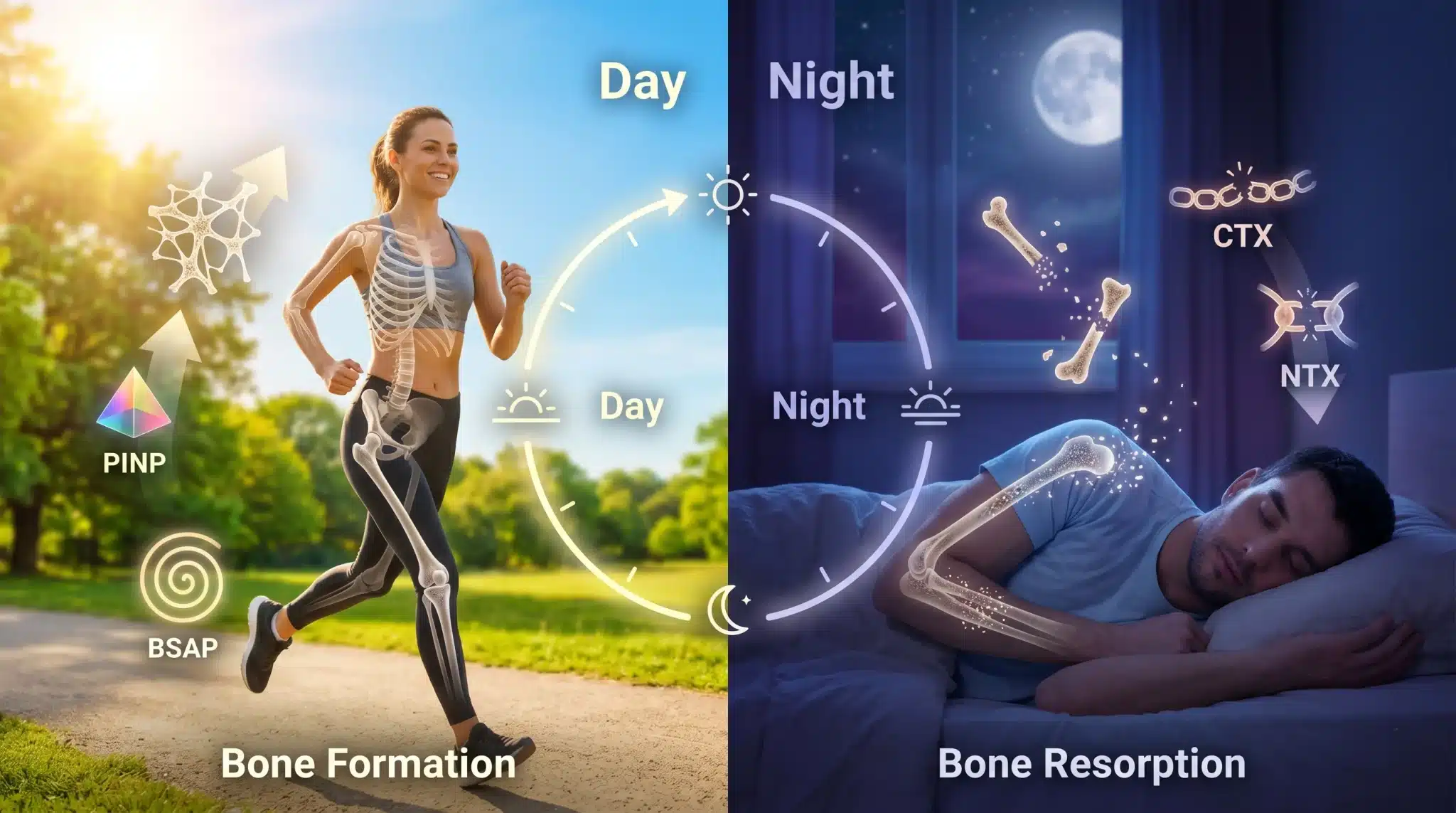
Circadian Rhythms and Bone Turnover: Why Your Internal Clock Matters for Skeletal Health
The human body is governed by a sophisticated, internal 24-hour timekeeping system known as the circadian rhythm. While most people associate this biological clock with sleep and wakefulness, it also dictates critical physiological processes at a cellular level, including the continuous remodeling of bone tissue. Emerging
Learn More
The Gut-Bone Axis: How Microbiota Influence Density
The human body operates as a complex, interconnected system where disparate organs often communicate in ways that defy traditional anatomical boundaries. One of the most fascinating areas of recent medical discovery is the gut-bone axis, a bidirectional relationship linking the health of your digestive tract to
Learn More
Synergistic Lifestyle Changes for Osteoarthritis: A Comprehensive Approach to Joint Health
Osteoarthritis is a degenerative joint disease characterized by the breakdown of cartilage, leading to pain, stiffness, and reduced mobility. While the condition was historically viewed as an inevitable consequence of aging, modern medicine now understands it as a complex interplay of mechanical, metabolic, and inflammatory factors.
Learn More
The Critical Impact of Weight on Knee Cartilage Integrity
Obesity is recognized as a primary, independent risk factor for the development and progression of knee osteoarthritis (OA). While often historically viewed solely as a “wear and tear” condition caused by excess mechanical load, modern medical science now understands OA as a complex, multifactorial disease. The
Learn More
How Regular Breakfast Consumption Lowers Risk of Type 2 Diabetes and Heart Disease
Starting your day with a nutrient-dense morning meal is one of the most effective strategies for long-term health preservation. Waking up after an overnight fast requires a profound metabolic shift, and regular breakfast consumption serves as the crucial catalyst for this physiological transition. According to researchers
Learn More
How Morning Nutrition Sharpens Focus and Memory in Adults and Kids
The foundation of a highly productive day begins long before you arrive at the office or send your children to school – it starts with optimal morning nutrition. As an integrative medical doctor, I frequently observe that the quality of our first meal profoundly impacts our
Learn More
High-Protein Healthy Starts for Busy Schedules
Starting your day with a high-protein breakfast is one of the most effective strategies for maintaining metabolic health and cognitive focus. For busy professionals and parents, finding the time to prepare a nutrient-dense meal can be a challenge. Integrating high-protein breakfast options into your routine helps
Learn More
The Role of Breakfast in Athletic Recovery and Muscle Growth
For athletes and fitness enthusiasts, the morning meal is often the most critical window for optimizing physiological performance. While modern dieting trends like intermittent fasting have gained popularity, the biological imperative for muscle protein synthesis and glycogen replenishment remains paramount for those engaged in intense physical
Learn More
The Long Game: How Regular Breakfast Consumption Lowers Risk of Type 2 Diabetes and Heart Disease
Starting your day with a balanced meal is often touted as the most important habit for long-term health. While modern lifestyles often encourage intermittent fasting or skipping meals to save time, clinical evidence increasingly suggests that consistent morning nutrition plays a pivotal role in metabolic stability.
Learn More