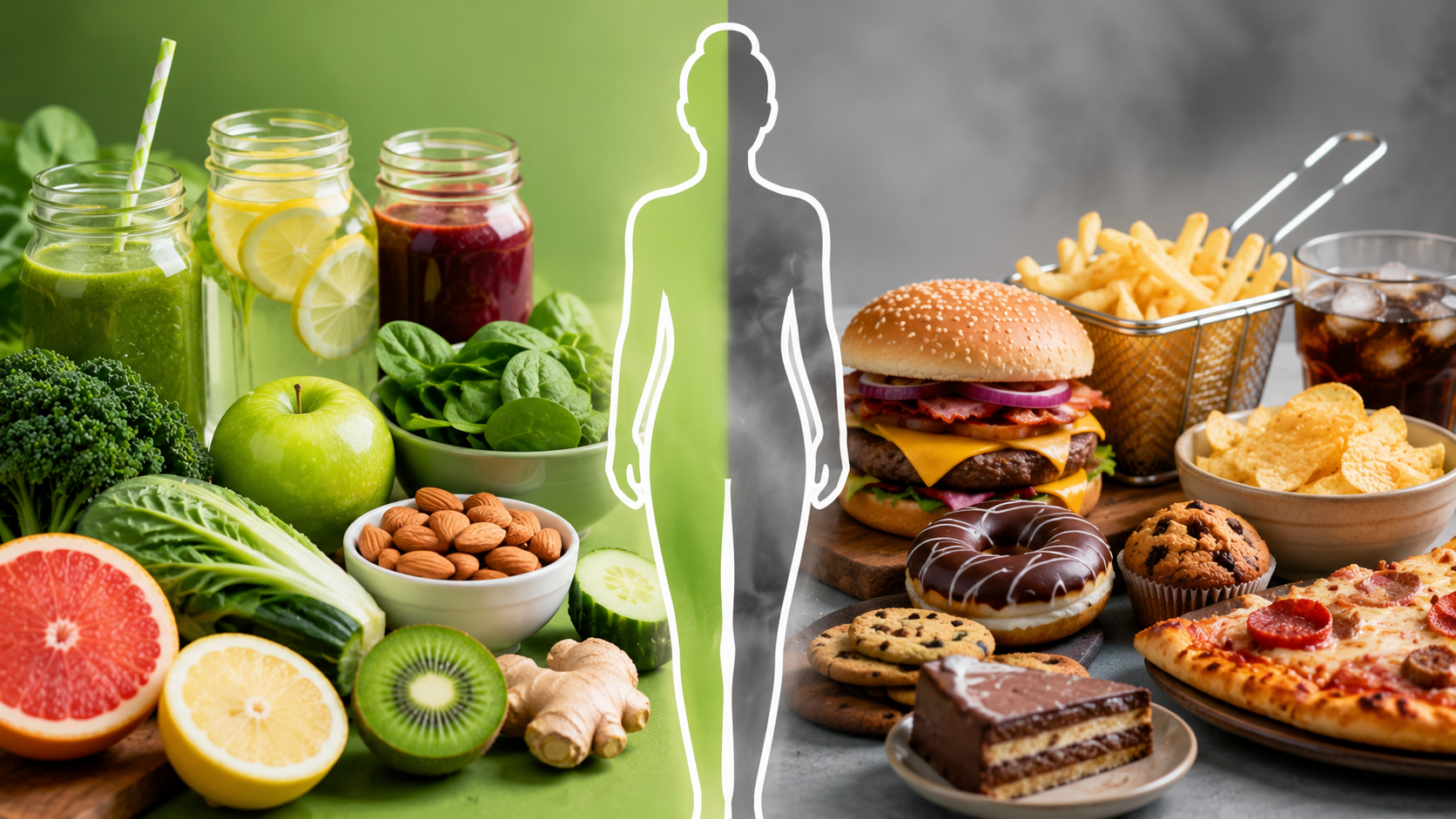
Walk into any pharmacy, scroll through any wellness account, or browse any health food store and you will encounter them everywhere: detox teas, cleanse programs, juice fasts, liver flushes, colon resets, and 3-day purge protocols promising to rid your body of accumulated toxins and restore you to some imagined pristine baseline. The market for these products runs into billions of dollars annually. And yet the fundamental question – do they actually work, and what is the difference between a detox and a cleanse anyway – rarely receives a scientifically grounded, honest answer.
This guide provides exactly that. It covers what detox and cleanse actually mean, what your body is already doing to manage toxins, what the scientific evidence says about commercial programs, which interventions have genuine biological rationale, and how to approach the concept of supporting your body’s elimination systems without falling for claims that science does not support.
Detox vs. Cleanse: Are They the Same Thing?
These terms are used interchangeably in marketing, but they carry meaningfully different implications when examined carefully.
What “Detox” Originally Means
In clinical medicine, detoxification refers to a specific, medically supervised process – the management of acute toxin exposure or withdrawal from substances like alcohol, opioids, or heavy metals. Medical detox involves real biological processes, often requires hospitalization, and addresses confirmed toxic loads measurable in blood or tissue samples. It is a serious clinical intervention, not a juice fast.
The wellness industry borrowed this term and applied it to a fundamentally different concept: the idea that the body accumulates toxins from food, environment, and lifestyle that require periodic active removal through restriction, supplementation, or special protocols. The British Dietetic Association has repeatedly stated that the idea of “detoxing” through commercial programs is not supported by credible evidence, and that the word “detox” in commercial wellness contexts is largely a marketing construct rather than a medical one.
What “Cleanse” Implies
A cleanse typically refers to a dietary protocol – often involving restricted food choices, increased liquids, specific supplements, or elimination of particular food groups – intended to “reset” the digestive system, reduce bloating, improve energy, or promote weight loss. Unlike the medical detox concept, cleanse programs do not generally claim to remove specific, named toxins. They focus more broadly on digestive system support and short-term lifestyle change.
The distinction that matters most practically: a well-designed cleanse that removes processed foods, reduces inflammatory inputs, increases hydration, and supports liver and gut function can be genuinely beneficial – not because it purges mysterious toxins, but because it improves the dietary conditions in which your body’s own elimination systems operate. The mechanism is dietary quality improvement, not toxin extraction.
Find out more about what science actually says about detox in this comprehensive clinical analysis on SVK Herbal.
Your Body Already Detoxifies 24 Hours a Day
This is the foundational fact that commercial detox marketing systematically obscures: you do not need a program to detoxify your body because your body is already running one of the most sophisticated detoxification systems in biology, continuously, without any external help.
The Liver – Your Primary Detoxification Organ
The liver performs over 500 distinct metabolic functions, with detoxification being among the most critical. It processes virtually everything that enters the bloodstream from the gut through a two-phase enzymatic process:
Phase I detoxification uses cytochrome P450 enzymes to oxidize, reduce, or hydrolyze fat-soluble toxins into intermediate compounds. This phase converts lipophilic toxins into water-soluble intermediates – but crucially, these intermediates are often more reactive and potentially more damaging than the original compounds if Phase II does not proceed efficiently.
Phase II detoxification conjugates these intermediates with molecules like glutathione, sulfate, or glucuronate, making them water-soluble and safely excretable through bile or urine. This two-phase process handles alcohol, drugs, metabolic waste products, environmental chemicals, and endogenous hormones – the actual “detox” that happens every moment of every day.
The best way to support this system is not a 3-day juice fast. It is consistently eating adequate protein (required for glutathione synthesis), consuming cruciferous vegetables (which upregulate Phase II enzymes), limiting alcohol (which competes for the same enzymatic resources), and avoiding hepatotoxic substances. Find out more about autophagy and cellular renewal as the body’s natural cleansing process in this SVK Herbal clinical overview.
The Kidneys – Continuous Fluid Filtration
The kidneys filter approximately 200 liters of blood every 24 hours, selectively retaining what the body needs and excreting metabolic waste, excess electrolytes, and water-soluble toxins in urine. They process urea, creatinine, uric acid, and hundreds of other metabolic byproducts continuously. Adequate hydration supports kidney filtration efficiency – this is the genuine physiological mechanism behind the “drink more water” advice that underpins many cleanse programs.
The Gut – The First Line of Defense
The intestinal epithelium – a single layer of cells covering approximately 400 square meters – is the primary barrier preventing unabsorbed toxins, bacteria, and large molecules from entering the bloodstream. The gut microbiome plays an active role in metabolizing certain toxins and producing protective compounds including short-chain fatty acids that strengthen the intestinal barrier. A diverse, fiber-rich diet supports the microbial diversity that optimizes this gut barrier function – which is the actual biological mechanism behind the improved digestion people report after elimination diets that increase vegetable intake.
The Lungs, Skin, and Lymphatic System
Exhalation eliminates carbon dioxide and volatile organic compounds. Sweating excretes small amounts of heavy metals and other substances through skin. The lymphatic system drains cellular waste from tissues to the bloodstream for processing. These systems do not require activation through commercial programs – they require adequate sleep, hydration, and physical activity.
The Problem With Commercial Detox Programs
What the Research Actually Finds
A systematic review published in the Journal of Human Nutrition and Dietetics found no convincing evidence that detox diets remove toxins from the body or improve health. Researchers found that no clinical trials had adequately tested commercial detox diets in humans, and that the toxins these programs claim to remove are rarely identified or measured before and after the intervention.
The short-term weight loss many people experience on juice fasts and cleanse protocols reflects water loss and glycogen depletion – not fat loss or toxin removal. A juice fast that eliminates carbohydrates depletes glycogen stores within 24-48 hours, causing the body to release the water molecules bound to glycogen (approximately 3g of water per gram of glycogen). The 2-4 kg of weight lost in the first 48 hours of a juice fast is almost entirely water weight that returns within days of resuming normal eating.
The Risks of Extreme Detox Programs
Not all detox approaches are benign. Specific protocols carry documented risks:
Juice-only fasts: The FDA has issued warnings about detox and weight loss products and extreme juice fasts risk hypoglycemia, electrolyte imbalance (hyponatremia and hypokalemia have both been documented from juice fasting), muscle protein catabolism (inadequate protein intake causes the body to break down muscle for gluconeogenesis), and cardiovascular stress.
Laxative-based cleanses: Colon cleansing with laxatives or enemas disrupts the gut microbiome, flushes beneficial bacteria along with waste, and can cause dangerous electrolyte disturbances. The colon does not accumulate “toxins” in the way these programs imply – it is continuously self-clearing through normal peristalsis.
Excessive green juice protocols: Overdosing on raw spinach and beet greens can load the kidneys with oxalates, increasing kidney stone risk – particularly in people with a history of calcium oxalate stones.
Metabolic slowdown: Severe calorie restriction – below 800 calories per day, common in juice cleanses – triggers adaptive thermogenesis, downregulating basal metabolic rate. The result is the rebound weight gain that follows most extreme programs.
What Actually Works: Evidence-Based Support for Your Body’s Own Systems
The conclusion that commercial detox programs lack scientific support does not mean there is nothing meaningful you can do to support your body’s elimination systems. It means the approach should be grounded in physiology rather than marketing.
Dietary Foundations That Support Liver Detoxification
Cruciferous vegetables: Broccoli, cauliflower, Brussels sprouts, and kale contain glucosinolates that upregulate Phase II detoxification enzymes – particularly glutathione S-transferase – which are directly responsible for conjugating and neutralizing harmful compounds. This is real, documented biochemistry. Eating cruciferous vegetables daily provides genuine liver enzyme support that no expensive program can replicate.
Adequate protein: Glutathione – the liver’s primary antioxidant and conjugation molecule – is a tripeptide synthesized from cysteine, glycine, and glutamate. Adequate dietary protein provides the amino acid substrates for glutathione synthesis. Ironically, juice fasts that dramatically reduce protein intake impair the body’s own detoxification capacity by limiting glutathione production.
Polyphenol-rich foods: Quercetin, resveratrol, curcumin, and other polyphenols from colorful plant foods induce Phase II enzymes and provide direct antioxidant protection for liver cells undergoing the oxidative stress of processing reactive Phase I intermediates.
Fiber: Dietary fiber binds bile acids, cholesterol, and some fat-soluble compounds in the intestine and carries them out in stool, reducing recirculation. This is the actual mechanism behind the “clean out the gut” benefit – fiber physically reduces enterohepatic recirculation of waste products.
Hydration: The kidneys require adequate fluid for efficient filtration and excretion of water-soluble waste. The classical recommendation of 2-2.5 liters of water daily supports optimal urinary excretion of metabolic waste without the gimmickry of expensive “detox water” products.
Herbs With Genuine Liver-Supportive Evidence
Traditional medicine systems – including Vietnamese herbal medicine, Traditional Chinese Medicine, and Ayurveda – have long identified specific plants that support liver function, bile flow, and hepatocellular health. Modern pharmacology is increasingly validating these observations.
Milk Thistle (Silymarin): The most extensively researched hepatoprotective herb, with silymarin’s mechanisms including antioxidant protection of hepatocytes, anti-inflammatory activity, inhibition of lipid peroxidation in liver cell membranes, and promotion of hepatocyte regeneration. Silymarin is used clinically in several European countries for liver disease. It is one of the few “liver support” ingredients with genuine randomized controlled trial evidence.
Dandelion Root (Taraxacum officinale): Dandelion root stimulates bile secretion and flow – supporting the transport of Phase II conjugates out of the liver and into the small intestine for excretion. It also provides prebiotic inulin that supports gut microbiome diversity. Find out more about dandelion root and natural liver detoxification herbs in Lanui’s comprehensive guide to hepatoprotective Vietnamese herbs.
Kim Ngân Hoa (Honeysuckle – Lonicera japonica): A cornerstone herb in Vietnamese traditional medicine for clearing “heat” and “toxins” – concepts that correspond functionally to inflammatory load and endogenous metabolic waste. Chlorogenic acid and luteolin in honeysuckle have documented anti-inflammatory and antiviral activity, reducing the hepatic inflammatory burden that impairs optimal liver function.
Cỏ Mực (False Daisy – Eclipta prostrata): Cỏ mực has documented hepatoprotective and antifibrotic properties, protecting liver cells from oxidative damage and supporting regeneration in damaged hepatic tissue. Widely used in Vietnamese herbal practice for liver conditions, its wedelolactone content has been validated for anti-hepatotoxic activity in modern research.
Artichoke Leaf (Cynara scolymus): Artichoke leaf extract increases bile acid synthesis and secretion, directly supporting the biliary elimination of fat-soluble waste products. Clinical trials show meaningful improvements in liver enzymes (ALT, AST) with consistent artichoke extract use.
Ginger (Zingiber officinale): Ginger’s gingerols and shogaols provide direct anti-inflammatory and antioxidant protection for liver tissue while also stimulating digestive secretions that support waste elimination through the gastrointestinal tract. Its COX-2 inhibitory activity reduces hepatic inflammatory load. Find out more about ginger extract’s documented mechanisms for liver and digestive health in this SVK Herbal ingredient guide.
Lanui Cleanse – viên uống and Lanui Cleanse – trà thảo dược combine kim ngân hoa, cỏ mực, bồ công anh and complementary Vietnamese herbal botanicals in a formulation specifically designed to support liver function, kidney filtration, and digestive balance – not by purging toxins, but by reinforcing the body’s own elimination pathways through botanicals with documented hepatoprotective and anti-inflammatory mechanisms.
Designing a Genuine, Science-Based Cleanse
If you want to genuinely support your body’s elimination systems – without the pseudoscience and without the risks of extreme protocols – here is what that actually looks like.
The 7-Day Real-Food Reset
This is not a juice fast. It is a structured dietary quality improvement that removes the inputs that burden liver and gut function and maximizes the inputs that support them.
Remove:
- Alcohol (the single most hepatotoxic dietary substance)
- Ultra-processed foods and seed oils driving hepatic lipid accumulation
- Added sugars that promote fatty liver through fructose-driven de novo lipogenesis
- Unnecessary medications and supplements (discuss with your doctor first)
- Excessive caffeine that stresses adrenal and liver function
Add:
- 2-3 servings of cruciferous vegetables daily (broccoli, cauliflower, kale, Brussels sprouts)
- Adequate protein at every meal – eggs, fish, legumes, poultry – minimum 1.2g per kg body weight
- High-fiber foods: oats, lentils, beans, apples, leafy greens
- Colorful polyphenol-rich vegetables and berries
- 2.5-3 liters of water daily
- Quality sleep of 7-9 hours – during sleep, the glymphatic system in the brain conducts its own “cleansing” of neural waste products
Support:
- Herbal liver teas: dandelion root, milk thistle, or Vietnamese herbal blends like Lanui Cleanse trà thảo dược
- Probiotic foods: sữa chua, kimchi, miso – supporting the gut microbiome that processes and eliminates many metabolic waste products
- Light daily movement: walking 30 minutes daily stimulates lymphatic flow, improves hepatic blood flow, and reduces hepatic fat accumulation
What the Real Benefits Look Like
People who follow a protocol like this consistently report:
- Reduced bloating and improved digestive regularity (from increased fiber and reduced processed food)
- Improved energy levels (from reduced inflammatory food inputs and improved sleep)
- Clearer skin (from reduced dietary sugar and improved gut health)
- Weight loss (from reduced caloric density and improved insulin sensitivity)
- Better mood and mental clarity (from reduced neuroinflammation and improved gut-brain signaling)
These benefits are real. Their mechanism is not “toxin removal” – it is dietary quality improvement operating through well-understood physiological pathways.
Reading Commercial Detox Products: A Practical Guide
Not all commercial products are equal. Here is how to evaluate what you encounter:
Green flags:
- Lists specific, named botanical ingredients with evidence for liver or kidney support (milk thistle, dandelion root, artichoke, burdock)
- Makes modest, physiologically grounded claims about supporting organ function rather than “removing toxins”
- Designed for gradual, sustained use alongside normal eating rather than as a replacement for food
- Manufactured by companies that can cite specific clinical evidence for their formulations
- Available in established health food channels with transparent ingredient disclosure
Red flags:
- Claims to “remove toxins” without naming specific toxins or providing pre/post measurement methodology
- Relies primarily on laxative herbs (senna, cascara) rather than hepatoprotective botanicals
- Promises rapid weight loss (more than 0.5-1kg per week of genuine fat loss is biologically impossible)
- Promotes complete food replacement with liquid products for periods beyond 24-48 hours
- Includes proprietary blends that obscure individual ingredient doses
- Uses before-and-after testimonials as primary evidence
The SVK Herbal guide on what science really says about detox provides a detailed framework for evaluating commercial claims against biological reality.
The Autophagy Connection: Cellular Cleansing That Actually Happens
One form of genuine cellular “cleansing” has solid scientific evidence: autophagy. Autophagy is the process by which cells break down and recycle damaged proteins, organelles, and cellular debris – a genuine intracellular quality control mechanism that reduces the risk of cancer, neurodegeneration, and aging-related cellular dysfunction.
Autophagy is activated by caloric restriction, exercise, and time-restricted eating – not by any commercial “detox” product. Certain plant compounds including spermidine (found in wheat germ, soybeans, and aged cheese), resveratrol, and EGCG from green tea have documented autophagy-inducing properties. This represents real cellular renewal – and it happens best when the body is in a fasted or calorically restricted state, not when it is consuming large volumes of juice.
Final Thoughts: Support the System That Already Exists
The human body contains one of the most sophisticated waste management and toxin elimination systems that biology has ever produced. The liver, kidneys, gut, lungs, lymph, and skin work continuously, without rest, processing and eliminating the metabolic waste that normal cellular function generates alongside the environmental exposures that modern life delivers.
What these systems need is not a 3-day juice fast that starves them of protein and disrupts their electrolyte balance. They need consistent support: adequate nutrition, quality sleep, daily movement, minimal alcohol, reduced ultra-processed food input, and – where appropriate – the targeted use of hepatoprotective botanical ingredients with genuine clinical evidence.
The honest conclusion about detox versus cleanse: the detox concept as marketed is largely unsupported by evidence. A well-designed cleanse, understood as a short-term period of dramatically improved dietary quality combined with genuine botanical liver and gut support, can be genuinely beneficial – not because it removes imaginary toxins, but because removing the inputs that burden your elimination systems and adding the inputs that support them allows those systems to function closer to their optimal capacity.
That is not magic. It is just good biology.
For more expert guidance on liver health, gut support, and natural approaches to metabolic wellness, explore Lanui’s comprehensive herbal guide library.
This article is for educational and informational purposes only and does not constitute medical advice. If you have a diagnosed liver condition, kidney disease, or are taking prescription medications, consult a qualified healthcare provider before beginning any cleanse or detoxification protocol.
Frequently Asked Questions (FAQs)
Your body detoxifies continuously and automatically – it does not need a commercial program to initiate the process. The liver performs over 500 metabolic functions including a two-phase enzymatic detoxification process that converts fat-soluble toxins into water-soluble compounds for excretion. The kidneys filter approximately 200 liters of blood every 24 hours. The gut microbiome processes metabolic waste along the intestinal wall. None of these systems are “turned off” and waiting for a juice fast to activate them. What a well-designed cleanse genuinely does is remove the inputs that burden these systems – alcohol, ultra-processed foods, excess sugar – while adding the inputs that support them – cruciferous vegetables, fiber, adequate protein, and hydration. The benefit is real. The mechanism is dietary quality improvement, not toxin removal. Find out more about what science actually says about detox in this SVK Herbal clinical analysis. (NIH/PMC – Hepatic Detoxification Mechanisms, 2015); (SVK Herbal – The Truth About Detox, 2026)
The short answer is no – and for specific biological reasons, not just skepticism. A systematic review found no convincing evidence that commercial detox diets remove toxins or improve health beyond the effects of general dietary improvement. The weight lost in the first 48 hours of a juice fast is almost entirely water and glycogen – not fat or toxins. More critically, juice fasts dramatically reduce protein intake, which directly impairs the liver’s ability to synthesize glutathione – the primary conjugation molecule that Phase II detoxification depends on. You are essentially starving the organ you are claiming to help. Electrolyte imbalance, muscle breakdown, and metabolic slowdown are documented risks of extended juice protocols. A genuine dietary reset – removing alcohol, processed food, and added sugar while adding cruciferous vegetables, fiber, and adequate protein – delivers real physiological benefits through mechanisms the research actually supports. The Lanui Cleanse trà thảo dược is designed around this principle: supporting the liver with botanicals while maintaining normal eating, not replacing food. (British Dietetic Association – Detox Diets Review, 2024); (NIH/PMC – Glutathione and Liver Phase II Detox, 2015); (Lanui Cleanse Trà, 2025)
Several herbs have genuine clinical evidence for hepatoprotective activity – not because they “remove toxins” but because they protect liver cells, support Phase II enzyme activity, and stimulate bile flow that carries waste out of the liver. Milk thistle’s silymarin protects hepatocytes from oxidative damage, inhibits lipid peroxidation in liver cell membranes, and promotes hepatocyte regeneration – making it the most clinically validated liver herb available, used medicinally in several European countries. Dandelion root stimulates bile secretion and provides prebiotic inulin that supports the gut microbiome’s role in waste processing. Kim ngân hoa (honeysuckle) and cỏ mực (false daisy) are cornerstone Vietnamese herbal medicine herbs with documented anti-inflammatory and hepatoprotective mechanisms. Ginger’s gingerols provide direct antioxidant protection for liver tissue and stimulate digestive secretions that support gastrointestinal elimination. Artichoke leaf increases bile acid synthesis. These are real pharmacological mechanisms – not wellness marketing. (NIH/PMC – Hepatoprotective Herbal Evidence, 2015); (Lanui – Top 9 Liver Herbs Guide, 2026); (SVK Herbal – Ginger Extract Guide, 2025)
The distinction comes down to mechanism and evidence. A genuine cleanse works by improving the dietary conditions in which your body’s own elimination systems operate – removing inputs that burden the liver and gut, and adding inputs that support their function. A marketing gimmick claims to “remove toxins” without naming specific toxins, measuring them before and after, or explaining a coherent mechanism for their removal. Specific red flags include reliance on laxative herbs like senna rather than hepatoprotective botanicals, promises of more than 0.5-1kg of genuine fat loss per week, proprietary blends that obscure ingredient doses, and complete food replacement with liquids for more than 24-48 hours. Green flags include named ingredients with documented liver or kidney-supportive mechanisms, modest physiologically grounded claims, and formulations designed for gradual sustained use alongside normal food. Autophagy – the body’s genuine cellular renewal process – is activated by caloric restriction and exercise, not by any commercial product, and represents what real “cellular cleansing” actually looks like biologically. (SVK Herbal – The Truth About Detox, 2026); (SVK Herbal – Autophagy and Cellular Health, 2026)
There is no biologically optimal “cleanse duration” because the genuine goal – consistently supporting your liver, kidneys, and gut – is not a periodic event but an ongoing practice. That said, a structured 7-day period of dramatically improved dietary quality has practical value as a reset: it breaks habitual patterns, demonstrates that certain processed foods were driving symptoms, and often produces measurable improvements in energy, digestion, and bloating within days. The liver begins responding to reduced alcohol and improved nutrition within days – liver enzyme improvements are measurable within 2-4 weeks of sustained dietary change. The “once or twice a year cleanse” model is less effective than simply maintaining the dietary habits that support elimination year-round. If a structured reset helps you return to better baseline habits, its value is behavioral as much as physiological. The most durable approach: use a defined cleanse period to establish habits – adequate vegetables, reduced alcohol, consistent hydration, quality sleep – and maintain those habits with the support of botanical formulas like Lanui Cleanse viên uống as a daily complement to a whole-food diet. (Lanui – Top 9 Liver Support Herbs, 2026); (SVK Herbal – Autophagy and Cellular Renewal, 2026); (Lanui Cleanse Viên Uống, 2025)