Kelly Clarkson credits it. Dr. Steven Gundry built a bestselling book – and a supplement empire – around it. And thousands of people online swear it fixed their bloating, cleared their brain fog, and finally made the weight come off.
The Plant Paradox Diet is one of the most polarizing dietary protocols of the past decade. Its central premise is bold: that a class of proteins called lectins – found in beans, grains, nightshade vegetables, and dozens of other foods long considered healthy – are driving obesity, autoimmune disease, leaky gut, and chronic inflammation. Eliminate lectins, the theory goes, and the weight will follow.
But does the science support it? And if people are losing weight on this diet, why are they actually losing it?
This article gives you an honest, evidence-based answer to both questions.
What Is the Plant Paradox Diet?
The Plant Paradox was introduced by Dr. Steven Gundry, a former cardiac surgeon, in his 2017 book of the same name. The core argument is that lectins – carbohydrate-binding proteins produced by plants as a natural defense mechanism against predators – cause damage to the intestinal lining, trigger systemic inflammation, and promote weight gain in humans.
Gundry identifies lectins as the hidden culprit behind a wide range of conditions: obesity, type 2 diabetes, autoimmune diseases, heart disease, leaky gut syndrome, and even neurodegenerative conditions. His solution is a comprehensive lectin-avoidance protocol that eliminates a substantial portion of the modern food supply.
Foods excluded on the Plant Paradox Diet include:
- All grains and pseudo-grains – wheat, corn, rice, quinoa, oats, barley, and rye
- All legumes – beans, lentils, peas, peanuts, soybeans, and tofu
- Nightshade vegetables – tomatoes, peppers, eggplant, potatoes, and chili
- Most dairy products – particularly A1 casein milk from conventional cows
- Most fruit – particularly out-of-season fruit and high-sugar varieties
- Certain nuts and seeds – cashews, peanuts, sunflower seeds, and pumpkin seeds
- Conventionally raised meats – Gundry advocates pasture-raised and wild-caught sources only
Foods permitted include:
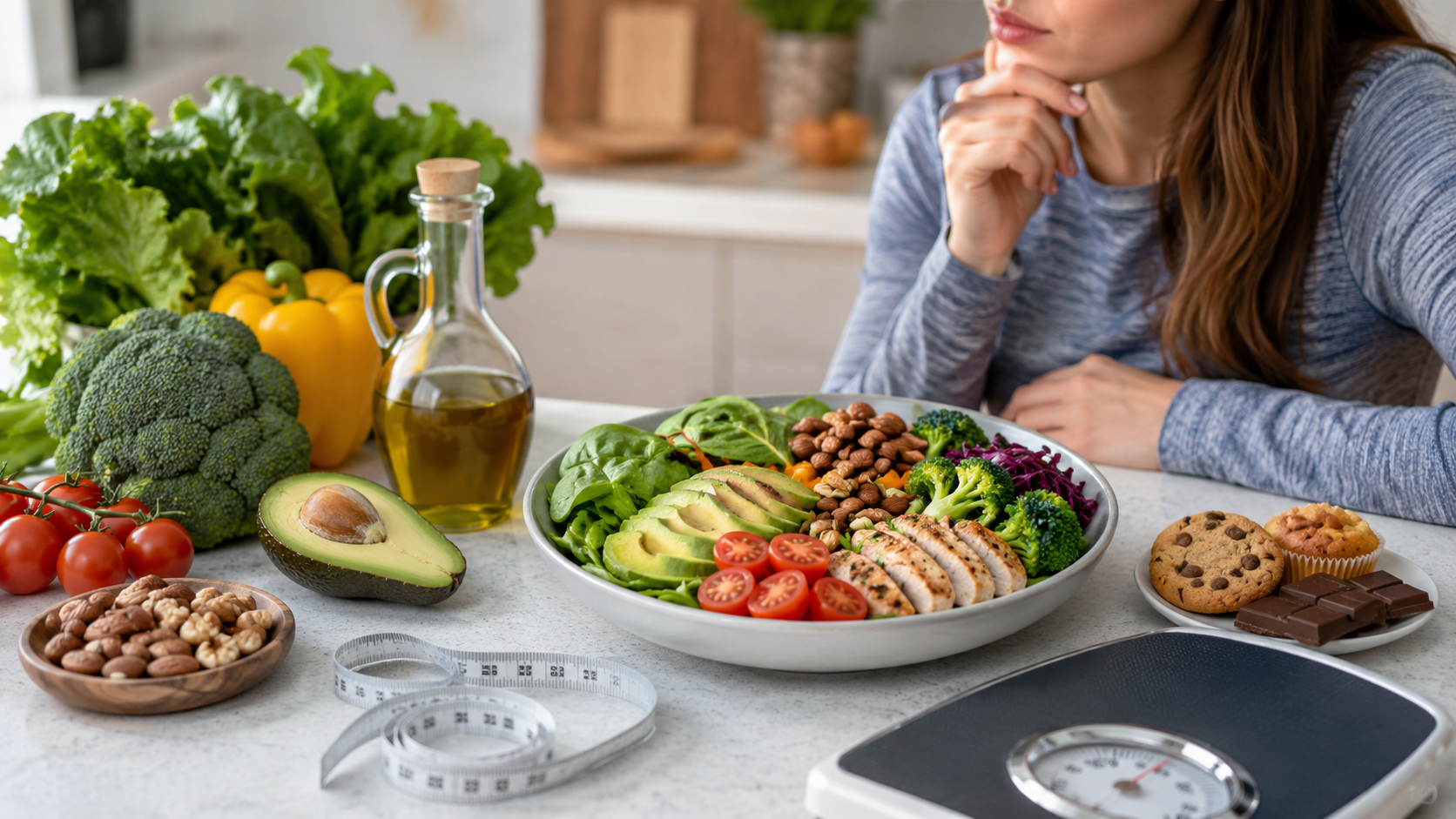
- Leafy greens and cruciferous vegetables – kale, arugula, broccoli, cauliflower, Brussels sprouts
- Avocado, olive oil, and other healthy fats
- Pasture-raised poultry and wild-caught fish
- A2 dairy – goat, sheep, or buffalo milk products
- In-season, low-sugar fruits – berries and green bananas
- Specific nuts – macadamia, pistachios, walnuts, and hazelnuts
- Resistant starches – cooked and cooled sweet potato, sorghum, and millet
The protocol also recommends intermittent fasting, pressure-cooking high-lectin foods when they are consumed, and a significant supplement regimen.
What Are Lectins – and Are They Really Dangerous?
To evaluate the Plant Paradox’s central claim, it is necessary to understand what lectins actually are and what the current scientific evidence says about them.
Lectins are carbohydrate-binding proteins found in virtually all living organisms – not just plants. In humans, they play critical roles in cell adhesion, immune recognition, and innate immune defense against pathogens. In plants, they function as a defense mechanism against insects and other predators.
The critical question is whether dietary lectins – consumed in cooked food at normal quantities – cause harm in humans. The evidence here diverges significantly from Gundry’s claims.
A 2024 peer-reviewed review published in Heliyon examined the immunomodulatory effects of dietary lectins from plants and mushrooms. Its conclusion was nuanced: some lectins – particularly phytohemagglutinin (PHA) from raw kidney beans – can cause significant gastrointestinal harm. But many others have anti-inflammatory and even anti-cancer properties. Lectins from butterfly peas and pink bauhinia, for example, showed immunomodulatory effects that could bolster immune responses rather than damage them. The review’s fundamental conclusion was that lectin biology is far too complex and context-dependent to support a blanket elimination protocol.
The key practical point that the Plant Paradox glosses over is that cooking dramatically reduces or eliminates lectin activity in virtually all commonly consumed high-lectin foods. Raw kidney beans are indeed toxic – and have been documented causing acute food poisoning. But boiled kidney beans are not. The lectins are denatured by heat. Soaking, sprouting, fermenting, and pressure-cooking all achieve similar results to different degrees. Populations across Asia, India, and the Mediterranean have thrived for generations on diets built around legumes, whole grains, and nightshade vegetables – all foods condemned by the Plant Paradox – without the chronic disease epidemic the theory would predict.
Science-Based Medicine, Red Pen Reviews, and the majority of academic nutrition researchers have concluded that Gundry’s claims are supported by anecdote and extrapolation from animal and in-vitro studies rather than controlled human clinical trials. To date, no published randomized controlled trial has specifically tested the Plant Paradox protocol against a control diet in humans. Find out more about how oxidative stress and inflammation drive chronic disease risk in this article on SVKHerbal.
So Why Do Some People Lose Weight on This Diet?
This is the genuinely interesting question – and the honest answer is that people do lose weight on the Plant Paradox Diet. But the mechanism is almost certainly not lectin elimination. It is the downstream effect of the foods and habits the protocol enforces.
Elimination of Ultra-Processed Foods
The single biggest driver of weight loss on the Plant Paradox Diet is the complete removal of ultra-processed foods from the diet. Chips, crackers, breakfast cereals, processed bread, packaged snacks, fast food – all are excluded. These foods are hyperpalatable, calorie-dense, and engineered to override satiety signals. Removing them reduces caloric intake significantly and almost automatically. This effect has nothing to do with lectins.
Dramatic Reduction in Refined Carbohydrates
By eliminating grains, most legumes, and most fruit, the Plant Paradox Diet functions as a moderate-to-low carbohydrate protocol. Reducing refined carbohydrates stabilizes blood sugar and insulin, reduces post-meal energy crashes, and promotes greater fat oxidation. These are well-established mechanisms for weight loss that operate entirely independently of lectin content.
Increased Vegetable and Healthy Fat Intake
The permitted food list is heavy in leafy greens, cruciferous vegetables, olive oil, and avocado – all consistent with an anti-inflammatory dietary pattern that robustly supports weight management. A 2025 meta-analysis published in Nutrients confirmed that polyphenol-rich interventions – the same polyphenols found in the vegetables and olive oil the Plant Paradox recommends – significantly improved gut microbiota composition, reduced oxidative stress biomarkers, and supported body composition improvements in overweight adults.
Intermittent Fasting
The Plant Paradox protocol incorporates intermittent fasting as a standard recommendation. The weight loss and metabolic benefits of intermittent fasting are well-documented and entirely independent of lectin content. Find out more about how intermittent fasting works and its evidence base in this article on SVKHerbal.
Elimination of Dietary Triggers in Sensitive Individuals
For a subset of people – those with irritable bowel syndrome, celiac disease, inflammatory bowel disease, or genuine food sensitivities – elimination of specific high-lectin foods may produce real symptomatic improvement. Not because lectins are universally harmful, but because these individuals have specific sensitivities that the broad elimination protocol inadvertently identifies. The improvement in digestive symptoms and the reduction in gut inflammation can itself contribute to weight loss by improving nutrient absorption, reducing systemic inflammation, and restoring hormonal signaling.
The Gut Microbiome Connection: Where the Diet Has Real Merit
Despite the weaknesses in its central lectin theory, the Plant Paradox Diet touches on a genuine and important area of emerging science: the relationship between gut health, inflammation, and weight management.
The research is clear that gut microbiome composition directly influences weight management through multiple pathways – caloric extraction efficiency, appetite hormone regulation (ghrelin and GLP-1), systemic inflammation levels, and insulin sensitivity. A diverse, healthy microbiome rich in beneficial bacteria like Bifidobacterium and Lactobacillus is consistently associated with healthier body weight and more successful weight loss.
What the Plant Paradox Diet gets right – not because of the lectin theory, but incidentally – is that it eliminates processed sugar, refined grains, and ultra-processed foods that drive gut dysbiosis and systemic inflammation, while emphasizing vegetables, olive oil, and fermented foods (Gundry recommends these) that support microbiome diversity and gut lining integrity.
What it gets wrong is eliminating legumes, whole grains, and diverse fruits – which are among the most evidence-supported food categories for gut microbiome health, weight management, and chronic disease prevention. These foods provide fermentable fiber that feeds beneficial bacteria and generates short-chain fatty acids (SCFAs) like butyrate – among the most important compounds for gut lining integrity and anti-inflammatory immune signaling. Eliminating them in the name of lectin avoidance removes the very substrates that a healthy gut microbiome depends on.
Find out more about the connection between oxidative stress, gut health, and chronic disease in this in-depth article on SVKHerbal.
The Real Risks and Limitations of the Plant Paradox Diet
The Cleveland Clinic notes that the Plant Paradox Diet is “excessively restrictive” and bans many nutritious foods without evidence that lectin content specifically is harmful. Several practical and nutritional concerns deserve consideration.
Nutritional Completeness
Eliminating legumes, whole grains, and most fruit creates meaningful nutritional gaps – particularly in dietary fiber, resistant starch, folate, magnesium, zinc, and plant-based protein. These are nutrients critical for gut health, hormonal balance, cardiovascular function, and metabolic regulation. The diet recommends supplementation to compensate – but supplementation is a poor substitute for the complex nutritional matrix of whole foods. Find out more about protein deficiency and its impact on health in this article on SVKHerbal.
Sustainability and Practicality
The Plant Paradox Diet is one of the most socially and practically restrictive dietary protocols available. Eating out, traveling, attending social events, or cooking for a family on this protocol is genuinely difficult. Dietary patterns that cannot be maintained over the long term are inherently limited as weight management strategies regardless of their short-term efficacy.
Cost
Pasture-raised meats, wild-caught fish, A2 dairy, macadamia nuts, and the extensive supplement protocol Gundry recommends are all significantly more expensive than standard food options. This makes the diet inaccessible to a large proportion of the population who might genuinely benefit from dietary improvement.
Missing the Evidence-Based Context
The foods the Plant Paradox eliminates – legumes, whole grains, nightshade vegetables – are consistently among the most robustly supported dietary components for longevity and health in the peer-reviewed literature. The Mediterranean diet and the DASH diet – two of the most evidence-backed dietary patterns for weight management and disease prevention – include many of the exact foods the Plant Paradox eliminates. Blue Zone populations around the world – those with the highest longevity rates – consistently eat large amounts of legumes.
The Supplement Business
It is worth noting that Dr. Gundry operates a supplement company selling products specifically marketed to “replace” the nutrients lost from lectin-containing foods. Red Pen Reviews evaluated the Plant Paradox book and rated its claims as “poorly supported by scientific evidence” – noting that the commercial incentive to supplement presents an inherent conflict of interest in the framing of the lectin theory.
What the Evidence Actually Supports for Weight Loss and Gut Health
If the goal is to lose weight while improving gut health and reducing inflammation – the stated objectives of the Plant Paradox Diet – the scientific literature points to a different, less restrictive, and more nutritionally complete approach.
The evidence-based dietary principles that drive these outcomes are:
- Eliminate ultra-processed foods – refined grains, added sugars, processed meats, and trans fats. This is where the real inflammatory dietary harm lies, and where both the Plant Paradox and the evidence agree
- Prioritize dietary fiber – from vegetables, legumes, whole grains, and fruit. Fiber feeds beneficial gut bacteria, generates anti-inflammatory SCFAs, and is the single best-supported dietary variable for gut health and weight management
- Eat abundant vegetables and polyphenol-rich foods – leafy greens, berries, olive oil, turmeric, and cruciferous vegetables. The 2025 meta-analysis confirmed polyphenol-rich diets significantly reduce gut inflammation and support body composition
- Include fermented foods – yogurt, kefir, kimchi, sauerkraut, and kombucha introduce beneficial bacteria and support microbiome diversity
- Ensure adequate protein – for satiety, lean muscle preservation during weight loss, and neurotransmitter synthesis. Find out more about protein deficiency symptoms on SVKHerbal
- Reduce refined carbohydrates – not all carbohydrates, but refined, high-GI sources that drive blood sugar instability and fat storage
- Manage oxidative stress – through antioxidant-rich foods, adequate sleep, regular movement, and stress management
This is essentially a Mediterranean-style anti-inflammatory dietary pattern – and it produces the same outcomes as the Plant Paradox Diet (weight loss, reduced inflammation, improved gut health) without the nutritional trade-offs, the social restrictions, or the pseudoscientific lectin theory as its justification.
Herbal Support for Gut Health and Weight Management
Traditional herbal medicine has documented tools for gut health and metabolic support that now have modern scientific validation – offering complementary support to a whole-food, anti-inflammatory diet.
- Ginger extract – reduces gut inflammation, improves gastric motility, and has anti-nausea properties. Ginger’s gingerols and shogaols inhibit pro-inflammatory cytokines in the gut lining – directly relevant to the intestinal permeability concerns that underpin the Plant Paradox rationale
- Lion’s Mane mushroom – contains beta-glucan polysaccharides that act as prebiotics, feeding beneficial gut bacteria. Research shows Lion’s Mane supports gut lining integrity and modulates gut immunity
- Hydroxytyrosol from olive polyphenols – one of the most potent plant antioxidants known, directly reducing gut oxidative stress and supporting endothelial and metabolic health
- Curcumin (turmeric extract) – among the most studied plant anti-inflammatories. Curcumin inhibits NF-kB signaling, reduces intestinal permeability markers, and supports gut microbiome diversity
- Omega-3 fatty acids from algal DHA and EPA – reduce systemic inflammation, support gut lining integrity, and improve the Firmicutes to Bacteroidetes ratio associated with healthy weight
These ingredients – incorporated into daily use alongside a whole-food dietary pattern – address the gut health and anti-inflammatory goals of the Plant Paradox Diet through mechanisms that are actually well-supported by the clinical literature.
The Naturem™ range from SVKHerbal is formulated around many of these evidence-based botanical ingredients, providing targeted support for metabolic health, gut integrity, and anti-inflammatory function as a complement to sound dietary habits.
Who Might Benefit – and Who Should Avoid It
Despite its scientific weaknesses, the Plant Paradox Diet is not without value for specific populations.
People who may genuinely benefit:
- Those with autoimmune conditions or confirmed food sensitivities who have not improved on standard dietary advice
- People with irritable bowel syndrome who find symptom improvement with reduced grain and legume intake – the low-FODMAP overlap may explain some of this benefit
- Those whose primary dietary problem is heavy consumption of ultra-processed grain-based foods, who need a structured framework for elimination
People who should approach it with caution or avoid it:
- Those with a history of eating disorders – the extreme restriction and long forbidden food lists can be psychologically harmful
- Vegetarians and vegans – eliminating legumes, tofu, and most grains removes the primary protein and iron sources for plant-based diets, creating serious nutritional risk
- Pregnant or breastfeeding women – the nutritional restrictions are inappropriate for elevated nutritional demands
- People with limited food budgets – the diet is disproportionately expensive to follow correctly
The Bottom Line: Does the Plant Paradox Diet Work for Weight Loss?
Yes – but not because of lectins.
People lose weight on the Plant Paradox Diet for the same reasons they lose weight on most restrictive dietary protocols: they eliminate ultra-processed foods, reduce refined carbohydrate intake, increase vegetable consumption, and eat more mindfully. These are powerful interventions that work regardless of the theoretical framework used to justify them.
The lectin theory itself is not supported by controlled human clinical trials. Cooking neutralizes the vast majority of dietary lectins. The foods eliminated by the Plant Paradox – legumes, whole grains, nightshade vegetables – are among the most evidence-supported components of a health-promoting diet. Eliminating them to avoid lectins creates nutritional trade-offs that the clinical evidence does not justify.
For sustainable weight loss and genuine gut health improvement, a whole-food, anti-inflammatory dietary pattern – rich in vegetables, legumes, whole grains, fermented foods, healthy fats, and adequate protein – achieves the same outcomes without the restrictions, nutritional gaps, or pseudoscientific framework. Supported by evidence-based herbal and botanical ingredients that address gut health and metabolic function, this approach represents a more scientifically grounded – and more sustainable – path to the outcomes the Plant Paradox promises.
This article is for informational purposes only and does not constitute medical advice. If you are considering a major dietary change, particularly if you have existing health conditions, please consult a qualified healthcare professional or registered dietitian.
Frequently Asked Questions (FAQs)
Are lectins actually dangerous?
Not in the way the Plant Paradox claims. Lectins are carbohydrate-binding proteins found in virtually all foods – not just plants – and they play critical roles in human immune defense and cell recognition. Raw kidney beans are genuinely toxic due to extremely high lectin content, but cooking neutralizes this entirely. A 2024 peer-reviewed review in Heliyon concluded that lectin biology is far too complex and context-dependent to justify blanket avoidance – with many dietary lectins showing anti-inflammatory and even anti-cancer properties. No controlled human clinical trial has demonstrated that consuming cooked, commonly eaten high-lectin foods causes harm in healthy individuals. (Nasir et al., 2024)
Why do people actually lose weight on the Plant Paradox Diet?
Not because of lectin elimination. The diet works – when it does – because it eliminates ultra-processed foods, refined grains, and added sugars – the primary dietary drivers of weight gain and systemic inflammation. It also functions as a moderate low-carbohydrate protocol, increases vegetable intake dramatically, and incorporates intermittent fasting – all of which are independently evidence-supported for weight loss. Cleveland Clinic dietitian Dana Bander puts it plainly: the diet works for some people, but the lectin theory is not why. (Cleveland Clinic, 2025)
Is the Plant Paradox Diet supported by clinical research?
No – not at the level its claims require. Dr. Gundry’s evidence base consists primarily of anecdotal patient case reports from his own clinic, without control groups for comparison. Red Pen Reviews – which evaluates diet books against peer-reviewed literature – rated the Plant Paradox’s strong claims as “poorly supported by scientific evidence.” No published randomized controlled trial has specifically tested lectin avoidance against a control diet in humans. Science-Based Medicine concluded that most of what Gundry claims is demonstrably wrong and that there is no science-based reason to avoid lectins in cooked food at normal dietary quantities. (Red Pen Reviews, 2025)
Who might genuinely benefit from the Plant Paradox Diet?
A subset of people with specific digestive sensitivities may benefit – but not because lectins are universally harmful. Those with irritable bowel syndrome, confirmed food sensitivities, or autoimmune conditions sometimes improve on broad elimination diets because the protocol inadvertently identifies their personal triggers. The benefit also overlaps with low-FODMAP principles for IBS sufferers – legumes and certain grains are high-FODMAP foods that cause bloating in sensitive individuals. For most healthy people, eliminating these foods provides no additional benefit over a standard whole-food, anti-inflammatory dietary pattern – and removes some of the most nutritious foods available. (Healthline, 2023)
What is a better evidence-based alternative to the Plant Paradox Diet?
An anti-inflammatory, whole-food dietary pattern – similar to the Mediterranean diet – produces the same weight loss and gut health outcomes without the restrictions or nutritional gaps. This means eliminating ultra-processed foods, added sugars, and refined grains while keeping legumes, whole grains, nightshade vegetables, and diverse fruits – all foods the Plant Paradox eliminates but that are consistently evidence-supported for longevity and metabolic health. A 2025 meta-analysis confirmed that polyphenol-rich dietary interventions – the core of a Mediterranean-style pattern – significantly improve gut microbiota composition, reduce oxidative stress, and support healthy body composition. Supported by evidence-based herbal botanicals for gut health and inflammation, this approach is more nutritionally complete, more sustainable, and better supported by the clinical literature. (González-Gómez et al., 2025)
References:
Cleveland Clinic. (2025). Plant Paradox diet: Does it work for weight loss? https://health.clevelandclinic.org/why-weight-loss-on-the-plant-paradox-diet-is-itself-a-paradox
González-Gómez, Á., Cantone, M., García-Muñoz, A. M., Victoria-Montesinos, D., Lucas-Abellán, C., Serrano-Martínez, A., Muñoz-Morillas, A. M., & Morillas-Ruiz, J. M. (2025). Effect of polyphenol-rich interventions on gut microbiota and inflammatory or oxidative stress markers in adults who are overweight or obese: A systematic review and meta-analysis. Nutrients, 17(15), 2468. https://doi.org/10.3390/nu17152468
Gundry, S. R. (2017). The plant paradox: The hidden dangers in “healthy” foods that cause disease and weight gain. Harper Wave.
Harvard T.H. Chan School of Public Health. (2024). Diet review: Anti-inflammatory diet. The Nutrition Source. https://nutritionsource.hsph.harvard.edu/healthy-weight/diet-reviews/anti-inflammatory-diet/
Harriet Hall. (2022, November 22). The Plant Paradox: Steven Gundry’s war on lectins. Science-Based Medicine. https://sciencebasedmedicine.org/the-plant-paradox-steven-gundrys-war-on-lectins/
Khanna, K., & Bishnoi, M. (2024). The plant paradox: The hidden dangers in “healthy” foods that cause disease and weight gain [Book review]. Red Pen Reviews. https://www.redpenreviews.org/reviews/the-plant-paradox-the-hidden-dangers-in-healthy-foods-that-cause-disease-and-weight-gain/
Knaul, M., & Storz, M. A. (2021). Diet-derived antioxidants and their role in inflammation, obesity and gut microbiota modulation. Antioxidants, 10(5), 708. https://doi.org/10.3390/antiox10050708
Nasir, M., Ijaz, M. U., Ayaz, M., Alamri, A. S., Alshammari, A., Alshammari, Q. A., & Afzal, U. (2024). From inflammation to immune regulation: The dual nature of dietary lectins in health and disease. Heliyon, 10(21), e39952. https://doi.org/10.1016/j.heliyon.2024.e39952
Office of Dietary Supplements, National Institutes of Health. (2024). Protein: Fact sheet for health professionals. U.S. Department of Health and Human Services. https://ods.od.nih.gov/factsheets/Protein-HealthProfessional/
Ruscio, M. (2025, July 22). Are lectins bad for you? A clinician’s perspective. Dr. Michael Ruscio DC. https://drruscio.com/are-lectins-bad-for-you/
Swaminath, S., & Bhatt, D. L. (2025). Leaky gut syndrome. Cleveland Clinic. https://my.clevelandclinic.org/health/diseases/22724-leaky-gut-syndrome
Tinsley, G. (2023, April 24). What is the plant paradox diet, and does it work? Healthline. https://www.healthline.com/nutrition/plant-paradox-diet
Wieërs, G., Belkhir, L., Enaud, R., Leclercq, S., Philippart de Foy, J. M., Dequenne, I., de Timary, P., & Cani, P. D. (2020). How microbiota influences gut health and weight management. Frontiers in Endocrinology, 11, 607854. https://doi.org/10.3389/fendo.2020.607854