
In modern life, our bodies are constantly exposed to environmental toxins, highly processed foods, and various metabolic stressors. Over time, these factors promote oxidative stress, chronic inflammation, and the buildup of metabolic waste products, placing a heavy burden on both the body and the brain. Common consequences include brain fog, persistent fatigue, and reduced concentration, leading many people to seek “detox” approaches to support brain function.
Green foods such as dark leafy vegetables, cruciferous plants, algae, and green tea are increasingly recognized as valuable allies in supporting the body’s natural detoxification processes and neurological health. They provide bioactive compounds that stimulate detoxifying enzymes, neutralize free radicals, support mitochondrial function, and help regulate inflammatory responses, thereby contributing to sustained energy levels and mental clarity.
Green Foods for Detox and Brain Health: The Science, Foods, Recipes & Safety
Systemic Detoxification: How the Body Clears Toxins
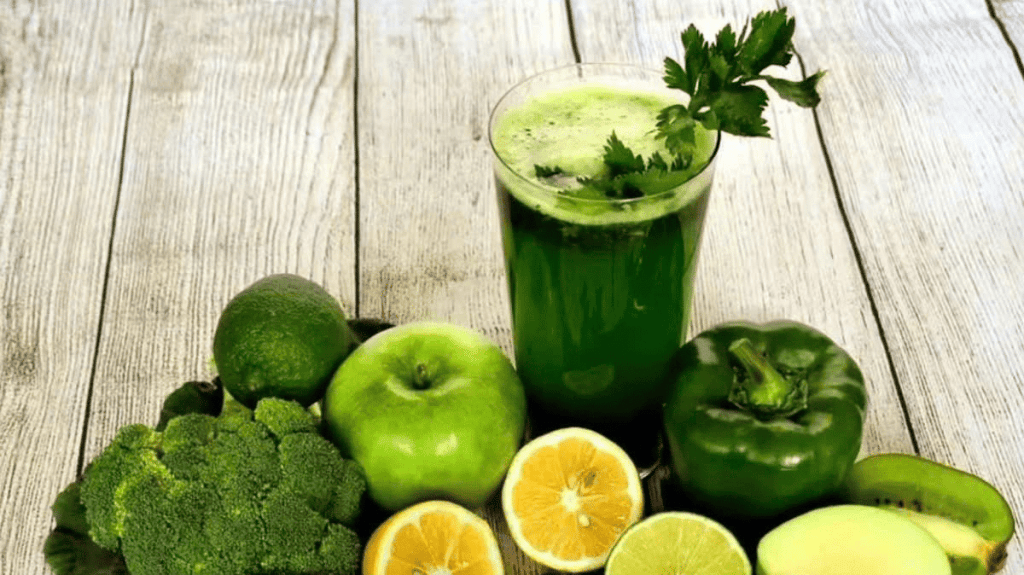
The liver serves as the body’s central detoxification hub, responsible for transforming fat-soluble toxins into water-soluble compounds that can be safely eliminated. This complex process occurs in two main phases.
Phase I (Cytochrome P450 enzymes):
Enzymes such as CYP1A2 and CYP3A4 initiate detoxification by chemically modifying toxins through oxidation or reduction. While necessary, these reactions can produce reactive oxygen species (ROS), making adequate antioxidant support essential. Nutrients commonly found in green foods, including vitamins C and E and plant polyphenols, help neutralize these reactive byproducts and protect cells from oxidative damage. (RE Hodges, 2015).
Phase II (Conjugation):
In the second phase, the liver attaches molecules such as glutathione, sulfate, or glucuronic acid to the modified toxins. This “conjugation” step renders them less harmful and facilitates their excretion through bile or urine.
Green foods play a supportive role in both phases of detoxification. Cruciferous vegetables provide sulforaphane, a compound known to activate the Nrf2 signaling pathway and enhance Phase II enzyme activity (Kaiser et al., 2021), while leafy green vegetables supply magnesium, folate, and chlorophyll-key nutrients for methylation reactions and antioxidant defense.
Beyond the liver, dietary fiber helps bind toxins in the gastrointestinal tract, and adequate hydration supports kidney function and toxin removal. Together, these interconnected systems, nourished by nutrients from green plants, strengthen the body’s natural ability to process and eliminate toxins efficiently and safely.
Learn more about How to Maintain Healthy Kidneys: Protecting the Natural Urinary Gateway
Essential Nutrients and Bioactive Compounds Found in Green Foods

Green foods are a rich source of natural bioactive compounds that work synergistically to support efficient detoxification, maintain brain health, and strengthen the body’s cellular defense systems.
Among these, sulforaphane from broccoli and other cruciferous vegetables stands out for its ability to activate detoxifying enzymes via the Nrf2 pathway, stimulate glutathione production, and reduce oxidative stress (Fahey et al.,2025).
Glutathione, the body’s most important endogenous antioxidant, plays a central role in neutralizing toxins and protecting cellular structures (Lippincott Williams & Wilkins, 2019). In addition, chlorophyll found in leafy greens helps bind and eliminate environmental toxins, reducing the detoxification burden on the liver (Sarkar et al., 1994).
Micronutrients such as folate, vitamin K, lutein, and zeaxanthin support mitochondrial function, energy metabolism, and the structural integrity of neurons, helping to slow age-related cognitive decline (E Mancini, 2017).
Catechins and L-theanine in green tea help regulate neurotransmission, enhance focus, and reduce neuroinflammation. Meanwhile, flavonoids and phenolic compounds commonly found in green vegetables improve circulation, provide antioxidant protection, and support the health of cerebral blood vessels (M Zahra, 2024).
Through the harmonious interaction of these nutrients and bioactive compounds, green foods not only promote natural detoxification but also protect the brain, enhance memory, and contribute to long-term overall health.
Find out: Food and the Brain: How Nutrition Affects Thinking Ability
Best Green Foods for Detoxification and Brain Protection
Below are the most evidence-supported green foods, why they matter, and how to include them effectively in your diet.
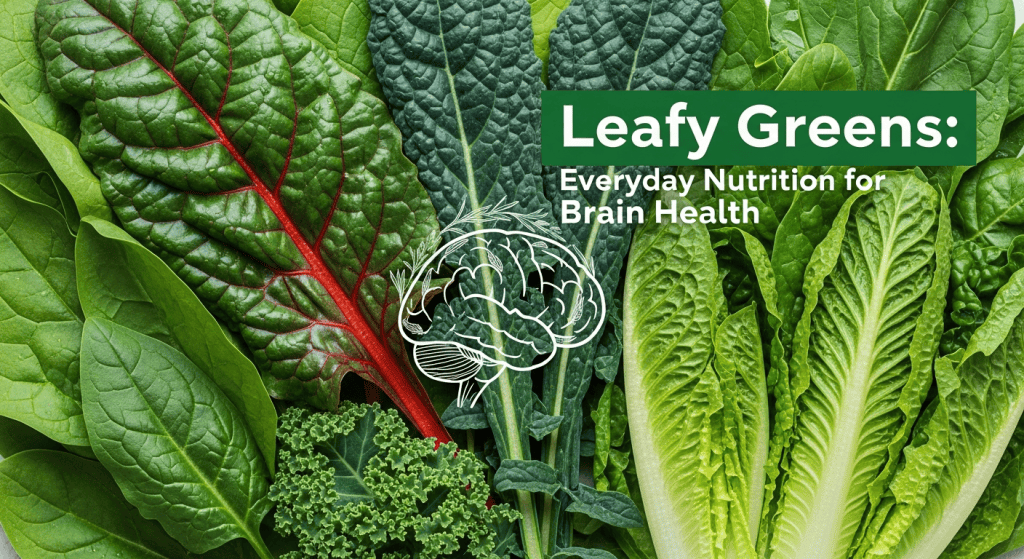
Leafy Greens: Everyday Nutrition for Brain Health
Examples: spinach, kale, collard greens, Swiss chard, arugula
Why they matter:
Leafy greens are natural nutritional powerhouses, providing folate, vitamin K, magnesium, and lutein-nutrients that are essential for energy metabolism, healthy blood flow, and the structural integrity of neurons. A longitudinal study (Morris et al., 2018) found that adults who consumed one serving of leafy greens per day experienced a significantly slower rate of cognitive decline compared with non-consumers.
How to use:
Leafy greens can be enjoyed raw in salads, lightly steamed, or blended into smoothies. Pairing them with healthy fats such as avocado or olive oil helps improve the absorption of fat-soluble compounds like lutein and vitamin K.
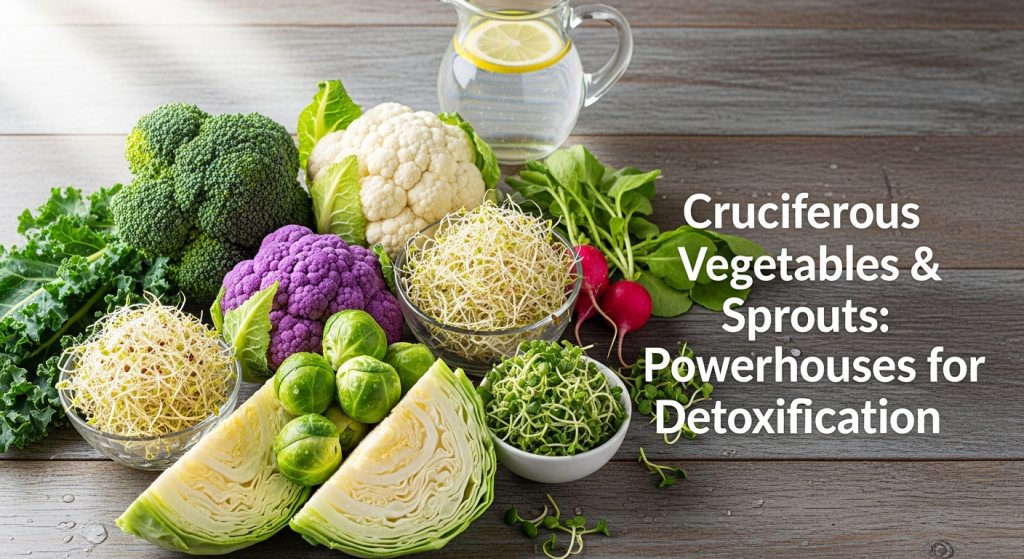
Cruciferous Vegetables & Sprouts: Powerhouses for Detoxification
Examples: broccoli, Brussels sprouts, red cabbage, cauliflower, kale, and especially broccoli sprouts
Key benefits:
Cruciferous vegetables and sprouts are rich in glucosinolates, important precursors that are converted into sulforaphane when the vegetables are chopped, crushed, or thoroughly chewed. This bioactive compound acts as a “biological switch,” activating the cellular Nrf2 system and stimulating the production of glutathione and Phase II detoxification enzymes, helping the body effectively defend against toxins and oxidative stress. (Kaiser et al., 2021).
Usage tips:
To maximize sulforaphane content, cruciferous vegetables should be lightly steamed at low temperatures or consumed raw when fresh. Combining sprouts with foods naturally high in myrosinase-such as mustard, horseradish, or radish-can further enhance sulforaphane formation, delivering greater detoxification benefits.
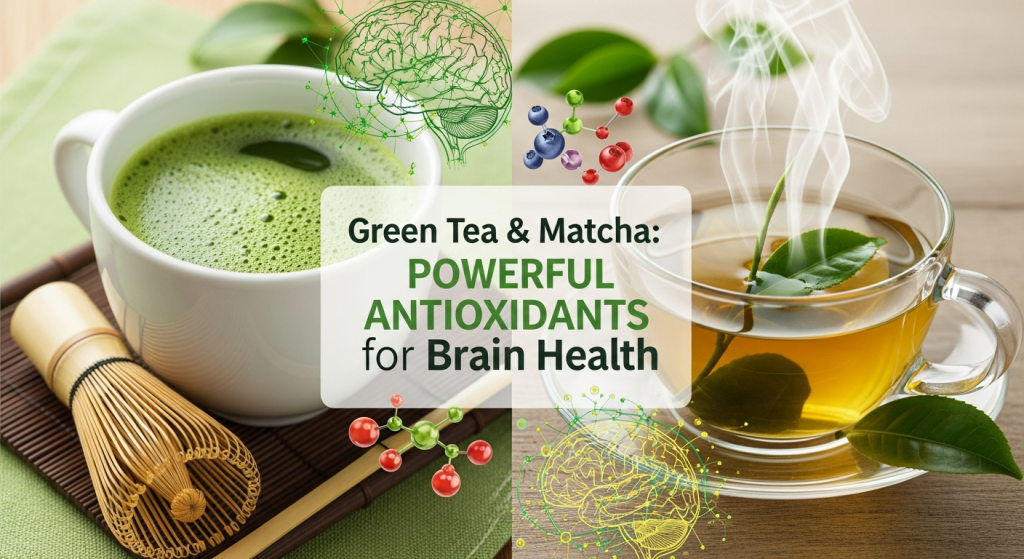
Green Tea & Matcha: Powerful Antioxidants for Brain Health
Why they matter:
Green tea contains high levels of catechins, particularly EGCG, along with L-theanine, two bioactive compounds known to cross the blood-brain barrier. Together, they help calm neuroinflammation, support balanced neurotransmitter activity, and enhance attention and mental clarity. Habitual green tea consumption has been associated with better cognitive performance, improved memory, and a reduced risk of age-related cognitive decline. (Sarah Bench, 2017).
How to use:
Green tea can be enjoyed daily, typically 1-3 cups, depending on individual sensitivity to caffeine. Matcha provides a more concentrated source of these antioxidants and can be easily added to smoothies, lattes, or functional beverages. For optimal benefits, select fresh, high-grade, and properly stored tea products to preserve their antioxidant potency.
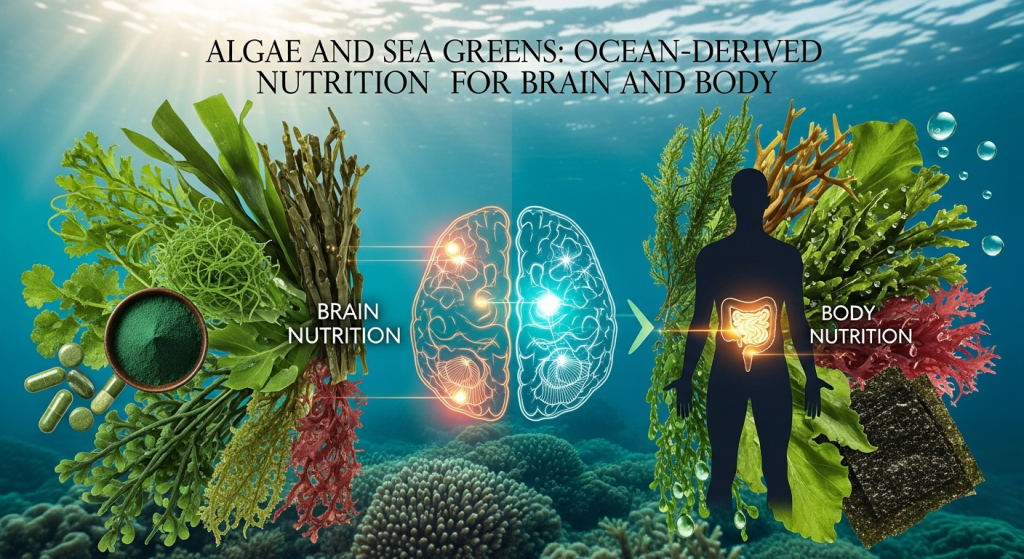
Algae and Sea Greens: Ocean-Derived Nutrition for Brain and Body
Examples: spirulina, chlorella, kelp, nori
Why they matter:
Algae and sea greens are highly concentrated sources of chlorophyll, iron, iodine, and unique marine pigments such as phycocyanin, which support antioxidant defense and natural detoxification processes. Emerging research suggests that chlorella may help bind heavy metals and promote healthy liver function, contributing to improved toxin elimination and metabolic balance. (Merino et al., 2019).
How to use:
Begin with ½ to 1 teaspoon of algae powder per day, mixed into water, juices, or smoothies. To ensure safety and effectiveness, select products that are third-party tested for purity, heavy metals, and contaminants.
Green Herbs: Gentle Support for Digestion and Detox
Examples: parsley, cilantro, basil, mint
Why they matter:
Green herbs are rich in plant polyphenols, aromatic oils, and bioactive compounds that support digestion and gentle detoxification. Herbs such as cilantro and parsley are often associated with mild detox-supportive actions and digestive harmony, while mint and basil offer soothing effects and natural antimicrobial properties that benefit gut balance.
How to use:
Incorporate fresh herbs into daily meals by adding them to salads, blending them into sauces or dressings, or infusing them in herbal water. To preserve their delicate essential oils and active compounds, herbs are best consumed fresh and uncooked.

Conclusion
A diverse selection of green foods from the land, sea, and tea provides complementary nutrients that strengthen liver function, boost antioxidant defenses, and support brain health. By rotating these green food categories each week, you can ensure a broad intake of phytochemicals, promote balanced detoxification pathways, and sustain long-term metabolic and cognitive resilience.
Natural Solutions for Mental Clarity and Emotional Stability
For individuals dealing with ongoing stress, mental exhaustion, or early cognitive changes, gentle support from targeted nutrition and botanical ingredients can work alongside a green-rich, balanced diet to promote brain health.
One example is Naturem™ Memory+, a specialized formulation designed to support healthy cerebral circulation, promote balanced neurotransmitter activity, and defend brain cells against oxidative damage-three foundational elements for sustained mental clarity, focus, and emotional resilience.

How Naturem™ Memory+ Supports Mental Wellness
Naturem™ Memory+ combines carefully selected botanical extracts and antioxidants that work synergistically to support brain health and emotional balance:
- Ginkgo biloba: Enhances cerebral blood flow, supports concentration, and helps ease feelings of anxiety.
- Polygala tenuifolia: Traditionally used to calm the mind, stabilize emotions, and support mental clarity.
- Lion’s Mane mushroom (Hericium erinaceus): Promotes neuroplasticity, supports nerve health, and contributes to balanced mood regulation.
- Hydroxytyrosol: A potent antioxidant that helps protect brain cells by reducing oxidative stress.
- Polygonum multiflorum: Commonly used in traditional practices to support the nervous system, relaxation, and healthy sleep patterns.
While not intended to replace medical treatment, Naturem™ Memory+ provides a gentle, non-invasive approach to nurturing the nervous system, supporting memory, and strengthening emotional resilience-particularly beneficial during periods of early mental fatigue or emotional burnout.
Frequently Asked Questions (FAQs)
No single food or drink can cleanse the brain instantly. However, green vegetables provide sulforaphane and chlorophyll derivatives that support detox enzyme activity over time. True brain detoxification relies on sleep, particularly deep slow-wave sleep, when the glymphatic system clears metabolic waste from neural tissue (Xie et al., 2013).
Yes. Broccoli sprouts can contain 20–50 times more glucoraphanin, the precursor to sulforaphane, than mature broccoli. This makes them especially effective for activating the Nrf2 pathway and stimulating antioxidant and detox enzymes (Kaiser et al., 2021).
For most healthy individuals, a high intake of leafy greens is safe and beneficial. Caution is mainly needed for those with thyroid disease (because of goitrogens) or who take anticoagulants (because of vitamin K). Rotate your greens and wash them well to minimize oxalate or pesticide exposure (T Truong, 2010).