
Chronic pain is commonly characterized as pain that continues or returns over a period exceeding three months, as outlined by the International Association for the Study of Pain (IASP). While acute pain serves as a short-term, protective signal of injury, chronic pain often persists independently of tissue healing, reflecting deeper changes within the nervous system.
Global health organizations recognize chronic pain as a significant public health challenge. The World Health Organization (WHO) notes that it substantially reduces functional capacity and overall well-being. In the United States alone, approximately 51.6 million adults-equivalent to 20.9% of the population-experience chronic pain, and 6.9% live with high-impact chronic pain, a form that severely disrupts daily living and routine activities (CDC, 2023).
> Decoding Chronic Pain: Mechanisms, Risks, and Comprehensive Non-Opioid Treatment Strategies
Understanding the Mechanisms Behind Chronic Pain: A Biopsychosocial Perspective

Chronic pain arises from mechanisms far more intricate than those seen in acute pain, involving not only ongoing or past tissue damage but also long-term changes in the central nervous system and external influences.
- Central Sensitization: Under normal conditions, nociceptors transmit pain signals to the spinal cord and brain. However, when these pathways are stimulated repeatedly or for prolonged periods, the nervous system may become hyper-responsive, causing individuals to experience pain from stimuli that are typically non-painful, as documented in PubMed Central (PMC).
- Glial Activation and Neuroinflammation: Emerging studies highlight the critical role of glial cells in sustaining pain. Their activation triggers neuroinflammatory processes that can continue to amplify pain perception long after tissue healing has taken place.
- Biopsychosocial Perspective: According to the National Institutes of Health (NIH), chronic pain is shaped by an interplay of biological mechanisms, psychological factors such as stress, anxiety, or depressive symptoms, and social influences including interpersonal support and cultural expectations.
- Pain Catastrophizing: One notable psychological contributor is catastrophizing – an exaggerated negative orientation toward pain – which heightens both emotional distress and the intensity of perceived pain.
Recognizing these interconnected mechanisms underscores the need for a holistic, multidimensional approach to effectively manage chronic pain.
Explore how utilizing certain herbs may helps with Chronic Joints Pain ↗
Causes and Contributing Risk Factors

Chronic pain can arise from a wide range of influences, including medical conditions, psychological states, lifestyle habits, and demographic characteristics.
Medical Conditions: Frequent medical contributors include osteoarthritis, nerve-related injuries such as peripheral neuropathy, persistent post-surgical pain, and long-standing inflammatory disorders like rheumatoid arthritis.
Lifestyle Contributors: Factors such as excess weight, poor posture, sedentary behavior, and inadequate sleep can place added strain on the nervous system, increasing vulnerability to chronic pain.
Psychological Influences: Emotional stressors-particularly anxiety, chronic stress, and depression-both intensify pain perception and increase the likelihood of pain becoming chronic.
Demographic Influences: According to MedlinePlus (2023), women and older adults are disproportionately affected and have a higher overall risk of developing chronic pain.
Global Prevalence: In developing regions, the reported prevalence of chronic pain ranges between 13% and 51%, according to the Pain Reports journal.
Early identification of these risk factors is crucial for implementing preventive strategies and improving long-term outcomes.
To better understand how limited movement can worsen chronic pain through muscle deconditioning and reduced circulation, explore this related article: Physical Inactivity and Chronic Pain – Understanding Disuse Syndrome ↗
Symptoms and Impact

Chronic pain can appear in many forms and significantly reduce a patient’s quality of life. Common symptoms include pain lasting longer than three months, described as aching, burning, sharp, or tight sensations. This condition is often accompanied by persistent fatigue, sleep disturbances, and reduced mobility.
Pain sensitivity is also an important factor: pain frequently worsens during periods of stress or inadequate rest, highlighting the connection between emotional well-being and pain perception.
The impact on daily functioning is often substantial. Chronic pain is a leading contributor to reduced work productivity, mood disorders, and an overall decline in quality of life (Harvard Health Publishing, 2022). The negative cycle between pain and psychological distress can cause symptoms to persist and intensify.Early supportive interventions can help prevent long-term damage and maintain joint flexibility. Natural solutions such as Naturem™ Joints+ may aid in protecting cartilage, reducing stiffness, and improving mobility as part of a proactive chronic pain management approach.
Treatment and Management of Chronic Pain

The most effective way to address chronic pain is through a multidisciplinary strategy that integrates medication, psychological therapy, and physical rehabilitation (The Lancet 2021).
Pharmacological Interventions
Non-opioid medications: NSAIDs and paracetamol remain first-line options for managing mild to moderate pain and inflammation.
Neuropathic pain treatments: gabapentin, pregabalin, and duloxetine are well-established choices for nerve-related pain.
Opioids: Should only be used in exceptional cases and for short durations, with strict medical supervision according to CDC guidelines (2022) to minimize the risks of dependency and adverse effects.
Non-pharmacological Approaches
Physical therapy: Targeted exercises and manual therapies help improve mobility and reduce pain intensity.
Psychological support: CBT and ACT assist patients in reframing negative thoughts, managing emotions, and reducing the overall burden of pain.
Acupuncture and Meditation: Recognized by WHO as supportive modalities for chronic lower back pain.
Lifestyle adjustments: An anti-inflammatory diet, consistent sleep patterns, and effective stress management are essential components of long-term pain control.
Successful chronic pain management requires consistency and commitment. When medical care is combined with healthy daily habits, patients can reduce pain levels, restore function, and achieve sustainable improvements in quality of life.
Managing chronic pain requires patience and a well-rounded, balanced approach. Gentle movement practices such as yoga or qigong can help maintain flexibility, reduce stiffness, and ease discomfort. To learn more about how these mindful movement therapies support recovery, you can explore the article “Yoga and Naturem™ Joints+: A Natural Solution for Reducing Inflammation and Optimizing Joint Function” ↗
Conclusion
Chronic pain is a complex condition involving the nervous system, psychological factors, and social context, making a multidimensional treatment approach essential. A well-coordinated combination of medical therapies, psychological interventions, and lifestyle adjustments can help reduce symptoms, improve sleep quality, and enhance daily functioning. Ultimately, the goal of chronic pain care is not only to control discomfort but also to restore mobility, independence, and a sense of personal value for the patient.
Naturem™ Joints+: A Natural Solution for Chronic Joint Pain Relief
Naturem™ Joints+ is a science-based formula designed to nourish and protect the joints naturally, offering strong support for long-term chronic pain management.
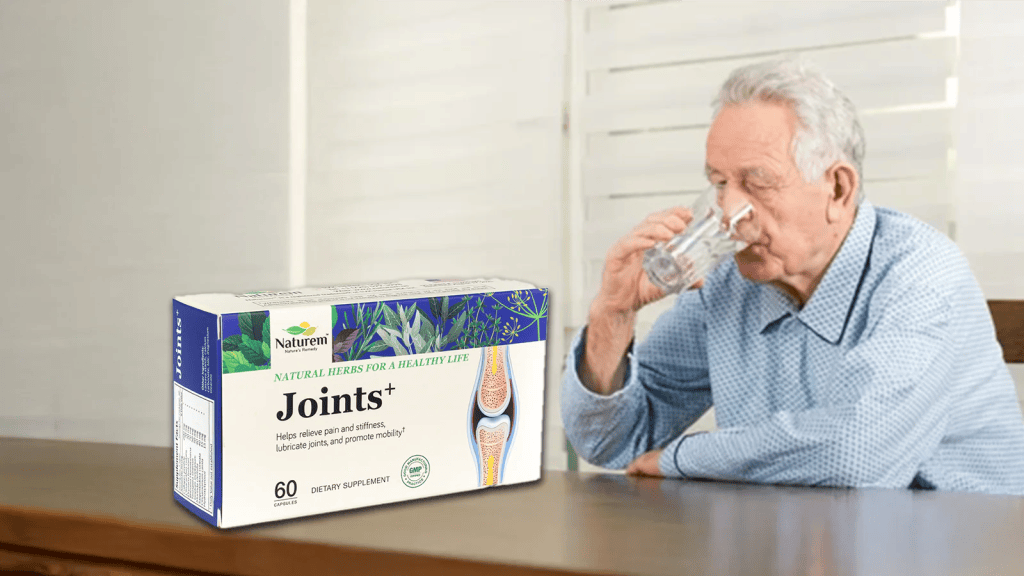
Key Ingredients:
- Hydrolyzed Collagen: Strengthens cartilage structure and promotes tissue regeneration.
- Drynaria fortunei: Enhances bone and tendon resilience, improving joint flexibility.
- Tinospora sinensis: Acts as a natural anti-inflammatory, helping reduce swelling and stabilize immune function.
- Hydroxytyrosol (Olive Extract): Protects joint cells from free-radical damage.
How It Works:
- Minimizes inflammatory responses and oxidative stress within joint tissues.
- Enhances synovial fluid quality for smoother, more comfortable movement.
- Stimulates cartilage restoration at the cellular level.
Managing chronic pain requires a combination of medical treatment and lifestyle care – Naturem™ Joints+ complements this process by nourishing the joints from within and supporting long-term mobility and resilience.
Frequently Asked Questions (FAQs)
Chronic pain often persists due to changes in the nervous system known as central sensitization and neuroplasticity. When pain signals repeatedly stimulate the brain and spinal cord, neurons become hypersensitive, a condition called pain memory. Over time, even mild stimuli can trigger intense pain responses. This process is maintained by glial cell activation and inflammatory mediators such as TNF-α and IL-6, which keep the pain circuits “switched on” even when no tissue damage remains (Sierra Anna-Maria Codeluppi, 2024).
Inflammation releases cytokines and prostaglandins that sensitize pain receptors, amplifying discomfort. When this becomes chronic, neuroinflammation develops, an immune response within the brain and spinal cord that sustains pain perception. Diet, stress, and poor sleep can worsen systemic inflammation, which is why an anti-inflammatory lifestyle and targeted natural compounds (like curcumin, Boswellia, or Gynostemma) are often recommended as adjunct support (D DiSabato, 2016).
Yes. Lifestyle interventions are among the most effective non-pharmacological tools:
– Nutrition: A colorful, antioxidant-rich diet (similar to the Rainbow or Mediterranean pattern) helps reduce systemic inflammation.
– Exercise: Gentle, progressive movement such as tai chi, yoga, or swimming releases endorphins, improves blood flow, and prevents muscle deconditioning.
– Sleep: Restorative sleep regulates pain-modulating hormones like melatonin and cortisol; poor sleep increases pain sensitivity.
– Stress management: Meditation, deep breathing, or Cognitive Behavioral Therapy (CBT) calm the nervous system and lower perceived pain intensity.
Hormonal fluctuations, immune system differences, and cultural factors all contribute. Estrogen affects pain receptor sensitivity, while societal expectations can influence how pain is reported and treated. Women also have higher rates of autoimmune and inflammatory conditions, further increasing their risk of chronic pain syndromes (NR Osborne, 2022).
Pain is both a biological and psychological experience. Anxiety, depression, and social isolation can amplify pain signals, a process known as the biopsychosocial effect. Chronic pain can also cause emotional exhaustion, creating a feedback loop of distress and sensitivity. Integrating psychological therapies like CBT or Acceptance and Commitment Therapy (ACT) can break this cycle and help patients regain control over their pain perception (N Vadivelu, 2017).
References
Centers for Disease Control and Prevention. (2023). Chronic pain and high-impact chronic pain among U.S. adults-National Health Interview Survey, 2021. U.S. Department of Health and Human Services. https://www.cdc.gov/mmwr/volumes/72/wr/mm7201a1.htm
Harvard Health Publishing. (2022). The hidden dangers of chronic pain. Harvard Medical School. https://www.health.harvard.edu/pain/the-hidden-dangers-of-chronic-pain
International Association for the Study of Pain. (2020). IASP definition of pain. https://www.iasp-pain.org/resources/definitions/
MedlinePlus. (2023). Chronic pain. U.S. National Library of Medicine. https://medlineplus.gov/chronicpain.html
Woolf, C. J. (2011). Central sensitization: Implications for the diagnosis and treatment of pain. Pain, 152(3 Suppl), S2–S15. https://doi.org/10.1016/j.pain.2010.09.030
Vlaeyen, J. W. S., & Linton, S. J. (2012). Fear-avoidance model of chronic musculoskeletal pain: 12 years on. Pain, 153(6), 1144–1147. https://doi.org/10.1016/j.pain.2011.12.009
Gatchel, R. J., McGeary, D. D., McGeary, C. A., & Lippe, B. (2014). Interdisciplinary chronic pain management: Past, present, and future. American Psychologist, 69(2), 119–130. https://doi.org/10.1037/a0035514
National Institute for Health and Care Excellence. (2021). Chronic pain (primary and secondary) in over 16s: Assessment of all chronic pain and management of chronic primary pain. NICE Guideline NG193. https://www.nice.org.uk/guidance/ng193