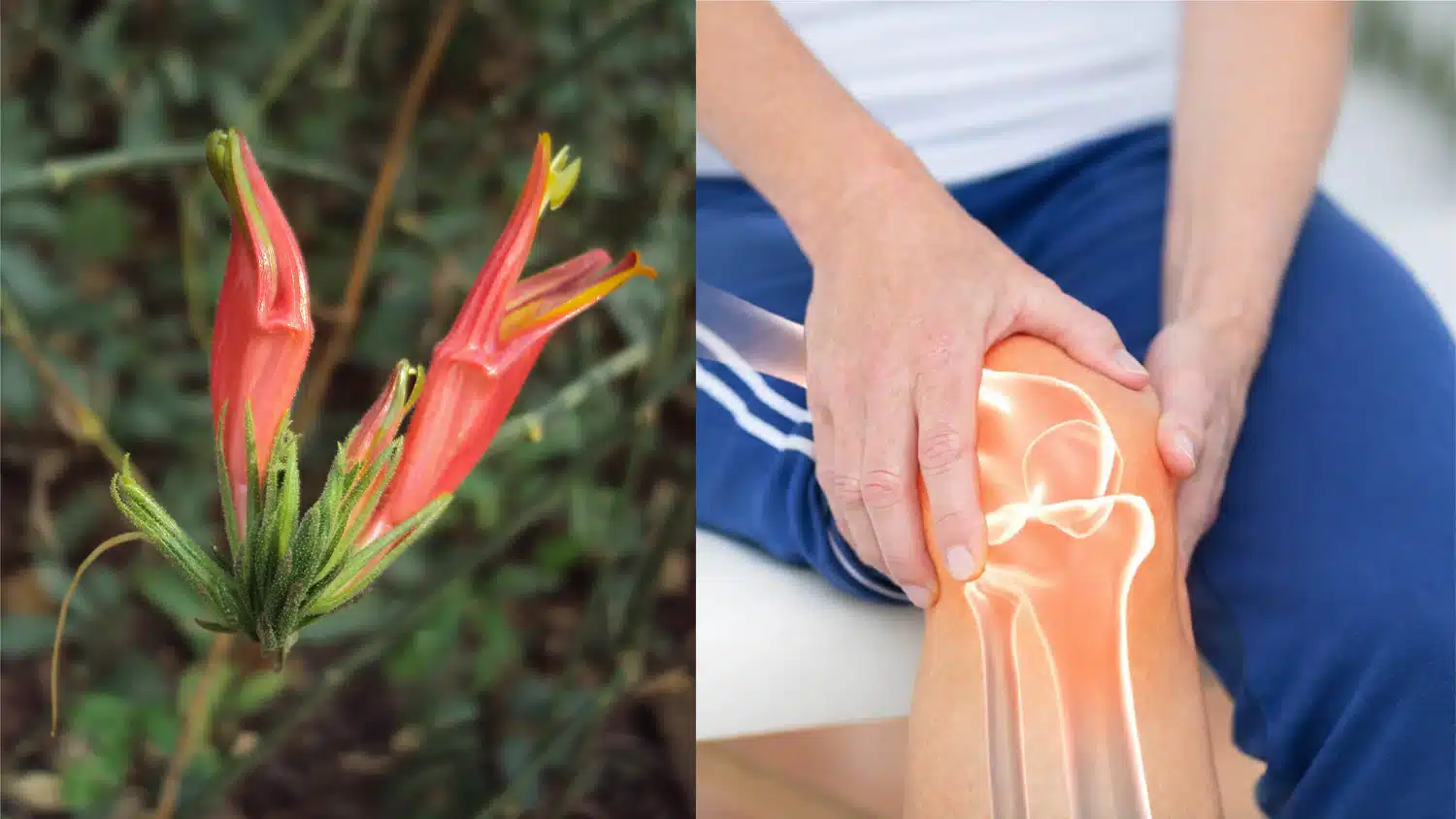
Chronic joint pain is far more than a simple inconvenience. It is a biological warning sign that the body’s inflammatory machinery is running beyond normal limits. In the search for a safer yet effective option, attention has increasingly turned to Clinacanthus nutans for arthritis, a medicinal plant that is changing the way we think about natural pain support. Commonly known as Sabah Snake Grass, this herb is much more than a traditional folk remedy. It is rich in bioactive compounds that interact directly with the molecular pathways involved in joint degeneration.
In this in-depth scientific discussion, we will examine how this plant works at the cellular level to reduce inflammation and help preserve cartilage. We will review the evidence behind natural COX-2 inhibitors, explore the importance of flavonoids for joint health, and offer a medically grounded explanation of how this herb may be incorporated into everyday life to improve movement and comfort.
> Lion’s Mane & The Vagus Nerve: How Hericium Erinaceus Supports Mood
The Biology of Joint Inflammation: A Medical Overview
To understand why Clinacanthus nutans may be effective, it is first necessary to understand the biological sequence behind arthritis. Whether we are discussing Osteoarthritis, which is driven largely by wear and degeneration, or Rheumatoid Arthritis, which is autoimmune in nature, the shared underlying force is inflammation. The process starts when the immune system detects injury and releases signaling molecules called cytokines, especially Interleukin-1 beta (IL-1β) and Tumor Necrosis Factor-alpha (TNF-α). These cytokines function like alarm sirens, signaling that tissue distress is underway.
Once these inflammatory alarms are activated, they stimulate enzymes such as Cyclooxygenase-2 (COX-2). This enzyme converts arachidonic acid into prostaglandins, lipid mediators that cause vasodilation, pain, warmth, and swelling in affected joints. In the short term, this is part of the body’s natural defense. In chronic arthritis, however, the inflammatory switch remains stuck in the “on” position, causing ongoing destruction of joint structures.
At the same time, the inflamed joint becomes an environment saturated with oxidative stress. Reactive Oxygen Species (ROS), which are chemically unstable molecules, begin attacking the chondrocytes that maintain cartilage. This speeds up the breakdown of the joint’s natural cushioning system. For a therapy to be genuinely useful, it must therefore do two things at once: reduce the enzymatic production of pain mediators and protect tissues from oxidative damage. This dual action is exactly why the Sabah Snake Grass anti-inflammatory profile stands out compared with many single-target synthetic medications.
> Clearing the Fog: Using Poria Cocos to Resolve “Dampness” and Mental Lethargy
Unveiling Clinacanthus nutans: The Sabah Snake Grass
Clinacanthus nutans (Lindau) is a perennial shrub in the Acanthaceae family and grows abundantly in the tropical regions of Southeast Asia. Although it has long been valued in traditional medicine for treating snake bites and viral skin eruptions, which gave rise to the nickname “Snake Grass,” modern analytical chemistry has uncovered an impressive phytochemical profile within its leaves. The plant contains high levels of triterpenoids, stigmasterol, and a distinctive group of flavonoids known as C-glycosyl flavones, including schaftoside, isomollupentin, and orientin.
These compounds are not merely incidental plant chemicals. They are natural defense molecules that, remarkably, interact with human anti-inflammatory targets in meaningful ways. Unlike synthetic drugs, which often depend on a single isolated compound to block or force a biological pathway, this herb produces what researchers sometimes call a matrix effect. In other words, its many constituents work together in synergy to regulate inflammation in a broader and more balanced manner. For readers interested in the traditional botanical heritage and regional cultivation of such medicinal plants, the database at Herbs of Vietnam provides deeper insight into their historical use and cultivation background.
The therapeutic value of Clinacanthus nutans for arthritis depends heavily on raw material quality. The level of active flavonoids may vary considerably according to soil quality, climate, and harvest timing. This is why standardized extraction is so important when the goal is consistent therapeutic effect. You can learn more about the importance of botanical standardization and formulation quality at Naturem.us, where the path from cultivation to finished product is explained in detail.
> Collagen: A Crucial Component for Bone and Joint Health
The Mechanism: How Clinacanthus nutans Targets Inflammation
The growing scientific interest in Sabah Snake Grass anti-inflammatory activity comes from the fact that researchers are beginning to map out exactly how the herb works. It does not simply dull pain perception. Instead, it intervenes in the biochemical pathways that produce pain and tissue destruction in the first place.
Natural COX-2 Inhibition
The pharmaceutical industry invested enormous resources in creating selective COX-2 inhibitors such as Celecoxib, which were designed to ease arthritis pain without causing the gastric ulcers associated with older NSAIDs like aspirin. Interestingly, nature appears to have developed a similar strategy long ago. Research published in the Journal of Ethnopharmacology suggests that extracts of Clinacanthus nutans significantly reduce the expression of the COX-2 enzyme. As a result, the herb lowers the production of Prostaglandin E2 (PGE2), one of the main biochemical drivers of pain and fever in arthritis. This provides a plant-based mechanism that resembles prescription anti-inflammatory therapy while often being gentler on the kidneys and stomach.
Suppression of the NF-κB Pathway
If COX-2 can be thought of as the inflammatory soldier, then Nuclear Factor-kappa B (NF-κB) functions more like the commanding general. NF-κB is a protein complex that enters the nucleus of the cell and switches on genes responsible for widespread inflammation. The flavonoids for joint health found in Clinacanthus nutans have been shown to inhibit this nuclear translocation. By blocking NF-κB activity, the herb cuts off the inflammatory cascade upstream, reducing the release of destructive cytokines such as IL-6 and TNF-α.
Antioxidant Protection for Chondrocytes
Joint destruction is also accelerated by what could be described as biological rust, namely oxidative stress. Because Clinacanthus nutans contains a high concentration of phenolic compounds, it functions as an efficient scavenger of free radicals. By neutralizing these unstable molecules, the plant helps preserve the structural integrity of collagen and protects cartilage cells from apoptosis, or programmed cell death. This protective mechanism is especially relevant in osteoarthritis, where preserving cartilage can slow progression from early to advanced disease.
> Rhizoma Homalomena: A Scientific Perspective on Its Therapeutic Potential
Scientific Evidence: Pre-Clinical and Clinical Insights
As a physician, I rely on data rather than anecdote, and the evidence supporting Clinacanthus nutans for arthritis is both persuasive and steadily expanding.
In controlled laboratory experiments using carrageenan-induced paw edema, which is considered a gold-standard preclinical model for anti-inflammatory testing, oral administration of Clinacanthus nutans extract produced a significant reduction in swelling. The response was dose-dependent, meaning higher concentrations resulted in stronger anti-inflammatory effects, comparable to indomethacin. However, unlike the synthetic drug group, the herbal extract group showed no microscopic injury to the gastric mucosa, suggesting a more favorable safety profile for the stomach lining.
Another important line of investigation involved neutrophil migration. During acute arthritic flares, white blood cells rapidly flood the joint space, releasing enzymes that damage surrounding tissues. Extracts of this herb have been shown to reduce that excessive immune-cell migration, limiting the “swarming” effect that contributes to redness, heat, and swelling. This suggests the plant may be especially valuable in inflammatory forms of arthritis. For readers interested in how delicate bioactive compounds are preserved during formulation, SVK Herbal offers useful resources on advanced herbal extraction and processing.
In addition, toxicology data have been encouraging. Sub-chronic studies evaluating longer-term use suggest that therapeutic doses of Clinacanthus nutans do not raise liver enzymes such as ALT and AST or kidney markers such as creatinine, which is a particularly important contrast when compared with long-term synthetic pain medications.
Clinacanthus nutans vs. Synthetic NSAIDs
Standard arthritis treatment in modern medicine relies heavily on Non-Steroidal Anti-Inflammatory Drugs (NSAIDs) such as Ibuprofen, Naproxen, and Diclofenac. While these drugs are effective at blocking pain-related pathways, they also carry well-known risks including gastric ulcers, gastrointestinal bleeding, and a heightened risk of cardiovascular complications.
Clinacanthus nutans, by contrast, offers a different therapeutic model. Because it contains joint swelling herbs properties that work not only through enzyme suppression but also through antioxidant defense and immune modulation, it offers a wider spectrum of support. Instead of merely covering up pain, it helps cool the inflammatory environment itself. While a synthetic NSAID may act rapidly within minutes or hours, Clinacanthus nutans behaves more like a biological modulator, gradually building sustained benefits while posing a lower risk of nephrotoxicity, or kidney damage.
That said, patients should think of this as a strategic partnership rather than a replacement war. For severe acute pain, modern medicine may still provide the fastest relief. For daily control, tissue protection, and long-term joint maintenance, however, Clinacanthus nutans may be the better long-range ally. Making that shift often requires a broader understanding of integrative care, and the educational content on Naturem.us can be particularly helpful for patients trying to make that transition wisely.
Integrating Clinacanthus nutans into Your Routine
To get the most from natural COX-2 inhibitors, consistency matters more than intensity. Clinacanthus nutans is a flexible herb that can be used in several practical forms:
- Standardized Capsules: This is often the most dependable format for arthritis support. Capsules made with standardized extract provide a consistent daily dose of active flavonoids.
- Herbal Infusions: Tea prepared from dried leaves is the traditional method of use. It offers a systemic, soothing effect while also supporting hydration, which is important for synovial fluid maintenance.
- Topical Salves: More recent formulations include creams and balms enriched with Clinacanthus nutans. Applied directly to painful areas such as the knees, wrists, or fingers, these products allow transdermal absorption and local targeting of inflammation.
When choosing a product, source quality is critical. Plants cultivated in contaminated soil can concentrate toxins such as heavy metals. For this reason, it is essential to choose products from manufacturers that follow Good Manufacturing Practices (GMP). Companies such as Lanui.vn are known for emphasizing safe, high-quality herbal formulations that combine traditional knowledge with modern manufacturing standards.
> Anti-Inflammatory Herbs: Natural Solutions to Reduce Inflammation
Unique Insights: Beyond the Pain Relief
Although arthritis is our focus here, Clinacanthus nutans is a remarkably versatile herb with benefits that extend far beyond joint pain. Science is only beginning to reveal how broad its therapeutic reach may be.
- The Viral Interceptor: Long before it gained attention for arthritis, this herb was widely used for Herpes Zoster (Shingles). It contains compounds that appear to interfere with the viral envelope, making it more difficult for viruses to enter host cells.
- Dermatological Ally: Because of its strong anti-inflammatory properties, the herb has also shown usefulness in conditions such as eczema and psoriasis, both of which may coexist with psoriatic arthritis.
- Chemo-Preventive Potential: Early research suggests that the plant’s antioxidants may have anti-proliferative activity in certain cell lines, raising interesting possibilities for cellular DNA protection.
These additional benefits suggest that using Clinacanthus nutans for joint pain may simultaneously support skin health and antiviral defense. This kind of multi-system support is one of the defining principles of functional and integrative medicine.
Naturem™ Joints+: Nourishing Joint Health from Within

Real joint resilience begins internally, where circulation, metabolism, and organ function work together to preserve bones, cartilage, and connective tissue. Naturem™ Joints+ blends traditional Vietnamese herbal wisdom with modern nutritional science to help restore that internal balance. Its natural formulation is designed to address the deeper causes of stiffness and discomfort by supporting cartilage repair, moderating inflammation, and sustaining long-term mobility.
Each capsule contains a synergistic combination of Collagen Peptides, Drynaria Fortunei, Clinacanthus Nutans, Rhizoma Homalomena, and Tinospora Sinensis. Working together, these ingredients help reinforce bone strength, enhance blood flow, and support the body’s own healing processes. Formulated for daily use, Naturem™ Joints+ is designed to help you move more freely, comfortably, and confidently, just as your body was intended to do.
Frequently Asked Questions (FAQ)
How long does it take to see results with Clinacanthus nutans for arthritis?
Herbal therapies generally work by gradually influencing biology rather than delivering immediate symptom suppression. Most users begin noticing improvements in stiffness and discomfort after about two to four weeks of regular daily use, as the plant’s active compounds accumulate and begin exerting their anti-inflammatory effects.
Are there any interactions with blood thinners?
Clinacanthus nutans is generally regarded as safe, but like many natural anti-inflammatory agents, it may exert mild blood-thinning effects. If you are taking anticoagulants such as warfarin or heparin, it is wise to consult your healthcare provider before using this herb in order to reduce any added bleeding risk.
Can I use Sabah Snake Grass if I have autoimmune arthritis (Rheumatoid Arthritis)?
Yes. Clinacanthus nutans may be especially relevant in autoimmune arthritis because of its capacity to influence the NF-κB pathway, which is central to immune-mediated inflammation. However, it should be used as a complementary strategy, and any prescribed immunosuppressive therapy should only be changed under medical supervision.
Is it safe for your kidneys and liver?
Available toxicology data suggest that Clinacanthus nutans is safe for both liver and kidney function when used within therapeutic ranges. Its antioxidant properties may even provide some protection against oxidative and chemical stress in these organs.
Where can I find reliable, safe products containing this herb?
Proper sourcing is crucial. It is best to avoid unverified raw herbs or products without documented quality controls. For standardized, safety-reviewed formulations, you may consider products available at Naturem.us, or review manufacturer quality standards through SVK Herbal.
References
- Alam, A., et al. (2016). Clinacanthus nutans: A review of the medicinal uses, pharmacology and phytochemistry. Asian Pacific Journal of Tropical Medicine, 9(4), 402–409.
- Khoo, L. W., et al. (2018). Anti-inflammatory effects of Clinacanthus nutans extracts on lipopolysaccharide-induced inflammation in RAW 264.7 macrophages. Journal of Ethnopharmacology, 218, 166–174.
- Mai, C. W., et al. (2016). Evaluation of the anti-inflammatory and antinociceptive activity of Clinacanthus nutans leaves. Evidence-Based Complementary and Alternative Medicine.
- Pannangpetch, P., et al. (2007). Antioxidant activity and protective effect on DNA damage of Clinacanthus nutans (Burm.f.) Lindau. Songklanakarin Journal of Science and Technology, 29, 89–100.
- Wanikiat, P., et al. (2008). Clinacanthus nutans leaves extract inhibits neutrophil responsiveness. Pharmaceutical Biology, 46(3), 172–177.
- World Health Organization. (2019). Global strategy on diet, physical activity and health.