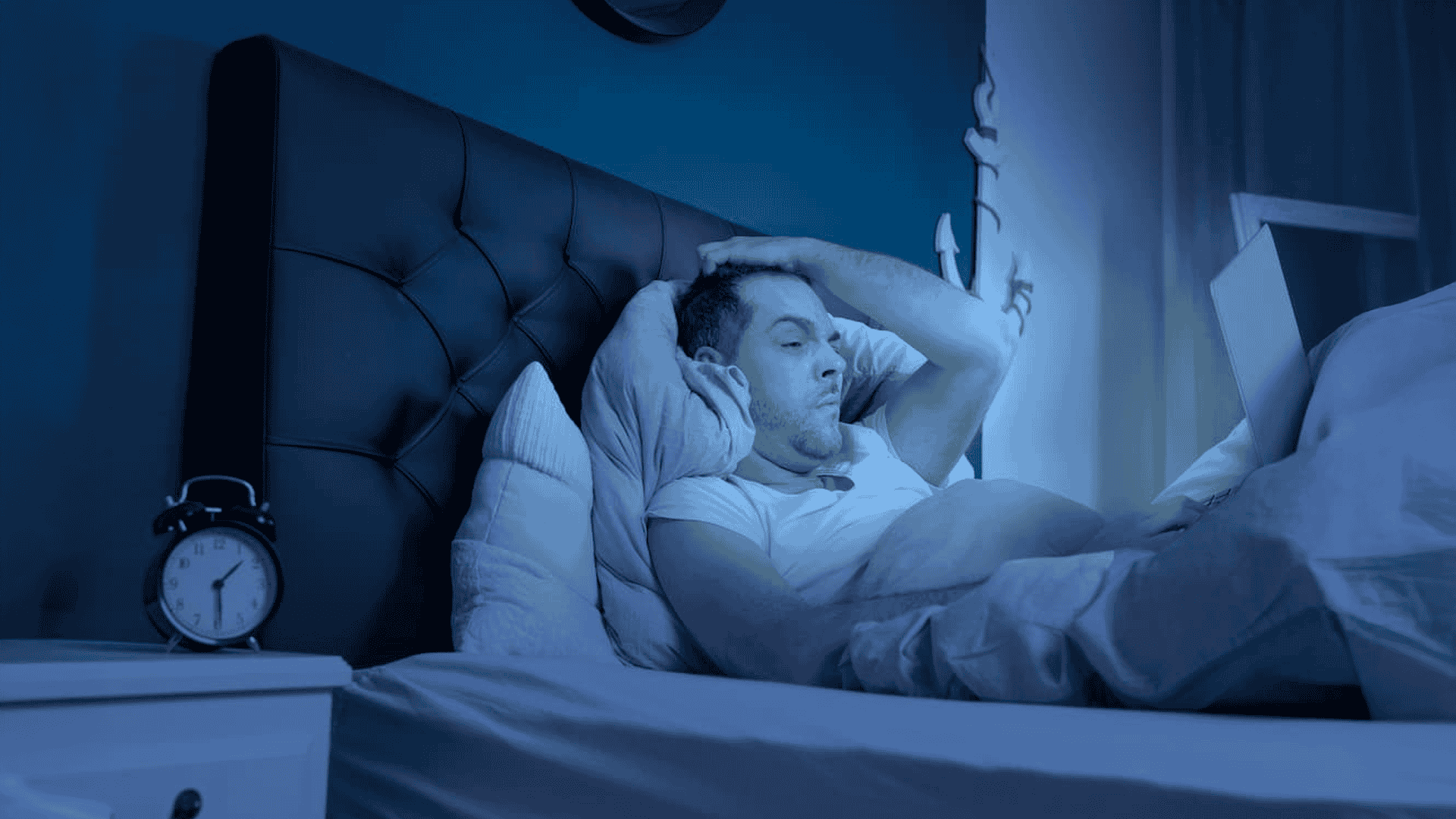
Nocturia, the condition of waking one or more times at night to urinate, is a common but often overlooked issue. While one episode per night may be considered normal, two or more times is classified as clinically significant and is strongly linked to reduced quality of life and serious health outcomes (Coyne et al., 2017).
This article explores how nocturia disrupts your sleep architecture, hormonal balance, and long-term health and what you can do about it.
Read more articles: Nocturia – Causes, Symptoms, and Natural Treatments for Better Sleep
How Nocturia Interrupts the Sleep Cycle
1. Disruption of REM and Deep Sleep
Deep sleep, particularly slow-wave sleep (SWS), plays a critical role in physiological restoration. It is during this stage that the body releases the majority of growth hormone (GH), which is essential for tissue repair, metabolic regulation, and immune system maintenance (Ho et al., 1990).
Nocturia interrupts this restorative phase, leading to sleep fragmentation and a marked reduction in GH secretion. Studies have shown that disturbances in slow-wave and REM sleep due to nighttime awakenings impair the body’s ability to recover, both physically and neurologically (Klaus Lieb et al, 2000).
These disruptions contribute to a cascade of negative health effects, including increased fatigue, reduced stress resilience, and impaired glucose metabolism.
To understand this disruption, it’s important to consider the structure of the sleep cycle, which consists of five distinct stages:
- Stage 1 (Non-REM): Light sleep begins. Brain waves slow, muscles relax, and the body starts to transition from wakefulness. A person can be easily awakened during this stage.
- Stage 2 (Non-REM): Sleep deepens. Heart rate slows, body temperature drops, and eye movements stop. Brain wave activity slows further with occasional bursts (sleep spindles).
- Stage 3 (Non-REM): This is the beginning of deep sleep (slow-wave sleep). It becomes difficult to awaken someone in this stage. This phase is critical for physical restoration and hormonal release.
- Stage 4 (Non-REM): The deepest phase of non-REM sleep, often grouped together with stage 3 as SWS. It plays a central role in cellular repair and immune function.
- Stage 5 (REM Sleep): Characterized by rapid eye movement, vivid dreams, and minimal muscle tone. REM is essential for neurological recovery, memory consolidation, and emotional processing.
Frequent awakenings due to nocturia can prevent the body from cycling through these stages effectively, especially stages 3, 4, and REM, leading to cumulative sleep debt and long-term health risks.
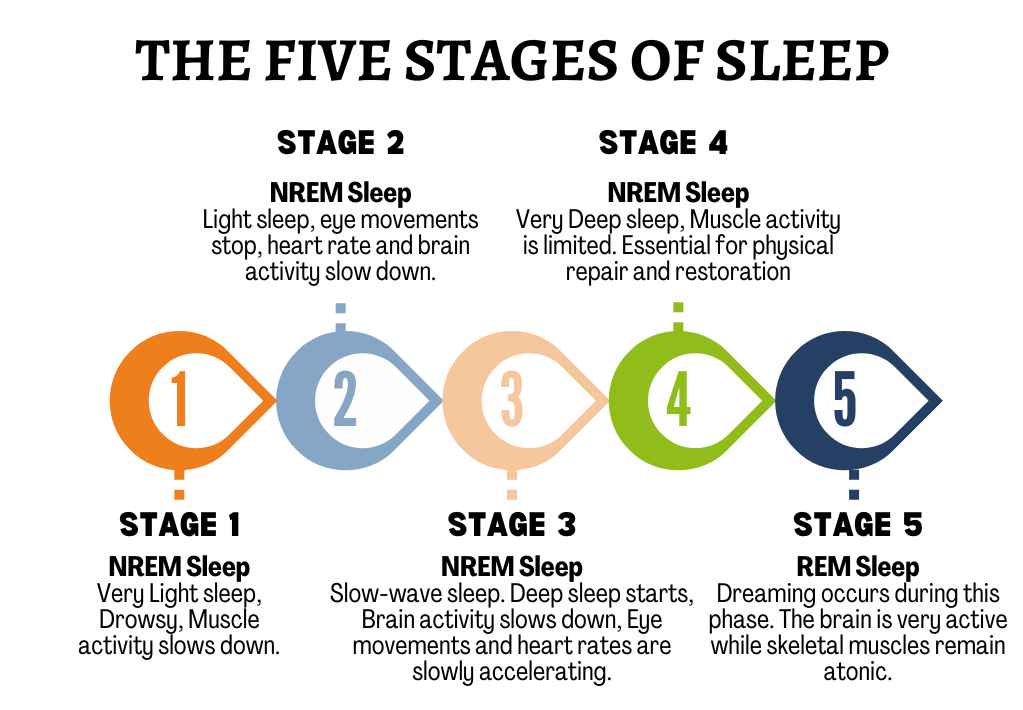
The Five stages of sleep, source: IEMT wiki
2. Hormonal Consequences
Interrupted deep sleep disrupts the release of key hormones that regulate health and metabolism. One major consequence is reduced melatonin production. Melatonin is normally secreted at night to support sleep and circadian rhythm, but frequent awakenings, such as from nocturia, suppress this signal, making it harder to fall back asleep and stay asleep (Maggio et al., 2005).
At the same time, sleep fragmentation triggers the stress response, increasing cortisol levels at night. Cortisol is meant to drop during sleep to allow for recovery. When elevated, it impairs immune function, promotes inflammation, and raises blood sugar levels.
Disrupted sleep also lowers growth hormone (GH) release and alters leptin and ghrelin, two hormones that control hunger. This can increase appetite, reduce tissue repair, and lead to weight gain and insulin resistance.
In short, poor-quality sleep caused by nocturia creates hormonal imbalances that harm metabolism, immunity, and overall health.
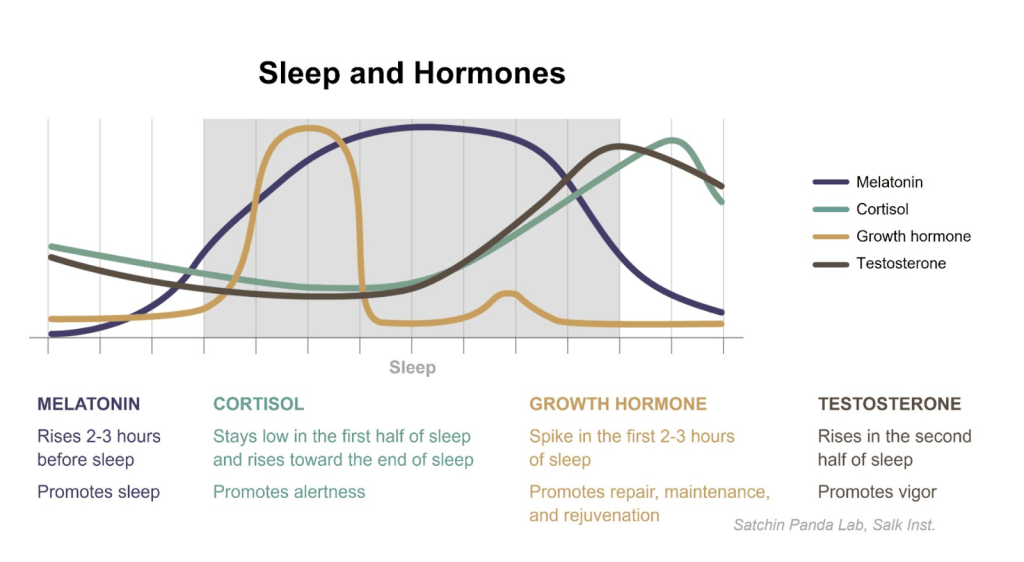
Sleep and Hormones, source: getontimehealth
Daytime Symptoms: Fatigue, Cognitive Impairment & Mood Disorders
Nocturia disrupts the natural architecture of sleep, especially deep (slow-wave) and REM stages, both of which are essential for mental and physical restoration. Each time a person wakes to urinate, the brain must shift from deeper restorative stages to lighter ones or full wakefulness. This repeated fragmentation prevents the body from completing full sleep cycles, resulting in sleep debt even if total time in bed appears adequate.
The effects become evident during the day:
- Fatigue and Low Energy: Without sufficient deep sleep, the body’s ability to recover is compromised. This leads to reduced energy, persistent tiredness, and a lack of physical stamina.
- Cognitive Impairment: REM sleep is crucial for memory consolidation and executive function. Interruptions diminish attention span, impair short-term memory, and cause brain fog, a sense of mental sluggishness and confusion.
- Mood Disturbances: Chronic sleep disruption is linked to increased levels of cortisol (the stress hormone) and decreased serotonin, which together heighten the risk of irritability, anxiety, and depressive symptoms. Over time, emotional resilience declines, making it harder to handle stress or maintain motivation.
According to the NIH, these daytime impairments closely mirror those seen in people with chronic insomnia or obstructive sleep apnea. For individuals managing demanding work, caregiving, or health conditions, these symptoms can compound, severely impacting daily performance and overall quality of life.
Long‑Term Health Risks
1. Hypertension & Cardiovascular Disease
Nocturia is not just a sleep disruption, it has been increasingly recognized as a marker of cardiovascular dysfunction. According to data from the National Institutes of Health (NIH), waking two or more times per night to urinate is associated with a 36% increased risk of developing hypertension. This is partly due to:
- Sleep fragmentation, which activates the sympathetic nervous system and increases catecholamine release, raising blood pressure.
- Disrupted circadian rhythm, affecting the nocturnal dipping of blood pressure, a natural decrease that occurs during deep sleep. In nocturia, this dip may be blunted or absent, contributing to non-dipping hypertension, a known risk factor for stroke and heart attack.
Over time, chronic nocturia is correlated with a higher incidence of heart failure, arrhythmias, and cardiovascular mortality. Its presence in older adults should prompt a thorough evaluation of both cardiac and renal function.
2. Low Testosterone and Hormonal Imbalance
Testosterone plays a regulatory role in urinary tract function, especially in men. Lower levels of testosterone are frequently observed in individuals with late-onset hypogonadism, which correlates with increased:
- Bladder irritability
- Nocturnal urine production
- Detrusor overactivity
One study cited by the NIH found that men in the highest quartile of serum testosterone had a 44% lower risk of nocturia than those in the lowest quartile, highlighting the hormonal basis of lower urinary tract symptoms (LUTS).
Moreover, testosterone replacement therapy (TRT) has shown promise in reducing nocturia symptoms, particularly in hypogonadal men, by improving bladder capacity, sleep quality, and overall hormone balance (AUA Guidelines). However, TRT must be prescribed with caution, especially in patients with cardiovascular or prostate risks.
3. Kidney Aging & Metabolic Disturbance
Nocturia is frequently a clinical manifestation of early renal dysfunction, even before standard lab markers like creatinine or GFR become abnormal. It often reflects:
- Impaired concentrating ability of the aging kidney
- Disrupted vasopressin secretion, the antidiuretic hormone responsible for water reabsorption during sleep
- Sodium-handling abnormalities, leading to nocturnal natriuresis (salt loss in urine)
Functional medicine practitioners also connect nocturia with metabolic inflexibility, seen in metabolic syndrome, type 2 diabetes, and obesity, conditions that affect the renal-vascular axis and disturb circadian hormone cycles (Institute for Functional Medicine)
Conclusion
Nocturia is not just an inconvenience, it can disrupt hormone production, impair sleep cycles, and increase the risk of serious health conditions like hypertension and low testosterone. If you find yourself waking multiple times at night, it may be time to seek a diagnosis and explore both medical and lifestyle-based solutions.
Naturem™ Stamina: Gentle Herbal Support for Nighttime Balance and Male Vitality

Nighttime awakenings from nocturia can drain energy, disturb hormones, and weaken overall vitality. Naturem™ Stamina is formulated as a gentle, botanical support system to help restore balance where the body needs it most: kidney function, hormonal rhythm, and male performance.
Formulated with over 20 time-tested herbal ingredients, including Cuscuta hygrophilae, Herba Cistanches, Polygala tenuifolia, Fructus Lycii, Rehmannia glutinosa, and Schisandra, this supplement helps:
- Enhance kidney and reproductive health
- Restore libido and stamina
- Control premature ejaculation and nocturnal emissions
- Reduce lower back pain, fatigue, and premature graying
When paired with a healthy lifestyle, including balanced nutrition, regular physical activity, and proper stress management, Naturem™ Stamina becomes your trusted daily ally for long-term wellness and sexual confidence.
FAQ:
1. Is waking up once a night to urinate considered nocturia?
Waking once per night is generally considered within normal limits, especially with increased fluid intake before bed. Clinically, nocturia is defined as waking two or more times per night to urinate, which may indicate an underlying medical or hormonal issue and warrants evaluation.
2. Can nocturia lead to long-term health problems?
Yes. Chronic nocturia has been linked to:
- Increased risk of hypertension and cardiovascular disease
- Hormonal imbalances, including reduced melatonin and testosterone
- Higher rates of depression, fatigue, cognitive decline, and even mortality in older adults (NIH, AUA)
It is not just a quality-of-life issue, it can signal serious systemic dysfunction.
3. Are there natural or herbal treatments that help with nocturia?
Some supplements target nocturia by supporting hormonal balance, kidney function, and bladder control. Ingredients such as Poria cocos, Rehmannia glutinosa, and Cuscuta seeds have been used in traditional medicine. Always consult a healthcare provider before starting any supplement, especially if you take medications or have chronic conditions.
4. Can nocturia be a sign of diabetes or prediabetes?
Yes. Excess nighttime urination can be an early sign of poor glucose control. High blood sugar increases urine production (osmotic diuresis), especially at night. If you also experience excess thirst, blurred vision, or fatigue, ask your doctor about testing for type 2 diabetes or prediabetes.5. How does nocturia affect cognitive function in the long term?
Repeated nighttime awakenings impair REM sleep, which is essential for memory consolidation and emotional regulation. Over time, this may contribute to mild cognitive impairment, executive dysfunction, and even increase the risk of neurodegenerative disorders like Alzheimer’s disease in older adults.
References
- AUA. (n.d.). Testosterone deficiency guideline. American Urological Association. Retrieved from https://www.auanet.org/guidelines-and-quality/guidelines/testosterone-deficiency-guideline
- Cancer.gov. (n.d.). Melatonin. National Cancer Institute Dictionary of Cancer Terms. Retrieved from https://www.cancer.gov/publications/dictionaries/cancer-terms/def/melatonin
- Cancer.gov. (n.d.). Testosterone. National Cancer Institute Dictionary of Cancer Terms. Retrieved from https://www.cancer.gov/publications/dictionaries/cancer-terms/def/testosterone
- Get On Time Health. (2025, May). Miss your bedtime, miss your critical health window: Why timing sleep is key to recovery and metabolic health. Retrieved from https://getontimehealth.com/miss-your-bedtime-miss-your-critical-health-window-why-timing-sleep-is-key-to-recovery-and-metabolic-health
- Harvard Health Publishing. (n.d.). Understanding the stress response. Harvard Medical School. Retrieved from https://www.health.harvard.edu/staying-healthy/understanding-the-stress-response
- Ho, K. Y., Evans, W. S., Blizzard, R. M., Veldhuis, J. D., Merriam, G. R., Samojlik, E., & Thorner, M. O. (1990). Effects of sex and age on the 24-hour profile of growth hormone secretion in man: Importance of endogenous estradiol concentrations in women. The Journal of Clinical Endocrinology & Metabolism, 71(2), 245–250. https://pubmed.ncbi.nlm.nih.gov/2190354/
- Institute for Functional Medicine. (n.d.). Nocturia: More than just a nuisance. Retrieved from https://www.ifm.org/articles/nocturia-more-than-just-a-nuisance/
- Integrale Eye Movement Therapy Wiki. (n.d.). Rapid eye movement (REM) sleep. Retrieved from https://integraleyemovementtherapy.wiki/rapid_eye_movement_rem_sleep
- Lieb, K., Rex, A., Fink, H., & Schlegel, S. (2000). The neurobiology of depression. The Lancet, 357(9253), 241–249. https://www.thelancet.com/journals/lancet/article/PIIS0140-6736(05)74304-X/fulltext
- Maggio, M., Brignardello, E., & Basile, G. (2005). Sleep-related changes in the secretion of melatonin and growth hormone in elderly subjects. Neuroendocrinology Letters, 26(3), 201–207. https://www.ncbi.nlm.nih.gov/pmc/articles/PMC1188300/