
As a physician trained in both modern hepatology and traditional herbal medicine, I often see patients who are baffled by their diagnosis of fatty liver disease. They do not drink alcohol, yet their liver enzymes tell a different story. The culprit is frequently sitting in their refrigerator. While we often associate soda and sweetened beverages with weight gain or cavities, the reality is far more sinister. Liquid sugar acts as a metabolic toxin to the liver, capable of driving damage at a pace that rivals chronic alcohol exposure.
To understand why this damage happens so rapidly, we must examine what occurs at the biochemical level once liquid sugar enters the bloodstream.
The Biochemistry of the Sweet Trap
To understand why sugary drinks are so destructive, we must look at how the body metabolizes different types of sugar. Table sugar (sucrose) and high-fructose corn syrup are composed of glucose and fructose. While every cell in your body can utilize glucose for energy, fructose is a different beast entirely. It can only be metabolized by the liver.
Fructose: The Liver’s Burden
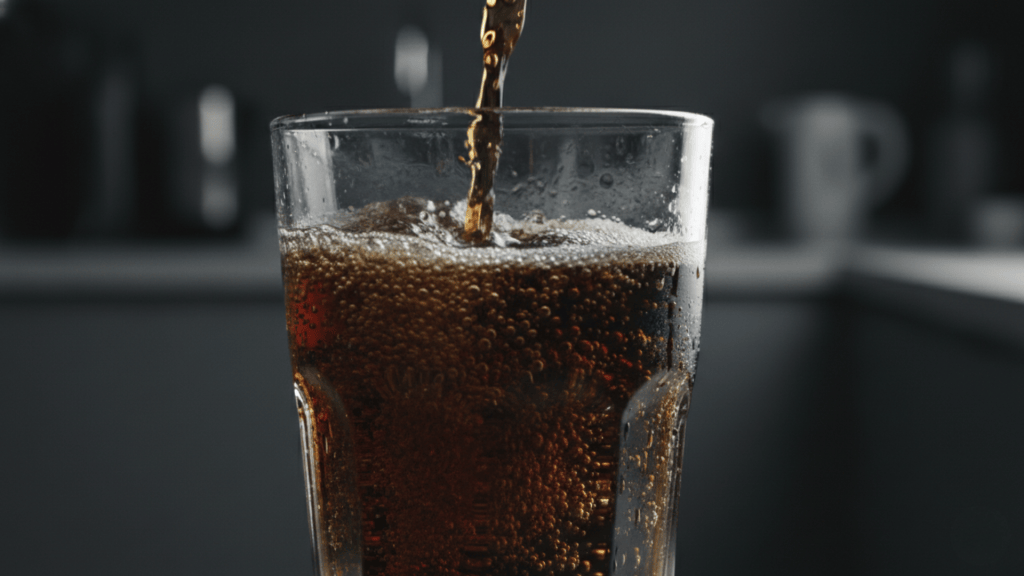
When you consume fruit, the fiber slows down the absorption of fructose, allowing the liver to handle it in manageable amounts. However, sugary drinks provide a massive, instantaneous flood of fructose. This overwhelms the liver’s metabolic pathways. As detailed in our analysis of how sugary drinks affect blood sugar, this rapid influx forces the liver to convert the excess energy directly into fat through a process called de novo lipogenesis.
This fat accumulation is not benign. It alters the liver’s fundamental ability to regulate fuel for the body. This disruption often exacerbates glucose overproduction in fatty liver, leading to a state where the liver continuously pumps out sugar even when you haven’t eaten, further spiking your blood glucose levels.
Over time, this repeated metabolic overload does not remain a temporary imbalance. It sets the stage for structural liver damage.
From Fatty Liver to Permanent Scarring

The progression of liver damage from sugary drinks is often silent until it is severe. It typically begins with simple steatosis, or fatty liver, but can quickly escalate into inflammation and cell death.
The Rise of MASLD
Medical terminology is evolving to reflect this reality. We now refer to this condition as Metabolic Dysfunction-Associated Steatotic Liver Disease (MASLD). This new definition highlights the systemic metabolic failure caused by poor diet. For a deeper clinical perspective, a detailed guide to MASLD outlines how this condition has evolved from a niche diagnosis into a global metabolic crisis.
If left unchecked, this inflammation causes scar tissue to form, a process known as fibrosis. Eventually, this leads to cirrhosis, an irreversible state where the liver becomes hard and nodular. It is vital to recognize the warning signs early. Our overview of liver cirrhosis stages outlines how lifestyle interventions can halt this progression before it becomes life-threatening.
But structural changes alone do not explain the full scope of the problem.
The Inflammation Connection
The damage is not just structural, it is inflammatory. The fat stored in liver cells releases pro-inflammatory chemicals called cytokines. These chemicals attack neighboring tissues and blood vessels. Patients often search for effective ways to manage liver inflammation to understand how to cool down this metabolic fire.
Once inflammation becomes chronic, the consequences extend far beyond the liver itself.
Systemic Consequences: Diabetes and Vascular Health

The liver does not suffer in isolation. When it becomes fatty and inflamed, it sends shockwaves through the entire body, particularly affecting the cardiovascular system and insulin regulation.
Insulin Resistance and Belly Fat
As the liver fills with fat, it becomes resistant to insulin. This forces the pancreas to pump out more insulin to keep blood sugar stable. High insulin levels are a major barrier to weight loss. Understanding how high insulin blocks fat loss is crucial for patients who feel like they are dieting but seeing no results. The high insulin essentially locks the fat cells, preventing them from being burned for energy.
This mechanism is a primary driver of Type 2 Diabetes. For those navigating this diagnosis, our guide to type 2 diabetes is an essential resource. Furthermore, this metabolic dysfunction can affect future generations, expectant mothers must be aware of gestational diabetes and infant risk, as high maternal sugar intake can predispose infants to liver issues later in life.
Vascular Erosion
The excess sugar that the liver cannot process ends up floating in the bloodstream, where it causes significant damage to the blood vessels. This is often described as glycation, where sugar molecules bind to proteins and fats, causing them to stiffen. We know that endothelial damage from excess sugar is a real threat, leading to hypertension and increased risk of stroke and heart attack.
Fortunately, this cascade of damage is not irreversible in its early stages.
Restoring Liver Health Naturally
The good news is that the liver is the only organ in the human body capable of true regeneration. By removing the toxic stimulus of sugary drinks and introducing protective compounds, you can reverse early-stage damage.
Powerful Natural Allies
In traditional medicine, we look for compounds that support the liver’s detoxification pathways and reduce oxidative stress. Among the compounds studied for this purpose, certain plant-derived polyphenols have shown particularly promising results. One such powerhouse is hydroxytyrosol, a potent antioxidant found in olives. Research into hydroxytyrosol and metabolic health shows it can improve endothelial function and reduce liver fat.
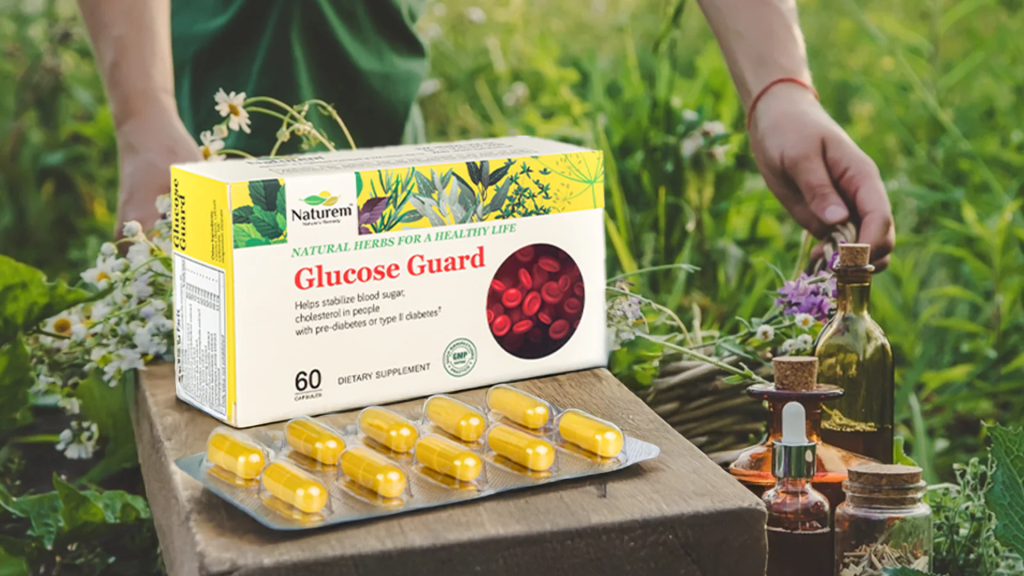
Additionally, for patients needing robust support to break the cycle of sugar cravings and insulin spikes, targeted botanical formulations may complement dietary intervention. In selected individuals struggling with persistent insulin dysregulation, Naturem™ Glucose Guard integrates traditional compounds used to help stabilize post-meal glucose response, thereby reducing metabolic strain on the liver and supporting long-term glucose balance.
> To understand how nutrition can actively reverse early metabolic dysfunction, explore our complete guide on foods good for the liver.
Frequently Asked Questions
While diet sodas lack the fructose that directly causes fatty liver, artificial sweeteners can alter the gut microbiome. A disrupted microbiome can increase systemic inflammation, which indirectly stresses the liver. Water, unsweetened tea, or black coffee are generally safer alternatives for long-term metabolic health.
The liver possesses remarkable regenerative capacity. Studies show that significant reduction in liver fat can occur within just two to four weeks of strict dietary restriction of fructose and carbohydrates.
In many ways, yes. Once the fiber is removed, fruit juice is essentially a concentrated sugar solution. It hits the liver with the same fructose load as a soda. Eating the whole fruit is beneficial; drinking it is not.
Fatty liver is called a silent disease because most individuals experience no noticeable symptoms until significant scarring or cirrhosis has already developed.
No, herbs like milk thistle and berberine are powerful tools that aid repair and insulin sensitivity, but they cannot overcome a bad diet. They must be used in conjunction with reducing sugar intake and increasing physical activity.
Most clinical guidelines recommend limiting added sugar to less than 10% of total daily calories, though individuals with fatty liver may benefit from even stricter restriction, particularly of fructose-containing beverages.
References
Stanhope, K. L. (2016). Sugar consumption, metabolic disease and obesity: The state of the controversy. Critical Reviews in Clinical Laboratory Sciences, 53(1), 52-67. https://www.ncbi.nlm.nih.gov/pmc/articles/PMC4822166/
Mayo Clinic Staff. (2023). Nonalcoholic fatty liver disease. Mayo Clinic. https://www.mayoclinic.org/diseases-conditions/nonalcoholic-fatty-liver-disease/symptoms-causes/syc-20354567
National Institute of Diabetes and Digestive and Kidney Diseases. (2022). Insulin Resistance & Prediabetes. National Institutes of Health. https://www.niddk.nih.gov/health-information/diabetes/overview/what-is-diabetes/prediabetes-insulin-resistance
Softic, S., Cohen, D. E., & Kahn, C. R. (2016). Role of Dietary Fructose and Hepatic De Novo Lipogenesis in Fatty Liver Disease. Digestive Diseases and Sciences, 61(5), 1282-1293. https://pubmed.ncbi.nlm.nih.gov/26879958/