
For many individuals, the battle against the bulge is fought with calorie counting and endless cardio, yet the midsection remains stubbornly unchanged. The culprit is often not a lack of willpower but a profound physiological barrier driven by insulin, the body’s primary energy-regulating hormone. When insulin levels remain chronically elevated, the body enters a state of aggressive energy preservation, effectively locking the doors to fat cells. This phenomenon explains why diet and exercise alone often fail to reduce visceral adiposity. Understanding the medical reality of lower belly fat and hormonal imbalance is the critical first step in shifting the body from storage mode to burn mode.
Insulin acts as a biological switch. Its primary role is to shuttle glucose from the bloodstream into cells for energy. However, it also communicates a clear command to adipose tissue: store fat and stop burning it. Physiologically, high insulin levels inhibit hormone-sensitive lipase (HSL), the specific enzyme responsible for breaking down stored triglycerides. As long as insulin is elevated, fat mobilization becomes severely suppressed. This creates a metabolic gridlock where the body screams for energy, triggering cravings, while simultaneously refusing to tap into its abundant fat reserves. Research into insulin signaling and lipolysis confirms that even moderate hyperinsulinemia markedly reduces the breakdown of fatty acids.
The Vicious Cycle of Insulin Resistance

When cells are constantly bombarded with insulin due to frequent eating or high sugar intake, they eventually stop listening. This condition, known as insulin resistance, forces the pancreas to pump out even more insulin to achieve the same effect. This results in a state where insulin levels are perpetually high, day and night. Identifying this state early is crucial. The insulin resistance early warning signs often manifest as extreme fatigue after meals, skin tags, and darkening of skin folds, signaling that the metabolic machinery is struggling.
Furthermore, this resistance is not isolated. It often works in tandem with other lifestyle factors. A comprehensive look at the real causes of belly fat reveals that sedentary living and poor dietary choices exacerbate the issue. Muscle tissue is the largest consumer of glucose in the body. When muscles are inactive, they become less sensitive to insulin, causing blood sugar to linger in the circulation and forcing the pancreas to overcompensate. Clinical studies on sedentary behavior and metabolic health demonstrate a direct correlation between lack of movement and stubborn visceral fat retention.
The Cortisol and Insulin Alliance

Insulin rarely operates in a vacuum. It shares a destructive alliance with cortisol, the primary stress hormone. When an individual is under chronic stress, cortisol liberates stored sugar into the bloodstream to fuel a fight-or-flight response. Since modern stress is rarely physical, this energy is not used, causing blood sugar to spike. The pancreas responds by flooding the system with insulin. This explains how high cortisol causes lower belly fat accumulation, it indirectly drives insulin secretion
the body to produce insulin even in the absence of food.
This hormonal interplay creates a complex web of symptoms. Recognizing the top 5 signs of hormonal imbalance can help individuals distinguish between simple weight gain and a metabolic disorder. If high cortisol is the fire, insulin is the fuel, and together they ensure that fat remains deposited deep within the abdomen, surrounding vital organs and increasing systemic inflammation.
Restoring Sensitivity Through Natural Interventions
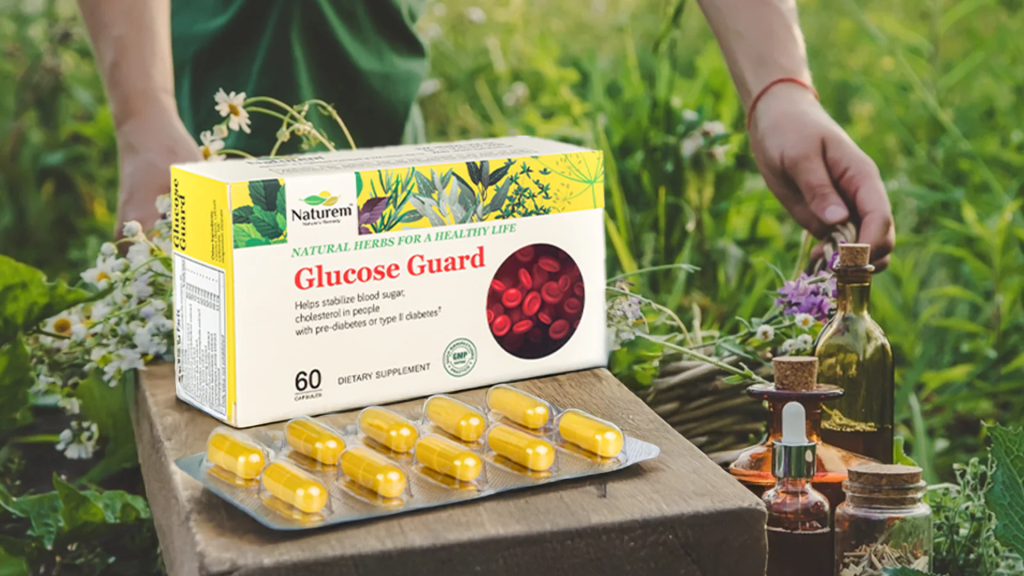
Reversing this metabolic blockade requires a strategy that goes beyond calorie restriction to focus on hormone regulation. The goal is to re-sensitize the cells so the pancreas can lower its insulin output. This often involves dietary changes that prioritize fiber and protein, alongside specific botanicals known to mimic insulin or improve its efficiency. Integrating natural food and herbs that help improve insulin sensitivity, such as cinnamon, fenugreek, and bitter melon, can provide significant support. These ingredients work by activating alternative pathways for glucose uptake, bypassing resistant receptors.
For a more targeted approach, utilizing specialized formulations like glucose guard capsules can help stabilize blood sugar variability. By flattening the glucose spikes after meals, these remedies reduce the demand on the pancreas, allowing basal insulin levels to drop. Once insulin drops sufficiently, fat-burning pathways can become more active. Evidence regarding botanicals in metabolic syndrome management highlights that compounds like berberine and chromium are potent allies in restoring metabolic flexibility.
Frequently Asked Questions (FAQ)
It is extremely difficult. High insulin significantly suppresses the activity of lipase, which is required to break down fat. Until insulin levels are lowered through diet, fasting, or medication, the body will prioritize burning incoming food energy (glucose) rather than stored body fat. This is why many people plateau despite exercising; they are fueling the workout with pre-workout sugars rather than tapping into fat stores.
The timeline varies, but improvements can be seen quickly. With strict adherence to a low-glycemic diet and exercise, blood sugar markers can improve within a few weeks. However, fully reversing established insulin resistance and significantly reducing visceral fat typically takes 3 to 6 months of consistent lifestyle changes.
Yes, intermittent fasting is one of the most effective tools. By extending the period without food, you allow insulin levels to drop to baseline. This “quiet time” gives the cells a break, resensitizing them to the hormone and allowing the body to switch into ketosis, or fat-burning mode.
Did you know that your visceral fat acts like an organ? It is not just dead weight; it is biologically active tissue that secretes hormones and inflammatory cytokines. Interestingly, the gut also contains 100 million neurons, more than the spinal cord. This “second brain” produces 95% of the body’s serotonin. High insulin and gut inflammation can disrupt this serotonin production, linking belly fat directly to mood disorders and anxiety.
References
Chakrabarti, P., Kim, J. Y., Singh, M., Shin, Y. K., Kim, J., Kumbrink, J., … & Kandror, K. V. (2010). Insulin inhibits lipolysis in adipocytes via the evolutionarily conserved mTORC1-Egr1-ATGL-mediated pathway. Molecular and Cellular Biology, 30(20), 4859-4871. https://www.ncbi.nlm.nih.gov/pmc/articles/PMC2886856/
Edwardson, C. L., Gorely, T., Davies, M. J., Gray, L. J., Khunti, K., Wilmot, E. G., … & Biddle, S. J. (2012). Association of sedentary behaviour with metabolic syndrome: a meta-analysis. PLoS One, 7(4), e34916. https://pubmed.ncbi.nlm.nih.gov/22081966/
Pang, B., Zhou, Q., Zhao, T. Y., He, L. S., Guo, J., Pan, L. H., … & Tong, X. L. (2015). Innovative thoughts on treating diabetes from the perspective of traditional Chinese medicine. Evidence-Based Complementary and Alternative Medicine, 2015. https://www.ncbi.nlm.nih.gov/pmc/articles/PMC6017688/