
The liver is the body’s metabolic engine, a resilient organ responsible for filtering toxins, regulating blood sugar, and synthesizing the proteins necessary for life. However, with the global rise of metabolic disorders, the question of diet, specifically the role of animal protein, has become a focal point of medical research. The answer is not a simple yes or no. While protein is essential for liver repair, the source and quality of that protein can determine whether it supports regeneration or accelerates inflammation.
The Red Meat Paradox: Inflammation and Iron
Red meat has long been a staple in Western diets, yet epidemiological studies increasingly link high consumption of beef, pork, and lamb to Metabolic Dysfunction-Associated Steatotic Liver Disease (MASLD), formerly known as NAFLD. The mechanisms behind this involve specific compounds found abundantly in red meat.
Heme Iron and Oxidative Stress
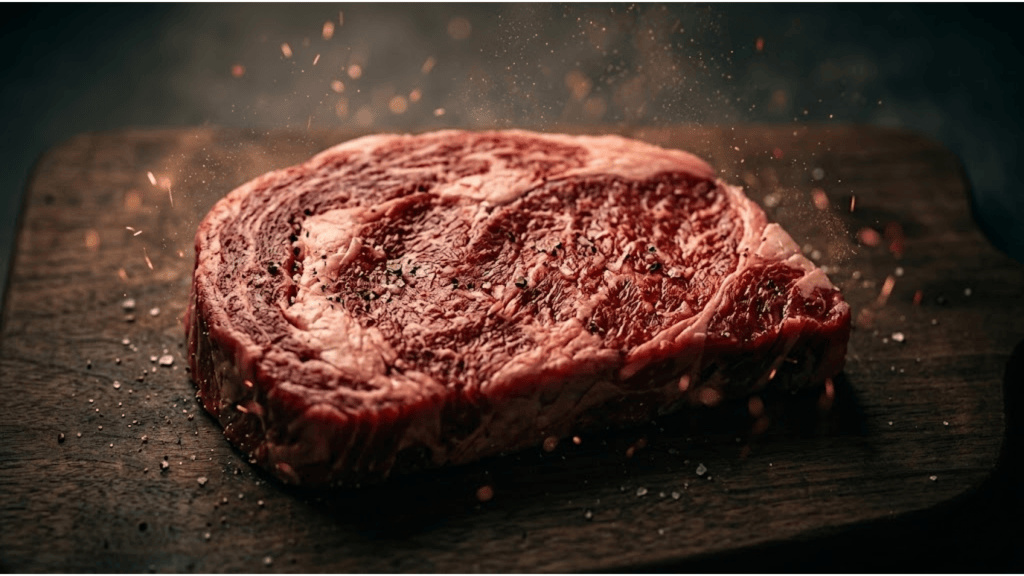
Red meat is a dense source of heme iron, a type of iron that is absorbed very efficiently by the human body. While iron is necessary for preventing anemia, excess iron accumulation in the liver acts as a catalyst for oxidative stress. This rusting effect damages liver cells (hepatocytes) and can trigger chronic inflammation. Unlike plant-based iron, the body has no active mechanism to excrete excess heme iron, making portion control critical.
Saturated Fats and Insulin Resistance
Fatty cuts of meat are high in saturated fats, which are known to exacerbate insulin resistance. When the body resists insulin, the pancreas pumps out more, signaling the liver to store fat rather than burn it. This metabolic disruption is often a central driver of fatty liver development.
Processed Meats: A Clearer Risk Pattern
While fresh red meat carries risks when consumed in excess, processed meats such as bacon, sausages, and deli slices pose a significantly higher risk to liver health.
The Nitrate Factor

Processed meats are treated with nitrates and nitrites to preserve color and prevent bacterial growth. Upon ingestion, these compounds can form nitrosamines, which are associated with oxidative stress and cellular injury and are widely studied for carcinogenic potential.
Furthermore, the high sodium content in these foods contributes to water retention and hypertension, complicating the management of liver disease. For a detailed clinical overview, review our guide to NAFLD and MASLD to understand why limiting processed foods is foundational to treatment.
Smart Protein Choices: The Anti-Inflammatory Approach
Eliminating animal protein is not inherently necessary; rather, strategic selection and moderation determine metabolic outcomes. Shifting toward smarter protein choices can support hepatic recovery and improve metabolic health. Shifting toward smarter protein choices can support hepatic recovery and improve metabolic health.
Fish and Poultry: The Lean Advantage
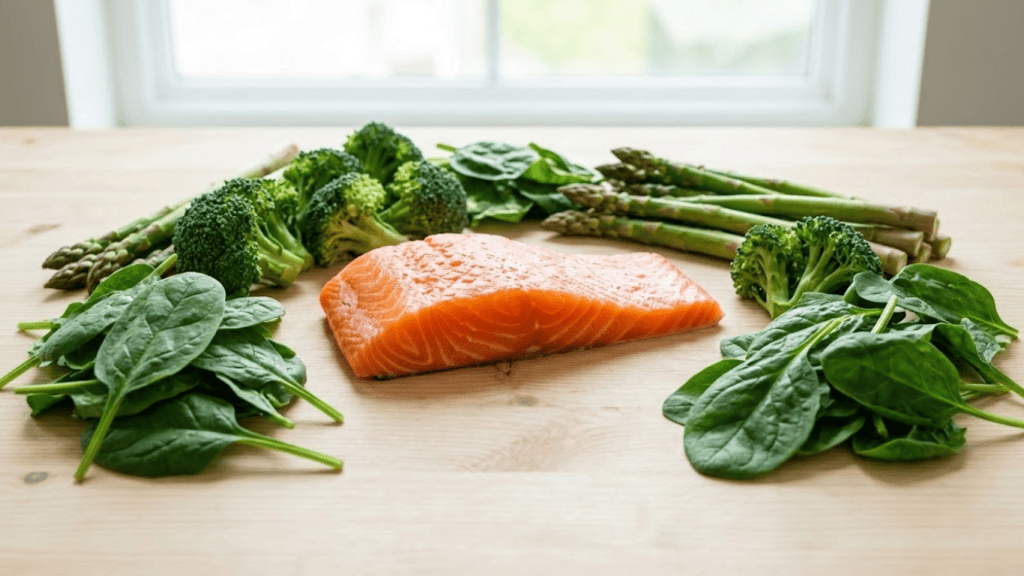
Fatty fish like salmon, mackerel, and sardines are excellent protein sources that may support reductions in liver fat. They are rich in omega-3 fatty acids, which can influence hepatic lipid metabolism and promote fat oxidation.
- Poultry: Skinless chicken and turkey offer high-quality amino acids without the inflammatory saturated fat profile of red meat.
- Joint Health Overlap: Interestingly, the same diet that helps the liver also protects the musculoskeletal system. Incorporating anti-inflammatory foods benefits both liver enzymes and joint health.
Plant-Based Proteins: The Gold Standard
Plant proteins are less taxing on the liver because they produce fewer ammonia byproducts during digestion. Legumes, lentils, and tofu are staples in a hepatoprotective diet.
- Detoxification: Green leafy vegetables such as spinach and kale support Phase II liver detoxification pathways.
- Antioxidants: Adopting a rainbow diet ensures consistent exposure to diverse phytonutrients that neutralize oxidative stress generated during protein metabolism.
The Metabolic and Hormonal Connection
The liver does not operate in isolation; it is a central regulator of metabolic signaling that influences hormonal balance and brain function.
The Brain-Liver Axis
When the liver is overwhelmed by excess animal protein and toxins, ammonia levels in the blood rise, which can affect cognitive function. Emerging evidence links hepatic metabolic dysfunction to neurodegenerative processes, particularly in discussions surrounding Alzheimer’s disease and systemic metabolic imbalance. Maintaining hepatic metabolic capacity plays an important role in preserving cognitive resilience.
Sulfur-Rich Foods for glutathione

The liver relies on an antioxidant called glutathione to detoxify the body. Synthesis of this compound requires sulfur-containing amino acids found in sulfur-rich foods such as garlic, onions, and whole grains. These foods boost immunity and metabolism without the heavy load of animal fats.
For a broader perspective on dietary patterns and liver physiology, explore foods good for the liver beyond detox narratives.
Integrative Medicine: Enhancing Liver Function
Modern medicine advocates for dietary changes, while traditional medicine offers potent herbal support.
The Role of Turmeric
One of the most researched spices for liver health is turmeric. Its active compound, curcumin, has been shown to reduce liver fibrosis and suppress inflammatory cytokines. It bridges the gap between culinary enjoyment and medical therapy.
The therapeutic potential of turmeric in chronic inflammation has been explored extensively in both experimental and clinical research.
Structuring Your Diet
To effectively manage liver health, consistency is key. A structured approach that combines medical knowledge with practical dietary steps is outlined in the medical guide to liver health.
Frequently Asked Questions (FAQ)
Generally, yes. Whey protein contains Branched-Chain Amino Acids (BCAAs), which are often considered supportive for liver health as they are metabolized differently from aromatic amino acids and may support muscle metabolism without excessively burdening hepatic processing. However, avoid brands with high sugar or artificial additives.
Yes, eggs are a powerhouse of nutrition. They contain choline, a nutrient strictly required to move fat out of the liver. Deficiency in choline is actually a risk factor for fatty liver disease.
Most clinical guidelines recommend limiting red meat intake and avoiding processed meats whenever possible.
Absolutely. Coffee is one of the most hepatoprotective beverages available. Studies show that drinking black coffee can lower liver stiffness, reduce enzyme levels, and decrease the risk of liver cancer.
Unlike glucose, which can be used by every cell in the body, fructose is metabolized almost exclusively by the liver. High intake of fructose (like in high-fructose corn syrup) puts immediate strain on the liver, converting directly into fat.
References
- Chalasani, N., Younossi, Z., Lavine, J. E., Charlton, M., Cusi, K., Rinella, M., … & Sanyal, A. J. (2018). The diagnosis and management of nonalcoholic fatty liver disease: Practice guidance from the American Association for the Study of Liver Diseases. Hepatology, 67(1), 328–357. https://doi.org/10.1002/hep.29367
- Corbin, K. D., & Zeisel, S. H. (2012). Choline metabolism provides novel insights into nonalcoholic fatty liver disease and its progression. Current Opinion in Gastroenterology, 28(2), 159–165. https://doi.org/10.1097/MOG.0b013e32834e7b4b
- Freedman, N. D., Everhart, J. E., Lindsay, K. L., Ghany, M. G., Curto, T. M., Shiffman, M. L., … & HALT-C Trial Group. (2009). Coffee intake is associated with lower rates of liver disease progression in chronic hepatitis C. Hepatology, 50(5), 1360–1369. https://doi.org/10.1002/hep.23162
- Kennedy, O. J., Roderick, P., Buchanan, R., Fallowfield, J. A., Hayes, P. C., & Parkes, J. (2016). Systematic review with meta-analysis: Coffee consumption and the risk of cirrhosis. Alimentary Pharmacology & Therapeutics, 43(5), 562–574. https://doi.org/10.1111/apt.13523
- Mouralidarane, A., Soeda, J., & Vinciguerra, M. (2013). The role of methyl donors in the onset and progression of non-alcoholic fatty liver disease. Journal of Hepatology, 59(5), 906–908. https://doi.org/10.1016/j.jhep.2013.06.012
- Zelber-Sagi, S., Ivancovsky-Wajcman, D., Fliss Isakov, N., Webb, M., Oren, R., & Shibolet, O. (2018). High red and processed meat consumption is associated with non-alcoholic fatty liver disease and insulin resistance. Journal of Hepatology, 68(6), 1239–1246. https://doi.org/10.1016/j.jhep.2018.01.015