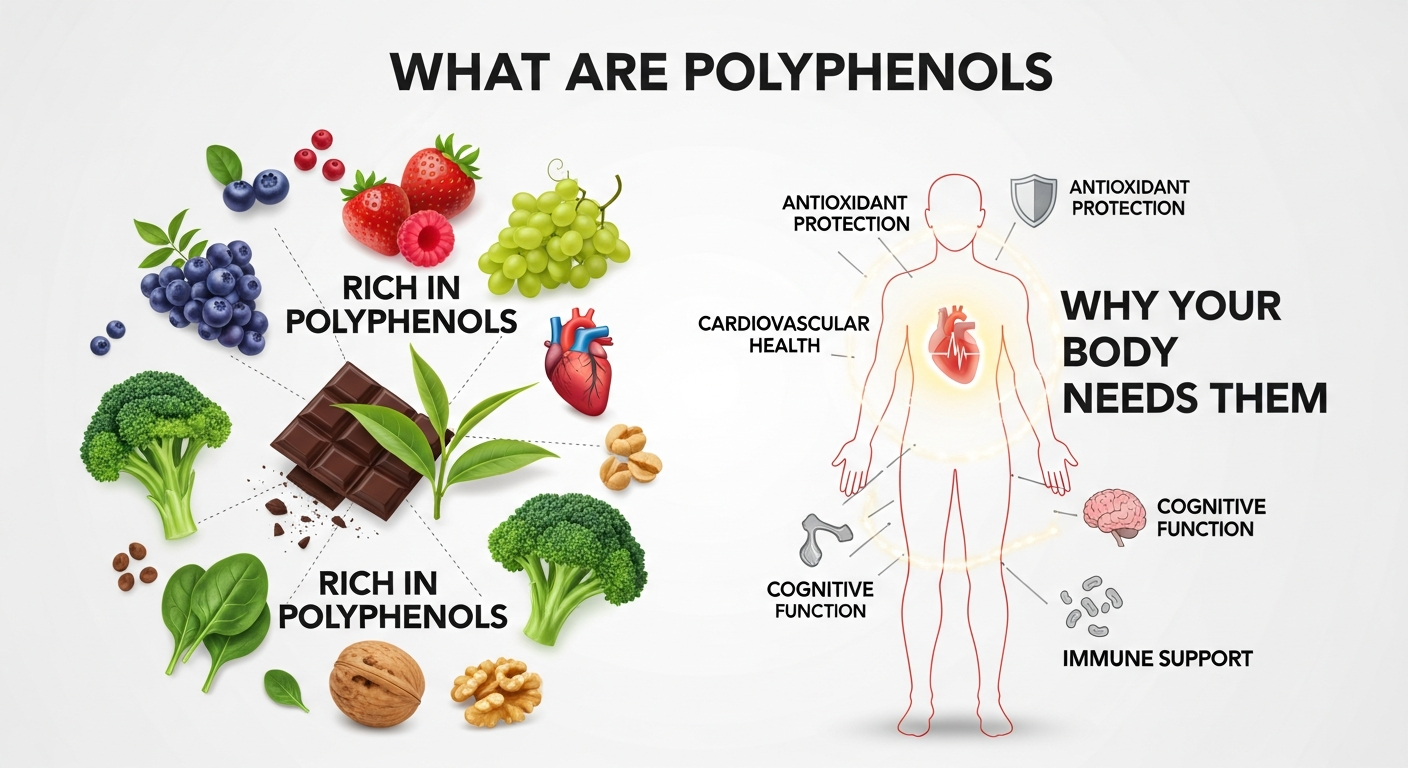
You’ve probably heard the advice to “eat the rainbow” or that a glass of red wine can be heart-healthy. The science behind these recommendations comes from a powerful class of plant compounds called polyphenols.
In today’s world, where chronic inflammation and metabolic stress are widespread, polyphenols have emerged as potent allies for preventive health. Unlike simple vitamins, they are complex bioactive compounds that plants produce to defend themselves and, remarkably, they offer similar protective benefits to the human body.
With over 8,000 types of polyphenols identified, it can be overwhelming to know which ones you need, whether you’re consuming enough, and if your body is actually absorbing them.
This article will simplify the science, turning the complex biochemistry of polyphenols into practical guidance from addressing cellular oxidative stress to harnessing nature’s most vibrant, protective ingredients.
>What Are Polyphenols and Why Your Body Needs Them
How “Cellular Rust” Accelerates Aging and Disease
To understand why polyphenols are essential, we first need to recognize the enemy: oxidative stress.
Every breath, every meal, and even exposure to pollution generates unstable molecules called free radicals (specifically reactive oxygen species, or ROS). In a healthy body, these are neutralized efficiently. But the modern lifestyle high-sugar diets, chronic stress, and environmental toxins can overwhelm your antioxidant defenses.
When free radicals outnumber antioxidants, they steal electrons from healthy cells, damaging DNA, proteins, and cell membranes a process often described as “cellular rusting.”
The Consequences of Unchecked Oxidative Stress:
- Systemic Inflammation: A low-grade fire that fuels cardiovascular disease and autoimmune conditions.
- Insulin Resistance: Impairment of insulin signaling, contributing to Type 2 Diabetes.
- Neurodegeneration: Accelerates cognitive decline and amyloid plaque accumulation, increasing Alzheimer’s risk.
- Cellular Aging: Damages collagen synthesis, causing premature skin aging and loss of elasticity.
>The Rainbow Diet Explained – How Eating by Color Boosts Health, Energy, and Longevity
Why “Just Eating Healthy” Isn’t Enough
Many believe that avoiding junk food is sufficient for health. Yet a diet heavy in “beige” staples chicken, rice, bread, potatoes provides macronutrients but lacks the protective compounds your cells need.
Without a steady supply of polyphenols, your body remains vulnerable. You may feel “fine” but still experience:
- Brain fog or poor mental clarity from neuroinflammation
- Joint stiffness linked to elevated C-reactive protein (CRP)
- Difficulty controlling blood sugar spikes after meals
Modern medicine often treats these issues in isolation statins for cholesterol, NSAIDs for pain, metformin for glucose but these interventions don’t provide the cellular defense your body craves. Nature, through polyphenols, offers a holistic, foundational strategy to strengthen your internal resilience.
Polyphenols Explained
How Plant Compounds Train Your Cells for Resilience
Polyphenols are plant chemicals that protect plants from UV radiation, insects, and infections. When we consume them, they trigger a process called xenohormesis a mild stress that encourages our cells to strengthen their own defenses.
The Four Main Classes of Polyphenols
- Flavonoids
- ~60% of all polyphenols
- Support immune function and reduce histamine release
- Sources: Onions, apples, red cabbage, dark chocolate
- Phenolic Acids
- Easily absorbed in the digestive tract
- Help regulate blood sugar and liver lipid metabolism
- Sources: Coffee, tea, whole grains, berries
- Stilbenes
- Rare but potent
- Resveratrol activates longevity genes (SIRT1)
- Sources: Grapes, red wine, peanuts
- Lignans
- Interact with gut bacteria to mimic estrogen (phytoestrogens)
- Support hormonal balance
- Sources: Flax seeds, sesame seeds, legumes
By embracing xenohormesis, polyphenols don’t just “clean” the body they train cells to become more resilient. A diet rich in these compounds is one of the most effective strategies to support long-term cellular health and slow age-related decline.
How Polyphenols Work: Cellular Mechanisms That Protect and Strengthen Your Body
As a physician, I focus on mechanisms supported by clinical research. Polyphenols do more than neutralize free radicals they actively reprogram cellular signaling to enhance resilience and health.
1. Activating the Nrf2 Pathway
Think of Nrf2 as the master switch for your body’s internal antioxidant defenses. Polyphenols like sulforaphane and curcumin flip this switch, activating Antioxidant Response Elements (ARE) in your DNA. This leads to the production of protective enzymes such as superoxide dismutase and glutathione.
2. Inhibiting NF-κB (The Inflammation Trigger)
Chronic inflammation is driven by NF-κB, a protein complex that triggers cytokine production. Compounds like EGCG from green tea can suppress this cascade, reducing inflammation and preventing tissue damage.
3. Nourishing the Microbiome
About 90% of polyphenols reach the colon, where they act as prebiotics. Beneficial bacteria, such as Akkermansia muciniphila, metabolize them into short-chain fatty acids (SCFAs) like butyrate, which support gut barrier health and overall immunity.
4. Protecting Endothelial Function
Polyphenols, especially those in cocoa, enhance nitric oxide (NO) bioavailability, relaxing blood vessels (vasodilation) and helping maintain healthy blood pressure and circulation.
Integrating Polyphenols into Your Daily Life
Knowing the science is important, but practical application is key. Here’s how to consistently get the benefits of polyphenols:
High-Impact Polyphenol Foods
To reach a therapeutic target of ~1,000 mg/day, focus on these powerhouse foods:
- Cloves & Star Anise: Among the highest polyphenol content by weight
- Black Chokeberries (Aronia): Superior ORAC values vs. blueberries
- Dark Chocolate (85%+): Clinically validated flavanols for heart health
- Green Tea (Matcha): Whole-leaf EGCG, 137× more than bagged tea
- Globe Artichokes: Vegetable kingdom’s antioxidant leader
Enhancing Absorption
Polyphenols are poorly absorbed, but these doctor-approved strategies help:
- Pair with Fat: Lipophilic compounds like curcumin absorb better with olive oil or avocado up to 2000% increase via chylomicron transport
- Add Pepper: Piperine in black pepper slows polyphenol breakdown in the liver
- Fermentation: “Pre-digested” polyphenols in fermented foods are easier for your gut to use
Consistently reaching 1,000 mg/day creates a steady cellular defense, shielding DNA from oxidative stress, supporting metabolic function, and promoting long-term health.
Natural Solutions for Daily Polyphenol Support
Whole foods are the foundation of health, but achieving therapeutic consistency every day can be challenging. High-quality herbal preparations help ensure your body receives a steady supply of protective compounds.
Advanced Botanical Formulations
For a scientifically rigorous, plant-based approach, Naturem offers products that preserve the full spectrum of phytonutrients, rather than isolated compounds. Learn more at naturem.us.
The Power of Vietnamese Herbs
Vietnam’s tropical climate produces herbs exceptionally rich in polyphenols.
- SVK Herbal: Premium herbal teas dense in anthocyanins (Hibiscus) and detoxifying agents (Artichoke). Visit svkherbal.com.
- Herbs of Vietnam: Exotic ingredients like Gac Fruit, high in lycopene and beta-carotene, with documented traditional and modern uses. Explore at herbsofvietnam.com.
Targeted Herbal Extracts
For precise support, Lanui offers standardized extracts combining Traditional Vietnamese Medicine with GMP standards. Ideal for liver support, metabolic balance, and other specific health needs. Browse their catalog at lanui.vn.
Fun Facts About Polyphenols
- The Color Code: Plant color often signals the type of polyphenol. Red/Purple = anthocyanins (berries), Orange/Yellow = flavonols (citrus), White/Green = flavan-3-ols (tea, apples).
- Coffee is King: In the Western diet, coffee provides the most antioxidants not because it’s the densest, but because we drink it the most.
- Stress Makes Them Stronger: Plants produce more polyphenols when stressed by harsh weather or pests. That’s why organic or wild-harvested plants often have higher antioxidant levels than perfectly pampered greenhouse crops.
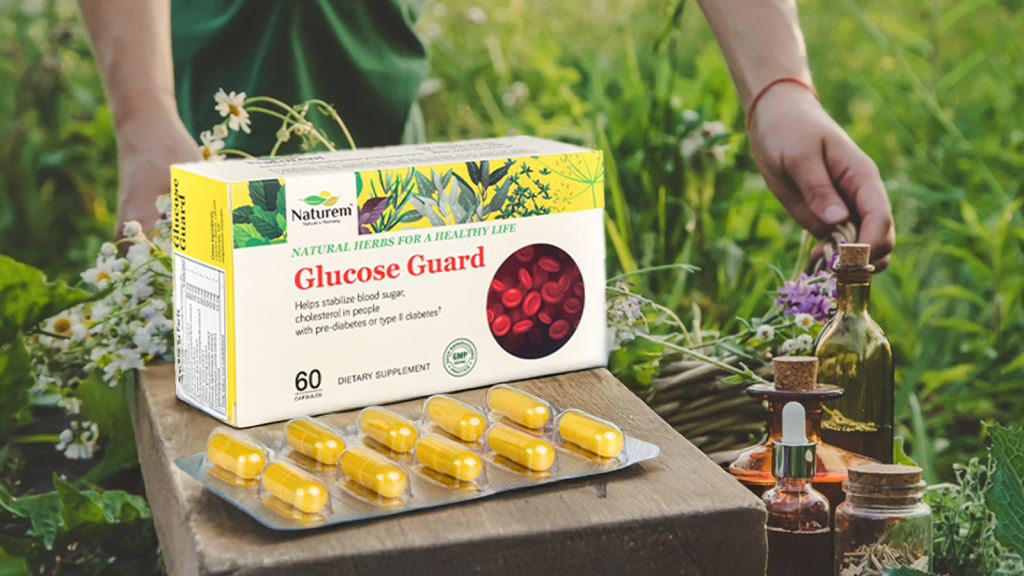
Naturem™ Glucose Guard: Herbal Support for Balanced Blood Sugar & Metabolism
Naturem™ Glucose Guard is a scientifically formulated herbal blend that helps maintain healthy glucose metabolism, reduce post-meal spikes, and strengthen long-term metabolic resilience. Combining high-potency polyphenols with traditional Vietnamese medicinal herbs, it addresses the imbalances created by modern diets.
This is not a stimulant or quick fix it works at the cellular level, supporting your body’s natural pathways for steady, healthier blood sugar responses throughout the day.
Frequently Asked Questions (FAQ)
A mix is best. Vitamin C is sensitive to heat, but many polyphenols remain stable during cooking. For example, cooking tomatoes releases lycopene, making it easier for your body to absorb. However, deep frying destroys most beneficial compounds through thermal degradation. Light steaming is generally the best method.
Supplements are useful for therapeutic dosing, such as using curcumin to support joint comfort, but they do not replace whole foods. Foods contain a natural matrix of synergistic compounds that help polyphenols work more effectively. Use supplements to support, not replace, a healthy diet.
It is very difficult to consume too many polyphenols from food alone. However, very high doses from concentrated extracts, especially green tea extract, may stress the liver. Always follow recommended dosages and consult a healthcare professional for guidance.
Some research suggests that the casein protein in dairy milk can bind to polyphenols in tea and chocolate, reducing how much your body absorbs. For maximum benefit, consider consuming tea without milk or with plant-based alternatives.
Polyphenols do not produce immediate results. They work by supporting cellular health over time. Research indicates that consistent intake for 4 to 12 weeks may lead to measurable improvements in inflammation, skin condition, or blood pressure.
References
Cory, H., Passarelli, S., Szeto, J., Tamez, M., & Mattei, J. (2018). The role of polyphenols in human health and food systems: A mini-review. Frontiers in Nutrition, 5, 87. https://doi.org/10.3389/fnut.2018.00087
Fraga, C. G., Croft, K. D., Kennedy, D. O., & Tomas-Barberan, F. A. (2019). The effects of polyphenols and other bioactives on human health. Food & Function, 10(2), 514-528. https://doi.org/10.1039/C8FO01997E
Hussain, T., Tan, B., Yin, Y., Blachier, F., Tossou, M. C., & Rahu, N. (2016). Oxidative stress and inflammation: What polyphenols can do for us?. Oxidative Medicine and Cellular Longevity, 2016, 7432797. https://doi.org/10.1155/2016/7432797
Khan, N., & Mukhtar, H. (2018). Tea polyphenols in promotion of human health. Nutrients, 11(1), 39. https://doi.org/10.3390/nu11010039
Manach, C., Scalbert, A., Morand, C., Rémésy, C., & Jiménez, L. (2004). Polyphenols: Food sources and bioavailability. The American Journal of Clinical Nutrition, 79(5), 727–747. https://doi.org/10.1093/ajcn/79.5.727
Pandey, K. B., & Rizvi, S. I. (2009). Plant polyphenols as dietary antioxidants in human health and disease. Oxidative Medicine and Cellular Longevity, 2(5), 270–278. https://doi.org/10.4161/oxim.2.5.9498
Rana, A., Samtiya, M., Dhewa, T., Mishra, V., & Aluko, R. E. (2022). Health benefits of polyphenols: A concise review. Journal of Food Biochemistry, 46(10), e14264. https://doi.org/10.1111/jfbc.14264
Williamson, G. (2017). The role of polyphenols in modern nutrition. Nutrition Bulletin, 42(3), 226–235. https://doi.org/10.1111/nbu.12278