
Heart-Healthy Red Foods for Strong Circulation
The bright hues of nature often reveal more than meets the eye-they signal a rich source of nutrients. Red foods, in particular, shine not only for their striking color but also for their heart-boosting properties. From succulent strawberries and red bell peppers to nutrient-packed beets and cherries, these foods deliver powerful antioxidants and phytonutrients that support healthy circulation, protect blood vessels, and help lower the risk of heart disease.
Both modern medicine and traditional wisdom agree: incorporating red foods into your daily meals is a natural way to nourish the heart and maintain a healthy rhythm of life.
Red Foods for Heart and Blood Health
The Hidden Science of Red in Nutrition
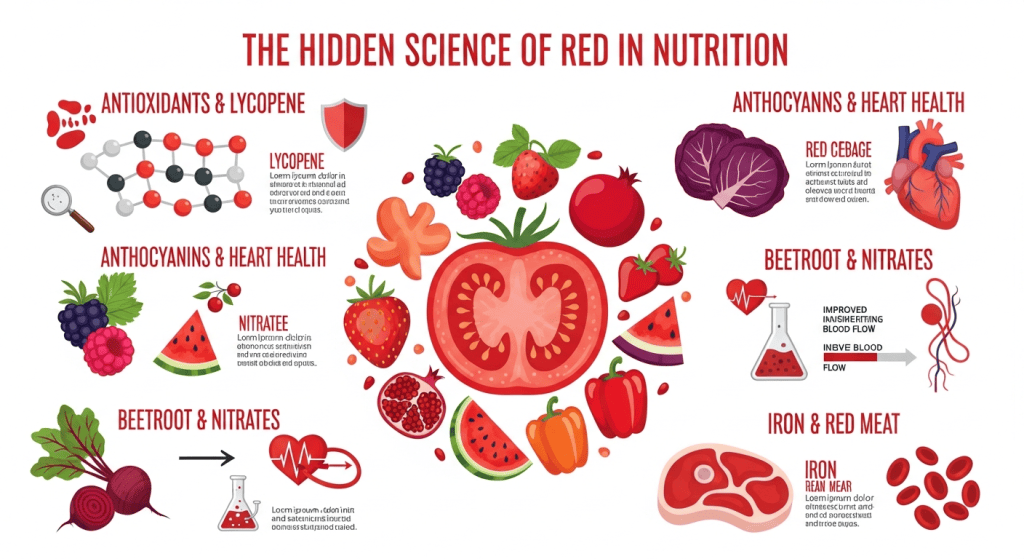
The rich red color of many foods comes from bioactive compounds like lycopene, anthocyanins, betalains, and naturally occurring nitrates. These pigments do more than provide visual appeal-they act as molecular protectors, helping regulate oxidative stress, reduce inflammation, and support healthy blood vessel function.
Lycopene
Lycopene, a carotenoid found in abundance in tomatoes, watermelon, and pink guava, is known for its potent antioxidant effects. Research indicates that it can help lower oxidative stress and prevent the oxidation of low-density lipoprotein (LDL), a critical factor in the development of atherosclerosis (Biddle et al., 2022).
Additionally, a meta-analysis found that individuals with higher lycopene levels had a markedly reduced risk of stroke and cardiovascular-related death (Chun et al., 2017).
Dietary Nitrates
Red root vegetables, such as beets, are high in natural nitrates. Once consumed, the body converts these nitrates into nitric oxide (NO), a molecule that helps relax blood vessels, enhance blood flow, and lower blood pressure.
Clinical studies indicate that drinking beetroot juice can reduce systolic blood pressure by around 4–5 mmHg, especially in people with hypertension.
Anthocyanins and Flavonoids
The rich red, purple, and deep-crimson colors found in berries, red grapes, and cherries come from anthocyanins and other flavonoids. These compounds possess anti-inflammatory and antiplatelet properties and may support endothelial function, helping arteries remain flexible and healthy (Wallace & Giusti, 2015).
Betalains and Polyphenols
Beets and pomegranates are rich in betalains and polyphenolic compounds like punicalagin and ellagic acid. These antioxidants help protect the inner lining of blood vessels, reduce oxidative stress, and support healthy cholesterol metabolism (Mphahlele et al., 2020).
Combined, these phytochemicals promote smoother blood flow, help lower blood pressure, and reduce the risk of blood clot formation-key factors in maintaining cardiovascular health.
> What Is Cholesterol and Why Is It Important?
Best Red Foods to Boost Heart and Circulation
Tomatoes and Tomato Products

Tomatoes are the most abundant source of lycopene, and their health benefits go well beyond their vibrant color. Regularly including tomato-based foods in your diet has been linked to lower LDL cholesterol levels and enhanced vascular function.
Interestingly, lycopene is fat-soluble, so its absorption is improved when tomatoes are cooked with healthy fats like olive oil (Rao & Rao, 2007).
Beets and Beetroot Juice

Beetroot has long been valued for its health benefits, both in traditional diets and modern nutrition. Its naturally occurring nitrates boost nitric oxide production, which improves oxygen delivery and helps reduce arterial stiffness.
In older adults, supplementation with beetroot has also been associated with decreased inflammation and oxidative stress (Miller et al., 2024).
Pomegranat
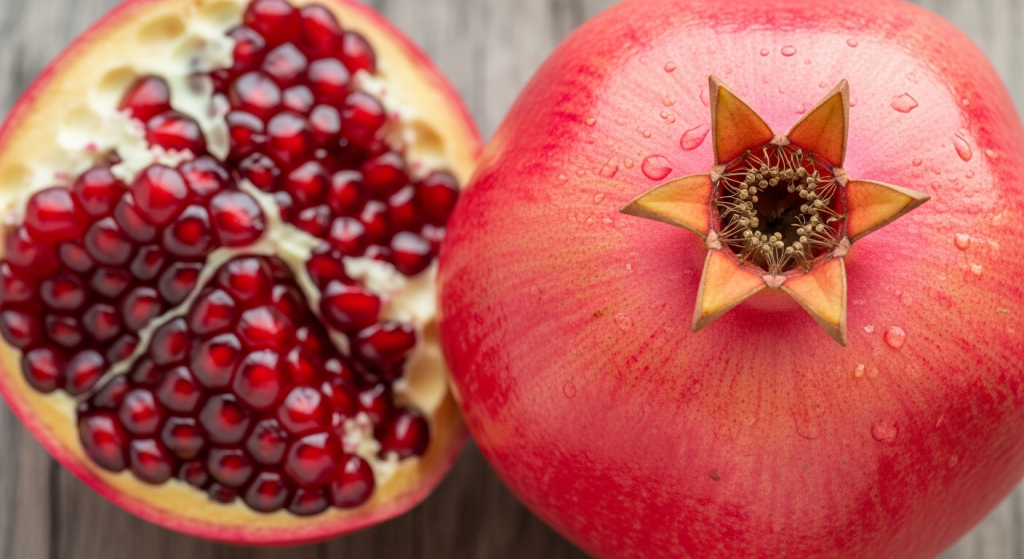
The ruby-red seeds of pomegranate are packed with polyphenols that help safeguard blood vessels and support healthy cholesterol levels.
Clinical research has found that drinking pomegranate juice daily can lower blood pressure and slow the buildup of atherosclerotic plaque (S Asgary, 2017).
Red Berries and Grapes

Berries, including strawberries, raspberries, and cherries, are rich in anthocyanins, compounds that enhance vascular function and help reduce inflammation.
Red grapes, especially their skins, are a valuable source of resveratrol, which aids in endothelial repair and provides protection against oxidative stress (M Ndiaye, 2011).
Red Peppers, Red Onions, and Kidney Beans
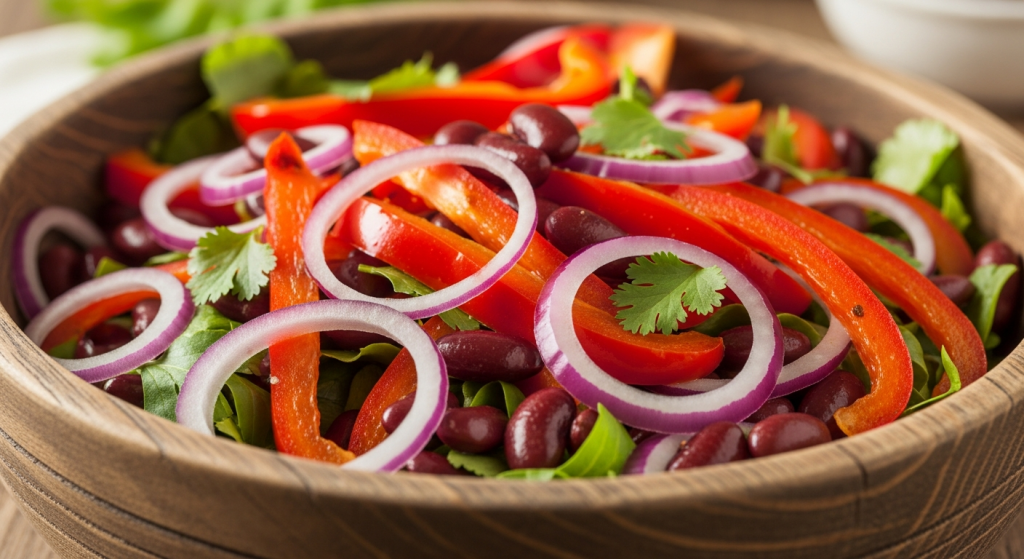
Often underestimated, red vegetables and legumes provide important nutrients such as vitamin C, fiber, and polyphenols. Vitamin C helps reinforce capillary walls, while the fiber found in beans contributes to healthy cholesterol regulation. Additionally, quercetin, a flavonoid present in red onions, may help lower blood pressure in people with hypertension (V Brüll · 2015).
> Learn more about How to Lower Cholesterol Naturally Without Medication
Easy Ways to Include Red Foods in Everyday Meals

Creating a heart-friendly plate isn’t about strict rules-it’s about balance, variety, and understanding how foods work together. By mixing preparation methods and pairing foods thoughtfully, you can maximize the nutritional benefits of red foods while keeping meals enjoyable and sustainable.
- Combine raw and cooked: Cooking tomatoes boosts lycopene absorption, while fresh berries preserve delicate antioxidants.
- Include healthy fats: A touch of olive oil on a tomato salad helps your body absorb carotenoids more effectively.
- Diversify your choices: Aim for at least three different red foods each day, such as a tomato soup, beet salad, and a handful of cherries.
- Practice moderation: Natural pigments in beets can temporarily color urine (a harmless effect called beeturia). Limit sugary fruit juices; whole fruits provide more fiber and balanced nutrition.
- Balance the rainbow: Red foods are powerful on their own, but combining them with green, yellow, and purple foods amplifies their benefits-the essence of the rainbow diet.
In short, the benefits of red foods extend beyond their individual nutrients-they shine most when combined with a variety of colorful, whole foods. Eating a balanced, rainbow-inspired diet helps ensure that your heart and your entire body receive the full spectrum of nutrients that nature intended.
Things to Keep in Mind

Even natural foods deserve careful attention:
- Oxalates in beets: They may increase the risk of kidney stones in susceptible individuals.
- Medication interactions: People taking antihypertensive or anticoagulant medications should consult their doctor before consuming concentrated beet or pomegranate juice regularly.
- Whole foods over supplements: Supplements cannot fully replicate the synergistic benefits of nutrients found in whole foods.
Practicing mindful eating means appreciating both the benefits and limitations of natural foods. When selected thoughtfully and enjoyed in moderation, red foods can support heart health safely and effectively-without relying on pharmaceuticals.
Conclusion with Health Expert Insights

Red foods perfectly illustrate how nature blends color, chemistry, and wellness. Their carotenoids, anthocyanins, and natural nitrates work together to support heart health, enhance blood quality, and protect the vessels that deliver nutrients to every cell.
Incorporating a variety of red foods-such as tomatoes, beets, pomegranates, berries, and legumes-into a balanced, plant-rich diet is a simple yet effective strategy to promote cardiovascular vitality. Modern research echoes what traditional wisdom has long known: every shade of red carries a subtle promise of strength, warmth, and life.
Naturem™ Glucose Guard: A Partner for Digestive and Metabolic Wellness

A well-rounded diet abundant in fiber, fermented foods, and adequate hydration forms the cornerstone of digestive health. However, for many individuals, supporting the body’s processing of sugars and fats after digestion is equally crucial.
This is where Naturem™ Glucose Guard makes a difference. Its advanced herbal formulation delivers dual-action support, helping to regulate both blood sugar and cholesterol-two essential pillars of lasting metabolic wellness.
Powered by Clinically Studied Ingredients
- Berberine: Helps lower fasting blood glucose, LDL cholesterol, and triglycerides by improving insulin sensitivity and reducing inflammation.
- Gynostemma pentaphyllum: A potent antioxidant herb that supports heart and liver health.
- Cinnamon extract: Assists in stabilizing post-meal blood sugar levels and promotes healthier cholesterol.
Together, these ingredients work to slow the absorption of sugars and fats in the digestive system, while enhancing circulation and supporting overall metabolic balance.
Whether you are prediabetic, managing mild cholesterol concerns, or simply looking to protect long-term health, Naturem™ Glucose Guard provides a natural, complementary approach to a gut-friendly diet and lifestyle.
Frequently Asked Questions (FAQs)
The World Health Organization (WHO, 2020) recommends consuming at least 400 grams of fruits and vegetables per day, roughly five servings, to reduce the risk of heart disease, stroke, and certain cancers. A balanced intake from all color groups (red, green, yellow, purple, white) ensures diverse antioxidants and micronutrients.
Tip: One serving equals one medium-sized fruit (e.g., apple or tomato) or half a cup of cooked vegetables.
Not exactly. Whole red foods provide a synergistic mix of vitamins, minerals, fiber, and phytonutrients that isolated supplements cannot reproduce. Research shows that combinations of plant compounds work additively and synergistically to protect health (Liu, 2003).
While supplements such as lycopene or resveratrol may help in certain cases, their effects are often weaker or inconsistent compared with eating real foods (Rao & Rao, 2007).
Yes. Several red foods, particularly beets, pomegranates, and red beans, supply iron, folate, and natural antioxidants that support red-blood-cell production. However, they do not replace medical treatment for anemia. Proper diagnosis and iron therapy should always be guided by a healthcare professional (Zimmermann & Hurrell, 2007).
Generally yes. Most red plant foods have a low glycemic index and contain fiber that slows glucose absorption. The American Diabetes Association (2023) notes that berries, tomatoes, and beets can be safely included in a balanced diabetic meal plan. Avoid sweetened juices or processed sauces, which can raise blood sugar quickly.
Vietnamese diets include several red foods that provide strong cardiovascular support:
Momordica cochinchinensis: exceptionally high in lycopene and beta-carotene.
Red rice: rich in anthocyanins and natural monacolin K, which may help regulate cholesterol.
Roselle (Hibiscus sabdariffa): shown in clinical studies to lower mild hypertension and cholesterol.
These complement global red foods like beets and pomegranates while aligning naturally with local Vietnamese cuisine.