
In modern life, stress has become an unavoidable companion for many people. But few realize that prolonged stress doesn’t just affect mental health or overall well-being – it also has a powerful and direct impact on the skin. One of the most harmful factors is cortisol, the stress hormone that can break down collagen and accelerate skin aging.
This article analyzes how stress damages the skin, the mechanism behind cortisol-induced collagen breakdown, and the most effective ways to protect your skin while dealing with daily pressure.
> Why Choose Naturem™ Memory+?
How Stress Harms the Skin
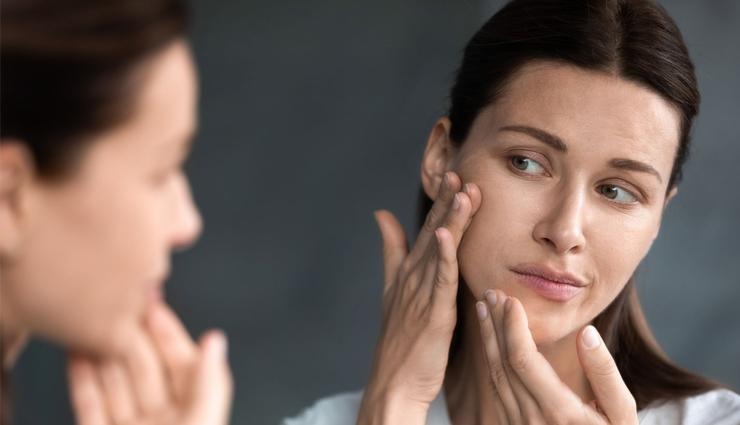
Stress directly alters the biological processes that keep skin firm, hydrated, and evenly toned. When cortisol remains elevated, the skin shifts from a state of renewal into one of accelerated breakdown.
- Reduced Collagen and Elastin Production: Collagen and elastin form the structural foundation of the skin, giving it firmness and elasticity. High cortisol levels suppress the cells responsible for producing these proteins, making the skin age faster even in young individuals.
- Sagging and Loss of Elasticity: When collagen production drops and elastin weakens, skin becomes loose and less resilient, especially around the jawline, cheeks, and eye area.
- Early Formation of Wrinkles: Initially fine lines can deepen over time if stress continues. Elevated cortisol also weakens the skin’s structure, making it more prone to creasing with facial expressions.
- Dull and Tired-Looking Skin: Stress reduces blood circulation to the skin’s surface, resulting in poor oxygenation and nourishment. This leads to a dull, lackluster appearance.
- Pigmentation Issues – Melasma, Dark Spots, Freckles: Cortisol stimulates melanocytes (pigment cells), increasing melanin production. Combined with UV exposure, this can lead to melasma, dark patches, and uneven skin tone.
- Dryness and Dehydration: Stress weakens the skin barrier, increasing transepidermal water loss. This leaves the skin dehydrated, flaky, and more sensitive.
- Increased Acne Breakouts: Stress triggers the sebaceous glands to produce excess oil. Oil buildup combined with dead skin cells clogs pores and leads to acne.
- Slower Healing and Recovery: Skin injuries, inflammation, or irritation take longer to heal because cortisol interferes with cell regeneration and repair processes.
Over time, these changes accumulate, causing the skin to lose structure, clarity, and resilience. Managing stress is therefore not only a lifestyle concern but a critical factor in preserving skin integrity and slowing premature aging.
The Role of Cortisol

Cortisol is the body’s primary stress hormone, designed to protect us in short bursts. However, when stress becomes chronic, sustained cortisol exposure begins to interfere with the skin’s normal repair, renewal, and protective functions.
- Cortisol Rises During Prolonged Stress: Cortisol is essential for short-term survival responses, but when released continuously, it becomes detrimental – especially to the skin.
- Disruption of the Skin’s Renewal Cycle: The skin typically renews itself every 28 days. Elevated cortisol slows this cycle, causing dead cells to accumulate and the skin surface to become rougher.
- Increased Skin Inflammation: Cortisol suppresses immune function, making the skin more prone to redness, irritation, and inflammatory reactions.
- Thinning of the Epidermis: Cortisol inhibits keratinocyte growth – the cells that form the skin’s protective layer. This leads to thinning and increased sensitivity.
- Inhibition of New Collagen Synthesis: Cortisol disrupts enzymes that support collagen formation, reducing the skin’s ability to replenish lost collagen.
- Acceleration of Collagen Breakdown: Cortisol activates matrix metalloproteinases (MMPs), enzymes that break down collagen and elastin. When MMP activity rises, skin aging accelerates significantly.
As cortisol remains elevated, the skin shifts from regeneration to degradation. Controlling stress and restoring hormonal balance is therefore essential for preserving collagen integrity, skin thickness, and long-term resilience.
Common Skin Conditions Triggered by Stress

Stress doesn’t only cause aging – it can also worsen existing skin issues or trigger new ones.
- Acne: More oil → clogged pores → inflammation → breakouts.
- Eczema (Atopic Dermatitis): Stress weakens the skin barrier, making eczema symptoms flare up, including itching and redness.
- Psoriasis: Immune dysregulation caused by stress can make psoriasis episodes more intense and frequent.
- Seborrheic Dermatitis: Overactive oil production can lead to redness and flaking on the face and scalp.
- Stress-Induced Hives: Rapid cortisol fluctuations may cause red, itchy patches or welts.
- Telogen Effluvium (Stress-Related Hair Loss): Stress pushes hair follicles into a resting phase, causing noticeable shedding weeks later.
- Rosacea: Stress dilates blood vessels, leading to sudden facial flushing, sensitivity, and warmth.
Because stress affects hormones, immunity, and circulation at the same time, its impact on the skin is rarely limited to a single condition. Managing stress at the systemic level is therefore essential not only for slowing skin aging, but also for preventing flare-ups and maintaining long-term skin stability.
Factors That Make Stress More Damaging to the Skin

Stress rarely acts alone. Its damaging effects on the skin are amplified by everyday habits and environmental exposures that silently weaken the skin’s ability to repair, protect, and maintain structural integrity.
- Lack of Sleep: Poor sleep prevents cortisol levels from dropping at night, limiting the skin’s ability to repair itself.
- High Sugar Intake: Sugar causes glycation, a process that makes collagen brittle and easily damaged.
- Staying Up Late: Nighttime is when the skin regenerates. Without melatonin, this process slows down.
- Excessive Coffee or Alcohol: Both dehydrate the skin, increasing irritation and sensitivity when stressed.
- Insufficient Hydration: Dehydrated skin deteriorates faster when exposed to cortisol.
- Pollution: Stress combined with environmental pollutants increases inflammation and pigmentation.
- UV Exposure: UV rays degrade collagen. When cortisol is high, the skin becomes much more vulnerable to UV damage.
When these factors accumulate, stress shifts from a temporary trigger into a chronic driver of skin aging and inflammation. Addressing sleep, hydration, nutrition, and environmental protection together is essential for restoring skin resilience and long-term stability.
How to Minimize Stress-Related Skin Damage

Meditation, Yoga, and Deep Breathing
These activities naturally lower cortisol and improve emotional balance.
> Yoga for Glowing Skin: The Best Yoga Poses for Brighter, Healthier Skin
Regular Exercise
Physical activity boosts blood flow and releases endorphins – the “happy hormones.”
Getting Enough Sleep
The skin regenerates most intensively at night. Aim for 7–8 hours to support collagen maintenance.
Proper Nutrition
- Vitamin C promotes collagen production
- Collagen peptides support skin structure
- Omega-3 reduces inflammation
- Fruits and vegetables provide antioxidants
- Collagen Nutrient Summary
A Science-Based Skincare Routine
- Retinol to stimulate collagen
- Peptides to strengthen the skin’s structure
- Hyaluronic Acid for deep hydration
- Niacinamide to reinforce the skin barrier
- Sunscreen to protect collagen from UV damage
Facial Massage and Cold Therapy
Improves circulation, reduces puffiness, and soothes inflammation.
> What Is Ice Facial Massage? The Ultimate Guide to This Refreshing Skincare Technique
Limiting Refined Sugar
This helps prevent glycation, one of the major contributors to collagen breakdown.
Conclusion and Natural Solution
Stress impacts more than just your mood – it is one of the most powerful accelerators of skin aging. Cortisol, the primary stress hormone, plays a major role in breaking down collagen, leading to sagging, wrinkles, dullness, and slow healing. Understanding how stress harms the skin helps you take proactive steps to protect it through lifestyle changes, nutrition, and proper skincare.
Healthy, glowing skin begins with a balanced mind – because inner calm naturally reflects on the outside.
Naturem™ Memory+ is masterfully crafted to elevate cognitive resilience from every angle.
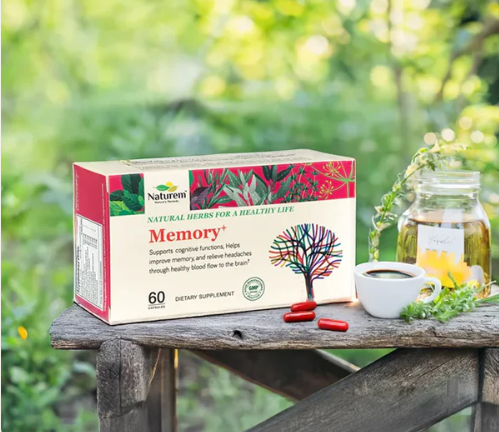
Naturem™ Memory+ is a herbal supplement designed to support memory, enhance concentration, and help maintain mental clarity in today’s fast-paced lifestyle. Formulated with natural botanical extracts, the product helps improve cognitive function, reduce mental heaviness, and promote healthy blood circulation to the brain. Ideal for students, professionals, and anyone under mental pressure, Naturem™ Memory+ brings clarity, focus, and daily productivity.
Key Ingredients:
- Ginkgo biloba: a tree species, native to China, widely used for improving memory, cognitive function, blood circulation, preventing dementia, reduce headaches and dizziness.
- Polygonum multiflorum: also known as Fo-ti, is a type of vine that belongs to the buckwheat family (Polygonaceae). It has various benefits such as rejuvenating the body, nourishing the heart and blood, reducing stress and fatigue, enhancing brain health, improving memory and concentration, strengthening the kidneys, and darkening the hair.
- Vigna cylindrica: a legume species also known as black-eyed pea is packed with antioxidants, helps protect brain cells from damage and reduce the risk of neurodegenerative diseases.
- Poria cocos: a fungus species that helps eliminate beta-amyloid (BA) plaque on brain cells, treats insomnia, anxiety, edema, inflammation, and digestive disorders. It contains polysaccharides, triterpenoids, and other bioactive compounds that have antioxidant, anti-inflammatory, immunomodulatory, and neuroprotective effects.
Naturem™ Memory+ – Sharpen Your Focus, Boost Your Memory
Want better concentration and faster recall? Naturem™ Memory+ delivers a natural herbal formula that supports brain function, enhances focus, and keeps your mind clear throughout work or study.
Light mind – sharp thinking – naturally effective.
Add to cart today!
Frequently Asked Questions (FAQs)
Yes. Cortisol – the primary stress hormone – has been proven to reduce the synthesis of type I collagen in human skin fibroblast cells. In one study, treatment with cortisol at different concentrations (1, 10, 100 nM) significantly decreased collagen-related mRNA (col1a1) and reduced procollagen type I production.
Cortisol activates the glucocorticoid receptor (GR), which suppresses the TGF-β signaling pathway – a key pathway responsible for stimulating collagen synthesis. Research shows that when GR inhibitors or specific collagen peptides (AP collagen peptides) were used, cortisol’s inhibitory effect on collagen was reduced.
Yes. Scientific analyses indicate that cortisol increases the activity of enzymes called matrix metalloproteinases (MMPs), which break down collagen and elastin. This accelerates the degradation of the skin’s structural proteins.
Yes. Prolonged elevated cortisol suppresses TGF-β, which is essential for regenerating collagen. This slows the skin’s repair processes and weakens wound healing.
Ordinary Fatigue
– Causes: Lack of sleep, heavy physical work, intense activity.
– Symptoms:
+ Body feels tired and sluggish.
+ Energy is low, but focus and concentration are still possible.
+ Usually improves after enough sleep or rest.
– Characteristic: Temporary fatigue that doesn’t last long and is not accompanied by anxiety or negative thoughts.
Fatigue Due to Mental Stress
– Causes: Work or study pressure, prolonged psychological stress.
– Symptoms:
+ Feeling exhausted even after resting or sleeping enough.
+ Difficulty concentrating, forgetfulness, loss of interest in things you normally enjoy.
+ Physical signs like aches, rapid heartbeat, muscle tension, and sleep disturbances.
+ Irritability, anxiety, negative thinking.
– Characteristic: Long-lasting fatigue accompanied by mental strain, not quickly relieved by rest.