
The skin is a mirror reflecting our overall health and lifestyle. However, many people notice signs of aging appearing earlier than expected: wrinkles, fine lines, sagging, or dullness. The causes are not limited to aging alone but also stem from a variety of hidden factors, including environmental conditions, daily habits, psychological stress, and diet.
Understanding these factors not only helps prevent premature aging but also opens the door to effective skincare solutions, ranging from lifestyle adjustments to natural remedies and modern medical treatments. In this article, we will explore in detail the factors contributing to premature aging, their interconnections, and strategies to protect the skin, helping you maintain a youthful appearance for longer.
Underlying Causes of Premature Aging

Aging is a complex process influenced by both intrinsic and extrinsic factors. Key mechanisms include:
Oxidative Stress
- UV rays, pollution, and smoking generate reactive oxygen species (ROS), damaging DNA, lipids, and proteins.
- Mitochondrial damage reduces cell function and increases intracellular ROS.
DNA Damage and Telomere Dysfunction
- Telomeres shorten with each cell division. Critically short telomeres trigger cellular senescence.
- Oxidative stress accelerates telomere shortening.
- Genetic mutations (e.g., progeria) disrupt cellular structure, leading to early aging.
Chronic Inflammation (“Inflammaging”)
- Low-grade chronic inflammation is a hallmark of aging.
- Pro-inflammatory cytokines activate collagen-degrading enzymes (MMPs), weakening skin structure.
Accumulation of Advanced Glycation End Products (AGEs)
- Excess sugar binds to proteins/lipids non-enzymatically, forming AGEs.
- AGEs stiffen tissues (like elastin), reducing skin elasticity and cell function.
Environmental Factors
- UV radiation causes “photo-aging” via oxidative stress, collagen breakdown, and MMP activation.
- Pollution (PM, smoke, chemicals) triggers nitrosative stress, damaging DNA and telomeres.
- Smoking produces high ROS, accelerating aging and tissue damage.
- The Contributing Environmental Stressors and Emerging Antioxidant Therapeutic Interventions
Hormonal Imbalances
- Decreased estrogen or testosterone reduces skin regeneration, collagen, and elastin.
- Epigenetic dysregulation (e.g., altered DNA methylation) also contributes to aging.
Lifestyle Factors
- Poor diet low in antioxidants and high in sugar/fat → accelerates oxidative stress and glycation.
- Lack of sleep and chronic stress → cortisol elevation, inflammation, and cellular damage.
- Sedentary behavior or excessive activity without recovery impairs cellular repair mechanisms.
Effects of Premature Aging
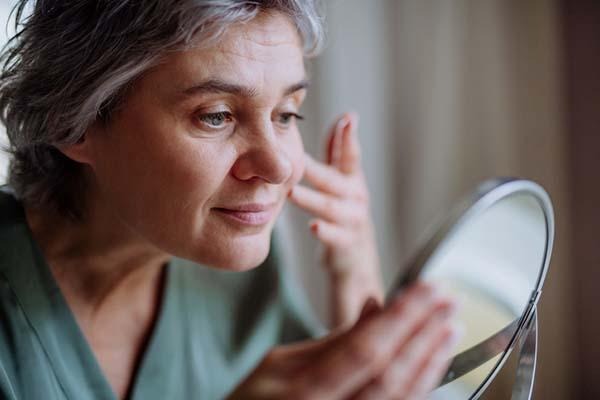
Premature aging affects both appearance and overall health:
- Skin and Appearance
- Wrinkles, crow’s feet, sagging, and loss of elasticity.
- Hyperpigmentation, freckles, and slower skin regeneration.
- Thinner, more fragile skin prone to damage.
- Cellular Function Decline
- Senescent cells secrete inflammatory factors (SASP), damaging neighboring cells.
- Reduced cell division → slower tissue regeneration (skin, blood vessels, muscles, immune system).
- Increased Risk of Chronic Diseases
- Short telomeres linked to cardiovascular disease, diabetes, and cancer.
- Chronic inflammation contributes to atherosclerosis, osteoporosis, and cognitive decline.
- Reduced Healthspan
- Aging early reduces quality of life: slower healing, weaker immunity, muscle loss, and higher risk of frailty.
Strategies to Prevent Premature Aging

Slowing down aging involves multiple, integrated strategies:
Environmental Protection
- Use broad-spectrum sunscreen daily.
- Avoid smoking and minimize exposure to pollution (mask, air purifier).
- Maintain a healthy lifestyle: adequate sleep, stress management (meditation, yoga).
Healthy Diet
- Increase antioxidant-rich foods: berries, pomegranate, green vegetables, nuts.
- Supplement omega-3 (fatty fish, chia seeds, walnuts) to reduce inflammation and protect telomeres.
- Limit refined sugars and high-fat foods to reduce AGEs accumulation.
Regular Exercise
- Aerobic exercise (walking, swimming, cycling) lowers oxidative stress and maintains telomere length.
- Strength training supports muscle and tissue regeneration.
Stress Management & Sleep
- Meditation, deep breathing, journaling reduce cortisol and inflammation.
- 7–9 hours of sleep supports cell repair and hormonal balance.
Inflammation Control
- Anti-inflammatory foods: fatty fish, olive oil, turmeric (curcumin), garlic.
- Avoid highly processed, sugary, and excessive alcohol consumption.
Natural Therapies with Scientific Support
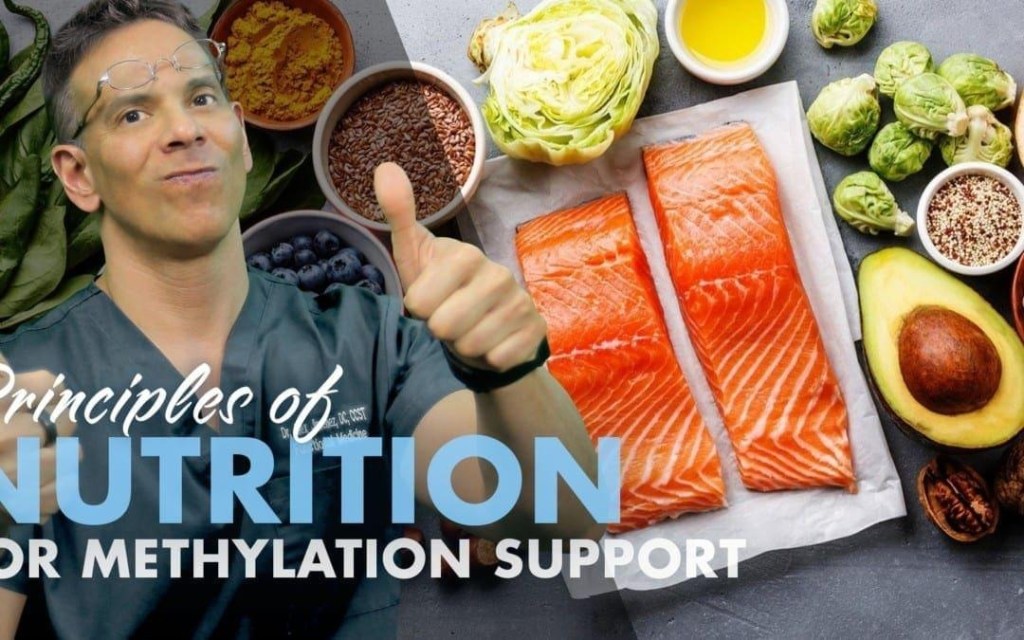
Image source: elpasobackclinic.com
Polyphenols & Antioxidants
- Polyphenols (resveratrol) may activate telomerase or protect telomeres.
- Sources: grapes, berries, green tea, nuts.
- EGCG (green tea) reduces oxidative stress and supports telomere health.
Telomerase-Activating Natural Compounds
- Centella asiatica (Gotu kola) modulates telomerase in studies.
- Danshensu (from Salvia miltiorrhiza) increases telomerase activity in experimental models.
Hormesis (Mild Stress Exposure)
Methylation-supportive Diet
- Nutrients like folate, choline, and betaine, combined with meditation, sleep, and exercise, can reduce epigenetic age.
- Curcumin supports anti-inflammatory pathways and DNA repair.
Omega-3 & Vitamin D Supplementation
- 1 g/day omega-3 slows biological aging over 3 years in clinical trials.
- Vitamin D3 helps reduce telomere shortening.
Herbal & Traditional Remedies
- Polyphenols like quercetin and resveratrol act as HDAC inhibitors, potentially extending cellular lifespan.
- Plant extracts are being studied to stimulate telomerase without significant side effects. (pubmed.ncbi.nlm.nih.gov)
Naturem™ Rejuve Lozenges – Revitalize and Rejuvenate from Within.
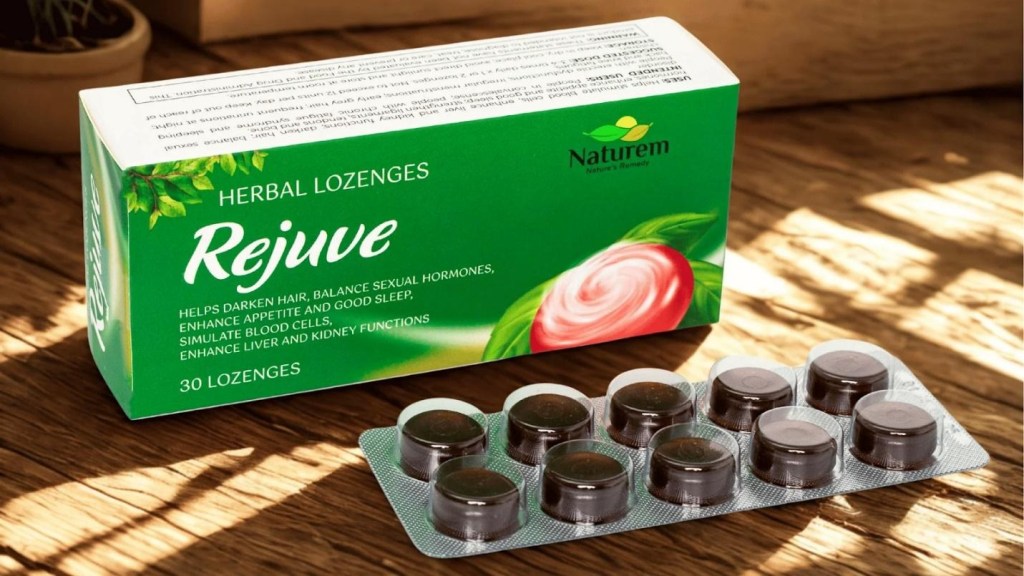
Naturem™ Rejuve Lozenges combine safe, natural ingredients to boost vitality, balance hormones, and support sexual health, while also protecting the body against early signs of aging. The formula helps nourish hair and bones, promote cell and collagen regeneration, keeping skin and body youthful, resilient, and full of energy. Convenient lozenges make it easy to enjoy daily, making Naturem™ Rejuve Lozenges the perfect choice for those who want to increase energy, slow down natural aging, and maintain peak vitality every day.
Take care of your vitality and youthful glow today!
Try Naturem™ Rejuve Lozenges – convenient lozenges that help boost energy, balance hormones, and fight aging from within. Order now and feel revitalized every day!
Conclusion and Natural Solution
Premature aging arises from oxidative stress, chronic inflammation, DNA damage, telomere shortening, and glycation.
Its effects extend beyond appearance to cellular function decline, chronic disease risk, and reduced healthspan.
Aging cannot be fully stopped, but it can be slowed via environmental protection, healthy diet, exercise, stress management, and natural compounds supporting telomere/telomerase health.
Combining lifestyle changes with safe natural therapies is the most effective approach.
Frequently Asked Questions (FAQs)
Premature skin aging is mainly caused by UV exposure, oxidative stress, chronic inflammation, and lifestyle factors such as poor sleep and stress. Studies show that UV radiation triggers up to 80% of visible aging, while high cortisol levels accelerate collagen breakdown.
Rapid weight loss often leads to loss of subcutaneous fat, especially in the face and neck, causing sagging skin and more pronounced wrinkles (Smith et al., 2018). At the same time, insufficient protein and nutrients during rapid weight loss reduce collagen and elastin synthesis, decreasing skin elasticity (Ribeiro et al., 2015). Additionally, oxidative stress and inflammation caused by the body’s adaptation to sudden weight changes further contribute to premature skin aging. As a result, people who lose weight too quickly may appear older even though their body weight has decreased.
Why Rapid Weight Loss Affects Your Face First – And What You Can Do About It
Premature skin aging cannot be completely reversed, because accumulated damage to collagen, elastin, and DNA is permanent. However, it can be slowed down and significantly improved by:
– Daily sun protection to prevent UV-induced collagen breakdown (Gilchrest, 1996).
– Antioxidant supplementation such as vitamin C, E, and polyphenols to reduce oxidative stress (Pullar et al., 2017).
– Moisturizing and collagen support to improve skin elasticity and reduce wrinkles.
Thus, the goal is prevention and improvement, rather than fully restoring the skin to a youthful state.
The eye and neck are among the thinnest areas of skin (~0.5 mm) and have almost no sebaceous glands, making them prone to dryness and loss of elasticity. Additionally:
– Lower collagen and elastin content → less firmness.
– Repeated movements (blinking, talking, turning the neck) → early dynamic wrinkles.
– Lack of sun protection: many people skip sunscreen in these areas, accelerating UV-induced collagen damage.
As a result, wrinkles, sagging, and pigmentation appear earlier than in thicker skin areas (Shuster et al., 1975; Fisher et al., 1996).
Chronic inflammation accelerates skin aging by breaking down collagen and elastin, the proteins responsible for firmness and elasticity. Elevated levels of pro-inflammatory cytokines, such as IL-6 and TNF-α, stimulate enzymes called matrix metalloproteinases (MMPs), which degrade the extracellular matrix in the dermis (Franceschi et al., 2000).
Consequences include:
– Wrinkle formation due to collagen loss
– Skin sagging from weakened structural support
– Dull or uneven skin tone caused by micro-inflammation and oxidative stress