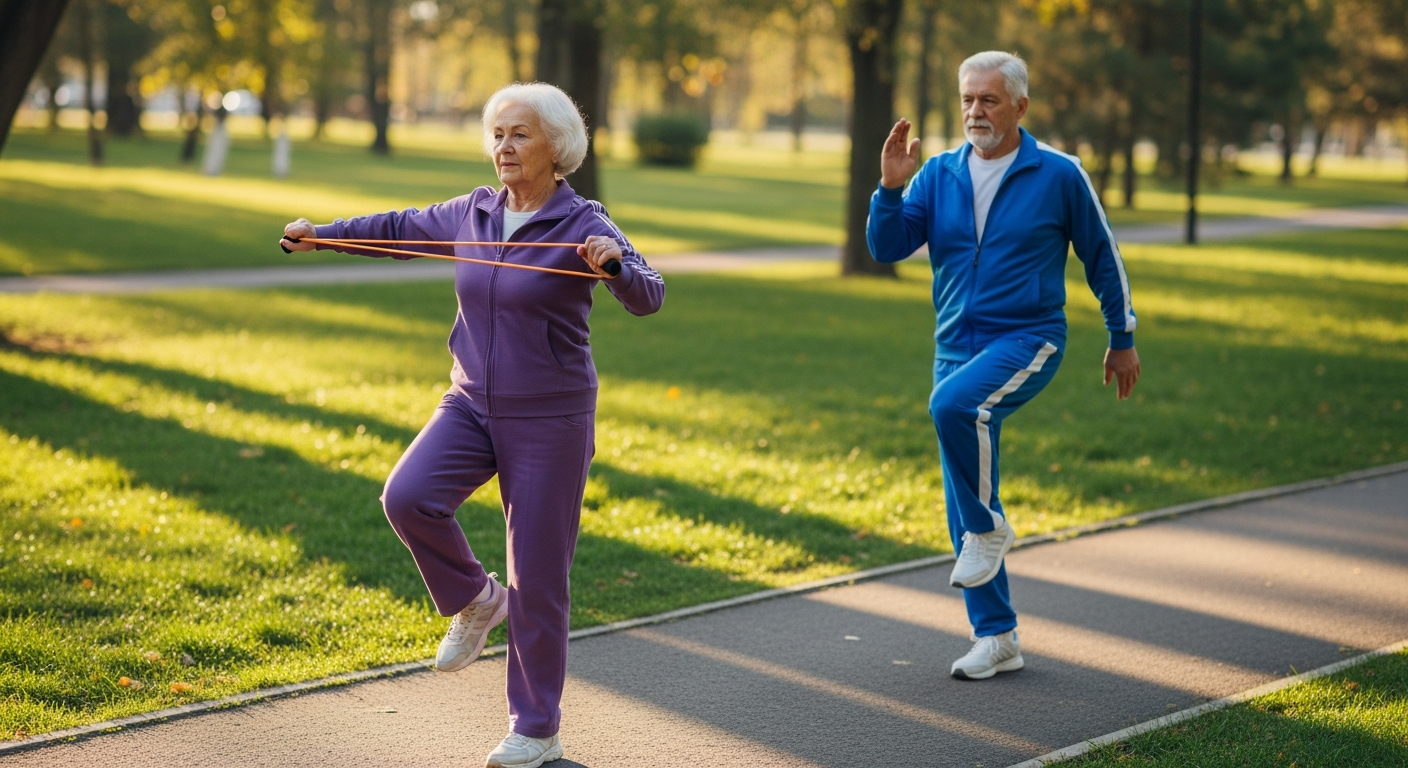
Aging is often perceived as an unavoidable decline a gradual loss of energy, physical strength, and cognitive clarity. Yet emerging medical evidence suggests that much of what we attribute to “aging” may in fact be the result of prolonged inactivity. Sedentary lifestyles have been shown to accelerate biological aging, while regular physical movement functions as one of the most powerful interventions to slow cellular deterioration.
For decades, exercise has been framed primarily as a tool for weight management or physical appearance. Modern medical science, however, has uncovered a far more transformative reality: exercise is one of the most effective longevity interventions available. Beyond calorie expenditure, physical activity sends powerful signals at the genetic and cellular levels activating DNA repair pathways, stimulating mitochondrial biogenesis, and promoting the formation of new neural connections in the brain.
If you find yourself feeling older than your years or if your goal is to preserve strength, independence, and mental vitality well into later life this article serves as your roadmap. We will examine the key biological mechanisms underlying aging that regular movement helps to counteract, and outline a science-backed framework for the types of training most effective in supporting long-term health and longevity.
>Exercise for Longevity: How Regular Movement Slows Down Aging
The Biology of Movement: How Exercise Reprograms Aging at the Cellular Level
Aging is a complex, multifactorial process. Yet at its core, it is driven by several well-defined biological hallmarks genomic instability, mitochondrial dysfunction, and chronic low-grade inflammation. Remarkably, regular physical activity directly targets these mechanisms by influencing gene expression and cellular signaling pathways.
1. Preserving Telomere Length: Slowing the Cellular Clock
At the ends of your chromosomes lie protective structures known as telomeres, often compared to the plastic tips on shoelaces that prevent fraying. Each time a cell divides, these telomeres gradually shorten. Once they reach a critical length, the cell enters senescence losing its ability to function or undergoes programmed death.
A growing body of research links physical activity with longer telomere length. A study published in Preventive Medicine reported that adults engaging in high levels of physical activity exhibited significantly longer telomeres than sedentary individuals corresponding to a biological age difference of up to nine years. This finding suggests that regular exercise does not merely improve health markers; it actively slows cellular aging.
2. Mitochondrial Biogenesis: Rebuilding Your Energy Infrastructure
Mitochondria serve as the energy-producing engines of your cells. With age, both their number and efficiency decline a phenomenon known as mitochondrial dysfunction contributing to fatigue, insulin resistance, and degenerative disease.
Exercise provides the most powerful known physiological stimulus for mitochondrial biogenesis, the process of creating new mitochondria. Increased energy demand during physical activity activates the PGC-1α signaling pathway, prompting cells to expand and strengthen their energy-producing capacity. This adaptation enhances metabolic efficiency across multiple organs, offering protection against conditions such as neurodegeneration, cardiovascular disease, and age-related muscle loss.
3. Combating “Inflammaging” Through Muscle Signaling
One of the most insidious drivers of aging is chronic, low-grade inflammation often referred to as “inflammaging.” This persistent immune activation gradually damages tissues and accelerates diseases including Alzheimer’s disease and atherosclerosis.
Skeletal muscle is now recognized as a powerful endocrine organ. During contraction, muscles release signaling molecules known as myokines, including interleukin-6 (IL-6), into the bloodstream. In the context of exercise, IL-6 acts as an anti-inflammatory messenger, suppressing pro-inflammatory cytokines and restoring immune balance. This systemic effect helps explain why regular physical activity is one of the most effective non-pharmacological strategies for managing chronic inflammatory conditions.
The Longevity Training Framework: How to Move for a Longer, Stronger Life
Understanding why exercise matters is relatively simple; knowing how to train for longevity is where many people struggle. To meaningfully slow biological aging, exercise cannot be random or occasional. It must follow a structured, balanced approach that targets metabolic flexibility, cardiovascular capacity, and musculoskeletal resilience.
A longevity-focused program is built on three essential training pillars.
1. Zone 2 Training: The Metabolic Foundation
Zone 2 training consists of steady-state aerobic activity performed at a low-to-moderate intensity. This zone is critical for improving mitochondrial efficiency, insulin sensitivity, and fat oxidation.
During Zone 2 exercise, you should be able to hold a conversation, though speaking feels slightly effortful. Breathing is controlled, not labored. This intensity represents the optimal stimulus for training your cells to rely on fat as a primary fuel source while efficiently clearing metabolic byproducts such as lactate.
Recommended volume:
Aim for 150–180 minutes per week, divided into manageable sessions for example, three 60-minute or four 45-minute workouts. Suitable activities include brisk walking, cycling, rowing, or swimming.
2. Strength Training: The Structural Armor
Age-related muscle loss, or sarcopenia, is one of the primary drivers of frailty and loss of independence later in life. Beginning as early as age 30, inactive individuals can lose 3–5% of muscle mass per decade a decline that accelerates without resistance training.
Skeletal muscle is more than tissue; it is a metabolic organ. It improves glucose disposal, protects against insulin resistance, stabilizes joints, and preserves bone density, reducing fracture risk.
Recommended volume:
Train 2–3 times per week, emphasizing compound movements such as squats, hinges, pushes, pulls, and carries. The goal is not maximal size, but functional strength the ability to move your body and external loads safely and efficiently.
Equally important is recovery. Adequate sleep, nutrition, and joint support allow muscles and connective tissue to adapt, strengthening the body rather than breaking it down.
3. VO₂ Max Training: The Longevity Multiplier
VO₂ max the maximum amount of oxygen your body can utilize during intense exercise is one of the strongest predictors of all-cause mortality. Research published in JAMA has demonstrated that higher cardiorespiratory fitness is associated with significantly improved long-term survival.
High-Intensity Interval Training (HIIT) pushes your heart to its limits, forcing it to become more elastic and powerful.
Recommended volume:
Perform one session per week. A simple and well-studied protocol is the 4×4 method:
- 4 minutes of high-intensity effort (breathing too hard to speak)
- 3 minutes of slow recovery
Repeat for 4 total intervals.
The Hidden Price of Inactivity: Why Doing Nothing Accelerates Aging
What happens when movement is consistently postponed or ignored? Modern life is engineered for inactivity. We sit while commuting, sit while working, and sit while resting. Over time, this chronic lack of movement gives rise to what researchers describe as Sedentary Death Syndrome (SeDS) a condition characterized by the gradual breakdown of physical and metabolic resilience.
The Consequences of Prolonged Sitting
• Cognitive Decline
Regular physical activity is essential for maintaining cerebral blood flow. In its absence, key brain structures particularly the hippocampus, which governs memory and learning begin to shrink. This atrophy is strongly associated with accelerated cognitive decline and a higher risk of dementia.
• Metabolic Dysfunction
Inactivity erodes metabolic flexibility, the body’s ability to switch efficiently between fat and glucose as fuel sources. As a result, cells become increasingly insulin resistant, paving the way for metabolic syndrome and type 2 diabetes.
• Physical Frailty and Loss of Independence
Without resistance training, muscle mass and bone density decline steadily with age. This loss dramatically increases the risk that a simple fall particularly in later decades of life can result in catastrophic injuries such as hip fractures, often marking the beginning of irreversible loss of independence.
Looking for a natural boost to kickstart your new active lifestyle? Discover the premium herbal supplements at naturem.us designed to support holistic health and metabolic function.
Lessons from the Blue Zones: Longevity Through Everyday Movement
The so-called “Blue Zones” regions such as Okinawa (Japan) and Sardinia (Italy) where exceptional longevity is common offer powerful real-world evidence of how lifestyle influences aging. People in these communities rarely engage in intense or structured exercise, yet they remain physically active throughout the day.
Their movement is simple and consistent:
They tend gardens.
They walk to local markets.
They sit on the floor, naturally performing squats each time they stand up.
This pattern of continuous, low-intensity activity closely reflects the principles of Zone 2 aerobic training and functional movement. Extended periods of inactivity are uncommon, allowing the lymphatic system to remain active and metabolic processes to function efficiently.
Notably, research on Okinawan centenarians has shown that their microcirculation the blood flow within the smallest vessels resembles that of individuals up to 30 years younger. This remarkable vascular health is largely attributed to lifelong physical activity combined with a nutrient-dense, plant-forward diet.
Your 4-Week “Youth-Preservation” Starter Plan
If you are currently sedentary, do not jump into HIIT tomorrow. Gradual progression is key to avoiding injury.
Week 1: The Awakening
- Daily: 20-minute brisk walk (Zone 1/2) to stimulate blood flow.
- Habit: Stand up every 30 minutes while working.
Week 2: Building the Engine
- Daily: 30-minute brisk walk.
- Strength: 2 days of bodyweight squats, pushups (or wall pushes), and lunges to activate motor units.
Week 3: Increasing Capacity
- Cardio: 3 x 45-minute Zone 2 sessions (brisk walk/hike/bike) to improve aerobic base.
- Strength: 2 days adding light weights or resistance bands.
Week 4: The Longevity Protocol
- Cardio: 150 minutes total of Zone 2.
- Strength: 2 full-body sessions focusing on functional strength.
- Intensity: Add 1 session of “vigorous” movement (hills or fast cycling) for 10 minutes to spike your heart rate.
Slim Capsules – Natural Support for Metabolic Balance and Healthy Weight Management
Slim Capsules are thoughtfully formulated to support individuals affected by modern lifestyle factors that contribute to unwanted weight gain particularly abdominal fat. These factors include suboptimal dietary patterns, hormonal imbalance, chronic stress, and insufficient daily physical activity.
The formula features a carefully selected blend of traditional Vietnamese herbal ingredients, including Lotus Leaf, Red Reishi, Gynostemma, Red Bayberry, and Hydrolyzed Collagen . Together, these ingredients help gently regulate appetite, support fat metabolism, and sustain stable energy levels throughout the day without overstimulation.
Each component is chosen to work in harmony with the body’s natural metabolic processes, supporting digestive comfort and encouraging healthier eating behaviors. By addressing metabolism from multiple angles, Slim Capsules offer a balanced, natural approach to long-term weight management and metabolic wellness.
Frequently Asked Questions
“Decay from disuse” is the concept that much of what we perceive as “aging” is actually the decline in function, energy, and strength that occurs due to a sedentary lifestyle. The article emphasizes that sedentary behavior accelerates biological aging at the cellular level, whereas exercise acts as a potent countermeasure.
Telomeres are protective caps on chromosomes that shorten with each cell division, leading to cellular aging and death (senescent or dies). Research shows that adults with high levels of physical activity have significantly longer Telomeres, equivalent to being biologically nine years younger, suggesting that exercise literally slows the cellular aging clock.
Zone 2 Training is steady-state aerobic exercise performed at a low-to-moderate intensity, where you can speak but feel slightly strained. This is the “sweet spot” for improving mitochondrial health and insulin sensitivity. The goal is to aim for 150-180 minutes per week of brisk walking, cycling, or swimming.
Strength training is the armor against Sarcopenia (age-related muscle loss), the primary reason older adults lose independence. Muscle acts as a glucose sink (preventing diabetes) and protects bones from osteoporosis-related fractures. You should aim for 2-3 sessions per week focusing on compound movements.
VO2 Max (the maximum amount of oxygen your body can use) is widely considered the single strongest predictor of all-cause mortality. HIIT pushes your heart to its limits, forcing it to become more elastic and powerful. You should add 1 session per week (e.g., the 4×4 protocol) to spike your heart rate and maximize cardiorespiratory fitness.