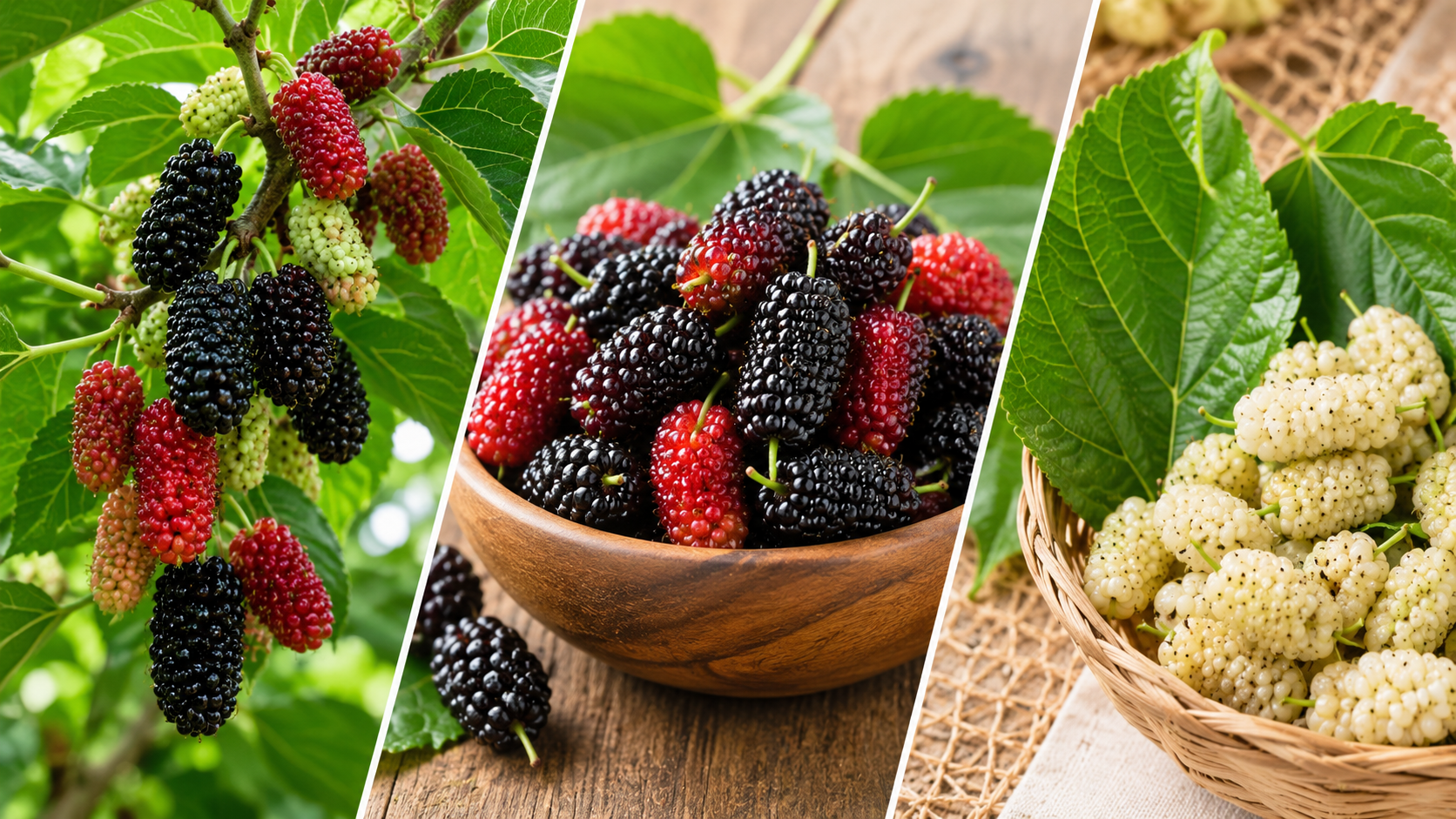
They hang in clusters from branches across Asia, the Middle East, and the Americas – deep purple-black, wine-red, or pearl white depending on the variety. Mulberries have been eaten, pressed into juice, dried for medicine, and brewed into tea for thousands of years. Yet outside traditional medicine circles, most people walk past a mulberry tree without a second thought.
That is starting to change. A 2025 systematic review with bibliometric analysis covering 648 research articles confirmed mulberries are rich in nutrients and active compounds with antioxidant, hypolipidemic, hypoglycemic, hepatoprotective, antibacterial, and anticancer pharmacological effects. This is not a niche superfood trend. It is a fruit backed by a rapidly growing body of science.
This article covers what mulberries actually contain, what the evidence says they do in the body, and the most practical ways to use them.
What Is the Mulberry Tree Fruit?
The mulberry fruit grows on deciduous trees of the genus Morus, belonging to the Moraceae family – the same botanical family as figs and breadfruit. Three species dominate cultivation worldwide:
- Black mulberry (Morus nigra) – Originally from Iran, now widely grown across Southern Europe and Southwest Asia. The richest in flavonoids, anthocyanins, and phenolics such as gallic acid, chlorogenic acid, caffeic acid, quercetin, and rutin.
- White mulberry (Morus alba) – Native to China. Extensively cultivated in Asia as the primary food source for silkworms and for its medicinal leaf and fruit.
- Red mulberry (Morus rubra) – Native to North America. Less commercially grown but nutritionally comparable.
Black mulberries contain more flavonoids, anthocyanins, and antioxidant capacity than red or white varieties. Across all three types, however, the nutritional and pharmacological foundation is remarkably similar.
In Traditional Chinese Medicine (TCM), mulberry fruit – known as Sang Shen – has been documented for centuries as a tonic for the liver and kidney systems, for nourishing the blood, calming the mind, and supporting healthy aging. Modern research is now mapping the molecular mechanisms behind these traditional claims.
Mulberry Fruit Nutrition Facts
Fresh mulberries are very low in calories at just 43 kcal per 100 g, yet deliver a dense package of micronutrients and bioactive compounds.
Macronutrients (per 100 g fresh fruit)
- Calories: 43 kcal
- Carbohydrates: 9.8 g
- Dietary fiber: 1.7 g
- Natural sugars: 8.1 g
- Protein: 1.44 g
- Fat: 0.39 g (primarily polyunsaturated and monounsaturated fatty acids)
The glycemic index of mulberry is just 25, placing it firmly in the low-GI category. This means blood glucose rises gradually rather than spiking, making mulberries suitable for those monitoring blood sugar.
Key Vitamins and Minerals
- Vitamin C: 36.4 mg per 100 g – approximately 40% of the recommended daily intake. Comparable to a medium orange.
- Vitamin K: Supports blood clotting and bone metabolism.
- Iron: 1.85 mg per 100 g – approximately 23% of the recommended daily intake. An unusually high level for a fruit.
- Manganese: 1.10 mg per 100 g – 55% of daily reference values. One of the highest manganese levels among all fresh fruits.
- Calcium: 39 mg per 100 g.
- Potassium, Magnesium, Phosphorus, Copper: Present in moderate amounts supporting cardiovascular, bone, and metabolic function.
The combination of high vitamin C alongside iron is particularly significant – vitamin C dramatically improves non-heme iron absorption from plant foods, making mulberries a meaningful support for those at risk of iron deficiency anemia.
Key Bioactive Compounds
Beyond vitamins and minerals, mulberries contain a sophisticated array of phytochemicals:
- Anthocyanins – Primarily cyanidin-3-O-glucoside (C3G) and cyanidin-3-O-rutinoside (C3R). These are the deep pigments responsible for the purple-black color and the dominant antioxidants in the fruit.
- Flavonoids – Rutin, quercetin, and kaempferol. Anti-inflammatory and cardioprotective.
- Phenolic acids – Chlorogenic acid, caffeic acid, gallic acid, and protocatechuic acid.
- Resveratrol – A stilbene compound with anti-aging, anti-cancer, and neuroprotective properties.
- 1-Deoxynojirimycin (DNJ) – A rare alkaloid found primarily in mulberry leaves but present in the fruit. A potent alpha-glucosidase inhibitor that slows sugar absorption.
- Zeaxanthin and lutein – Carotenoids that protect the retina from UV and oxidative damage.
8 Evidence-Based Health Benefits of Mulberry Fruit
1. Powerful Antioxidant Protection
The anthocyanins in mulberry fruit – particularly cyanidin-3-glucoside – are the primary drivers of antioxidant activity. These compounds neutralize free radicals, chelate damaging metal ions, and protect cell membranes from lipid peroxidation.
A 2025 comprehensive review confirmed mulberry’s antioxidant properties include strong protection against oxidative stress, cancer cell proliferation, and systemic inflammation. Polysaccharides in mulberries have also been shown to scavenge superoxide anion radicals and hydroxyl radicals – two of the most destructive reactive oxygen species in the body.
The antioxidant benefit extends to the brain as well. Oxidative stress is a central driver of neurodegeneration and cognitive decline. Regular consumption of anthocyanin-rich foods like mulberries is associated with better protection of neural tissue over time.
Find out more about how antioxidants protect the aging brain in this article on Naturem, which explores how natural antioxidant compounds support long-term cognitive function.
2. Blood Sugar Control
This is one of the most clinically documented benefits of mulberry. Two complementary mechanisms are at work.
First, the DNJ alkaloid inhibits alpha-glucosidase – the enzyme in the small intestine responsible for breaking down complex carbohydrates into glucose. When this enzyme is blocked, sugar absorption is slowed, producing a lower postprandial blood glucose response after carbohydrate-rich meals. A 2025 double-blind, placebo-controlled human trial (n=84) confirmed that mulberry fruit extract reduces postprandial blood glucose and insulin responses in a manner bioequivalent to isolated DNJ.
Second, mulberry anthocyanin extract promotes glycogen synthesis and suppresses gluconeogenesis in liver cells by activating the PI3K/AKT/GSK-3β pathway – essentially improving how the liver manages glucose metabolism at the cellular level.
A clinical study also found that participants consuming mulberry fruit extract had significantly lower fasting LDL cholesterol and reduced inflammatory IL-6 markers compared to placebo – suggesting cardiometabolic benefits beyond blood sugar alone.
3. Heart and Cardiovascular Health
LDL oxidation is a key driver of atherosclerosis, the process by which arterial walls become inflamed and plaque accumulates. Mulberry anthocyanin extracts have been shown to inhibit LDL oxidation and reduce macrophage-derived foam cell formation – the cellular basis of arterial plaque – with anthocyanin-rich extracts being ten times more effective than plain mulberry water extracts.
Flavonoid compounds in mulberry lower blood lipids and help prevent fatty liver disease. In traditional Chinese and Korean medicine, mulberry has long been used specifically to manage blood sugar and cholesterol levels. Modern science is confirming these traditional applications with mechanistic precision.
Mulberry is also used in black mulberry-producing regions of China and Turkey as traditional treatment for hypertension, and early research supports its role in improving blood flow and vessel integrity through nitric oxide modulation.
4. Anti-Inflammatory Action
Chronic, low-grade inflammation underlies most modern diseases – from metabolic syndrome and type 2 diabetes to cardiovascular disease, neurodegeneration, and certain cancers. Mulberry addresses this systemically.
Black mulberry leaf and pulp show significant anti-inflammatory potential in both in vitro and in vivo models. The bioactive compounds – particularly anthocyanins and quercetin – suppress inflammatory cytokines including TNF-alpha and IL-6, key molecular signals in the inflammatory cascade.
Alkaloids like DNJ add antiviral and anti-inflammatory activity on top of their glucose-lowering effects. This multi-target anti-inflammatory profile is one of the most compelling aspects of mulberry from a functional medicine perspective.
5. Brain and Neuroprotective Benefits
The neuroprotective potential of mulberry is an increasingly active area of research. Mulberry bioactive compounds exhibit neuroprotective properties that are being explored in the context of Alzheimer’s disease, Parkinson’s disease, and age-related cognitive decline.
Mulberry extracts have been shown to inhibit alpha-glucosidase activity and suppress inflammatory cytokines – both targets in the management of metabolic syndrome and its neurological consequences, including vascular dementia. Oxidative stress and neuroinflammation are the twin drivers of neurodegeneration, and mulberry’s anthocyanins and resveratrol address both.
For those looking to combine food-based antioxidants with targeted supplementation for brain health, the Naturem Memory+ formula includes Hydroxytyrosol – another powerful polyphenolic antioxidant – alongside Ginkgo biloba, Lion’s Mane, and Fo-ti, creating a complementary approach to mulberry’s natural antioxidant support.
6. Liver Protection
Mulberry extracts carry hepatoprotective properties, protecting liver cells from oxidative damage and supporting healthy lipid metabolism. DNJ has been documented to reduce excessive lipid accumulation in liver cells and lower pro-inflammatory cytokines – directly relevant to fatty liver disease, one of the most prevalent chronic conditions globally.
Flavonoids in mulberry have been specifically linked to prevention of fatty liver disease. The combination of anti-inflammatory and antioxidant activity makes mulberry a natural support for liver resilience, particularly for those with metabolic risk factors.
7. Immune System Support
A single cup (140 g) of fresh mulberries provides approximately 85% of the recommended daily vitamin C intake – comparable to a medium orange but in a food that also delivers iron, anthocyanins, and fiber simultaneously.
Vitamin C is essential for growth, repair, and maintenance of body cells and plays a critical role in immune function, including supporting white blood cell activity. The iron content of mulberry – rare among fruits – further supports immune cell production and oxygen transport.
Mulberry bioactive compounds also include immune-modulating polysaccharides that support the body’s innate defense systems at a cellular level. Traditional use of mulberry for colds, coughs, and respiratory infections aligns with these documented immunomodulatory mechanisms.
8. Skin and Hair Health
Anthocyanins in mulberry protect the skin from UV-related oxidative damage, while vitamin C is indispensable for collagen synthesis – the structural protein that maintains skin elasticity and firmness. Mulberry root extracts contain mulberroside F and oxyresveratrol, compounds studied for their ability to inhibit tyrosinase – the enzyme responsible for melanin overproduction – making them a researched ingredient in skin-brightening cosmeceuticals.
On hair health, traditional applications use mulberry to support melanin production and delay premature graying. The B vitamins – particularly B6 – in mulberry support nutrient delivery to hair follicles and contribute to healthy hair pigmentation.
Traditional Medicine Perspectives on Mulberry
In Traditional Chinese Medicine, mulberry fruit (Sang Shen) is classified as sweet in taste and cold in nature. It enters the heart, liver, and kidney meridians, and is used to:
- Nourish Yin and enrich the blood
- Generate fluids and relieve thirst
- Lubricate the intestines and relieve constipation
- Support kidney function and reduce tinnitus linked to kidney deficiency
In Ayurvedic and other Asian traditional systems, mulberry is used for anemia, arthritis, sore throats, tonsillitis, and iron deficiency. These uses map closely onto the modern evidence for anti-inflammatory, iron-delivery, and immune-support mechanisms.
Find out more about how traditional herbs support brain function and cognitive longevity in Naturem’s guide to Ginkgo biloba – another botanical that bridges Eastern medicine traditions and modern neurological research.
How To Use Mulberry Fruit
Fresh
Fresh mulberries are delicate and highly perishable – shelf life is only 3 to 4 days at ambient temperature. When available fresh, eat them within 1-2 days of picking or purchasing. Look for firm, fully colored fruits without mushiness.
- Eat fresh as a snack
- Add to yogurt, oatmeal, or smoothies
- Mix into salads for color, sweetness, and antioxidant density
Dried
Dried mulberries concentrate nutrients and are shelf-stable for months. They retain significant iron, vitamin C, and anthocyanin content and make an excellent portable snack. Note that drying does increase the natural sugar concentration per gram.
- Eat as a trail mix component
- Add to granola or energy balls
- Steep in warm water as a light herbal drink
Juice and Syrup
Mulberry juice is widely consumed across Asia and the Middle East. It preserves anthocyanins and vitamin C and makes an excellent base for smoothies. Mulberry syrup can be drizzled over pancakes, desserts, or stirred into sparkling water.
Jam and Preserves
Mulberry jam is one of the most popular processed forms. The cooking process reduces some vitamin C content but preserves phenolic compounds and anthocyanins reasonably well. Choose low-sugar or no-added-sugar versions to preserve the low glycemic benefits of the fruit.
Tea and Extract
Mulberry leaf tea and fruit extracts are widely used in functional food and supplement applications. Mulberry extract (MFE) has been clinically tested for blood glucose reduction and is available in standardized supplement form. When choosing an extract, look for standardized DNJ content for blood sugar support, or total anthocyanin content for antioxidant applications.
Culinary Uses
Beyond direct consumption, mulberries are used globally in:
- Wine and vinegar production
- Ice cream and sorbet
- Baked goods including muffins, tarts, and crumbles
- Sauces for meat dishes, particularly in Middle Eastern cuisine
- Fermented products including kombucha and kefir blends
Who Should Be Cautious With Mulberry?
Mulberry fruit is generally safe for most adults. However, a few considerations apply:
- Diabetic medications: Mulberry inhibits alpha-glucosidase – the same enzyme targeted by antidiabetic drugs like Acarbose. Combining mulberry with these medications may amplify the blood glucose-lowering effect, potentially causing hypoglycemia. Consult your doctor.
- Allergies: Mulberry pollen is a known allergen. Individuals sensitive to latex or other tree pollens should approach mulberry consumption with awareness.
- Large quantities of leaf or supplement forms: The high tannin content in leaves can cause digestive discomfort in excess. Fruit is considerably gentler.
In TCM practice, because mulberry is classified as cold in nature, it is used cautiously in individuals with weak digestion, loose stools, or cold constitution, who may require warming foods to balance its effects.
Mulberry and the Broader Picture of Antioxidant Health
Mulberry sits within a wider category of deeply pigmented, polyphenol-rich plant foods – alongside blueberries, black currants, pomegranates, and dark cherries – that research increasingly associates with reduced risk of cardiovascular disease, type 2 diabetes, neurodegeneration, and inflammation-driven cancers.
What makes mulberry particularly interesting is the combination of anthocyanin density alongside the rare DNJ alkaloid, which is found in almost no other commonly consumed fruit. This dual action on antioxidant defense and glycemic control is unusual in a single food.
For individuals seeking to support brain health through complementary nutrition and supplementation, understanding how oxidative stress drives cognitive aging is an important foundation. The same molecular mechanisms through which mulberry protects liver and vascular tissue also apply to neural tissue – making it a genuinely brain-supportive food in both traditional and modern frameworks.
Find out more about how Poria cocos reduces neuroinflammation and restores mental clarity – another traditional East Asian botanical whose pharmacological profile complements the antioxidant and anti-inflammatory actions of mulberry fruit.
The Bottom Line
The mulberry tree fruit is not just a sweet seasonal treat. It is a nutritionally dense, pharmacologically active food with one of the strongest bodies of traditional use and emerging modern evidence among all commonly available fruits.
Its key strengths: exceptional antioxidant capacity through cyanidin anthocyanins, meaningful blood glucose regulation through DNJ and anthocyanin-mediated pathways, cardiovascular protection through LDL oxidation inhibition, high vitamin C and iron density, and a neuroprotective profile that bridges ancient and modern medicine.
Whether eaten fresh, dried, juiced, or taken as a standardized extract, mulberry fruit deserves a regular place in any health-conscious diet.
This article is for informational purposes only and does not constitute medical advice. If you have a medical condition or take medications – particularly for diabetes or blood pressure – consult a qualified healthcare professional before significantly increasing mulberry intake.
Frequently Asked Questions (FAQs)
A moderate daily intake of half to one cup of fresh mulberries, or 2 to 3 tablespoons of dried mulberries, is considered safe and nutritionally beneficial for most healthy adults. Fresh mulberries at this quantity deliver a meaningful dose of vitamin C, iron, and anthocyanins without excessive sugar. Dried mulberries are more calorie-dense and higher in sugar concentration per gram, so portion control matters more with the dried form. People with diabetes, kidney disease, or those taking blood-thinning or antidiabetic medications should consult a doctor to determine an appropriate amount, as mulberry can enhance the effects of certain medications. (My Health Opedia, 2025; Nutrition and You, 2024; ICICI Lombard, 2026)
Yes, dried mulberries retain most of the key nutrients found in fresh fruit, including iron, anthocyanins, and significant vitamin C. The drying process concentrates the nutrients – and the natural sugars – into a smaller volume, so gram for gram, dried mulberries are more calorie-dense and have a higher sugar content than fresh. The glycemic index remains low for both forms, making either suitable for most people. If you are monitoring blood sugar or calorie intake, stick to the smaller portion size recommendation for dried mulberries and avoid varieties with added sugar. From a practical standpoint, dried mulberries offer far better shelf stability and make it easy to consume mulberry year-round. (My Health Opedia, 2025; FoodStruct, 2023; Curex, 2024)
Yes, with appropriate care. Mulberries have a glycemic index of just 25 – well within the low-GI category – meaning they cause a minimal and gradual rise in blood glucose compared to high-GI fruits. The DNJ alkaloid in mulberry inhibits alpha-glucosidase, the enzyme responsible for converting carbohydrates into glucose in the small intestine, actively slowing sugar absorption. A 2025 double-blind human trial confirmed mulberry fruit extract reduces postprandial blood glucose and insulin responses. However, the critical caution is drug interaction: mulberry may enhance the effects of antidiabetic medications like Acarbose, potentially causing blood sugar to drop too low. Anyone on diabetes medication should consult their doctor before regularly consuming mulberry fruit or extract. (FoodStruct, 2023; PMC – DNJ, 2014; ScienceDirect, 2025; WebMD, 2024)
Both are powerful antioxidant-rich berries with low glycemic indexes, but each has distinct nutritional strengths. Mulberries have a GI of 25 versus blueberries at 53, making mulberries the lower-sugar choice. Mulberries are richer in vitamin C and iron – providing up to 30% more vitamin C than blueberries per serving. Blueberries are richer in vitamin K and some studies suggest their anthocyanin profile is particularly well-suited for brain and cognitive health. Mulberries contain the unique DNJ alkaloid not found in blueberries, giving them a specific blood glucose management mechanism. The antioxidant index (ORAC) of premium black mulberries can even surpass that of ordinary cultivated blueberries. The ideal approach is to consume both – they complement rather than compete with each other. (FoodStruct – Nutrition Comparison, 2024; Calories Info, 2025; PMC – DNJ, 2019; Grandmorus, 2026)
Fresh mulberry fruit consumed in moderate food quantities is generally considered safe during pregnancy and is a valuable source of iron, vitamin C, and folate – nutrients critical for fetal development and maternal health. However, mulberry extracts, leaf preparations, and medicinal doses have insufficient safety data for pregnant or breastfeeding women, and both WebMD and RxList advise staying on the safe side and avoiding these forms during pregnancy. The blood sugar-lowering effect of mulberry is a particular consideration for women with gestational diabetes or those taking related medications, as effects on developing babies and nursing infants are not fully established. Eating fresh mulberries as a normal part of the diet is a different risk profile from taking concentrated supplements or extracts – always consult your healthcare provider for personalized guidance. (Nutrition and You, 2024; WebMD – Black Mulberry, 2024; ICICI Lombard, 2026)
References:
Chen, X., Sohouli, M. H., Nateghi, M., Melekoglu, E., & Fatahi, S. (2022). Impact of mulberry consumption on cardiometabolic risk factors: A systematic review and meta-analysis of randomized-controlled trials. Journal of Clinical Pharmacy and Therapeutics, 47(12), 1982-1993. https://doi.org/10.1111/jcpt.13822
FoodStruct. (2023, November 6). Mulberries nutrition, glycemic index, and calories. FoodStruct. https://foodstruct.com/food/mulberries-raw
Hao, J., Gao, Y., Xue, J., Yang, Y., Yin, J., Wu, T., & Zhang, M. (2022). Phytochemicals, pharmacological effects and molecular mechanisms of mulberry. Foods, 11(8), 1170. https://doi.org/10.3390/foods11081170
Hoogenraad, A. R., Geldof, M., Hiemstra, H., de Jong, A., Duchateau, G. S., & Mela, D. J. (2025). Bioequivalence of mulberry fruit extract and 1-deoxynojirimycin for postprandial blood glucose lowering: A randomized trial in humans. The Journal of Nutrition, 155(7), 2164-2171. https://doi.org/10.1016/j.tjnut.2025.05.037
Hu, Z., Su, Y., Jia, J., Bian, X., Gu, Y., Lv, G., Chen, S., & Jiang, N. (2025). Mulberry: Nutritional value, health benefits, and its applications in food, biomaterials, and medicine: A systematic review with bibliometric analysis. Natural Product Communications, 20(1). https://doi.org/10.1177/1934578X251314698
Jan, B., Parveen, R., Zahiruddin, S., Khan, M. U., Mohapatra, S., & Ahmad, S. (2021). Nutritional constituents of mulberry and their potential applications in food and pharmaceuticals: A review. Saudi Journal of Biological Sciences, 28(7), 3909-3921. https://doi.org/10.1016/j.sjbs.2021.03.056
Jeong, H. I., Jang, S., & Kim, K. H. (2022). Morus alba L. for blood sugar management: A systematic review and meta-analysis. Evidence-Based Complementary and Alternative Medicine, 2022, 9282154. https://doi.org/10.1155/2022/9282154
Liu, L. K., Lee, H. J., Shih, Y. W., Chyau, C. C., & Wang, C. J. (2008). Mulberry anthocyanin extracts inhibit LDL oxidation and macrophage-derived foam cell formation induced by oxidative LDL. Journal of Food Science, 73(6), H113-H121. https://doi.org/10.1111/j.1750-3841.2008.00801.x
Mela, D. J., Alssema, M., Hiemstra, H., Hoogenraad, A. R., & Kadam, T. (2024). Effect of low-dose mulberry fruit extract on postprandial glucose and insulin responses: A randomized pilot trial in individuals with type 2 diabetes. Nutrients, 16(14), 2177. https://doi.org/10.3390/nu16142177
RxList. (n.d.). Black mulberry: Health benefits, side effects, uses, dose and precautions. Retrieved June 17, 2026, from https://www.rxlist.com/supplements/black_mulberry.htm
WebMD. (n.d.). Black mulberry: Uses, side effects, and more. Retrieved June 17, 2026, from https://www.webmd.com/vitamins/ai/ingredientmono-357/black-mulberry
Yan, F., Dai, G., & Zheng, X. (2016). Mulberry anthocyanin extract ameliorates insulin resistance by regulating PI3K/AKT pathway in HepG2 cells and db/db mice. The Journal of Nutritional Biochemistry, 36, 68-80. https://doi.org/10.1016/j.jnutbio.2016.07.004