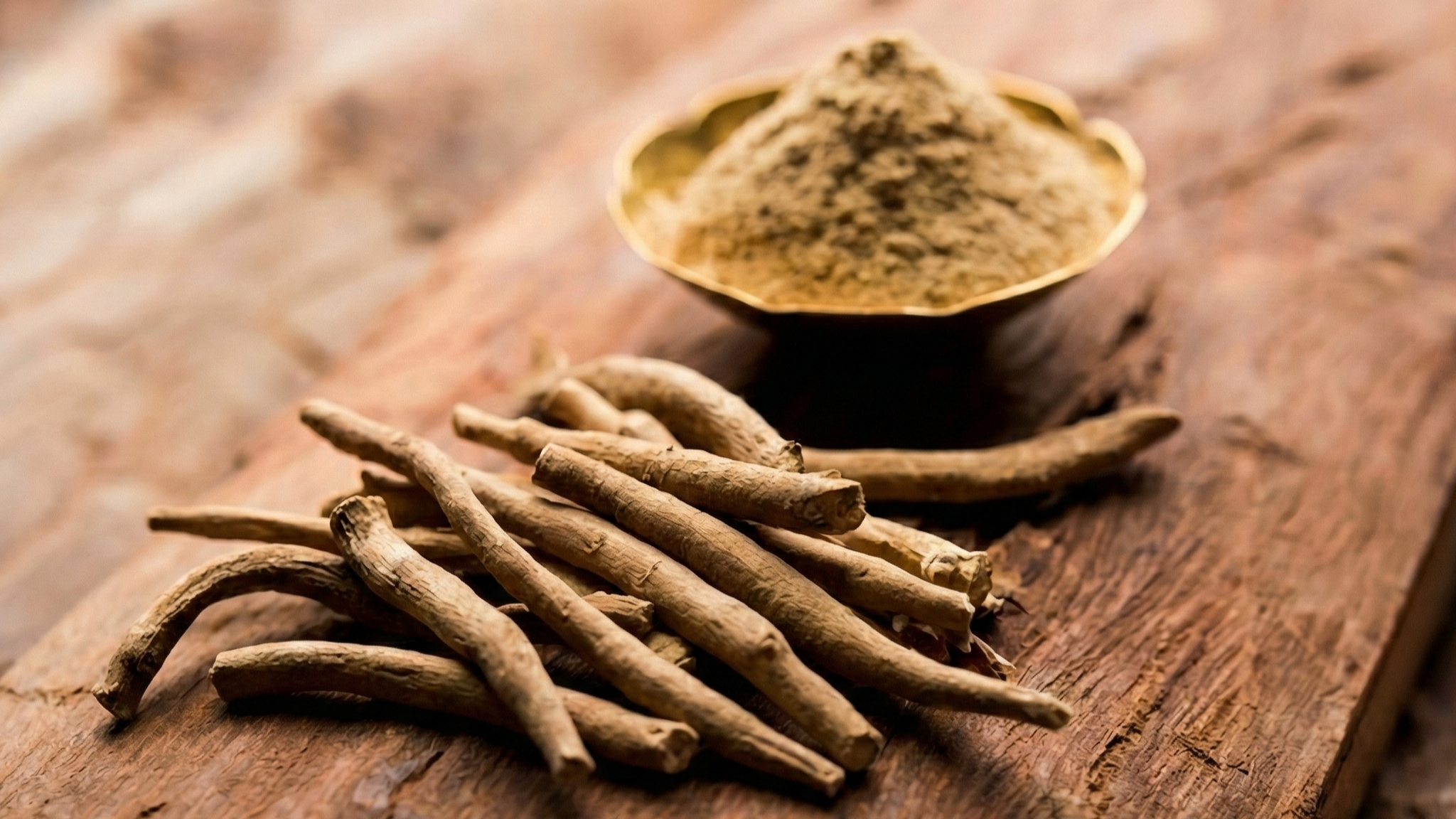
In an era defined by relentless connectivity and high-pressure lifestyles, chronic stress has evolved from an occasional nuisance into a pervasive physiological burden. We are living in a time where stress-related disorders affect millions globally, manifesting as anxiety, insomnia, hormonal imbalances, and metabolic dysfunction. While modern pharmacology offers symptomatic relief, it often comes with a cascade of side effects. This has led the medical community and health-conscious individuals to look back at time-tested botanical interventions. Among these, Ashwagandha (Withania somnifera) stands as a titan of therapeutic potential.
This is not merely folklore; it is biochemistry. As a medical doctor specializing in the convergence of Traditional and Modern medicine, I have witnessed how this ancient root can recalibrate the human nervous system. This article serves as an exhaustive guide to Ashwagandha, dissecting its mechanisms, clinical applications, and safety profile with the rigor of a medical review and the accessibility of a health magazine.
What is Ashwagandha? The “Winter Cherry” of Ayurveda
Ashwagandha is a small, woody shrub belonging to the Solanaceae (nightshade) family, sharing its lineage with tomatoes and potatoes. While it is indigenous to the arid regions of India, the Middle East, and Northern Africa, its impact is global. In Ayurveda, the traditional medicine system of India, it is classified as a Rasayana – a rejuvenating tonic intended to promote longevity and restore vitality.
The name itself offers insight into its traditional application. In Sanskrit, Ashwa means “horse” and Gandha means “smell.” This refers to the root’s strong, earthy aroma and the belief that consuming it imparts the strength and virility of a stallion. While we no longer rely on metaphors, modern science has validated the “strength” aspect through rigorous clinical trials on muscle mass and endurance.
For those seeking to integrate authentic, high-quality botanical solutions into their regimen, understanding the source is crucial. You can explore premium natural health solutions at Naturem, where traditional wisdom meets modern quality standards.
The Bioactive Chemistry: Withanolides
The efficacy of Ashwagandha is not magic; it is chemistry. The plant is rich in phytochemicals, but the most pharmacologically active compounds are withanolides. These are a group of naturally occurring steroids (steroidal lactones) that mimic various hormones and neurotransmitters in the human body.
Research has identified Withaferin A and Withanolide D as two of the primary drivers behind the herb’s anti-inflammatory and anti-cancer properties. Additionally, the root contains alkaloids, saponins, and iron, all of which contribute to its broad-spectrum therapeutic profile. Unlike synthetic drugs that usually target a single pathway, the complex matrix of compounds in Ashwagandha allows it to modulate multiple physiological systems simultaneously.
The Mechanism: How Ashwagandha Rewires Stress
To understand Ashwagandha, you must understand the HPA Axis (Hypothalamic-Pituitary-Adrenal axis). This is your body’s “command center” for stress. When you encounter a threat (physical or psychological), your hypothalamus signals the pituitary, which signals the adrenal glands to flood your system with cortisol and adrenaline.
In short bursts, this is life-saving. Chronic activation, however, is destructive.
Ashwagandha operates as a true adaptogen. An adaptogen is a substance that increases the body’s non-specific resistance to stress without disturbing normal biological functions. It works like a thermostat for your stress response:
- Downregulating the HPA Axis: Clinical studies demonstrate that Ashwagandha inhibits the excessive release of cortisol. It essentially tells the adrenal glands to “stand down,” preventing the cascade of inflammation and anxiety associated with high cortisol. Read the study on HPA axis modulation.
- GABA-Mimetic Activity: Ashwagandha appears to interact with GABA (Gamma-Aminobutyric Acid) receptors in the brain. GABA is your primary inhibitory neurotransmitter – the “brakes” of the brain. By enhancing GABA signaling, Ashwagandha induces a state of calm similar to benzodiazepines, but without the risk of dependence or severe sedation.
- Reducing Oxidative Stress: The brain is highly susceptible to oxidative damage. The antioxidant properties of Ashwagandha extract scavenge free radicals, protecting neurons from degeneration and supporting long-term cognitive health.
Evidence-Based Health Benefits
The transition of Ashwagandha from Ayurvedic texts to PubMed databases has been remarkable. Below, we explore the primary benefits backed by peer-reviewed literature.
1. Significant Reduction in Stress and Anxiety
The most robust data supports Ashwagandha’s anxiolytic (anti-anxiety) capabilities. Chronic stress elevates cortisol, which catabolizes muscle, disturbs sleep, and increases fat storage.
In a landmark double-blind, randomized, placebo-controlled trial, subjects taking high-concentration full-spectrum Ashwagandha root extract for 60 days exhibited a substantial reduction in stress assessment scores. Crucially, their serum cortisol levels dropped by nearly 28% compared to the placebo group. This suggests that the subjective feeling of relief is grounded in objective hormonal changes.
For individuals managing high-stress careers or lifestyles, finding reliable herbal support is essential. You can find comprehensive information on stress-management herbs at SVK Herbal, a leader in medicinal plant research and supply.
2. Deep Sleep and Insomnia Management
Sleep architecture – the cycle of REM and Deep Sleep – is vital for cognitive repair. Ashwagandha contains triethylene glycol, a compound that promotes sleep induction.
Recent meta-analyses have found that Ashwagandha supplementation significantly improves “sleep hygiene” metrics. This includes reducing sleep onset latency (the time it takes to fall asleep) and increasing total sleep time. In patients diagnosed with insomnia, the effects were even more pronounced, leading to better sleep efficiency and quality of life. Unlike melatonin, which signals the time to sleep, Ashwagandha helps the body relax enough to enter sleep naturally.
If you struggle with sleep, combining adaptogens with soothing herbal infusions can be highly effective. Explore the relaxation-focused tea blends available at Lanui to create a holistic bedtime ritual.
3. Testosterone Optimization and Male Fertility
One of the most compelling applications for men is hormonal optimization. Stress is the enemy of testosterone; as cortisol rises, testosterone production is suppressed. By lowering cortisol, Ashwagandha indirectly boosts testosterone.
However, the mechanism goes deeper. Studies on oligospermic men (men with low sperm count) showed that Ashwagandha supplementation resulted in a 167% increase in sperm count and a 53% increase in semen volume. Furthermore, in healthy aging men, supplementation has been linked to a statistically significant increase in testosterone and DHEA-S, an androgen precursor.
4. Muscle Strength and Physical Performance
Ashwagandha is becoming a staple in sports nutrition. It is not a stimulant, but it aids in energy production and recovery. Research indicates that it enhances cardiorespiratory endurance by improving VO2 max levels in healthy adults.
In resistance training, subjects taking Ashwagandha had significantly greater increases in muscle strength on the bench-press and leg-extension exercises compared to placebo. They also experienced less exercise-induced muscle damage, indicated by lower plasma creatine kinase levels. This makes it an excellent supplement for recovery.
5. Neuroprotection and Cognitive Function
As we age, cognitive decline becomes a primary concern. Ashwagandha promotes dendrite formation – the branching of nerve cells that allows for communication in the brain.
Clinical trials have shown that daily supplementation can improve immediate and general memory, executive function, and attention. There is also promising research regarding its potential in neurodegenerative diseases. It appears to inhibit the formation of beta-amyloid plaques, which are the pathological hallmarks of Alzheimer’s disease. While more human trials are needed, the neuroprotective implications are profound.
6. Thyroid Function Support
Subclinical hypothyroidism is an under-diagnosed condition contributing to fatigue and weight gain. Ashwagandha seems to influence the thyroid gland directly.
A study published in the Journal of Alternative and Complementary Medicine found that Ashwagandha treatment normalized thyroid indices in patients with subclinical hypothyroidism, specifically elevating T3 and T4 levels while reducing TSH (Thyroid Stimulating Hormone). This suggests a stimulatory effect on the thyroid.
Caution: Because it stimulates thyroid hormones, those with hyperthyroidism (overactive thyroid) should avoid Ashwagandha to prevent thyrotoxicosis.
7. Blood Sugar Regulation
Metabolic health is inextricably linked to stress. Cortisol mobilizes glucose, keeping blood sugar high. By managing cortisol, Ashwagandha helps stabilize blood glucose.
In vitro and in vivo studies suggest that Ashwagandha leaf and root extracts increase glucose uptake by cells and improve insulin sensitivity. Human studies have observed reductions in blood glucose levels in both healthy individuals and those with diabetes, making it a valuable adjunct for metabolic support.
Dosage, Standardization, and Forms
Navigating the supplement market can be confusing. Here is a medical perspective on how to choose and use Ashwagandha.
The Importance of Standardization
The root of the plant contains the highest concentration of therapeutic withanolides. However, the concentration varies wildly in nature. You must choose a “standardized extract.”
- Look for: Supplements that list the withanolide content, typically ranging from 2.5% to 5%.
- Patented Extracts: Extracts like KSM-66 or Sensoril are frequently used in clinical trials because they offer a consistent, measured dose of bioactives.
Recommended Dosage
- General Wellness & Stress: 300 mg to 500 mg of standardized root extract, taken twice daily.
- Sleep: 600 mg taken 45 minutes before bed.
- Athletic Performance: 500 mg to 1000 mg daily has been used in performance studies.
Synergistic Pairings
Ashwagandha works well when “stacked” with other nutrients:
- For Sleep: Pair with Magnesium Glycinate or L-Theanine.
- For Absorption: Take with a fat source (like milk or a meal) or black pepper extract (piperine) to enhance bioavailability.
- For Immunity: Pair with Zinc and Vitamin C.
For those interested in the raw ingredients and the sourcing of Asian medicinal herbs, Herbs of Vietnam provides detailed insights into the cultivation and harvesting of these potent plants.
Safety Profile and Contraindications
While Ashwagandha is generally considered safe (GRAS), it is a potent biological agent. It is not suitable for everyone.
Who Should Avoid Ashwagandha?
- Pregnant Women: This is an absolute contraindication. In high doses, Ashwagandha may possess abortifacient properties, potentially inducing miscarriage.
- Autoimmune Conditions: Because it stimulates the immune system, it may exacerbate symptoms in Lupus, Rheumatoid Arthritis, Multiple Sclerosis, and Hashimoto’s Thyroiditis.
- Hyperthyroidism: As noted, it increases thyroid hormone output.
- Upcoming Surgery: It affects the central nervous system and blood sugar levels. Discontinue use at least two weeks before any surgical procedure to avoid interactions with anesthesia.
Potential Side Effects
High doses can irritate the gastric mucosal lining. Common side effects include:
- Mild nausea
- Diarrhea or stomach upset
- Drowsiness (if taken during the day by sensitive individuals)
Conclusion: The Modern Role of Ancient Wisdom
Ashwagandha is not a fleeting trend; it is a scientifically validated tool for navigating the physiological demands of the 21st century. By addressing the root cause of many modern ailments – stress and inflammation – it offers a pathway to restored balance.
Whether you are looking to reclaim your sleep, boost your athletic performance, or simply find a moment of calm in a chaotic day, this adaptogen provides a versatile and effective solution. However, like all interventions, it works best when paired with a healthy lifestyle – proper nutrition, adequate rest, and movement.
The integration of high-quality herbal supplements into your daily routine can be a transformative step toward holistic health. For verified, nature-based products that align with these principles, I encourage you to visit Naturem.
Medical Disclaimer: The content of this article is for informational purposes only. It is not intended to substitute for professional medical advice, diagnosis, or treatment. Always seek the advice of your physician or other qualified health provider with any questions you may have regarding a medical condition.