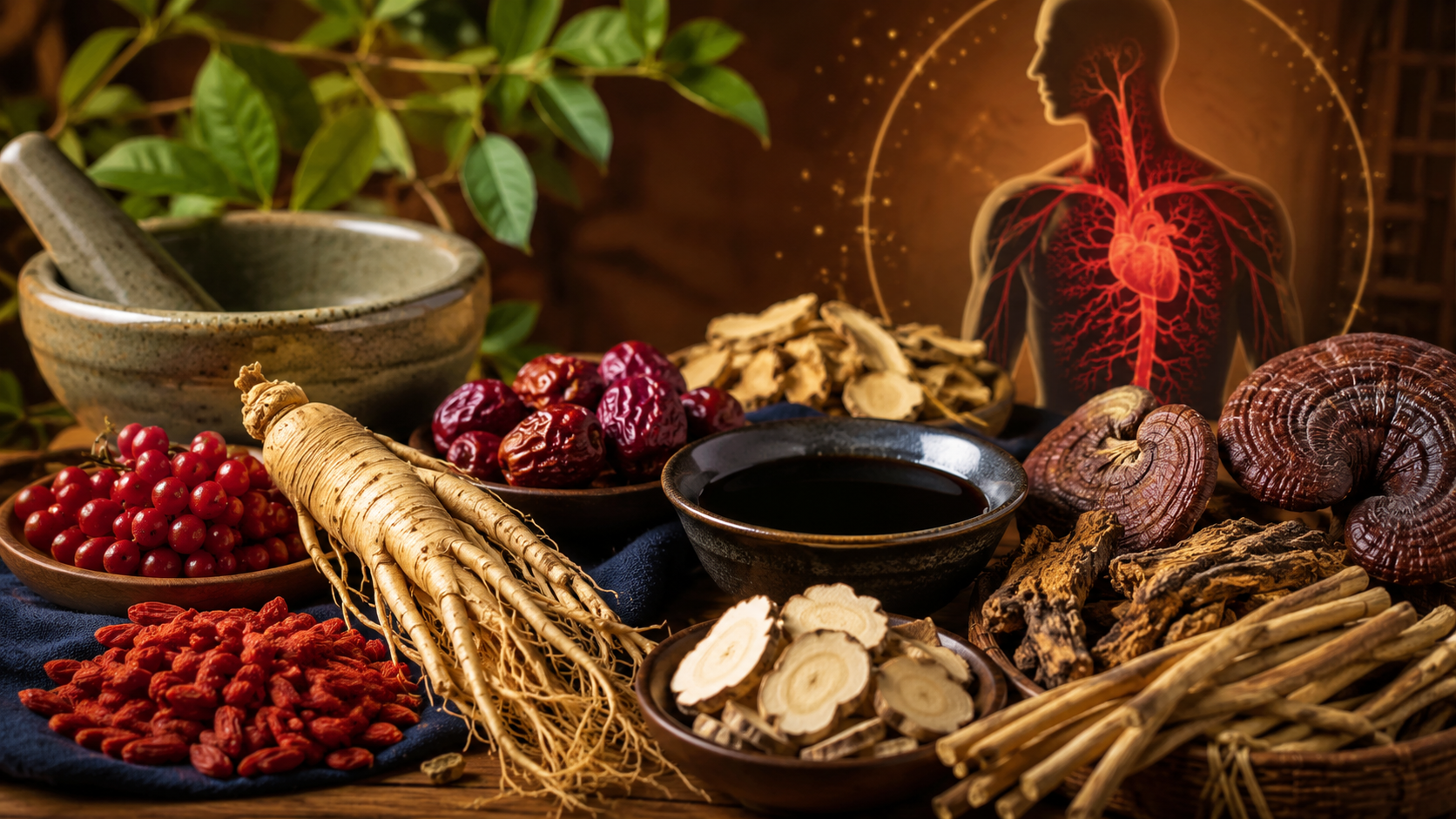
Traditional Herbs for Blood and Energy Support
Long before ferritin tests and hemoglobin panels existed, traditional medicine systems across the world had already identified a recurring pattern: people with pale complexions, persistent fatigue, dizziness, and cold hands and feet often improved dramatically with specific herbal formulas, repeated use after use, generation after generation.
Learn More
Best Iron-Rich Foods to Support Daily Energy
If you’ve been feeling persistently tired despite sleeping enough, your diet may be playing a bigger role than you’d expect. Iron is a core building block of hemoglobin, the protein responsible for carrying oxygen to every cell in your body, and it’s also essential for the
Learn More
What Happens When Your Iron Levels Drop?
Iron deficiency rarely announces itself all at once. It is, in nearly every case, a slow-motion process – one that can unfold over weeks or months before it’s ever caught on a blood test, let alone diagnosed by symptoms alone. Understanding exactly what happens, in what
Learn More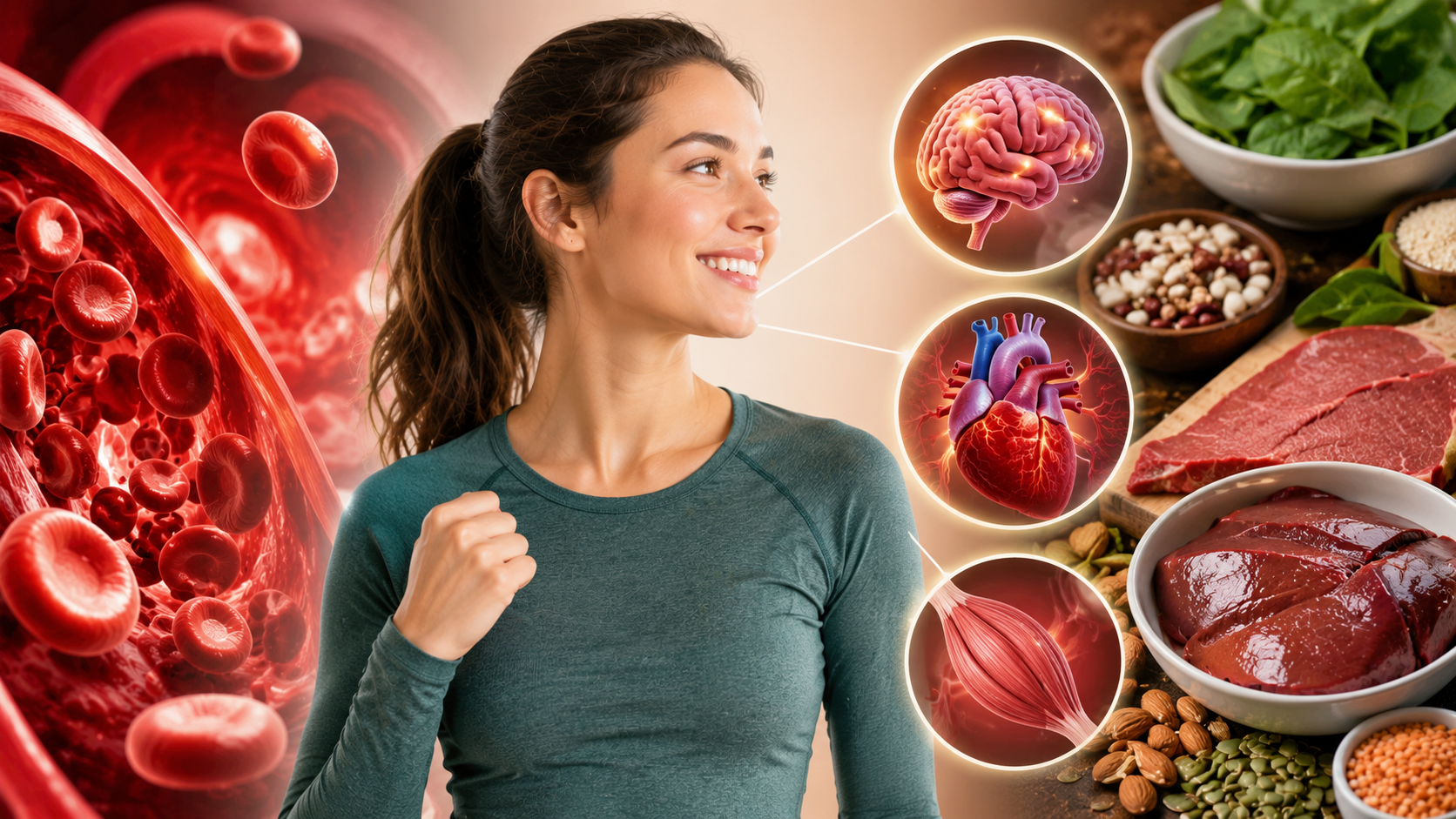
Why Your Body Needs Iron Every Day
It’s easy to overlook a mineral you can’t see, taste, or feel working – until the day it runs low and suddenly everything feels harder. Climbing a single flight of stairs leaves you winded. Your brain feels foggy by mid-morning. You’re cold when everyone else is
Learn More
Could You Be Iron Deficient? 7 Signs to Watch For
You sleep eight hours and still feel exhausted by mid-morning. Climbing a flight of stairs leaves you more breathless than it used to. Your hands feel cold even in a warm room. You have started craving ice in a way that feels almost compulsive. Individually, each
Learn More
Osteogenesis Imperfecta in Children: Causes, Signs, and Support
A toddler’s leg fractures from a routine fall on a soft carpet. A baby’s arm breaks during a diaper change. For families facing osteogenesis imperfecta, these moments are terrifying – and they often happen before anyone understands why. Osteogenesis imperfecta (OI) – also called brittle bone
Learn More
Osteogenesis Imperfecta Support: Living Better With Brittle Bone Disease
A fracture from putting on a sock. A broken arm from a hug that was just slightly too firm. For people living with OI, this is reality. Osteogenesis imperfecta – commonly called brittle bone disease – is a genetic disorder. It makes bones thin and fragile.
Learn More
Osteogenesis Imperfecta vs Osteoporosis: What’s the Difference?
Two patients walk into a fracture clinic. One is a 70-year-old woman who tripped on a rug and broke her hip. The other is a six-year-old boy who broke his femur rolling over in his sleep. Both leave with casts. Both receive a bone density scan.
Learn More
Osteogenesis Imperfecta Types: Understanding Brittle Bone Disease
Imagine a child who fractures a bone simply by sneezing. A teenager who breaks a rib turning over in bed. A newborn whose bones shatter during delivery. These are not hypothetical extremes – they are the documented clinical realities of osteogenesis imperfecta, a genetic disorder so
Learn More
How Osteogenesis Imperfecta Affects Bones, Growth, and Mobility
Imagine bones that fracture from a sneeze. Bones that break during a diaper change. Bones that crack from the ordinary forces of childhood – a tumble, a hug, a stumble on flat ground. For individuals living with osteogenesis imperfecta, this is not a metaphor. It is
Learn More