
Stomach viruses or food poisoning can leave the digestive system irritated and sensitive. For decades, doctors have recommended the BRAT diet to help manage symptoms like nausea and diarrhea. This diet focuses on bland, easy-to-digest foods that calm the stomach during the early stage of illness.
However, modern nutrition science shows that the BRAT diet should only be used temporarily. In this guide, we explain how the BRAT diet works, when it can help, and how to safely transition back to normal eating to support faster digestive recovery.
What Is the BRAT Diet
The BRAT diet is a short-term eating plan used to manage digestive problems such as diarrhea, nausea, vomiting, or stomach flu. It focuses on bland, low-fiber foods that are easy for the stomach to digest and less likely to irritate the gastrointestinal tract during illness.
While the BRAT diet for diarrhea can help calm symptoms in the early stage of illness, modern nutrition experts recommend using it only briefly. After symptoms begin to improve, gradually reintroducing a wider variety of foods can help restore digestion.
When to Use the BRAT Diet and When to Avoid It
Knowing when to use the BRAT diet is just as important as knowing what it includes. This diet is most effective for adults experiencing acute, short-term gastrointestinal upset. If you are dealing with gentle foods for nausea or mild diarrhea caused by a stomach bug, adopting this bland approach for a short period can help settle your symptoms.
However, caution is necessary. The American Academy of Pediatrics no longer recommends the BRAT diet for children with diarrhea. Because the diet is low in fat, protein, and essential micronutrients, it may not provide enough energy for a growing child to recover optimally. For children, the focus is now on maintaining hydration and continuing a regular, well-balanced diet as tolerated.
Elderly individuals and those with compromised immune systems should also use this diet with care. Prolonged restriction of calories and protein can lead to muscle loss and weakness, which can complicate recovery in older adults. If symptoms of diarrhea or vomiting persist for more than 24 to 48 hours, relying solely on the BRAT diet is not appropriate, and medical attention should be sought to rule out more serious conditions.
Furthermore, the BRAT diet should only be used temporarily during digestive recovery. It is not a weight-loss diet or a long-term lifestyle choice. As soon as you feel capable of eating more complex foods, you should begin to reintroduce them. Staying on a restrictive diet for too long may delay healing of the intestinal lining.
Why the BRAT Diet Should Not Be Used for Too Long
Although the BRAT diet can help calm the stomach during the early stages of illness, following a strict version of the diet for too long is not recommended. The four core BRAT diet foods include bananas, rice, applesauce, and toast, but they provide very limited protein, fat, fiber, and essential micronutrients needed for recovery.
Relying only on these foods for several days may lead to fatigue, poor energy intake, and slower healing because the body lacks the nutrients required to repair tissues and support the immune system. A very restrictive diet can also increase the risk of electrolyte imbalance, especially when diarrhea or vomiting has already caused fluid loss.
For this reason, organizations such as the American Academy of Pediatrics and the International Foundation for Gastrointestinal Disorders recommend using the BRAT diet only briefly, typically for about 24 to 48 hours. After symptoms begin to improve, transitioning to a more balanced bland diet for digestive recovery that includes fluids, soft proteins, and nutrient-rich foods can help restore energy and support faster healing.
Many people also expand beyond BRAT foods by choosing other gentle meals. A broader list of the best foods for upset stomach can help guide this transition while the digestive system continues to recover.
The Number One Priority Hydration and Electrolytes

Before worrying about solid food, your absolute priority during any digestive illness must be hydration. Diarrhea and vomiting deplete the body of water and essential electrolytes like sodium, potassium, and chloride at an alarming rate. Dehydration is the most severe complication of diarrhea.
Water is helpful, but it may not be enough on its own because it lacks electrolytes. Choosing the right fluids during illness is just as important as choosing the right foods. For a detailed guide on hydration strategies, see our article on best drinks for diarrhea and dehydration.
Oral Rehydration Solutions – ORS – are the gold standard for hydration during diarrhea. These solutions contain a precise ratio of salt and sugar that maximizes fluid absorption in the intestines. You can find commercial versions like Pedialyte or use sports drinks diluted with water, though sports drinks often contain too much sugar which can sometimes worsen diarrhea.
If you are struggling with nausea, drinking a full glass of water might trigger vomiting. The best strategy is to take small sips frequently. Try sipping a teaspoon of fluid every five minutes. This allows your body to absorb the liquid without overwhelming your stomach. Ice chips or electrolyte popsicles can also be a soothing way to get fluids into your system slowly. Small frequent sips are easier to tolerate than large drinks.
Foods to Eat on the BRAT Diet and Other Bland Foods for Diarrhea
BRAT foods
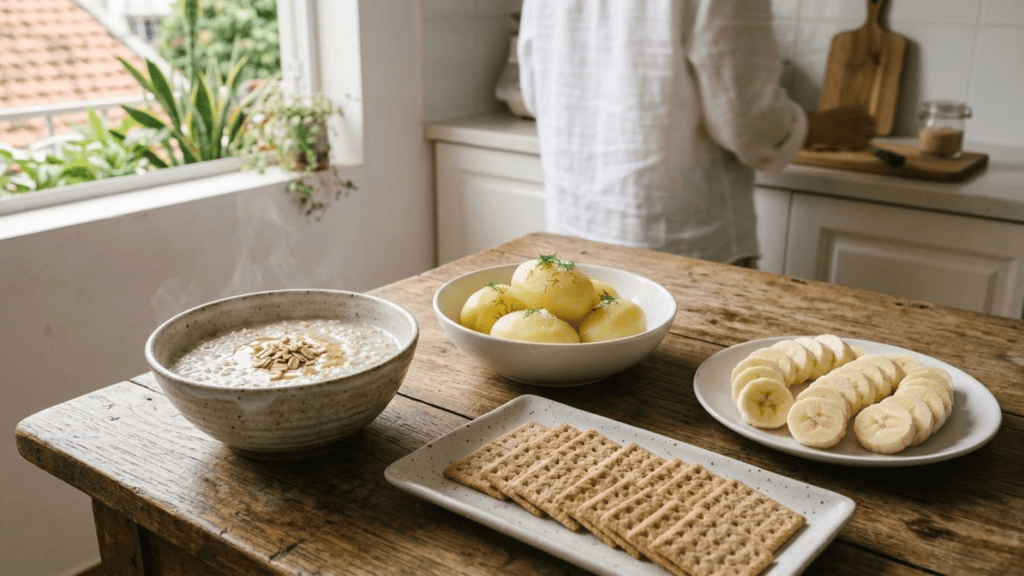
The core BRAT diet foods include bananas, rice, applesauce, and toast, which are commonly recommended foods for diarrhea recovery. If you want a deeper explanation of specific meals and dietary strategies, see our guide on what to eat when you have diarrhea.
Applesauce is preferred over whole apples because the cooking process breaks down the cellular structure of the fruit, making it easier for the stomach to process. The pectin in applesauce also acts as a gentle binder. Toast serves as a bland vehicle for carbohydrates. It is important to eat the toast dry or with a very small amount of jelly, avoiding butter or heavy nut butters until you are feeling better. Dry toast can help reduce the feeling of nausea.
Other foods that may help
The definition of a bland diet has expanded beyond just BRAT foods. Oatmeal, when made with water rather than milk, provides soluble fiber which soothes the digestive tract. Soup, particularly clear broths like chicken or vegetable broth, provides both hydration and sodium. Potatoes, boiled or baked without the skin, are another excellent source of gentle potassium and calories. Potatoes are easily digested and non-irritating.
Saltine crackers are a classic staple for foods for nausea because they are bland, dry, and starchy. As you begin to recover, plain yogurt with live cultures can help restore beneficial gut bacteria disrupted during illness.
Herbal support can also be incredibly soothing. Peppermint may help relax digestive muscles and reduce cramping, similar to herbs that support healthy digestion and gastric emptying. Peppermint tea is commonly used to soothe digestive discomfort and may help relax the muscles of the gastrointestinal tract.
Foods to Avoid During Digestive Illness
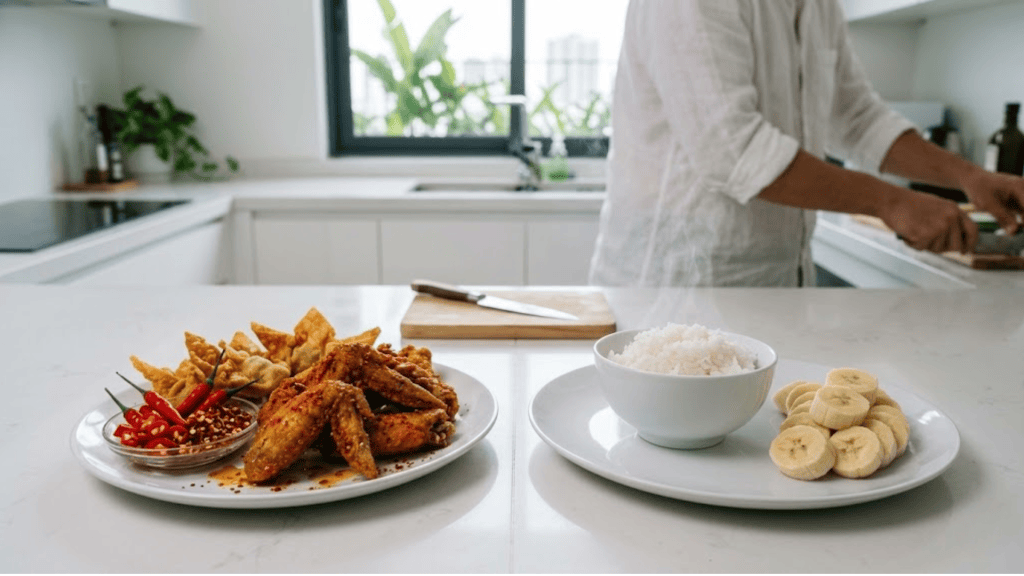
Knowing what to avoid is just as critical as knowing what to eat. High-fat foods are difficult to digest and can delay stomach emptying, which may worsen nausea. Spicy foods containing chili powder or hot peppers can irritate the already inflamed lining of the stomach and intestines, increasing digestive inflammation. Capsaicin in spicy foods can speed up intestinal movement and worsen diarrhea.
Dairy products can be problematic during a bout of diarrhea. Even if you are not usually lactose intolerant, a stomach infection can cause temporary lactose intolerance because the enzyme lactase is washed away or temporarily reduced. Alcohol and caffeine are diuretics, meaning they increase urine production and contribute to dehydration. They also stimulate the intestines and may increase bowel movements.
Artificial sweeteners, particularly sugar alcohols like sorbitol and mannitol found in sugar-free gum and candy, can cause bloating and diarrhea and should be avoided. Highly processed foods often contain emulsifiers and additives that can disturb the gut microbiome. Focusing on whole, simple foods is key.
Sample BRAT Diet Recovery Plan
First six hours
Do not force solid food. Focus on hydration first. Take small sips of water, oral rehydration solution (ORS), or clear broth. If drinking triggers nausea, try ice chips or a few sips every 5–10 minutes. The goal is to keep fluids down, not to hit calories.
First 24 Hours (Day 1)
Once you can tolerate fluids, start with small portions of BRAT foods. Try half a banana, a few bites of plain rice, applesauce, or a slice of dry toast. Eat slowly and stop before you feel full. If symptoms return, pause solids and go back to clear fluids for a few hours, then try again.
Day 2 and Beyond (transition to a bland diet)
When vomiting stops and diarrhea begins to ease, shift from a strict BRAT diet to a broader bland diet for better recovery. Add gentle proteins such as scrambled eggs, boiled chicken, or steamed fish. Include soft, cooked foods like oatmeal, mashed potatoes, or well-cooked carrots. Keep meals small and simple, and gradually return to a normal balanced diet as your stomach settles.
What If You Cannot Keep Food Down
There are times when even the gentle BRAT diet is too much. If you vomit immediately after eating, stop eating solids. This is your body’s way of saying it needs total rest. Revert to small sips of clear liquids or ice chips. If you cannot keep fluids down for more than 24 hours, or if you show signs of severe dehydration such as dark urine, dizziness, or confusion, you need medical help. Persistent vomiting requires medical evaluation.
Warning signs that require immediate attention include severe abdominal pain, high fever, or vomiting blood or a substance that looks like coffee grounds. In these cases, home remedies are insufficient, and intravenous fluids or antiemetic medications may be required in a hospital setting. Never force food on someone who is actively vomiting. Severe dehydration can progress to shock.
BRAT Diet vs Bland Diet
It is helpful to understand the distinction between the BRAT diet and a general bland diet. The BRAT diet is a very specific, highly restrictive subset of the bland diet used for acute illness. A bland diet is a broader category that includes BRAT foods but also allows for low-fat dairy, cooked vegetables, lean meats, and non-fibrous grains. Many doctors recommend transitioning to a bland diet for digestive recovery with easily digestible foods once symptoms begin to improve.
Bland diets allow for more nutritional diversity and are sustainable for longer periods than the strict BRAT diet. For example, a bland diet might include baked fish or creamy peanut butter, which provide essential fatty acids. Integrating gentle herbs can also enhance a bland diet without causing irritation.
Probiotics and Digestive Recovery
Once the acute symptoms of diarrhea or stomach flu have subsided, your focus should shift to rebuilding your gut microbiome. Illness and diarrhea can flush out large numbers of beneficial bacteria, leaving your gut vulnerable and disrupting the gut–brain axis.
You do not necessarily need expensive supplements to get probiotics. Fermented foods are natural sources of probiotics that help improve digestive balance. Yogurt, kefir, and miso soup are gentle ways to introduce these bacteria. However, avoid heavy fermented foods like spicy kimchi or sauerkraut until your stomach is fully healed, as the spice and high fiber content might be irritating. Restoring the gut microbiome is an important part of recovery after diarrhea, especially when focusing on foods that support gut health.
When to Contact a Doctor
While most digestive bugs resolve on their own with rest and the BRAT diet, some symptoms warrant professional medical advice. If diarrhea persists for more than two days in adults or 24 hours in children, contact a doctor. A fever above 102 degrees Fahrenheit (39 degrees Celsius) alongside digestive symptoms suggests a more significant infection that may require treatment. Persistent diarrhea can indicate bacterial or parasitic infection.
Blood or mucus in the stool is never normal and should be evaluated immediately. Additionally, signs of severe dehydration such as dry mouth, sunken eyes, little to no urination, and extreme weakness are medical emergencies. High-risk populations, including pregnant women, infants, and those with chronic health conditions like diabetes, should be more proactive in seeking medical help rather than trying to manage severe symptoms at home.
The Bottom Line
The BRAT diet has long been used to manage stomach illness, but modern nutrition shows it should only be used briefly. It is best viewed as a brief, temporary tool to manage acute symptoms like nausea and diarrhea. While bananas, rice, applesauce, and toast are gentle on the stomach, they are not nutritionally complete for long-term use.
True recovery involves hydration, electrolyte management, and a swift return to a varied, nutrient-dense diet that includes lean proteins and soft vegetables. By combining the traditional wisdom of the BRAT diet with modern nutritional science and supportive herbal remedies, you can navigate digestive illness more comfortably and get back to feeling your best faster.
Frequently Asked Questions
You should follow the BRAT diet for no more than 24 to 48 hours. Extended use can lead to malnutrition because it lacks protein, fat, and fiber. Transition to a regular balanced diet as soon as your symptoms tolerate it.
It is recommended with caveats. Doctors now suggest it only for very short-term symptom management in adults. It is no longer routinely recommended for children, as pediatricians prefer maintaining a balanced diet to support faster recovery and prevent nutritional deficits.
Besides the classic four foods, you can eat oatmeal, plain crackers, boiled potatoes, clear broths, and eventually lean proteins like boiled chicken or scrambled eggs. Yogurt with probiotics is also a good addition once the worst symptoms pass.
The American Academy of Pediatrics advises against using the BRAT diet strictly for children. Kids need fat and protein to recover. It is better to offer them their regular healthy diet as tolerated, focusing heavily on hydration with oral rehydration solutions.
The BRAT diet helps firm up stools because the foods are binding and low in fiber, but it does not cure the underlying infection causing the diarrhea. It creates bulkier stool and reduces irritation, making the symptoms more manageable while the body heals itself.
References
- American Academy of Pediatrics. (2024). Diarrhea in Children: What Parents Need to Know. HealthyChildren.org. https://www.healthychildren.org/English/health-issues/conditions/abdominal/Pages/Diarrhea.aspx
- Cleveland Clinic. (2023). The BRAT Diet: Is It Good for You?. https://health.clevelandclinic.org/brat-diet
- Mayo Clinic. (2023). Diarrhea: Diagnosis and Treatment. https://www.mayoclinic.org/diseases-conditions/diarrhea/diagnosis-treatment/drc-20352246
- National Institute of Diabetes and Digestive and Kidney Diseases. (2022). Eating, Diet, & Nutrition for Diarrhea. National Institutes of Health. https://www.niddk.nih.gov/health-information/digestive-diseases/diarrhea/eating-diet-nutrition
- Nemours KidsHealth. (2022). Diarrhea. https://kidshealth.org/en/parents/diarrhea.html
- World Health Organization. (2017). Diarrhoeal disease. https://www.who.int/news-room/fact-sheets/detail/diarrhoeal-disease