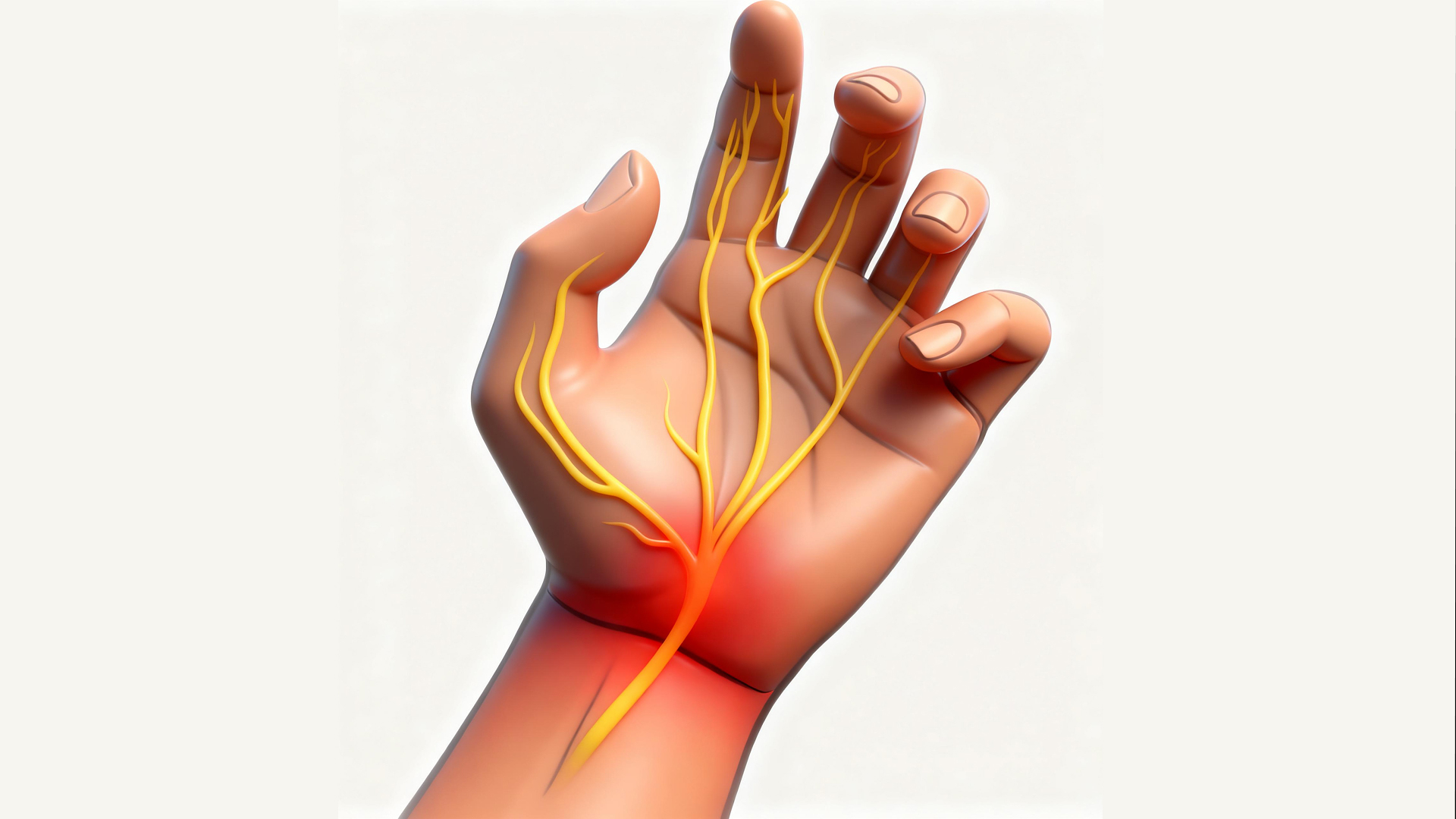
For millions of us, the workday is defined by the glow of a screen and the rhythmic clatter of a keyboard. But beneath this routine lies a silent epidemic: Carpal Tunnel Syndrome (CTS). Once seen as an ailment of assembly line workers, CTS has aggressively migrated into the home offices and corporate cubicles of the digital age.
As a medical doctor with a foot in both Modern and Traditional medicine, I’ve seen this shift firsthand. The growing prevalence of wrist pain isn’t just bad luck-it’s a direct consequence of our evolved, sedentary, and tech-dependent lifestyles. Let’s break down exactly what is happening inside your wrist and, more importantly, how to fix it without giving up your career.
The Silent Epidemic in Your Home Office
The modern digital workspace is a breeding ground for orthopedic issues. In 2024 and 2025, we have seen a surge in CTS diagnoses, often driven by the “always-on” culture of remote work.
So, what is actually happening? It all comes down to anatomy. Your wrist contains a narrow passageway called the carpal tunnel. This rigid tunnel houses the flexor tendons (which curl your fingers) and the median nerve (which provides sensation to your thumb and fingers).
When you spend hours typing with your wrists bent, the synovial sheaths surrounding these tendons become irritated and swollen. Because the tunnel is made of bone and ligament, it cannot expand. The swelling compresses the median nerve, cutting off the signal.
Common Symptoms Include:
- Paresthesia: That annoying “pins-and-needles” feeling in the thumb, index, and middle fingers.
- Nocturnal Pain: Waking up with a numb hand, often needing to “shake it out.”
- Proprioception Loss: Clumsiness or dropping your coffee cup because your hand “forgot” how to grip.
Left unchecked, this isn’t just an annoyance, it’s a slow nerve strangulation. The good news is that in most early cases, small ergonomic fixes and a few targeted drills can relieve the pressure before it becomes permanent.
Why Ignoring It Is Dangerous
“It’s just a little stiffness,” you might tell yourself. “I’ll stretch it out later.” But ignoring these early warning signs is a gamble with your mobility.
The data is alarming. Recent ergonomic studies suggest that among high-intensity computer users, the prevalence of CTS symptoms is skyrocketing. If left untreated, the compression causes ischemia (lack of blood flow) to the nerve.
Over time, this leads to thenar atrophy, the visible wasting away of the muscles at the base of your thumb. Once these muscles die, they rarely come back fully, even after surgery. Imagine losing the fine motor skills required to button a shirt, hold a pen, or type the emails your livelihood depends on. The cost isn’t just physical; chronic pain is a massive drain on focus and creativity.
A Dual Approach – Modern & Traditional Medicine
The good news? You typically do not need surgery if you catch it early. By combining the precision of modern diagnostics with the holistic wisdom of traditional herbalism, you can effectively manage and reverse CTS.
1. Modern Medical Interventions
Modern medicine excels at mechanical and chemical symptom control.
- Electromyography (EMG): Doctors use this to measure how fast electrical signals travel down your nerve, confirming the diagnosis.
- Wrist Splinting: This keeps the wrist in a neutral position while you sleep, preventing the nighttime bending that spikes pressure in the tunnel.
- Corticosteroids: Potent anti-inflammatory injections that can temporarily shrink swollen tissues.
2. Traditional Medicine & Herbal Support
While modern medicine treats the symptom, traditional medicine often targets the systemic inflammation and blood stasis that allows the problem to persist.
- Acupuncture: By targeting specific meridians, acupuncture can stimulate blood flow and trigger the release of natural painkillers.
- Potent Herbal Anti-Inflammatories:
- Turmeric (Curcumin): A powerful modulator of cytokines, which are cell signaling molecules that aid cell to cell communication in immune responses and stimulate the movement of cells towards sites of inflammation, infection and trauma.
- Boswellia Serrata: Helps prevent the formation of leukotrienes in the body (molecules that trigger inflammation).
- Drynaria Fortunei: Known in traditional practices to strengthen bone and connective tissue.
Smart Tip: If you are looking for a natural way to support your wrist structure, consider Naturem™ Joints+. It utilizes a sophisticated blend of ingredients like Drynaria and Rhizoma Homalomena to target joint stiffness and support healthy cartilage maintenance, bridging the gap between ancient wisdom and modern needs.
Evidence That Natural Solutions Work
Scepticism is healthy, but the science regarding natural intervention is robust. A 2021 triple-blind randomized controlled trial showed that the topical application of Boswellia carterii oil significantly reduced pain scores and improved grip strength in CTS patients compared to a placebo.
Furthermore, nutrition plays a vital role. The health of your synovium (the lining of the joints) relies on collagen. Studies indicate that Collagen Peptides can help repair the extracellular matrix of tendons. For those interested in the deep botanical science behind these ingredients, you can explore the research database at herbsofvietnam.com, which details the pharmacological profiles of these restorative plants.
Did You Know?
Your “funny bone” isn’t a bone at all, it’s the ulnar nerve. While CTS affects the median nerve, “Cubital Tunnel Syndrome” affects the ulnar nerve at the elbow, often caused by leaning on armrests all day!
Your Action Plan for Wrist Health
Don’t wait for the numbness to become permanent. Here is a medically-backed action plan.
Step 1: The Ergonomic Audit
- Float Your Hands: Your wrists should not rest on the laptop edge while typing. They should float, or rest on a soft gel pad.
- Vertical Mice: Consider a vertical mouse. It puts your hand in a “handshake” position, which un-twists the forearm bones (radius and ulna) and opens up the carpal tunnel.
Step 2: Nerve Gliding Exercises
You stretch your muscles, but you must also “floss” your nerves.
- The Median Glide: Make a fist → Extend fingers up → Bend hand back → Extend thumb to the side. Repeat 10 times. This helps the nerve slide freely through the transverse carpal ligament.
Step 3: Internal Support
Reduce systemic inflammation through diet and supplementation.
- Omega-3 Fatty Acids: Found in fish oil, these reduce the production of inflammatory chemicals.
- Internal Link: To support your body’s recovery from repetitive strain, explore the holistic wellness solutions at svkherbal.com. Their focus on natural anti-inflammatories can be a great addition to your daily routine.
If you treat CTS early, it is one of the most reversible repetitive-strain injuries. Commit to these three steps for 14 days, track your night symptoms and grip strength, and if numbness persists or weakness appears, get a formal evaluation. Because nerves heal slowly, and time matters.
Naturem™ Joints+: Nourishing Joint Health from Within
True joint strength begins inside the body, where organs, circulation, and metabolism work together to protect bones and connective tissues. Naturem™ Joints+ combines traditional Vietnamese herbal wisdom with modern nutritional science to restore that harmony. Its natural formula targets the root causes of stiffness and discomfort, helping the body repair cartilage, regulate inflammation, and maintain long-term mobility.
Each capsule delivers a synergistic blend of Collagen Peptides, Drynaria Fortunei, Clinacanthus Nutans, Rhizoma Homalomena, and Tinospora Sinensis. Together, they strengthen bones, enhance circulation, and support the body’s natural healing processes. Designed for daily use, Naturem™ Joints+ helps you move with ease, balance, and confidence, the way your body was meant to.
Frequently Asked Questions
Yes. It is often called “texting thumb” or De Quervain’s tenosynovitis. Excessive smartphone use inflames the tendons connected to the thumb, which can exacerbate pressure in the carpal tunnel.
The hallmark of CTS is numbness and tingling, specifically in the thumb, index, and middle fingers. Simple strain usually presents as aching pain without the “pins and needles” sensation. If you feel an electric shock sensation, that is nerve involvement.
Generally, no. Wearing a rigid splint while typing can actually cause your muscles to fight against the brace, increasing strain. Splints are most effective at night to keep the wrist straight while you sleep.
Herbal remedies are generally well-tolerated, but interactions can occur. For example, high doses of Turmeric can act as a mild blood thinner. Always consult your physician, and check resources like lanui.vn for detailed usage guides on herbal products.
References
National Institutes of Health. (2025). Work-Related Musculoskeletal Disorders. NIH Library of Medicine.
American Society for Surgery of the Hand. (2024). Tendons of the Hand. ASSH Hand Care.
Cleveland Clinic. (2025). Carpal Tunnel Syndrome: Causes, Symptoms & Treatment. Cleveland Clinic Health Library.
Johns Hopkins Medicine. (2024). Electromyography (EMG). Johns Hopkins Health.
Karimi, M., et al. (2021). The Efficacy of Boswellia carterii Oleogel in Pain Relief and Functional Improvement Among Patients with Carpal Tunnel Syndrome: A Triple-Blind Randomized, Controlled Trial. Shiraz E-Medical Journal.
Mayo Clinic. (2025). Corticosteroids: types and side effects. Mayo Clinic.
National Institute of Neurological Disorders and Stroke. (2024). Paresthesia Information Page. NIH.