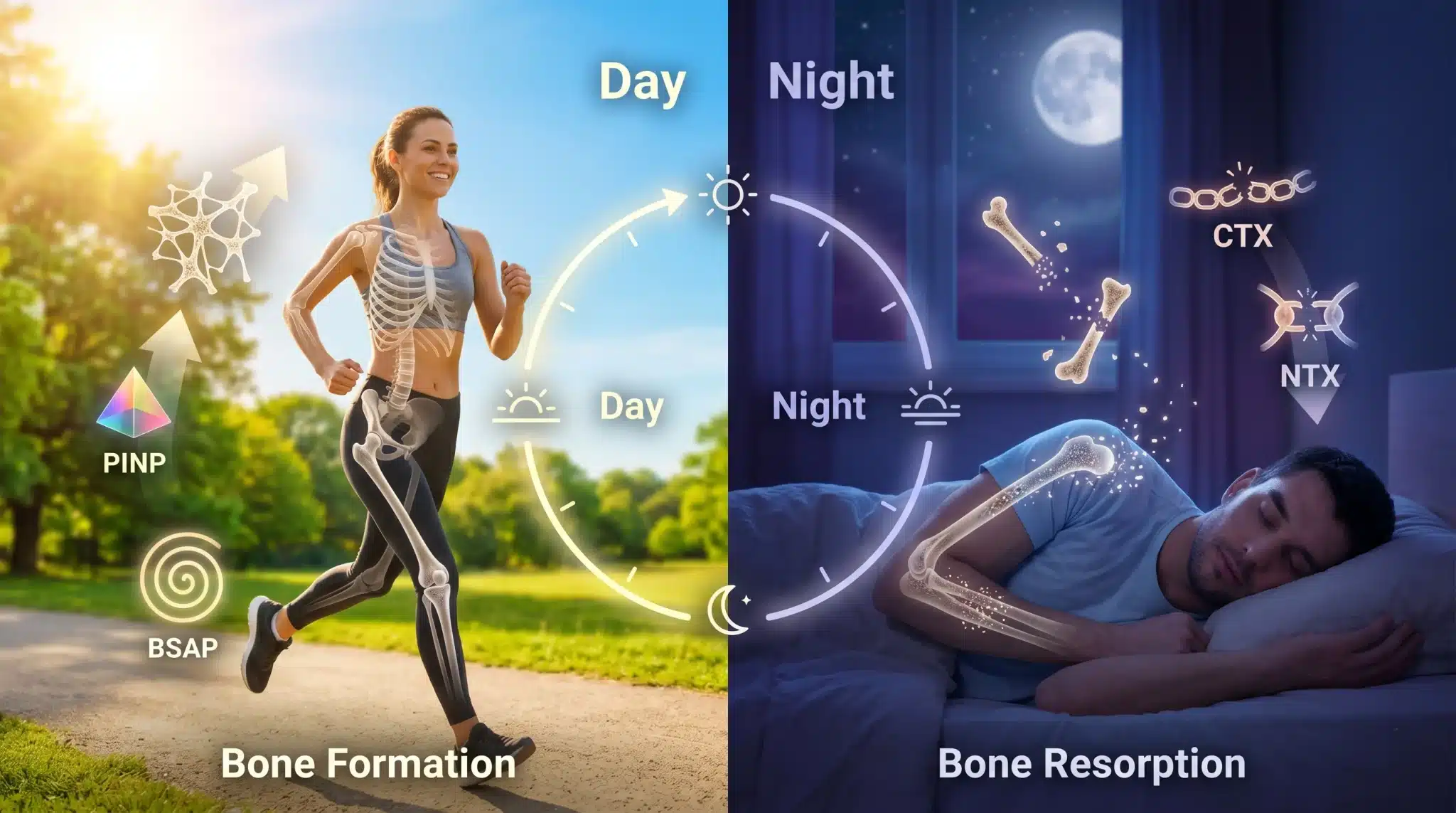
The human body is governed by a sophisticated, internal 24-hour timekeeping system known as the circadian rhythm. While most people associate this biological clock with sleep and wakefulness, it also dictates critical physiological processes at a cellular level, including the continuous remodeling of bone tissue. Emerging research suggests that when this delicate timing is disrupted, often due to modern lifestyle factors, it can negatively impact skeletal integrity, potentially accelerating bone loss and contributing to conditions like osteoarthritis.
The Science of Bone Remodeling and Circadian Control
Bone is not a static structure. It is a dynamic tissue that undergoes constant renewal through a process called bone remodeling. This cycle involves two primary cell types: osteoclasts, which break down old or damaged bone, and osteoblasts, which form new bone tissue. When this renewal cycle is compromised, it can lead to osteoarthritis and potential joint deformity over time.
- Intrinsic Molecular Clocks: Virtually every cell in the body, including those within your bones, possesses its own molecular clock. These clocks are driven by core clock genes, such as BMAL1, CLOCK, PER, and CRY.
- Rhythmic Activity: Research indicates that the expression of these genes follows a diurnal pattern, which in turn influences the rhythmic activity of bone cells. This ensures that bone resorption and formation occur at precise, coordinated times.
- Systemic Regulation: In addition to local cellular clocks, systemic factors like hormone release and feeding and fasting cycles help synchronize bone remodeling throughout the day.
Understanding this rhythmic coordination is essential for skeletal longevity. When these clock genes are desynchronized, the balance between bone breakdown and creation can be lost, and individuals may find themselves seeking natural remedies and herbal options for joint pain to manage the subsequent discomfort.
The Impact of Sleep Deprivation on Bone Health
Chronic sleep deprivation is a major disruptor of the body internal timing system. When you do not get adequate, restorative sleep, you essentially force your body to operate against its natural physiological schedule.
- Reduced Bone Formation: Studies have consistently shown that sleep restriction leads to a decrease in osteoblast activity. This means the body is less efficient at replacing old bone with new, healthy tissue.
- Imbalance in Remodeling: While bone formation declines, the activity of osteoclasts may remain high or become disproportionately elevated, leading to a net loss of bone mineral density.
- Long-term Consequences: Clinical surveys have found that individuals who consistently sleep for short durations, typically six hours or less, exhibit significantly lower bone density. This can be exacerbated by neglecting joint maintenance, making it vital to explore appropriate exercise for osteoarthritis to keep bones and joints robust.
Protecting your sleep hygiene is a fundamental pillar of maintaining strong, resilient bones as you age. If symptoms of stiffness or pain arise, many practitioners advocate for herbs and osteoarthritis as a natural approach to joint health.
Shift Work and the Risk of Bone Disorders
Shift work is arguably the most common occupational factor that causes profound circadian misalignment. By forcing individuals to be active and eat at times when the body expects rest, shift work disrupts the environmental cues that keep our internal clocks in sync.
- Increased Fracture Risk: Large-scale population studies have indicated that long-term night shift work is associated with a higher risk of low bone mineral density.
- Traditional Support: For those managing joint or bone concerns in such environments, traditional remedies for arthritis as an integrative physician guide can provide holistic strategies to support musculoskeletal function.
- Botanical Interventions: Certain plants have been historically used to support structural integrity, such as Gnetum montanum, an ancient Vietnamese liana for joint relief, or Morinda citrifolia, commonly known as Noni, for bone mending and joint relief.
While not every shift worker will develop bone disease, the evidence suggests that this population should be more vigilant about monitoring their bone health and incorporating lifestyle modifications to mitigate potential risks.
Optimizing Your Biological Clock for Skeletal Longevity
Given the strong link between circadian health and bone physiology, taking steps to protect your internal clock is a proactive way to support long-term skeletal integrity.
- Maintain Consistent Sleep Schedules: Try to go to bed and wake up at the same time every day, even on weekends. Consistency helps stabilize your central circadian clock.
- Prioritize Morning Light Exposure: Getting natural sunlight shortly after waking helps reset your biological clock, promoting better sleep and wake cycles and hormonal balance.
- Synchronize Your Meals: Eating meals at consistent times, and avoiding large meals close to bedtime, can support the rhythmic nature of your metabolism and bone related physiological processes.
- Focus on Bone Supportive Nutrition: Ensure adequate intake of calcium and Vitamin D, which act as the essential building blocks for bone health, especially when lifestyle or shift work demands increase physiological stress.
By living in harmony with your natural circadian rhythms, you can help ensure that your body internal clockwork continues to support strong, healthy bones throughout your life.
Frequently Asked Questions (FAQ)
While more clinical data is needed to confirm if improving sleep habits can reverse existing bone loss, evidence suggests that adequate, high quality sleep is crucial for preventing further bone deterioration and maintaining long term skeletal health.
Yes, core clock genes like BMAL1 and CLOCK regulate the expression of factors involved in both osteoblast and osteoclast activity. Disruption of these genes has been linked to impaired bone formation in research models.
No, shift work is considered a risk factor rather than a cause. While statistics show an increased association between shift work and bone issues, individual risk depends on many factors, including age, diet, exercise, and overall health history.
Light is the primary environmental cue for the circadian system. Proper light exposure helps regulate the sleep and wake cycle, which indirectly supports the rhythmic hormonal environment necessary for optimal bone remodeling.
Naturem™ Joints+: Nourishing Joint Health from Within

Real joint resilience begins internally, where circulation, metabolism, and organ function work together to preserve bones, cartilage, and connective tissue. Naturem™ Joints+ blends traditional Vietnamese herbal wisdom with modern nutritional science to help restore that internal balance. Its natural formulation is designed to address the deeper causes of stiffness and discomfort by supporting cartilage repair, moderating inflammation, and sustaining long-term mobility.
Each capsule contains a synergistic combination of Collagen Peptides, Drynaria Fortunei, Clinacanthus Nutans, Rhizoma Homalomena, and Tinospora Sinensis. Working together, these ingredients help reinforce bone strength, enhance blood flow, and support the body’s own healing processes. Formulated for daily use, Naturem™ Joints+ is designed to help you move more freely, comfortably, and confidently, just as your body was intended to do.
References
- Everson, C. A., & Toth, L. A. (2024). The significance of chronic sleep deficiency for bone health in aging adults. National Institutes of Health.
- Frontiers. (2025). The role of circadian rhythm in osteoporosis: A review. Frontiers in Endocrinology.
- News-Medical.Net. (2026). Does night shift work increase osteoporosis risk? News-Medical.
- NIH. (2024). Circadian regulation of bone remodeling. National Library of Medicine. https://www.ncbi.nlm.nih.gov/pmc/articles/PMC10156681/
- NIH. (2022). The association between night shift work and osteoporosis risk. National Library of Medicine. https://www.ncbi.nlm.nih.gov/pmc/articles/PMC8900676/
- Swanson, L., et al. (2024). Circadian rhythms and their influence on skeletal longevity. Journal of Clinical Orthopedics.
- Taylor & Francis. (2022). Night shift work and bone turnover markers among female workers. Chronobiology International. https://www.tandfonline.com/doi/full/10.1080/07420528.2022.2035313