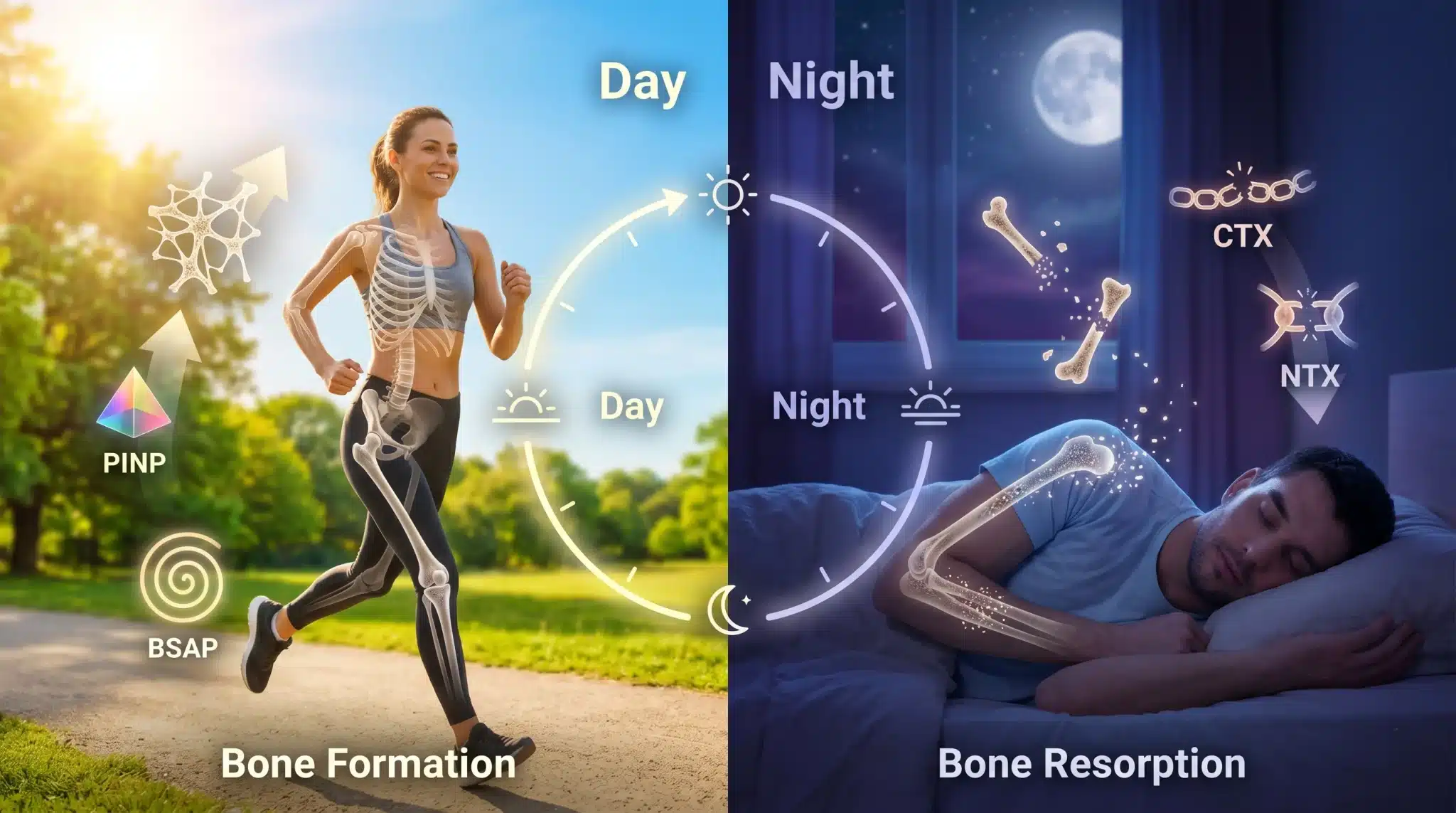
Circadian Rhythms and Bone Turnover: Why Your Internal Clock Matters for Skeletal Health
The human body is governed by a sophisticated, internal 24-hour timekeeping system known as the circadian rhythm. While most people associate this biological clock with sleep and wakefulness, it also dictates critical physiological processes at a cellular level, including the continuous remodeling of bone tissue. Emerging
Learn More
The Gut-Bone Axis: How Microbiota Influence Density
The human body operates as a complex, interconnected system where disparate organs often communicate in ways that defy traditional anatomical boundaries. One of the most fascinating areas of recent medical discovery is the gut-bone axis, a bidirectional relationship linking the health of your digestive tract to
Learn More
Synergistic Lifestyle Changes for Osteoarthritis: A Comprehensive Approach to Joint Health
Osteoarthritis is a degenerative joint disease characterized by the breakdown of cartilage, leading to pain, stiffness, and reduced mobility. While the condition was historically viewed as an inevitable consequence of aging, modern medicine now understands it as a complex interplay of mechanical, metabolic, and inflammatory factors.
Learn More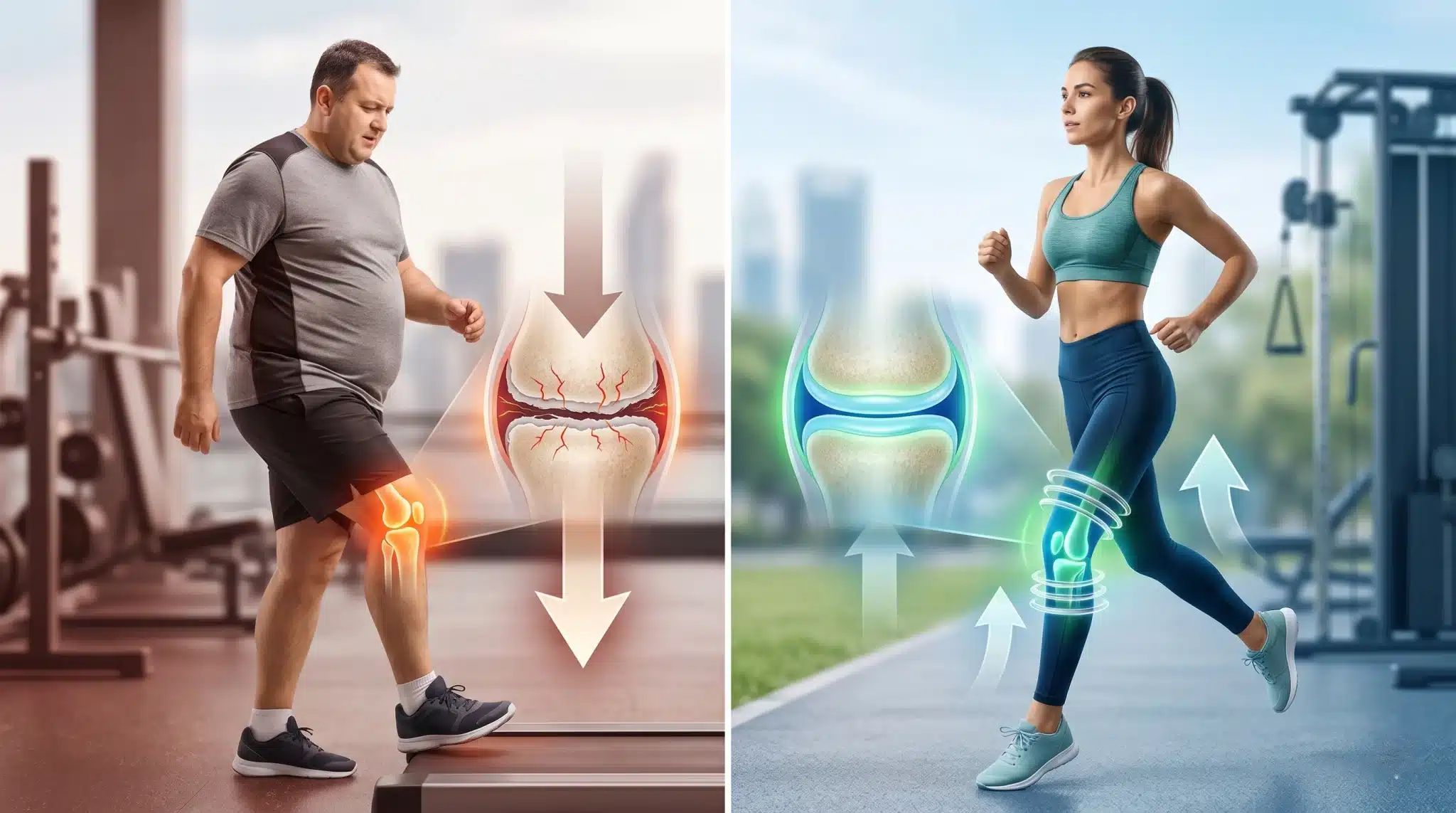
The Critical Impact of Weight on Knee Cartilage Integrity
Obesity is recognized as a primary, independent risk factor for the development and progression of knee osteoarthritis (OA). While often historically viewed solely as a “wear and tear” condition caused by excess mechanical load, modern medical science now understands OA as a complex, multifactorial disease. The
Learn More
Can a Vegetarian Diet Affect Memory? What Science Says and How to Protect Brain Health
Vegetarian and vegan lifestyles are expanding rapidly across the globe. Both the World Health Organization (WHO) and the Food and Agriculture Organization (FAO) have documented a steady worldwide movement toward plant-based eating for reasons related to both health and sustainability. Still, one recurring concern keeps surfacing:
Learn More