
When people think about living longer, the conversation often centers around nutrition, exercise, or genetics. Yet one of the most revealing and frequently overlooked, indicators of long-term health is the skin. As the body’s largest organ, it does far more than simply act as a shield; it breathes, detoxifies, and reflects our internal well-being.
A clear, uncongested complexion not only enhances appearance but also signals healthy circulation, efficient detoxification, and balanced body function. In essence, maintaining clear skin is not just a matter of beauty, it is a cornerstone of vitality and longevity (Doctor’s Desk, 2024).
Learn about the traditional formula Qi Bao Mei Ran Dan, an ancient remedy in Traditional Medicine known for rejuvenating the skin and revitalizing the body from within.
Clear Skin as a Foundation of Well-Being

Healthy, radiant skin is more than cosmetic – it reliably reflects overall wellness. It actively helps with protecting the body, regulating temperature, and reflecting internal balance, making the skin a key indicator of physiological and systemic health.
Key scientific insights:
- Barrier protection and immunity:
The skin is the body’s first line of defense against pathogens, allergens, and pollutants, forming a sturdy barrier that lowers infection risk and external damage (Int J Mol Sci, 2022). - Thermoregulation:
Sweat glands and blood vessels control body heat via sweating and vasodilation, processes essential for maintaining homeostasis (EV Osilla, 2023). - Detoxification via sweat:
While the liver and kidneys do most detoxification, perspiration can help eliminate trace heavy metals such as arsenic, cadmium, lead, and mercury (Genuis et al., 2011). - Oxidative stress and aging:
Ongoing exposure to UV radiation and environmental toxins heightens oxidative stress, injuring collagen and elastin and promoting premature skin aging (Poon et al., 2015). - Indicator of systemic health:
Visible skin changes can reveal internal imbalances or diseases like diabetes, liver dysfunction, or hormonal imbalance, making the skin a window into underlying conditions (Transl Pediatr, 2017).
Maintaining clear, breathable skin isn’t only about looks – it shows the skin’s capacity to act as a barrier, regulate temperature, and resist oxidative stress. Keeping skin clear supports protection, resilience, and internal balance, which together foster vitality and healthy aging.
Why Clear Skin Relates to Longevity

Your skin’s condition is more than cosmetic – it reflects internal organ health and directly influences how your body fights disease and ages. Clear skin, free from chronic inflammation and congestion, is increasingly viewed as a contributor to long-term vitality and longevity. Here’s why healthy skin supports disease resistance and energy over time:
- Efficient detoxification:
Although the liver and kidneys handle most detoxification, the skin also helps by eliminating waste through sweat. Reviews show sweat can carry measurable toxic elements – arsenic, cadmium, lead, mercury – indicating the skin works alongside other detox organs to maintain systemic balance (Genuis et al., 2011). - Reduced chronic inflammation:
Ongoing skin inflammation isn’t only a local problem; it can trigger systemic immune dysfunction. Persistent inflammatory signaling promotes inflammaging, a low-grade chronic inflammation linked with age-related diseases like cardiovascular disease and diabetes (Franceschi & Campisi, 2014). - Anti-aging effects:
Exposure to pollutants and UV radiation induces oxidative stress, speeding the breakdown of collagen and elastin. The result is premature aging and cellular senescence, both of which shorten healthy lifespan (M Rinnerthaler, 2015).
By aiding detox, lowering chronic inflammation, and limiting oxidative damage, clear skin does more than keep you looking young – it strengthens defenses against aging and disease. These mechanisms explain the close tie between skin health and longevity, and why maintaining clear skin should be treated as a pillar of preventive health, not merely personal care.
Looking for a natural way to enhance beauty, manage weight, and ease stress? Try Lanui™ Slim Tablet – your gentle path to inner balance and vitality.
What Really Clogs Your Pores
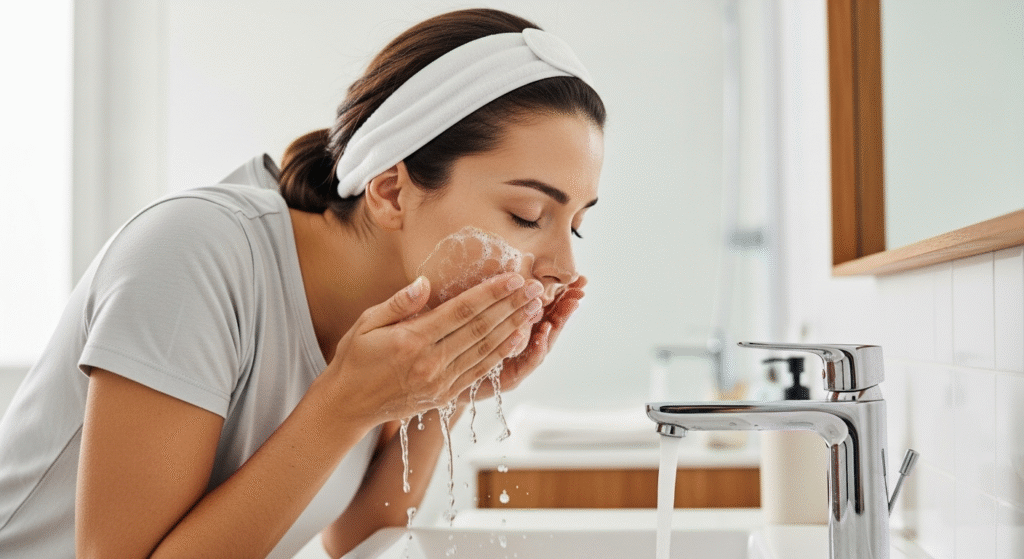
Clogged pores hinder the skin’s normal release of sweat and oil, often resulting in acne and irritation. Both environmental exposures and lifestyle habits are major drivers:
- Environmental pollution:
Fine particles from traffic fumes, industrial smog, and cigarette smoke settle on the skin, induce oxidative stress, and plug pores. Prolonged contact with airborne pollutants is linked to faster skin aging and higher rates of acne and eczema (Vierkötter & Krutmann, 2012). - Unhealthy lifestyle:
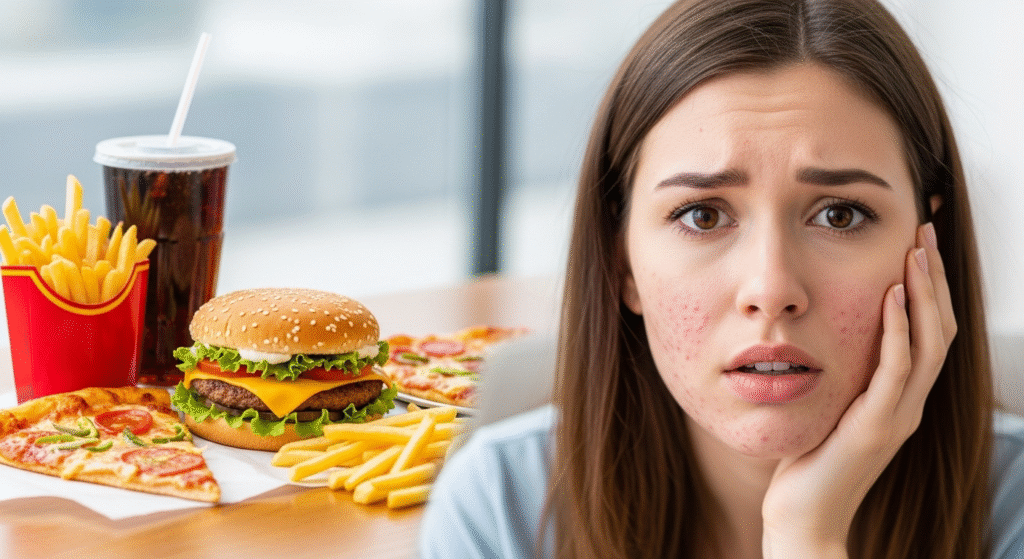
Diets high in refined carbohydrates and saturated fats boost sebum and systemic inflammation, aggravating pore blockage and acne severity. Stress hormones such as cortisol further stimulate oil glands, while lack of sleep slows skin-barrier repair (Kwon et al., 2021). - Improper skincare:
Heavy cosmetics, poor cleansing, or comedogenic products can physically block pores and disturb the skin microbiome. Reviews note these habits are among the most preventable causes of clogged pores and acne (Zaenglein et al., 2016).
Blocked pores are usually multifactorial, reflecting the combined effects of environmental toxins, personal lifestyle choices, and daily skincare routines. Tackling these root causes not only reduces breakouts but also preserves the skin’s barrier function, supporting clearer skin and long-term well-being.
Daily Habits for Clear and Healthy Skin
Simple, consistent routines can significantly help keep pores open, boost circulation, and strengthen the skin’s natural defense system.
Proper Cleansing and Moisturizing
- Double cleansing:
This two-step cleansing technique effectively removes dirt, oil, makeup, and environmental pollutants. Start with an oil-based cleanser to dissolve impurities, then follow with a water-based wash to clear residue and sweat. Practicing double cleansing daily helps prevent clogged pores and acne (Kiana Murden & Audrey Noble, 2023). - Gentle exfoliation:
Dead skin cells naturally build up and slow skin renewal. Mild exfoliation once or twice a week using AHA, BHA, or enzyme-based products promotes smoother texture, unclogs pores, and enhances absorption of active ingredients – improving skin tone and resilience (Kwon et al.,, 2021). - Light, balanced hydration:
Even oily or acne-prone skin needs proper moisture to maintain its barrier. Choose non-comedogenic moisturizers with hyaluronic acid or glycerin to retain hydration without blocking pores, allowing the skin to stay supple, breathable, and resistant to environmental stress.
External Body Care
- Massage therapy:
Regular massage promotes blood and lymphatic flow, delivering oxygen and nutrients to the skin while helping remove waste. This process enhances muscle recovery and improves overall skin vitality (Mori et al., 2004). - Herbal steam baths:
Steaming with lemongrass, pomelo leaves, or bamboo opens pores, encourages sweating, and clears impurities. The warmth and herbal oils provide soothing, antimicrobial effects that leave the skin purified and refreshed.
Healthy Lifestyle Habits
- Regular exercise:
Physical activity increases circulation and sweating, aiding nutrient delivery and toxin removal, which supports overall skin health (F Li, 2025). - Nutritious diet:
A colorful diet rich in fruits and vegetables provides antioxidants that protect skin cells from oxidative stress and early aging (Poon et al., 2015). - Adequate rest and stress control:
Deep sleep repairs skin tissue and promotes collagen production, while effective stress management helps reduce inflammation and slow the aging process (Arsenault Aesthetics, 2024).
Combining consistent cleansing, external care such as massage or herbal steaming, and a balanced lifestyle creates the ideal foundation for clear, strong, and radiant skin that lasts.
Read more 5 Natural Gateways for Lasting Health and Longevity
Skin as a Reflection of Inner Health and Longevity

Both modern science and traditional medicine view the skin as a vital indicator of internal well-being and long-term vitality.
Modern understanding:
Changes in the skin – such as acne, dryness, or chronic inflammation – can signal underlying systemic issues like insulin resistance, hormonal imbalance, or elevated cardiovascular risk.
Recent research also suggests that dermatological symptoms often serve as early warning signs of metabolic or systemic diseases, including diabetes and other related disorders (Kadam et al., 2022).
Traditional perspective:
In Traditional East Asian Medicine, the skin is deeply connected with the lungs, liver, and kidneys.
A clear, healthy complexion reflects smooth circulation of qi and blood as well as the yin-yang balance – both considered essential foundations for overall health and longevity (AC Marshall, 2020).
While modern science focuses on biochemical and systemic mechanisms, and traditional medicine emphasizes energetic and organ balance, both agree that maintaining clear skin goes far beyond appearance – it represents harmony within the body and serves as a visible marker of lasting health and vitality.
Naturem™ Rejuve Lozenges – Detox, Revitalize, and Reveal Your Natural Glow
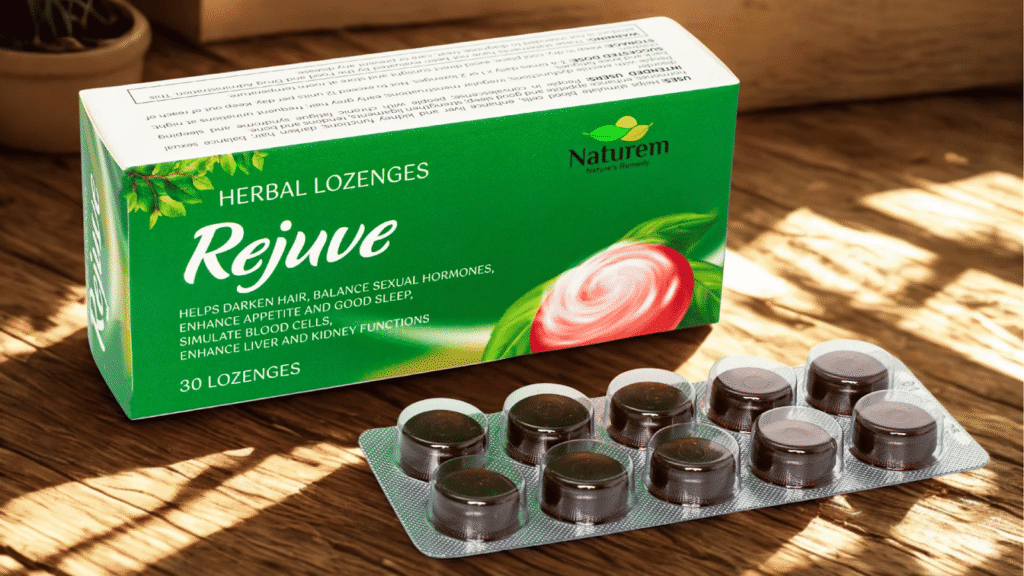
Aging, daily stress, and environmental toxins don’t just drain your energy, they also show up on your skin, hair, and overall vitality. Dull complexion, early graying, fatigue, and hormonal imbalance are often signs that the body needs deeper care. That’s where Naturem™ Rejuve Lozenges come in. Formulated with a powerful blend of 11 medicinal herbs and essential oils, including Radix Polygoni Multiflori, Fructus Lycii Chinensis, and Cistanche Deserticola, Rejuve is designed to naturally detoxify, restore balance, and revitalize your body from within.
Conclusion
Maintaining clear, breathable skin is not only an aesthetic goal, when approached wisely, it reflects and supports your overall health. By combining massage, gentle facial techniques, regular exercise, herbal steam practices, and good internal habits (nutrition, hydration, sleep, stress management), you give your skin the best environment to thrive. While the skin’s ability to “detoxify” is limited, these practices enhance circulation, reduce inflammation, and support barrier function. Over time, a radiant complexion can become one of the most visible signs of your body’s balance and resilience.
Frequently Asked Questions (FAQs)
1. Can drinking enough water really help keep my skin clear?
Yes. Hydration regulates oil production and supports elasticity. Dehydrated skin is more prone to irritation and clogged pores. Research confirms that increased water intake improves skin hydration and function (Palma et al., 2015).
2. How often should I steam my face or body with herbs?
Herbal steam baths can be practiced 1-2 times per week. Overdoing it may strip the skin of natural oils. While direct research on herbal steaming is limited, studies show that warm steam helps improve skin permeability and cleansing (Tsukahara et al., 2001).
3. What role does sleep play in keeping skin healthy?
During deep sleep, the body repairs UV damage and produces collagen. Lack of sleep accelerates aging and dullness. A clinical study showed sleep deprivation negatively impacts skin barrier function and accelerates aging markers (Oyetakin-White et al., 2015).
4. Are there foods that specifically promote clear skin?
Yes. Diets high in omega-3 fatty acids, antioxidants, and vitamins are associated with clearer skin, while high glycemic load diets may worsen acne. Evidence supports a low-glycemic diet improving acne severity (Smith et al., 2007).
5. Can exercise cause acne due to sweating?
Sweating itself doesn’t cause acne, but unwashed sweat mixed with bacteria can clog pores. Exercise is actually beneficial for circulation and skin health. Dermatology experts recommend cleansing soon after workouts to prevent sweat-induced breakouts (AAD, 2023).
References
Baker, L. B. (2019). Physiology of sweat gland function: The roles of sweating and sweat composition in human health. Temperature, 6(3), 211-259. https://doi.org/10.1080/23328940.2019.1632145
DermNet. (n.d.). Skin barrier function. DermNet New Zealand. https://dermnetnz.org/topics/skin-barrier-function
Dréno, B., Araviiskaia, E., Berardesca, E., Gontijo, G., Sanchez Viera, M., Xiang, L. F., Martin, R., & Bieber, T. (2016). Microbiome in healthy skin, update for dermatologists. Journal of the European Academy of Dermatology and Venereology, 30(12), 2038-2047. https://doi.org/10.1111/jdv.13965
Genuis, S. J., Beesoon, S., Lobo, R. A., & Birkholz, D. (2012). Human excretion of bisphenol A: Blood, urine, and sweat (BUS) study. Journal of Environmental and Public Health, 2012, 185731. https://doi.org/10.1155/2012/185731
Hussain, J. N., & Cohen, M. (2018). Clinical effects of regular dry sauna bathing: A systematic review. Evidence-Based Complementary and Alternative Medicine, 2018, 1857413. https://doi.org/10.1155/2018/1857413
Lefèvre-Utile, A., Braun, C., Haftek, M., & Aubert, J. (2021). Five functional aspects of the epidermal barrier. International Journal of Molecular Sciences, 22(22), 11676. https://doi.org/10.3390/ijms222211676
Nishikori, T., Nishida, Y., Nakamura, T., Iijima, K., & Tanaka, S. (2023). Resistance training rejuvenates aging skin by reducing circulating inflammatory factors and improving dermal structure. Scientific Reports, 13, 3819. https://doi.org/10.1038/s41598-023-30909-1
Patrick, R. P. (2021). Sauna use as a lifestyle practice to extend healthspan. Experimental Gerontology, 154, 111509. https://doi.org/10.1016/j.exger.2021.111509
Schommer, N. N., & Gallo, R. L. (2013). Structure and function of the human skin microbiome. Trends in Microbiology, 21(12), 660-668. https://doi.org/10.1016/j.tim.2013.10.001
Wickett, R. R., & Visscher, M. O. (2006). Structure and function of the epidermal barrier. American Journal of Infection Control, 34(10), S98-S110. https://doi.org/10.1016/j.ajic.2006.05.295