
Imagine walking into a library where the books are slowly erasing themselves. The stories, the facts, the history, all fading into blank pages. This is not a scene from a science fiction novel; it is a biological reality for the aging brain. For millions of adults, the ability to form and retrieve long-term memories is not just a matter of “forgetting keys” , it is a fundamental erosion of self.
But what if you could rebuild the library?
The science of neuroplasticity, the brain’s ability to reorganize itself by forming new neural connections, has shattered the old myth that our brains are static after childhood. We now know that through specific molecular mechanisms, particularly the release of Brain-Derived Neurotrophic Factor (BDNF) and the maintenance of neuron membrane health, we can actively support the machinery responsible for learning and memory retention.

This article delves deep into the science of long-term memory formation, dissecting the biological “hardware” of your mind and proving how specific compounds can help keep the lights on.
The Problem: Synaptic Pruning and the Fading Signal
Your brain is a vast network of 86 billion neurons, communicating through trillions of junctions called synapses. Every memory you hold, from your childhood home’s address to the complex skills required for your job, exists as a specific pattern of electrical and chemical signals across these synapses.

However, a biological process known as synaptic pruning naturally eliminates weaker connections. While necessary for efficiency in youth, this process can become aggressive as we age, exacerbated by stress, inflammation, and a decline in neurotrophic factors. When the physical connection between neurons degrades, the memory associated with that circuit becomes fragmented or lost entirely.
Agitation: The Cost of Cognitive Drift
The consequences of ignoring this biological decline are profound. It begins subtly: a word on the tip of your tongue that never comes, the inability to focus on deep work for more than 15 minutes, or the frustration of reading a page and retaining nothing.

In a professional setting, “cognitive drift” translates to missed opportunities and a loss of competitive edge. In your personal life, it manifests as a disconnect from the shared histories that bind relationships together. The fear isn’t just about forgetting facts; it is the terrifying prospect of losing the narrative of your own life.
The Solution: BDNF and Long-Term Potentiation (LTP)
The antidote to synaptic decay is a process called Long-Term Potentiation (LTP). LTP is the persistent strengthening of synapses based on recent patterns of activity.[1][2][3] It is the cellular basis of learning and memory.

At the heart of LTP is a protein called Brain-Derived Neurotrophic Factor (BDNF).[1] Neuroscientists often refer to BDNF as “Miracle-Gro for the brain.”
How BDNF Builds Memory
When you learn something new, your neurons fire in a specific sequence. BDNF facilitates the “wiring” of these neurons together.
- Signaling: BDNF binds to TrkB receptors on the neuron surface, triggering a cascade that strengthens the signal transmission.
- Structural Growth: It stimulates the growth of dendritic spines, tiny protrusions on neurons that receive signals. More spines mean more connections.
- Survival: BDNF protects existing neurons from damage caused by stress (cortisol) and oxidative stress.
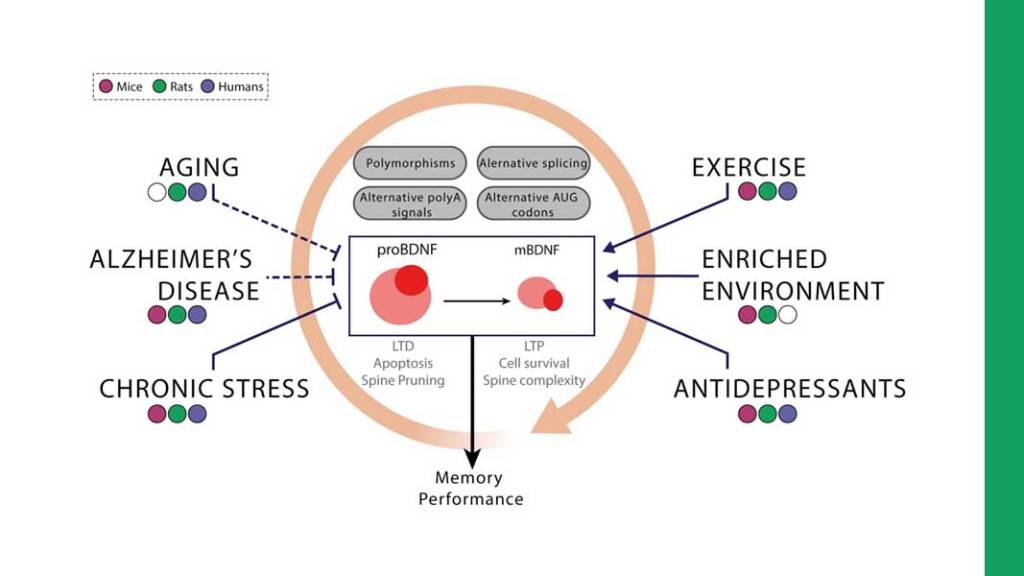
For a memory to move from short-term holding to long-term storage, high levels of BDNF are required to physically restructure the synapse. Without it, the memory trace is fragile and easily washed away.
> Read more about the role of BDNF in synaptic plasticity at the National Institutes of Health (NIH)
The Proof: Compounds That modulate Neuroplasticity
While lifestyle factors like exercise and sleep are critical for baseline brain health, clinical research has identified specific compounds that directly support the chemical and structural environment necessary for LTP. We will examine the evidence behind neuroplasticity supplements and their active mechanisms.
1. Bacopa Monnieri: The BDNF Catalyst
Bacopa Monnieri, a staple of Ayurvedic medicine, has emerged in modern neuroscience as a potent nootropic. Its primary active compounds are bacosides (specifically Bacoside A and B).

Mechanism of Action: Bacosides have been shown to cross the blood-brain barrier and induce the release of BDNF. Furthermore, they modulate the kinase activity in the hippocampus, the brain’s memory center, enhancing the efficiency of synaptic transmission.
- Clinical Evidence: A randomized, double-blind, placebo-controlled study demonstrated that participants taking Bacopa Monnieri showed significant improvements in memory acquisition and retention over a 12-week period. The study highlighted Bacopa’s ability to reduce the rate of forgetting newly acquired information.
- Neuroprotection: Beyond memory formation, Bacopa acts as an antioxidant, reducing the oxidative stress that can damage the delicate lipid membranes of neurons.

View the clinical study on Bacopa Monnieri and memory retention
For those seeking a scientifically formulated blend, Naturem’s Memory Capsules utilize high-potency Bacopa extract designed to support these exact neurochemical pathways.

2. Phosphatidylserine: Guardian of Neuron Membrane Health
While BDNF handles the “wiring,” Phosphatidylserine (PS) is responsible for the “insulation” and fluidity of the neuron itself.
The Science of Membrane Fluidity: Every neuron is encased in a lipid bilayer membrane. This membrane is not a static shell; it must be fluid and dynamic to allow neurotransmitter receptors to move to the surface and catch signals. As we age, cell membranes can harden, similar to how arteries harden, making it difficult for signals to pass through.

- Signal Transduction: PS is a phospholipid that is a major component of this membrane. It ensures that the receptors for acetylcholine, dopamine, and other neurotransmitters remain functional and mobile.
- Cortisol Regulation: PS has also been clinically shown to blunt the spike of cortisol following physical or mental stress. Since high cortisol levels are toxic to the hippocampus and inhibit BDNF, PS acts as a shield for your memory centers.

Clinical Proof: Research published in the journal Nutrition found that Phosphatidylserine supplementation significantly improved memory recognition and recall in elderly subjects with memory complaints.
Explore the research on Phosphatidylserine and cognitive decline
3. Citicoline: The Acetylcholine Precursor
Citicoline (CDP-Choline) is a unique compound that serves two vital functions: it is a precursor to acetylcholine (the primary neurotransmitter for learning) and it provides the building blocks for repairing neuron membranes.
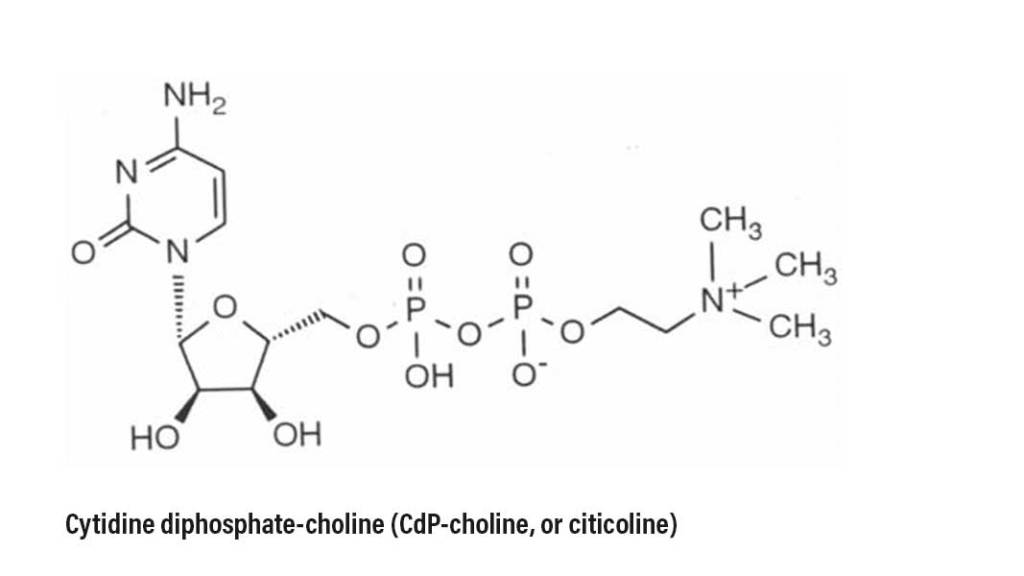
Mechanism of Action: Upon ingestion, Citicoline splits into choline and cytidine.
- Choline is synthesized into acetylcholine, directly improving focus and the speed of information processing.
- Cytidine is converted into uridine, which supports the synthesis of new synaptic membranes, effectively aiding the brain in physical repair and growth.
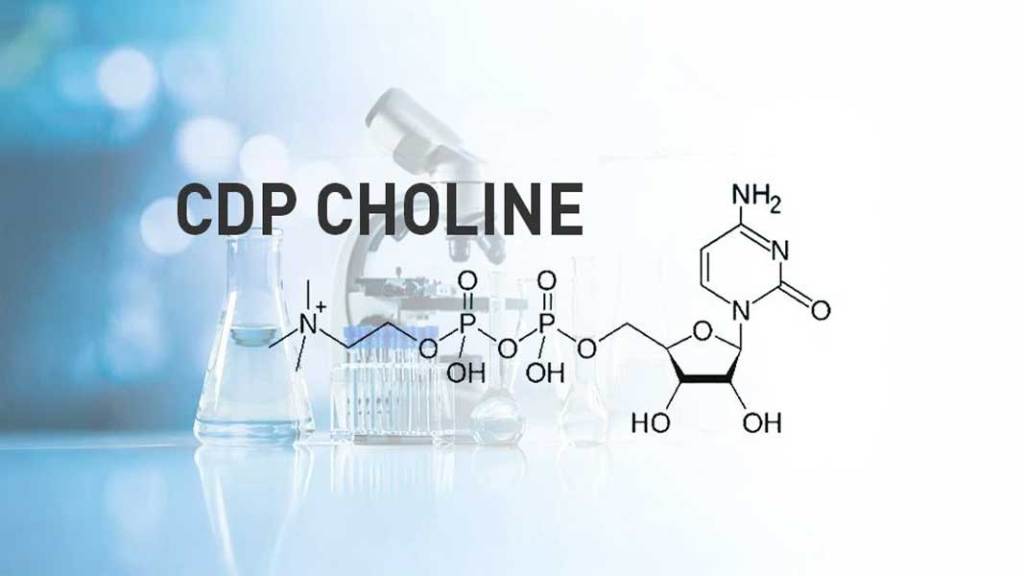
Clinical Evidence: Studies involving middle-aged women showed that Citicoline supplementation improved attentional performance. Further research on elderly populations indicated that it could improve memory performance in those with age-associated memory impairment.
Read the study on Citicoline and attentional performance
4. Ginkgo Biloba: Blood Flow and Oxygenation
The brain consumes 20% of the body’s oxygen despite being only 2% of its weight. Ginkgo Biloba supports the microcirculation necessary to deliver oxygen and glucose to fuel the energy-intensive process of memory consolidation.

Mechanism: Ginkgo contains flavonoids and terpenoids that dilate blood vessels and reduce the “stickiness” of platelets. This enhanced blood flow ensures that neurons have the metabolic fuel required to synthesize BDNF and maintain electrical activity.
Review the meta-analysis on Ginkgo Biloba and cognitive function

5. Huperzine A: The Enzyme Inhibitor
Huperzine A works on a different pathway. Instead of creating new connections, it protects the chemical messengers you already have.

Mechanism: It acts as an acetylcholinesterase inhibitor. Acetylcholinesterase is an enzyme that breaks down acetylcholine in the synaptic gap. By inhibiting this enzyme, Huperzine A allows acetylcholine to remain active for longer, increasing the likelihood that a signal will be successfully transmitted and a memory encoded.
See the efficacy of Huperzine A in memory enhancement
The Guide: Integrating Neuroplasticity into Daily Life
Understanding the science of long-term memory formation is only the first step. To truly benefit, you must integrate these findings into a regimen that prioritizes brain health.
1. The Neuro-Nutritional Approach
Diet alone is often insufficient to provide therapeutic dosages of these compounds. For example, getting the effective dose of Phosphatidylserine from food would require consuming unrealistic amounts of organ meats or soy lecithin daily.

Supplementation allows for targeted delivery. A comprehensive formula that combines these ingredients can offer synergistic benefits, where the whole is greater than the sum of its parts. For instance, Bacopa Monnieri and BDNF stimulation works best when Phosphatidylserine ensures the neuron membranes are healthy enough to receive the new connections.
We recommend exploring Naturem’s Memory Capsules, which are formulated based on these clinical dosages to support retention, recall, and mental clarity.

2. High-Intensity Interval Training (HIIT)
Exercise is the most potent behavioral trigger for BDNF. However, intensity matters. Short bursts of high-intensity activity have been shown to elevate BDNF levels more effectively than steady-state cardio.
Learn about the link between exercise and BDNF
3. Sleep-Dependent Memory Consolidation
You do not form long-term memories while you are awake; you gather the raw data. The actual “saving” of the file happens during deep (Slow Wave) sleep. During this phase, the hippocampus replays the day’s events to the neocortex, solidifying them into long-term storage. Prioritizing 7-8 hours of quality sleep is non-negotiable for memory health.

4. Novelty and Cognitive Strain
Neuroplasticity is a “use it or lose it” system. To trigger the release of growth factors, you must subject your brain to novelty. This does not mean passive activities like watching documentaries. It requires active strain: learning a new language, playing a musical instrument, or mastering a complex strategy game.

Conclusion: You Are the Architect of Your Mind
The fading of memory is not an inevitable consequence of aging, it is a physiological process that can be managed and mitigated. By understanding the roles of BDNF, synaptic plasticity, and neuron membrane health, you gain the power to intervene.
Whether through rigorous lifestyle changes or advanced neuroplasticity supplements, the tools to build a resilient, sharp, and enduring memory are within your grasp. Do not let your library fade. Start rebuilding the shelves today.

For more information on supporting your cognitive health naturally, visit svkherbal.com or explore the botanical research at herbsofvietnam.com. You can also learn more about holistic wellness solutions at naturem.us.
Google Search Suggestions
Rhodiola Rosea neuroplasticity effects
Huperzine A memory formation mechanism
Citicoline memory cognitive function mechanism
synaptic plasticity and long-term memory mechanisms
Phosphatidylserine neuron membrane health memory retention clinical studies
science of long-term memory formation BDNF synaptic connections
neuroplasticity supplements scientific reviews