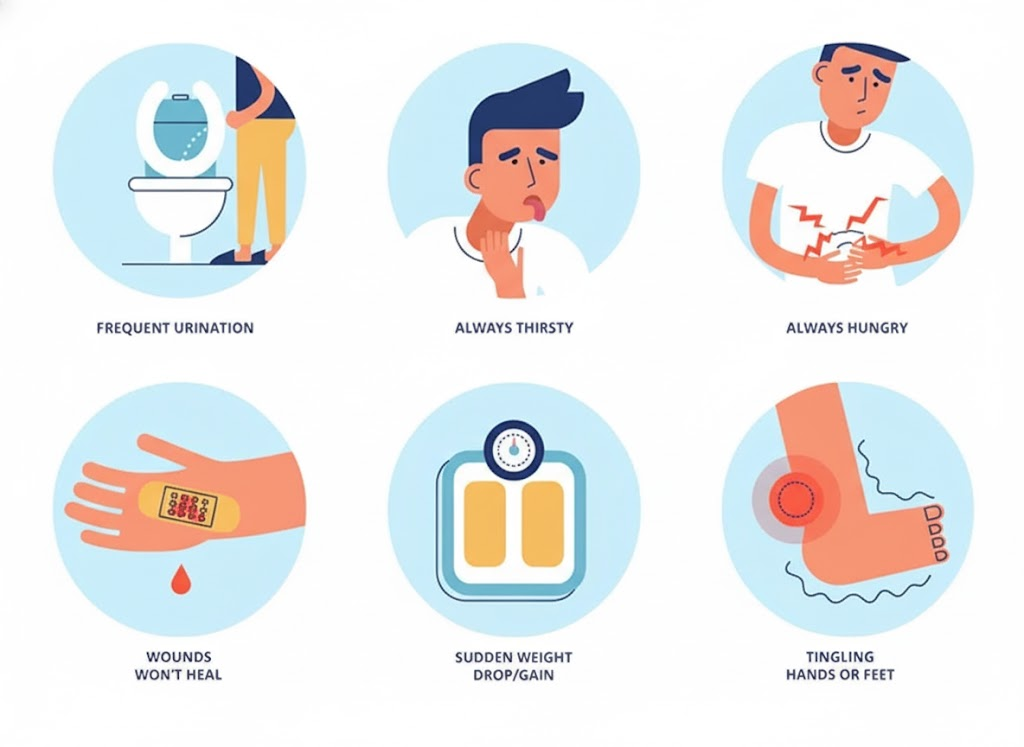
Insulin resistance is a common metabolic condition in which the body’s cells respond less effectively to insulin. It often shows subtle early signs (fatigue after meals, sugar cravings, belly-fat, darkened skin patches) and – if ignored – can progress to pre-diabetes, type 2 diabetes, heart disease and fatty liver. Early detection plus lifestyle changes frequently improve or reverse insulin resistance. This article explains the early signs, how it’s diagnosed, what to do, and answers common questions – citing authoritative sources.
What is insulin resistance?

Insulin is a hormone made by the pancreas that helps cells absorb glucose from the bloodstream for energy. Insulin resistance means cells – especially muscle, fat and liver cells – stop responding well to insulin. The pancreas compensates by making more insulin, and over time this compensation fails, blood sugar rises, and metabolic problems appear. This pathway links insulin resistance to pre-diabetes and type 2 diabetes.
Common causes & risk factors
Insulin resistance happens when cells respond poorly to insulin, leading to higher blood sugar and insulin levels. Main contributors include:
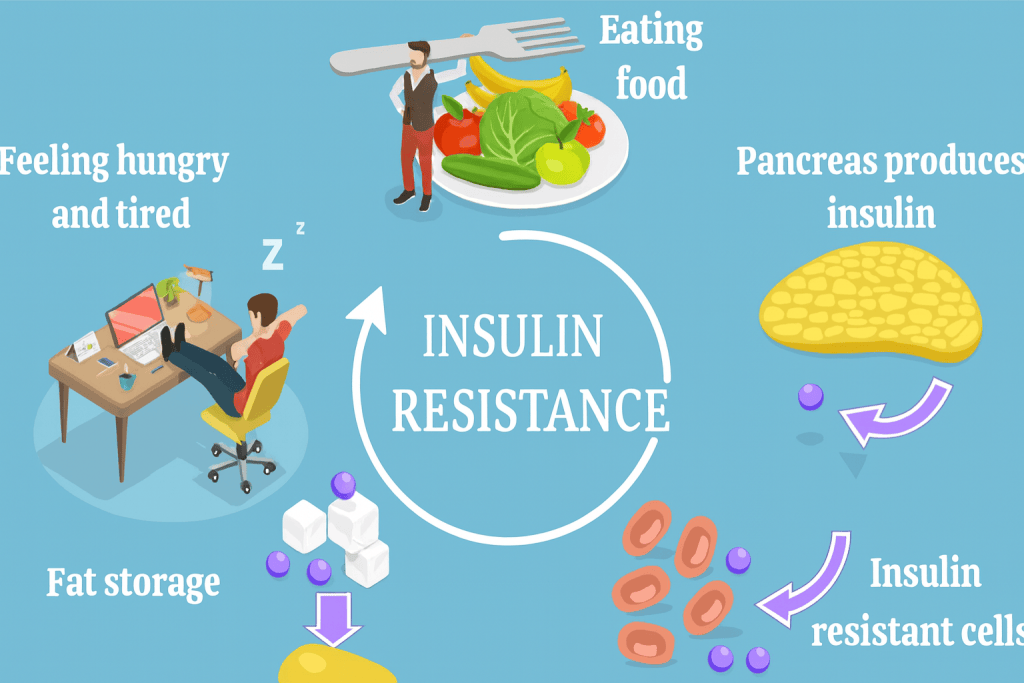
- Excess visceral fat and obesity: Abdominal fat releases inflammatory substances and free fatty acids that block insulin action. Even small weight loss improves sensitivity.
- Physical inactivity: Muscles use most blood glucose – lack of movement reduces this uptake and increases risk.
- High-sugar and refined-carb diet: Frequent spikes in insulin from sugary drinks and processed foods promote belly fat and fatty liver.
- Poor sleep and chronic stress: Both raise cortisol and lower insulin sensitivity, disrupting blood sugar control.
- Genetics and hormonal disorders: Family history, PCOS, Cushing’s syndrome, or hypothyroidism can increase risk. Some ethnic groups are more predisposed.
- Certain medications and chronic inflammation: Corticosteroids, antipsychotics, or some HIV drugs can worsen insulin resistance. Low-grade inflammation also interferes with insulin signaling.
- Age and hormonal changes: Aging, menopause, and muscle loss reduce insulin effectiveness.
Insulin resistance develops from a mix of lifestyle, genetic, and hormonal factors, but it’s highly reversible. Small, consistent changes – better diet, more movement, quality sleep, and stress control – can quickly improve insulin sensitivity and protect long-term health.
Early signs & symptoms you shouldn’t ignore
The following signs commonly occur early or accompany insulin resistance. One or two alone do not confirm a diagnosis, but having several should prompt testing and discussion with a clinician.

- Fatigue or low energy after eating: People with insulin resistance can experience energy “crashes” after carbohydrate-rich meals because of exaggerated insulin and glucose swings. This is a commonly reported symptom.
- Increased hunger and strong sugar/carbohydrate cravings: When insulin signalling is altered, appetite regulation can be disrupted – leading to persistent hunger and cravings for sweets or refined carbs.
- Weight gain centred around the belly (visceral fat): Independent of total weight, increased abdominal fat is strongly linked to insulin resistance and higher metabolic risk. Waist circumference is used clinically as a risk marker.
- Brain-fog, difficulty concentrating, and mood swings: Fluctuations in blood sugar and hormone signalling can impair cognition and mood in susceptible people. Clinical sources note “brain fog” among commonly reported complaints.
- Skin changes – dark velvety patches (acanthosis nigricans) and skin tags: Acanthosis nigricans (dark, thickened skin in body folds such as the back of the neck, armpits or groin) is a visible sign often associated with insulin resistance and hyper-insulinemia. Skin tags may also be more common. If you notice such skin changes, mention them to your clinician.
- Excessive thirst, frequent urination (when blood sugar rises): These are more typical when blood glucose has already begun to climb (pre-diabetes/diabetes). They’re important red flags that require prompt testing.
- Other subtle signs
- Elevated triglycerides and low HDL cholesterol on blood tests.
- Irregular menstrual cycles (in women; a common overlap with PCOS).
- Slow wound healing, hair thinning, recurrent infections (less specific).
- Mild hypertension or fatty liver in the absence of other causes.
Recognizing these signs early is important, as insulin resistance often develops gradually and can remain unnoticed for years. While individual symptoms may be nonspecific, the presence of multiple signs should prompt timely testing and professional evaluation to reduce the risk of progression to type 2 diabetes and related metabolic complications.
How is insulin resistance diagnosed?
There’s no single gold-standard everyday test in primary care; clinicians use a combination of history, physical signs, and blood tests:
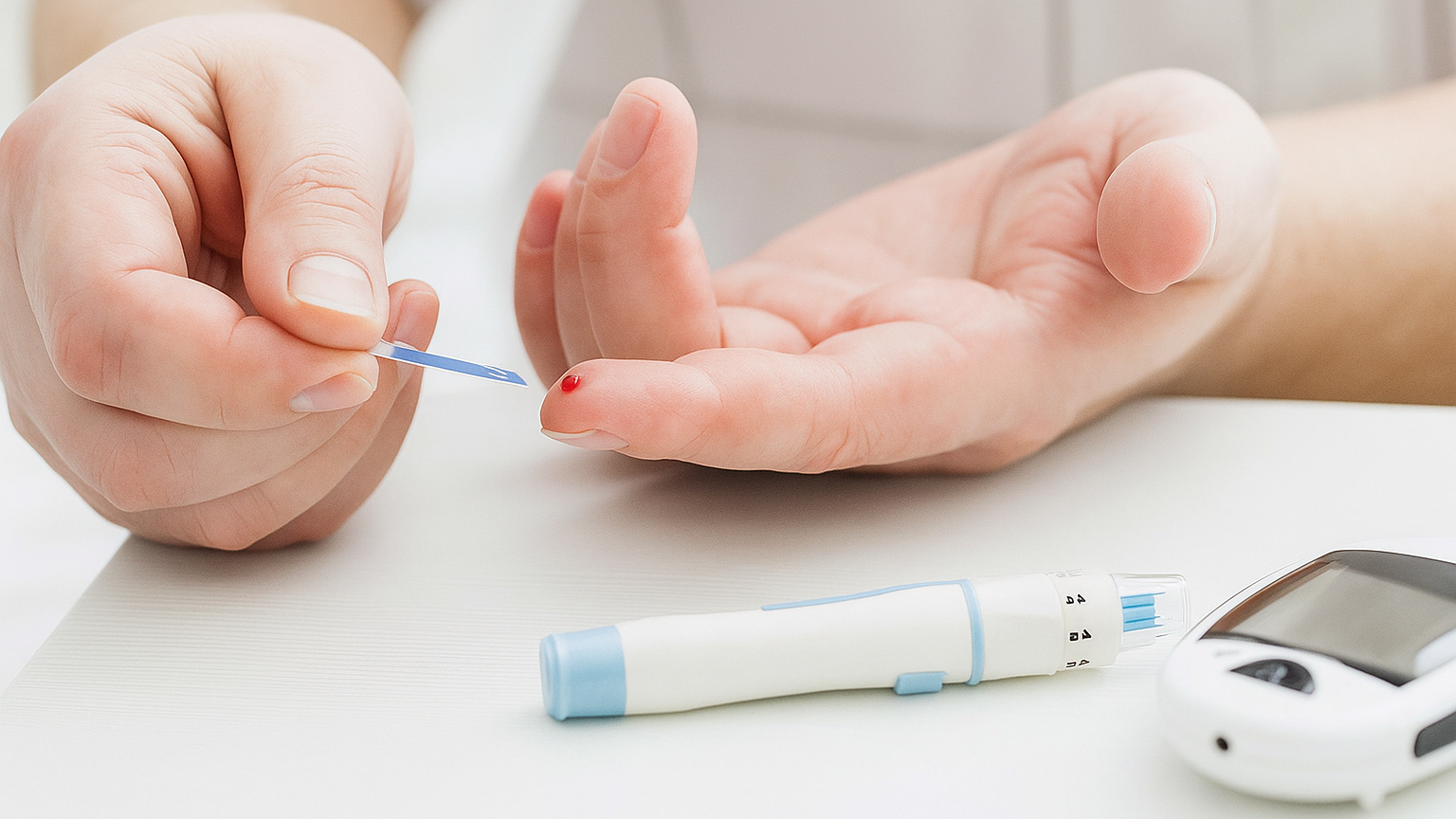
- Fasting glucose and HbA1c – detect elevated blood sugar and average glucose over weeks/months.
- Fasting insulin and HOMA-IR (Homeostatic Model Assessment of Insulin Resistance) – used in research and sometimes in clinical contexts to estimate insulin resistance (product of fasting insulin × fasting glucose). Higher HOMA-IR correlates with higher risk of developing diabetes.
- Oral glucose tolerance test (OGTT) – assesses how your body handles a glucose load over 2 hours.
- Lipid panel – elevated triglycerides and low HDL often accompany insulin resistance.
- Liver ultrasound / liver enzymes may be checked if non-alcoholic fatty liver disease is suspected.
If you have multiple symptoms or risk-factors, ask your clinician about these tests. Population studies show higher HOMA-IR predicts future diabetes, supporting its clinical relevance.
Evidence-based ways to improve or reverse insulin resistance
High-quality evidence from trials and reviews shows lifestyle interventions are the cornerstone of improving insulin sensitivity.

- Move more – exercise improves insulin sensitivity quickly: Both aerobic exercise and resistance (strength) training help muscle take up glucose and reduce insulin resistance. Regular moderate-intensity activity (e.g., brisk walking) plus resistance training is effective. Clinical trials and guidelines support physical activity as a first-line measure.
- Improve diet quality – reduce refined carbs, increase fibre and protein: Low-glycemic, whole-food diets rich in fibre and lean protein stabilise blood sugar and reduce insulin demand. Mediterranean-style and other whole-food diets have evidence of improving metabolic markers.
- Lose excess visceral fat (even modest weight loss helps): Even a 5-10 % weight loss reduces insulin resistance and lowers the risk of progressing to type 2 diabetes.
- Prioritise sleep and stress-management: Chronic sleep deprivation and elevated stress hormones (cortisol) can worsen insulin resistance; sleep optimisation and stress reduction (meditation, CBT strategies) are beneficial adjuncts.
- Supplements and medications (when appropriate): Some supplements – e.g., berberine – have randomised trial evidence showing improvements in insulin resistance and glycemic markers, but results vary and quality differs; always discuss supplements with your clinician. Where lifestyle change is insufficient medications (metformin, GLP-1 agonists, etc.) may be indicated under medical supervision.
Lifestyle changes are the primary, evidence-based approach and can substantially reduce risk. For many people early action meaningfully improves insulin sensitivity.
When to see a doctor – red flags
See a clinician promptly if you have:

- Recurrent excessive thirst, frequent urination, unexplained weight loss (possible hyperglycaemia).
- New or rapidly spreading acanthosis nigricans or numerous skin tags.
- A family history of type 2 diabetes combined with weight gain or multiple symptoms above.
- Abnormal test results (e.g., high fasting glucose, HbA1c).
A healthcare professional can order relevant tests and advise on personalised treatment. Public-health guidance emphasises early screening in high-risk people because early intervention prevents complications.
Supporting Insulin Sensitivity with Botanical Formulations
Lifestyle changes remain the foundation for improving insulin sensitivity. In some cases, targeted botanical formulations are used to complement diet, physical activity, and stress management, especially when metabolic imbalance has already begun to develop. These formulations are designed to support glucose handling and insulin responsiveness without replacing medical care.

Naturem™ Glucose Guard is formulated as a supportive option for metabolic health, with a focus on long-term blood sugar balance. Its design aligns with evidence-informed nutritional principles and traditional botanical use to support insulin function.
- Supports healthy glucose absorption and post-meal blood sugar balance
- Helps improve insulin responsiveness through plant-based compounds
- Targets low-grade metabolic inflammation associated with insulin resistance
- Designed to complement lifestyle interventions, not replace medical treatment
When used alongside a whole-food, high-fiber diet, regular physical activity, adequate sleep, and stress management, Naturem™ Glucose Guard may help reinforce healthy metabolic patterns. As with any supplement, individuals should discuss use with a healthcare professional, particularly if they have existing metabolic conditions or are taking medication.
FAQs
Yes. Many people have insulin resistance with minimal or no symptoms; blood tests (fasting insulin, HOMA-IR, fasting glucose, HbA1c) and risk assessment identify it earlier than symptoms alone.
Not always – but acanthosis nigricans and multiple skin tags are commonly associated with hyper-insulinaemia and should prompt evaluation for insulin resistance. Other causes exist, so clinical assessment is important.
Some improvements in insulin sensitivity occur within days to weeks of increased activity and better diet; meaningful clinical improvements (lab markers, weight loss) often appear in weeks to months depending on the intervention’s intensity.
References
Freeman, A. M., Acevedo, L., & Pennings, N. (2023). Insulin Resistance. In StatPearls [Internet]. StatPearls Publishing. Retrieved from https://www.ncbi.nlm.nih.gov/books/NBK507839/
National Institute of Diabetes and Digestive and Kidney Diseases (NIDDK). (2024). Insulin Resistance & Prediabetes. Retrieved from https://www.niddk.nih.gov/health-information/diabetes/overview/what-is-diabetes/prediabetes-insulin-resistance
Cleveland Clinic. (2023, November). Insulin Resistance: What It Is, Causes, Symptoms & Treatment. Retrieved from https://my.clevelandclinic.org/health/diseases/22206-insulin-resistance
Cleveland Clinic. (2021, February). Acanthosis Nigricans: Causes, Diagnosis & Treatment. Retrieved from https://my.clevelandclinic.org/health/diseases/12168-acanthosis-nigricans
Mayo Clinic Staff. (2025, April 30). Acanthosis Nigricans – Symptoms & Causes. Retrieved from https://www.mayoclinic.org/diseases-conditions/acanthosis-nigricans/symptoms-causes/syc-20368983
Mercurio, V., Carlomagno, G., & Fazio, V. (2012). Insulin resistance: Is it time for primary prevention? Nutrition, Metabolism & Cardiovascular Diseases, 22(9), 731-736. https://doi.org/10.1016/j.numecd.2012.02.002
Song, F., et al. (2022). Trends in insulin resistance: Insights into mechanisms and therapeutic strategies. Signal Transduction and Targeted Therapy, 7, 397. https://doi.org/10.1038/s41392-022-01073-0