
Why does Gen Z suffer from “circadian rhythm disorder”?
Gen Z (those born between 1997 and 2012) is currently navigating a quiet health crisis: a widespread disruption of thebiological clock. According to research from the National Institutes of Health (NIH), this is not merely a “bad habit” but a complex medical phenomenon known as Delayed
Learn More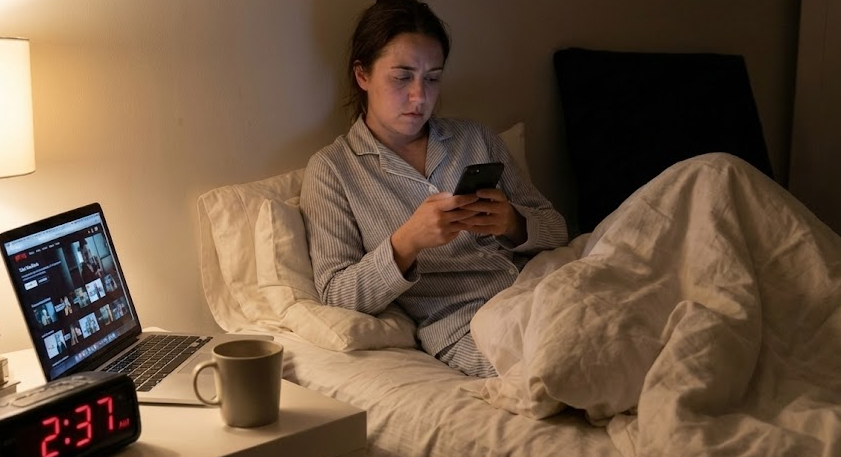
“Sleep procrastination”: Why do you know you should sleep but still try to stay awake?
In the quiet darkness of your room, the only light comes from your smartphone screen, glowing directly onto your tired face. The clock has already struck 1 AM. A part of your brain is screaming for rest, yet your fingers continue to scroll, your eyes glued
Learn More
The Truth About Detox: What Science Really Says
Every January, millions of people search for a “reset”. From juice cleanses to herbal teas and foot pads, the global detoxification market is thriving on a single, persuasive promise: your body is dirty, and you need to buy something to clean it. But in the medical
Learn More
Natural Food and Herbs That Help Improve Insulin Sensitivity
Insulin sensitivity reflects how effectively your cells use insulin to transport glucose from the blood into tissues. When cells become insulin-resistant, the body needs higher levels of insulin to maintain normal blood sugar. Over time, this condition forms the foundation of prediabetes and type 2 diabetes,
Learn More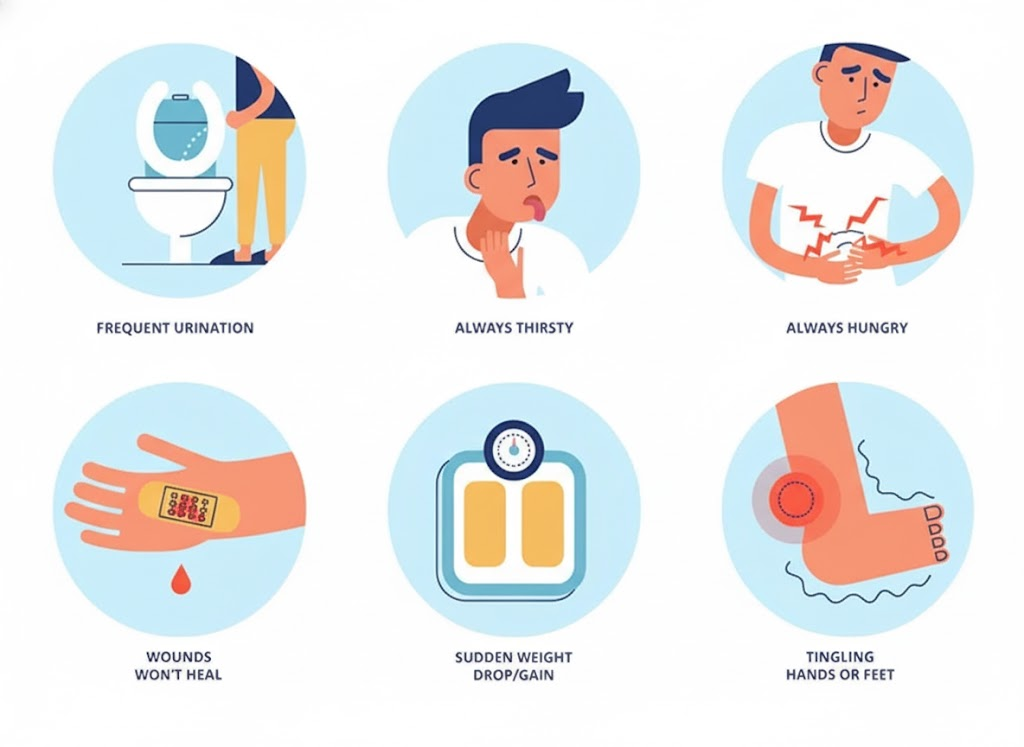
Early Signs of Insulin Resistance You Shouldn’t Ignore
Insulin resistance is a common metabolic condition in which the body’s cells respond less effectively to insulin. It often shows subtle early signs (fatigue after meals, sugar cravings, belly-fat, darkened skin patches) and – if ignored – can progress to pre-diabetes, type 2 diabetes, heart disease
Learn More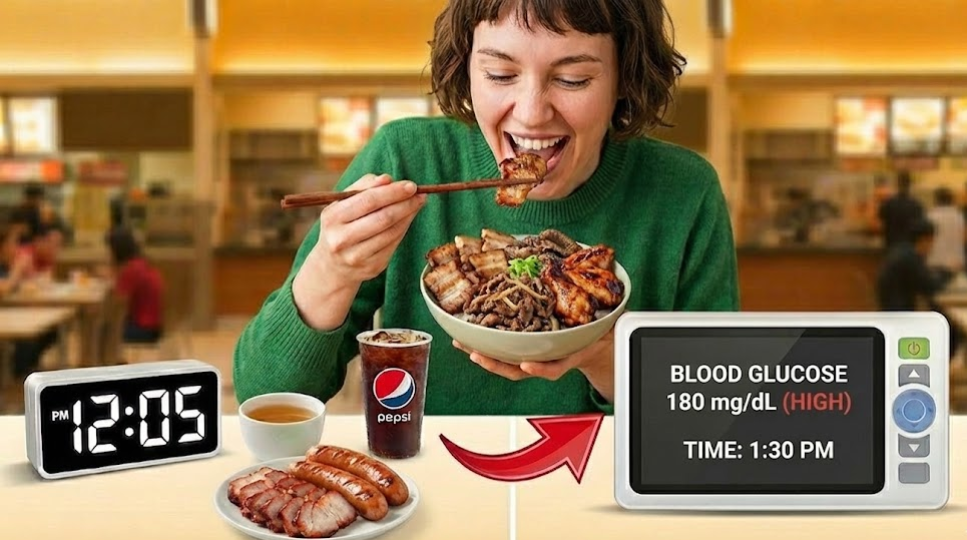
The Hidden Cost of Speed: How Fast Eating Hurts Blood Sugar Control
In the modern world, meals are often treated as tasks to be completed rather than experiences to be savored. However, your metabolism operates on a biological clock that cannot be rushed. Emerging research suggests that the speed at which you eat is a significant, independent risk
Learn More