
Insulin sensitivity reflects how effectively your cells use insulin to transport glucose from the blood into tissues. When cells become insulin-resistant, the body needs higher levels of insulin to maintain normal blood sugar. Over time, this condition forms the foundation of prediabetes and type 2 diabetes, and is closely linked to metabolic syndrome.
Early intervention through diet and lifestyle can delay or even prevent the progression of these metabolic disorders. (National Institute of Diabetes and Digestive and Kidney Diseases – NIDDK)
How Natural Foods and Herbs Improve Insulin Sensitivity
Certain foods and plant-derived compounds can enhance insulin sensitivity through several mechanisms:
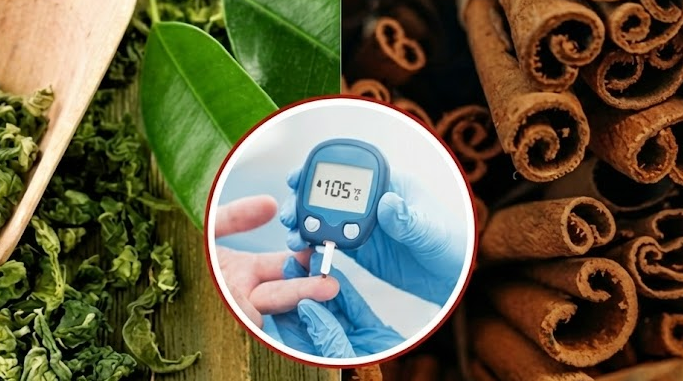
- Enhancing insulin receptor and signaling pathways, improving glucose transport (GLUT4 activation).
- Reducing chronic inflammation and oxidative stress, two major causes of impaired insulin action.
- Slowing carbohydrate absorption, lowering post-meal blood glucose spikes.
- Improving gut microbiota composition, indirectly influencing metabolic health.
These effects have been demonstrated in cell, animal, and clinical studies, with varying degrees of evidence for each compound discussed below.
Powerful Whole Foods for Optimizing Blood Sugar Levels
Diet plays a central role in blood sugar regulation and long-term metabolic health. Beyond simply counting carbohydrates, the quality of foods, their fiber content, the types of fats consumed, and the level of food processing determine how the body responds to glucose after meals. The following food groups and dietary principles are consistently supported by clinical and population research for slowing carbohydrate digestion, reducing inflammation, and promoting more stable blood glucose control.

- Fiber and plant protein: Beans, lentils, peas, and oats slow carbohydrate digestion, increase satiety, and stabilize blood glucose.
- Whole grains: Brown rice, quinoa, and barley have a lower glycemic index than refined grains.
- Healthy fats: Olive oil, avocados, and nuts support cell membrane integrity and reduce inflammation.
- Non-starchy vegetables and antioxidant-rich fruits: Leafy greens, broccoli, and berries provide polyphenols that combat inflammation.
- Fermented foods: Yogurt, kefir, and kimchi can improve gut microbiota and glucose metabolism.
Dietary patterns emphasizing high-fiber, minimally processed foods are consistently linked with reduced diabetes risk.
Herbs and Phytochemicals with Clinical Evidence
Note: Herbs are best used as complementary therapies, not substitutes for prescribed medications.
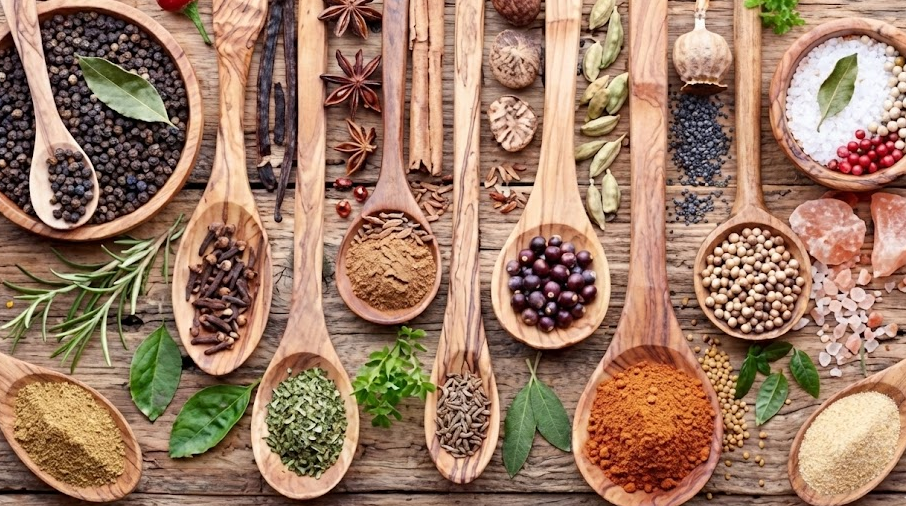
- Cinnamon: Meta-analyses suggest cinnamon may modestly lower fasting glucose and HbA1c levels, though results vary. Cinnamon is safer as a daily culinary spice rather than in high-dose supplements.
- Berberine (from Berberis, Coptis species): A well-studied plant alkaloid, berberine has shown improvements in glucose tolerance, lipid profiles, and insulin sensitivity, with effects comparable to metformin in some trials. However, it should be used under medical supervision due to possible drug interactions.
- Curcumin (from turmeric): Curcumin has anti-inflammatory and antioxidant properties that improve insulin signaling and reduce oxidative stress. Multiple clinical and preclinical studies support its metabolic benefits.
- Fenugreek & Bitter Melon: Traditionally used for blood sugar control:
- Fenugreek contains soluble fiber that slows carbohydrate absorption.
- Bitter melon includes compounds with insulin-like activity.
- Small-scale trials show promise but require larger studies for confirmation.
Other Key Nutrients
- Magnesium: Deficiency is linked with insulin resistance; supplementation helps when levels are low.
- Omega-3, Vitamin D, and Chromium: May support metabolic function, though evidence varies across populations.
Lifestyle Synergy – Diet, Exercise, Sleep, and Stress
Lifestyle factors play a decisive role in determining how the body responds to insulin over time. While nutrition forms the foundation, physical activity, body weight regulation, sleep quality, and stress levels act as powerful modulators of insulin signaling and metabolic balance. Addressing these elements together creates a synergistic effect, helping the body use insulin more efficiently and reducing the long-term risk of insulin resistance and metabolic disease.

- Exercise: WHO recommends 150 – 300 minutes of moderate aerobic activity weekly plus at least two strength-training sessions. Both aerobic and resistance exercise enhance insulin sensitivity.
- Weight management: Even modest weight loss significantly improves insulin sensitivity, as shown in the Diabetes Prevention Program (DPP) and similar trials.
- Sleep and stress: Poor sleep and chronic stress increase cortisol, promoting insulin resistance.
Combining a whole-food diet, safe herbal support, regular exercise, and adequate rest is the most effective long-term strategy.
Key Diagnostic Tests to Measure Insulin Sensitivity
Measuring insulin sensitivity relies on objective blood markers rather than symptoms alone. These indicators help reveal how well the body controls glucose and responds to insulin over time.
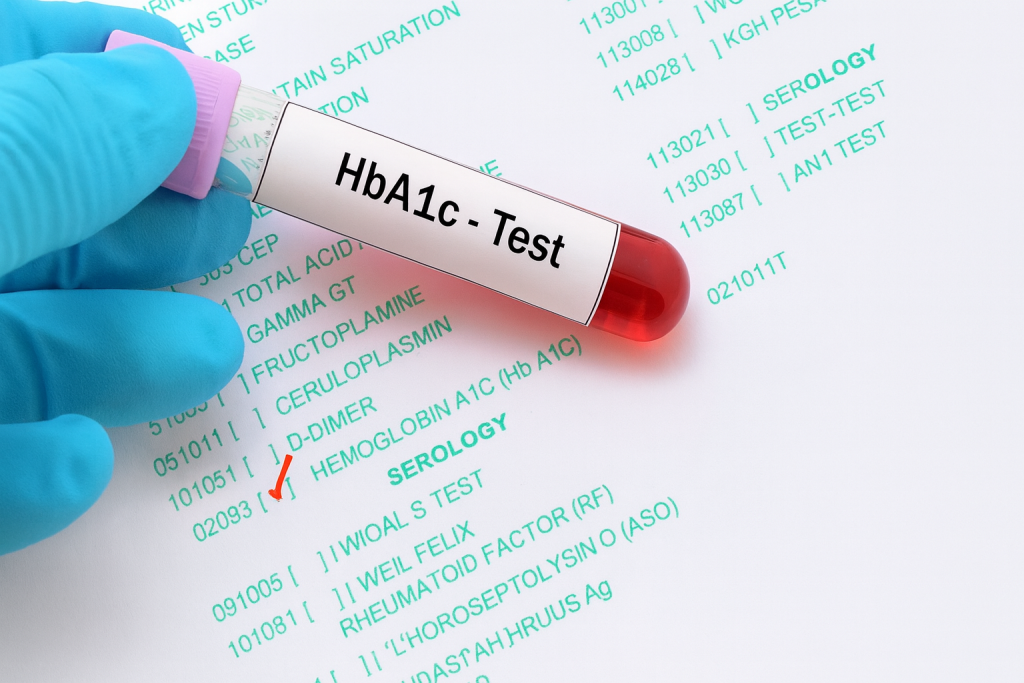
- Fasting glucose and HbA1c: Assess baseline blood sugar and long-term control.
- HOMA-IR index: Calculated from fasting glucose and insulin to estimate insulin resistance – interpretation depends on population-specific cutoffs.
When used together and interpreted appropriately, fasting glucose, HbA1c, and HOMA-IR provide a practical framework for monitoring metabolic health and guiding strategies to improve insulin sensitivity.
How to Use Natural Remedies Safely and Effectively
The most effective way to enhance insulin sensitivity is to combine:
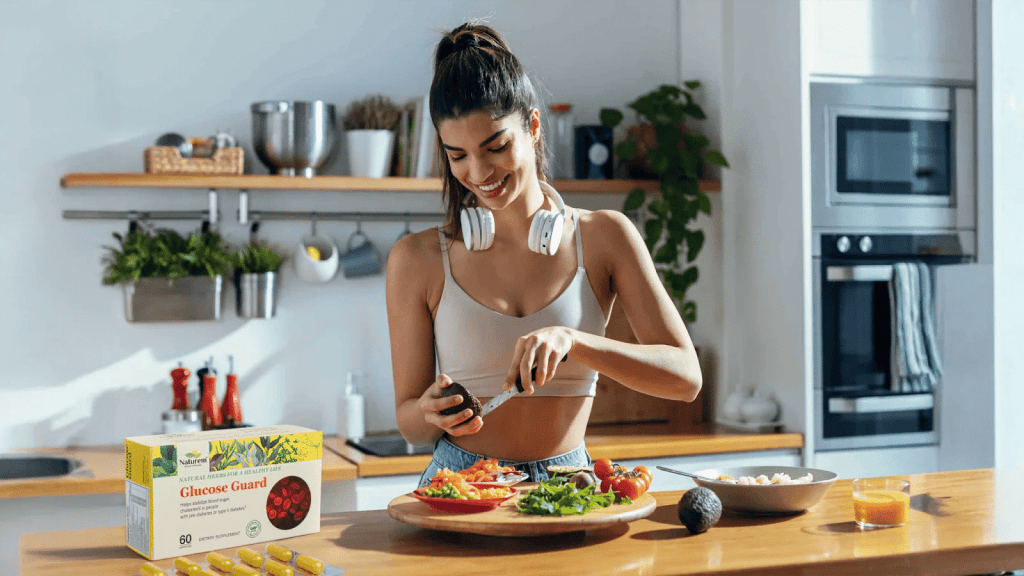
- A whole-food, high-fiber diet rich in vegetables, healthy fats, and lean proteins
- Evidence-backed herbs and spices such as cinnamon, turmeric, and berberine, often delivered through standardized botanical formulations like Naturem™ Glucose Guard and used appropriately as part of a long-term metabolic support strategy
- Consistent exercise, proper sleep, and effective stress management
When integrated into a healthy lifestyle framework, Naturem™ Glucose Guard is designed to complement dietary and lifestyle interventions by supporting glucose metabolism and insulin responsiveness. Together, these holistic changes not only improve blood sugar control but also help reduce the risk of cardiovascular disease and broader metabolic complications.
FAQs
No. Herbs and natural supplements may support metabolic health, improve insulin sensitivity, or modestly reduce blood glucose, but they cannot replace doctor-prescribed diabetes medications.
Stopping your medication without medical supervision may lead to high blood sugar, complications, or diabetic emergencies. Always consult your healthcare provider before making any changes.
You can read official guidance from the NIDDK here: https://www.niddk.nih.gov/
Some people notice early changes-such as lower post-meal glucose or better energy-within a few weeks when combining diet, exercise, and herbal supplements.
However, preventing the progression of prediabetes or improving HbA1c typically requires several months of consistent lifestyle changes.
More details from NIDDK on diabetes prevention and lifestyle modification: https://www.niddk.nih.gov/health-information/diabetes/overview/preventing-type-2-diabetes
Each herb has different mechanisms and levels of scientific evidence:
Berberine: The strongest research support overall. Studies show improvements in blood glucose, HbA1c, cholesterol, and insulin resistance. Some trials even compare its effects to metformin.
Cinnamon: May lower post-meal glucose, but research results vary.
Curcumin: A powerful anti-inflammatory compound that may improve insulin sensitivity and reduce inflammation-related complications.
Effectiveness depends on product quality, dosage, and potential drug interactions. You can check clinical studies on PubMed: https://pubmed.ncbi.nlm.nih.gov/
Talk to your doctor-especially if you take glucose-lowering medications, anticoagulants, or have liver or kidney disease.
Choose high-quality products with verified active ingredients.
Start with a low dose and monitor how your body responds.
Avoid combining multiple herbs with similar blood-sugar-lowering effects to prevent hypoglycemia.
https://www.dshs.texas.gov/sites/default/files/txdiabetes/toolkit/Treatment-Algorithms,-Protocols,-Guidelines-and-Recommendations.pdf
A simple rule: Greens + Protein + Whole Grains + Healthy Fats.
Example meals:
Breakfast: Oatmeal with Greek yogurt and a sprinkle of cinnamon.
Lunch: Green salad with chicken/legumes and olive oil.
Dinner: Whole grains with salmon and vegetable soup seasoned with turmeric.
For an extra benefit, walk 10-30 minutes after meals to reduce post-meal blood glucose spikes. https://nutritionsource.hsph.harvard.edu/healthy-eating-plate/
References
National Institute of Diabetes and Digestive and Kidney Diseases. (2023). Insulin resistance and prediabetes. U.S. Department of Health and Human Services. https://www.niddk.nih.gov/health-information/diabetes/overview/what-is-diabetes/prediabetes-insulin-resistance
World Health Organization. (2020). WHO guidelines on physical activity and sedentary behaviour. Geneva: World Health Organization. https://www.who.int/publications/i/item/9789240015128
National Institute of Diabetes and Digestive and Kidney Diseases. (2021). Diabetes Prevention Program (DPP). U.S. Department of Health and Human Services. https://www.niddk.nih.gov/about-niddk/research-areas/diabetes/diabetes-prevention-program-dpp
Qin, F., Li, Y., Zheng, Y., & Wang, X. (2024). Effects of cinnamon supplementation on glycemic control in type 2 diabetes: A systematic review and meta-analysis of randomized controlled trials. Frontiers in Nutrition, 11, 1389203. https://doi.org/10.3389/fnut.2024.1389203
Yin, J., Xing, H., & Ye, J. (2024). Efficacy of berberine in patients with type 2 diabetes mellitus: A meta-analysis of randomized controlled trials. Phytomedicine, 124, 155233. https://doi.org/10.1016/j.phymed.2024.155233
Hewlings, S. J., & Kalman, D. S. (2017). Curcumin: A review of its effects on human health. Foods, 6(10), 92. https://doi.org/10.3390/foods6100092
Fang, X., Han, H., Li, M., Liang, C., Fan, Z., & Aaseth, J. (2020). Effects of magnesium supplementation on insulin resistance and glucose metabolism: A meta-analysis of randomized controlled trials. Nutrition & Metabolism, 17(1), 26. https://doi.org/10.1186/s12986-020-00439-w
Zhang, Y., Liu, J., Yao, J., Ji, G., Qian, L., & Wang, J. (2023). Gut microbiota and insulin resistance: Mechanistic insights and therapeutic perspectives. Frontiers in Endocrinology, 14, 1122304. https://doi.org/10.3389/fendo.2023.1122304
National Institutes of Health, Office of Dietary Supplements. (2024). Magnesium – Fact sheet for health professionals. https://ods.od.nih.gov/factsheets/Magnesium-HealthProfessional/
American Diabetes Association. (2023). Standards of care in diabetes-2023. Diabetes Care, 46(Supplement 1), S1-S313. https://doi.org/10.2337/dc23-SINT