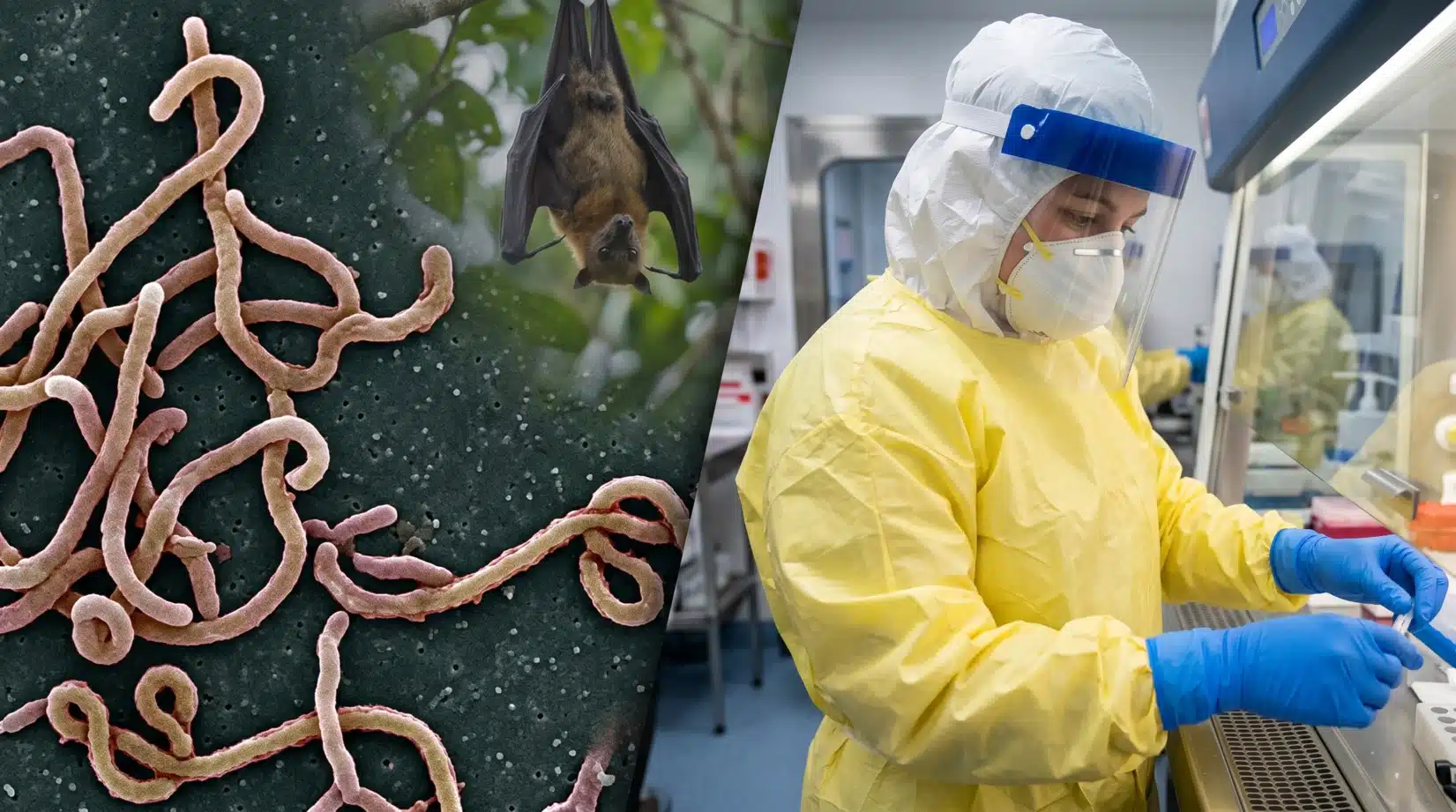
The international healthcare community is on high alert after the World Health Organization declared the ongoing filovirus crisis in Central Africa a Public Health Emergency of International Concern (PHEIC). This critical declaration highlights the escalating threat of the Bundibugyo virus strain as cases continue to rise across the Democratic Republic of the Congo (DRC) and neighboring Uganda. Public health agencies are rapidly mobilizing technical resources and personnel to contain what could become a severe regional crisis if swift containment measures are not established immediately.
This highly volatile event represents the 17th documented Ebola outbreak in the DRC since the pathogen was first discovered in 1976. Unlike previous epidemics dominated by the Zaire strain, this outbreak is driven by the Bundibugyo species (Orthoebolavirus bundibugyoense), which presents unique challenges in diagnosis and clinical care. Understanding the dynamics of transmission, early clinical signs, and the recommended guidelines for the prevention of Ebola is vital for healthcare providers, local communities, and international travelers alike.
What is the Bundibugyo Strain of Ebola Virus?
To understand the complexity of the current epidemic, it is essential to examine the biology of the causative pathogen, Orthoebolavirus bundibugyoense. First identified in 2007 in the Bundibugyo district of western Uganda, this species of Ebola virus has historically been associated with a slightly lower case-fatality rate than the notorious Zaire ebolavirus, a distinction tracked carefully by the World Health Organization. However, it remains a highly lethal pathogen capable of causing severe hemorrhagic fever and rapid physiological decline in infected patients.
Key characteristics of the Bundibugyo virus include:
- Pathogenicity and Mortality: Historically, the Bundibugyo strain has exhibited a case fatality rate of approximately 30% to 50%, compared to up to 90% for the Zaire strain.
- Transmission Mechanisms: Like other filoviruses, it spreads via direct contact with the bodily fluids of an infected person, such as blood, vomit, or sweat, or through contaminated materials according to the Centers for Disease Control and Prevention.
- Diagnostic Challenges: Traditional rapid diagnostic tests optimized for the Zaire strain show lower sensitivity, complicating early detection in clinical laboratories and requiring advanced PCR testing for confirmation.
- Lack of Medical Countermeasures: Currently, there are no licensed vaccines or specific monoclonal antibody Ebola treatments approved for the Bundibugyo species, leaving clinicians dependent entirely on supportive therapy.
In summary, while the Bundibugyo strain has historically shown lower mortality rates than other filoviruses, its genetic differences make standard medical interventions ineffective. This clinical landscape, documented in the disease manuals of the Centers for Disease Control and Prevention, underscores the urgent need for targeted scientific research and aggressive containment protocols to prevent the virus from establishing a permanent foothold, a stance championed globally by Doctors Without Borders.
Current Status and Scope of the Outbreak
The current Ebola outbreak began in the remote, gold-mining regions of Ituri Province in the northeastern DRC. According to recent epidemiological updates from the Ministry of Public Health of the DRC, the situation has rapidly escalated, with authorities reporting over 904 suspected cases, 101 confirmed cases, 119 suspected deaths, and 10 confirmed deaths. The virus has quickly expanded across multiple health zones, including Bunia, Rwampara, and Mongbwalu, and has crossed international borders into Uganda, where 5 confirmed cases and 1 death have been reported.
Several critical factors are compounding the management of this public health crisis:
- High Population Mobility: The affected areas in Ituri are hubs for gold-mining, leading to frequent, dense human movement that facilitates rapid, undetected community transmission.
- Insecurity and Conflict: Northeastern DRC has faced long-standing humanitarian and security challenges, which restrict the physical access of emergency response teams, as reported by Doctors Without Borders.
- Cross-Border Travel: The proximity of the outbreak zone to Uganda, Rwanda, and South Sudan raises the risk of regional dissemination, prompting the Africa Centres for Disease Control and Prevention to declare a Public Health Emergency of Continental Security (PHECS).
- Healthcare-Associated Amplification: Initial transmission in community clinics without robust infection control measures has resulted in infections and deaths among frontline healthcare workers, as documented by the European Centre for Disease Prevention and Control.
These complex social and logistical factors, monitored closely by the World Health Organization, make this epidemic uniquely volatile compared to more localized outbreaks. Without a coordinated international response, the high volume of trade and population displacement across Central Africa, also monitored by the European Centre for Disease Prevention and Control, could easily accelerate transmission to major urban centers.
Ebola Virus Disease Symptoms: Early vs. Late Signs
Recognizing Ebola virus disease symptoms is one of the most critical aspects of clinical triage and community surveillance. The incubation period for the Bundibugyo virus ranges from 2 to 21 days, during which an exposed individual is not yet infectious. Clinicians categorize the clinical presentation into early “dry” symptoms and subsequent “wet” symptoms as the viral load increases and systemic damage progresses, according to the World Health Organization.
Early, or “dry,” symptoms usually appear abruptly and can mimic other common tropical diseases:
- Sudden Onset of Fever: High fever is almost universally the first sign of infection, frequently confused with severe malaria.
- Severe Headache and Myalgia: Patients experience debilitating muscle aches, joint pain, and profound physical weakness as noted in CDC clinical guidance.
- Sore Throat and Fatigue: Extreme lethargy coupled with pharyngitis often misleads primary care providers during the initial assessment.
Within four to five days, the disease typically transitions into the “wet” phase, characterized by severe gastrointestinal and vascular complications, which are detailed in clinical updates from the European Centre for Disease Prevention and Control and tracked globally by the World Health Organization:
- Gastrointestinal Distress: Profuse watery diarrhea, persistent vomiting, and severe abdominal pain quickly lead to life-threatening dehydration and electrolyte imbalances.
- Hemorrhagic Manifestations: Although not present in every patient, late-stage symptoms can include unexplained bleeding from the gums, nose, or gastrointestinal tract, as well as blood in stool or vomit.
- Systemic Failure: Multi-organ failure, metabolic acidosis, and shock are the primary drivers of mortality in patients who do not survive.
In conclusion, distinguishing Ebola from endemic conditions like typhoid or malaria is a difficult but vital task for healthcare providers. Early identification of these transitioning clinical signs is paramount for isolating patients quickly, protecting healthcare staff as highlighted by the Centers for Disease Control and Prevention, and initiating aggressive supportive therapies in accordance with World Health Organization recommendations.
Ebola Treatments and the Search for Medical Countermeasures
One of the most alarming aspects of the current crisis is the lack of approved Ebola treatments specifically formulated for the Bundibugyo strain. While medical advancements have produced highly effective vaccines and monoclonal antibodies for the Zaire strain, these options do not offer cross-protection against Orthoebolavirus bundibugyoense. Consequently, managing this outbreak requires a return to fundamental, high-quality clinical support and rapid research adaptation, as detailed by the World Health Organization.
Currently, clinical management relies on the following interventions:
- Aggressive Fluid Resuscitation: Early oral or intravenous rehydration is the single most effective intervention to counter massive fluid loss from vomiting and diarrhea.
- Electrolyte Correction: Monitoring and correcting levels of potassium, sodium, and magnesium helps prevent cardiac complications and neurological decline.
- Symptomatic Management: Utilizing antipyretics for fever, antiemetics for nausea, and analgesics for pain improves patient comfort and preserves physiological reserve.
- Treatment of Co-infections: Because malaria and bacterial sepsis are highly prevalent in the region, patients are often treated empirically with antimalarials and broad-spectrum antibiotics as recommended by WHO guidelines.
At the same time, global research coalitions like the National Institutes of Health are working alongside the WHO R&D Blueprint to accelerate trials of candidate vaccines and therapeutics. This collaborative framework aims to rapidly evaluate the safety of experimental antivirals that may help neutralize the Bundibugyo strain.
While the absence of a proven vaccine makes containment more difficult, optimized supportive care remains highly effective in reducing mortality. Continued international investment in clinical trials, coordinated by entities like the Centers for Disease Control and Prevention and the Africa Centres for Disease Control and Prevention, is crucial to finally establishing dedicated therapeutic tools for this neglected filovirus.
Prevention of Ebola and Public Health Recommendations
In the absence of a preventative vaccine, the prevention of Ebola relies heavily on traditional public health interventions, strict infection control, and clear communication. Containing the spread of the Bundibugyo virus requires a multi-layered approach that addresses both community-level transmission and the safety of healthcare facilities.
Public health organizations recommend several core strategies to interrupt the chain of transmission:
- Robust Contact Tracing: Identifying, monitoring, and isolating individuals who have been in contact with confirmed cases for 21 days is vital to stopping community spread.
- Infection Prevention and Control (IPC): Ensuring healthcare workers have continuous access to personal protective equipment (PPE) and clean water is essential to prevent clinics from becoming amplification points.
- Safe and Dignified Burials: Because the bodies of deceased Ebola patients harbor extremely high viral loads, traditional burial practices must be modified to prevent direct contact with bodily fluids.
- Travel Advisories and Screening: Implementing exit screening at border crossings and discouraging non-essential travel to affected provinces, as advised by the Government of India and other national authorities, limits international spread.
Furthermore, community engagement remains the cornerstone of any successful outbreak response. Health workers must work closely with local leaders to build trust, dispel misinformation, and encourage early self-reporting of symptoms to mobile treatment centers operated by Doctors Without Borders in close alignment with guidance from the World Health Organization.
Ultimately, stopping the transmission of the Bundibugyo virus depends on the rigorous application of proven epidemiological practices. Through international cooperation and respectful community partnership, public health officials, guided by the Africa Centres for Disease Control and Prevention and supported by the European Centre for Disease Prevention and Control, can successfully suppress the outbreak and protect global health security.
Frequently Asked Questions (FAQ)
The WHO declares emergency status when an outbreak poses an unusual, cross-border public health risk that requires coordinated international action. The 2026 Bundibugyo outbreak meets these criteria due to its rapid spread in the DRC, imported cases in Uganda, high community mortality, and the lack of approved vaccines or treatments.
The Bundibugyo strain is caused by Orthoebolavirus bundibugyoense, a distinct species from the more common Zaire or Sudan strains. While it historically features a slightly lower case-fatality rate (around 30% to 50%), standard vaccines like Ervebo do not protect against it, making it much harder to control than the Zaire strain as reported by the Centers for Disease Control and Prevention.
Currently, there are no licensed vaccines or approved therapies for the Bundibugyo strain of the Ebola virus. However, scientific consortia, including the National Institutes of Health, are actively working to evaluate promising candidate vaccines in clinical trials to address this therapeutic gap.
Ebola is not an airborne virus; it spreads through direct contact with the blood, secretions, or other bodily fluids of an infected, symptomatic person. It can also be transmitted via contact with contaminated surfaces, medical equipment, or through the handling of infected wildlife like bats or non-human primates, according to European Centre for Disease Prevention and Control clinical manuals.
Travelers to Central Africa should avoid non-essential travel to high-risk zones, such as Ituri Province in the DRC. Those in the region must avoid contact with sick individuals, practice strict hand hygiene, and monitor themselves for symptoms for 21 days after departure, seeking immediate medical advice if they develop a fever, as advised by CDC travel notices.
References
- Africa Centres for Disease Control and Prevention. (2026, May 18). Africa CDC declares Ebola Bundibugyo outbreak a Public Health Emergency of Continental Security. https://africacdc.org/
- Centers for Disease Control and Prevention. (2026, May 19). Ebola disease outbreak in the Democratic Republic of the Congo and Uganda caused by Bundibugyo virus. Health Alert Network. https://www.cdc.gov/
- European Centre for Disease Prevention and Control. (2026, May 22). Questions and answers about the current Ebola disease outbreak in the Democratic Republic of Congo and Uganda. https://www.ecdc.europa.eu/
- Government of India. (2026, May 24). WHO Declares Ebola Outbreak a Public Health Emergency of International Concern. Press Information Bureau. https://pib.gov.in/
- World Health Organization. (2026, May 17). Epidemic of Ebola Disease caused by Bundibugyo virus in the Democratic Republic of the Congo and Uganda determined a public health emergency of international concern. https://www.who.int/