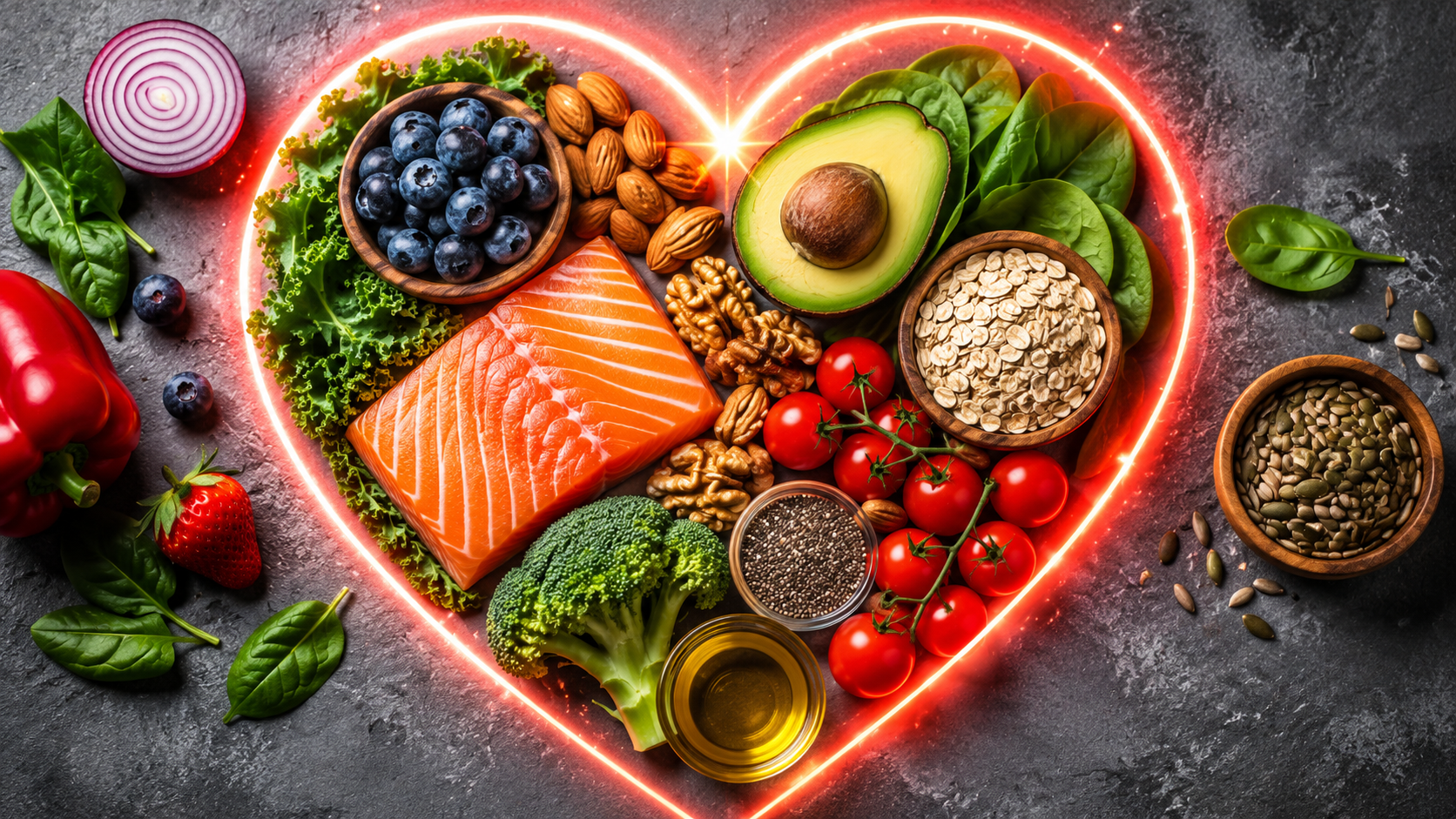
Every meal you eat is either working for your heart or quietly working against it. That sounds dramatic, but it is the reality cardiologists see every day. Heart disease remains the leading cause of death worldwide, and much of that risk is shaped not by genetics alone, but by what ends up on your plate three times a day.
The frustrating part is that most people already sense something is wrong with their diet, too much salt, too much processed food, not enough vegetables, yet they do not know exactly which foods deserve priority or how to build a realistic, sustainable eating pattern around them. This guide breaks down exactly which foods protect your heart, why they work at a biological level, and how to bring both modern nutritional science and traditional herbal wisdom together into one practical eating plan.
Why Diet Matters So Much for Heart Health
The heart and blood vessels are directly affected by what circulates in your bloodstream after every meal. Diets high in saturated fat and sodium raise LDL cholesterol and blood pressure, both of which accelerate plaque buildup inside the arteries, according to Mayo Clinic. Over time, that plaque narrows and stiffens blood vessels, setting the stage for heart attacks and strokes.
On the other hand, a diet built around vegetables, fruits, whole grains, and healthy fats does more than just avoid harm. It actively supplies fiber, potassium, antioxidants, and healthy fatty acids that support healthy cholesterol levels, reduce inflammation, and keep blood vessels flexible, as outlined in the Mayo Clinic Diet’s top heart-healthy foods guide. The goal is not a restrictive diet, it is a consistent pattern that tips the biological balance in your favor, meal after meal.
The Best Foods for a Stronger Heart
Leafy Greens
Spinach, kale, and Swiss chard are rich in potassium, a mineral that helps counteract the blood-pressure-raising effects of sodium. According to Mayo Clinic, these greens are easy to work into daily meals, whether tossed into a salad, blended into a smoothie, or sautéed as a simple side dish.
Fatty Fish
Salmon, mackerel, sardines, and herring are among the richest natural sources of the omega-3 fatty acids EPA and DHA. The American Heart Association recommends eating fatty fish at least twice a week, since regular seafood consumption is consistently linked to a lower risk of cardiovascular disease. These fatty acids help reduce triglycerides, slow the growth of arterial plaque, and lower the risk of dangerous irregular heart rhythms, according to the American Heart Association.
If fish is not part of your diet, algae-derived omega-3 oil offers a plant-based alternative that provides comparable EPA and DHA content without the concerns some people have around mercury or sustainability. This detailed comparison of omega-3 from algae versus fish oil breaks down how the two sources stack up nutritionally, which is especially useful for vegans, vegetarians, or anyone with seafood sensitivities.
Berries and Colorful Fruits
Berries, oranges, and apples are packed with antioxidants and fiber that help calm inflammation and support overall cardiovascular function, per Mayo Clinic. Their natural sweetness also makes them an easy, satisfying substitute for processed desserts, helping reduce added sugar intake without feeling like a sacrifice.
Whole Grains
Swapping refined grains, white bread, white rice, sugary cereals, for whole grain versions like oats, brown rice, and quinoa provides more fiber and nutrients that help regulate blood pressure and support long-term heart health, according to Mayo Clinic. Fiber also slows how quickly sugar enters the bloodstream, which helps avoid the blood sugar spikes that place extra strain on blood vessels over time.
Nuts and Seeds
Almonds, walnuts, and pistachios deliver a combination of omega-3 fatty acids, vitamin E, and magnesium that helps reduce cholesterol and inflammation, as noted by Mayo Clinic. A small daily handful is enough, since nuts are calorie-dense, but their heart-protective fats make them a smart swap for processed snack foods.
Olive Oil
As a cornerstone of the Mediterranean diet, extra virgin olive oil is rich in monounsaturated fats and antioxidants that help lower harmful cholesterol and reduce inflammation, according to Mayo Clinic. One specific compound found in olives, hydroxytyrosol, has drawn particular scientific interest for its cardioprotective effects. This in-depth look at hydroxytyrosol and heart health explains how this polyphenol protects LDL particles from oxidative damage, helping reduce the likelihood of plaque formation inside the arteries.
Legumes and Beans
Beans, lentils, and chickpeas are inexpensive, versatile sources of plant-based protein and soluble fiber, both of which are staples of heart-healthy eating patterns like the Mediterranean diet, per Mayo Clinic. Because they are naturally low in saturated fat, using legumes to partially replace red meat in your weekly meals is one of the simplest changes you can make.
Lean Protein
Chicken, turkey, fish, and tofu are excellent alternatives to fattier cuts of red meat, since heart-healthy eating does not require cutting out protein altogether, according to Mayo Clinic. Choosing leaner sources most of the week, while limiting red and processed meats, helps reduce overall saturated fat intake.
Spices with Cardiovascular Benefits
Certain spices do more than add flavor. Capsaicin, found in chili peppers, has been shown to improve circulation and may help lower blood pressure, according to Mayo Clinic. Turmeric is another standout, with its active compound curcumin studied for anti-inflammatory effects that may support both vascular and metabolic health. This feature on turmeric for chronic inflammation explores how this golden spice fits into a broader anti-inflammatory eating pattern.
The Mediterranean Diet: A Proven Framework, Not Just a Food List
Rather than memorizing an endless list of individual foods, many cardiologists recommend adopting an entire eating pattern instead. The Mediterranean diet consistently ranks as one of the most heart-protective ways of eating, built around vegetables, fruits, whole grains, legumes, nuts, seeds, and olive oil as the primary fat source, according to Mayo Clinic.
Research dating back to the 1960s found that people in Mediterranean countries such as Greece and Italy died from heart disease far less often than people in the United States and northern Europe, a pattern that has been echoed in decades of nutrition research since, per Mayo Clinic. The World Health Organization recognizes it as a genuinely healthy eating pattern, and it remains one of the most extensively studied diets for long-term cardiovascular protection.
What makes this framework so sustainable is its flexibility. Instead of eliminating entire food groups, it simply shifts the balance, more plants, more healthy fats, less red meat, less refined sugar, and far less reliance on ultra-processed foods.
Foods and Habits to Limit for Heart Health
Just as important as what you add to your plate is what you gradually reduce.
- Saturated and trans fats. Found in red meat, butter, and many packaged baked goods, these fats raise LDL cholesterol and should be limited according to Mayo Clinic.
- Excess sodium. High-sodium foods like processed meats, canned soups, and fast food directly contribute to elevated blood pressure, per Mayo Clinic.
- Added sugars. Sugary drinks and desserts contribute to weight gain and insulin resistance, both of which raise cardiovascular risk over time.
- Ultra-processed snack foods. Chips, cookies, and packaged pastries are often low in nutritional value and may still contain hidden trans fats, even when labeled reduced-fat, according to Mayo Clinic.
Building a Practical Heart-Healthy Meal Plan
Knowing which foods help and hurt your heart is only useful if you can translate it into daily meals. A simple, sustainable structure looks like this:
- Breakfast: Oatmeal topped with walnuts, berries, and a sprinkle of cinnamon
- Lunch: A large salad with leafy greens, grilled chicken or chickpeas, olive oil dressing, and a side of whole-grain bread
- Dinner: Baked salmon or another fatty fish, a side of roasted vegetables, and a small portion of brown rice or quinoa
- Snacks: A handful of almonds, fresh fruit, or vegetable sticks with hummus
Small, consistent swaps, olive oil instead of butter, whole grains instead of refined grains, water or herbal tea instead of sugary drinks, add up to meaningful cardiovascular benefits over months and years.
Supporting Your Heart Beyond the Plate
Diet is one of the most powerful levers you have for heart health, but it works best alongside a few complementary habits.
Managing Chronic Inflammation and Oxidative Stress
Beyond food choices alone, some people look to targeted botanical support to help manage oxidative stress, a known contributor to cardiovascular disease progression. The research summarized in this guide on DHA and EPA from algae explains how these fatty acids help dilate blood vessels, improve arterial flexibility, and reduce inflammation in the vessel wall, mechanisms that closely mirror the benefits associated with regular fatty fish consumption.
For those following a plant-based diet or avoiding fish for other reasons, algae-sourced omega-3 supplements provide a comparable nutritional profile. The Naturem™ Omega-3 Algal Oil overview outlines how this plant-based formulation delivers DHA and EPA without the contaminants sometimes associated with fish-derived oils.
Blood Sugar Stability
Since elevated blood sugar contributes to vascular damage over time, pairing a heart-healthy diet with steady glucose control is important, particularly for those with prediabetes or type 2 diabetes. This guide to hydroxytyrosol for blood sugar and metabolic health explains how this olive-derived antioxidant is combined with traditional herbs to help support stable glucose levels alongside dietary changes.
Everyday Energy and Vitality
A heart-healthy diet often goes hand in hand with rebuilding overall energy and stamina, especially for those adjusting long-standing eating habits. Herbal formulations like Naturem™ Stamina are traditionally used to support vitality and reduce stress as part of a broader healthy lifestyle, though they should always complement, not replace, medical guidance and a balanced diet.
As with any supplement, anyone with an existing heart condition or on blood pressure or cholesterol medication should consult their physician before adding a new herbal product to their routine.
The Bottom Line
Building a stronger heart does not require a complicated diet overhaul overnight. It requires consistent, repeatable choices: more leafy greens, more fatty fish or algae-based omega-3s, more whole grains and legumes, and less reliance on processed, high-sodium foods. The Mediterranean eating pattern offers a well-researched, sustainable framework for making these choices daily rather than sporadically.
Pair these dietary foundations with targeted support for inflammation, blood sugar, and circulation, always alongside your doctor’s guidance, and you give your heart the strongest possible foundation for long-term resilience. Small, steady changes at every meal add up to the most powerful form of heart protection available.
Frequently Asked Questions
No single food works in isolation, but fatty fish is frequently highlighted because it delivers omega-3 fatty acids shown to reduce inflammation, lower triglycerides, and reduce the risk of dangerous heart rhythms (AHA, 2018).
The American Heart Association recommends eating fatty fish at least twice a week, with a typical serving of about three ounces cooked (AHA, 2025).
No. The Mediterranean diet emphasizes healthy fats from sources like olive oil, nuts, and fatty fish, rather than eliminating fat altogether. The focus is on the type of fat consumed, not simply reducing total fat (MC, 2026).
General heart-healthy guidance recommends limiting high-sodium foods such as processed meats, canned soups, and fast food, since excess sodium is directly linked to elevated blood pressure. Checking nutrition labels and cooking more meals at home are two of the most effective ways to reduce intake (MC, 2023).
No. Herbal ingredients such as hydroxytyrosol or algae-based omega-3s are meant to complement, not replace, a nutrient-dense diet and any medications prescribed by your doctor. Related formulations are discussed in this overview of DHA and EPA from algae. They work best as part of a broader lifestyle that includes whole foods, regular movement, and consistent medical care (SVK, 2024).
References:
American Heart Association (AHA). (2018). Eating fish twice a week reduces heart, stroke risk. Retrieved from https://www.heart.org/en/news/2018/05/25/eating-fish-twice-a-week-reduces-heart-stroke-risk
American Heart Association (AHA). (2025). Fish and omega-3 fatty acids. Retrieved from https://www.heart.org/en/healthy-living/healthy-eating/eat-smart/fats/fish-and-omega-3-fatty-acids
Mayo Clinic (MC). (2023). Menus for heart-healthy eating: Cut the fat and salt. Retrieved from https://www.mayoclinic.org/diseases-conditions/heart-disease/in-depth/heart-healthy-diet/art-20046702
Mayo Clinic (MC). (2025). Top 10 heart-healthy foods you should be eating. Retrieved from https://diet.mayoclinic.org/us/blog/2025/top-10-heart-healthy-foods-you-should-be-eating/
Mayo Clinic (MC). (2025). Heart-healthy diet: 8 steps to prevent heart disease. Retrieved from https://www.mayoclinic.org/diseases-conditions/heart-disease/in-depth/heart-healthy-diet/art-20047702
Mayo Clinic (MC). (2025). How to eat a heart-healthy diet. Retrieved from https://mcpress.mayoclinic.org/healthy-heart/how-to-eat-a-heart-healthy-diet/
Mayo Clinic (MC). (2025). Mayo Clinic Q and A: What to eat for a healthy heart. Retrieved from https://newsnetwork.mayoclinic.org/discussion/mayo-clinic-q-and-a-what-to-eat-for-a-healthy-heart/
Mayo Clinic (MC). (2026). Mediterranean diet for heart health. Retrieved from https://www.mayoclinic.org/healthy-lifestyle/nutrition-and-healthy-eating/in-depth/mediterranean-diet/art-20047801