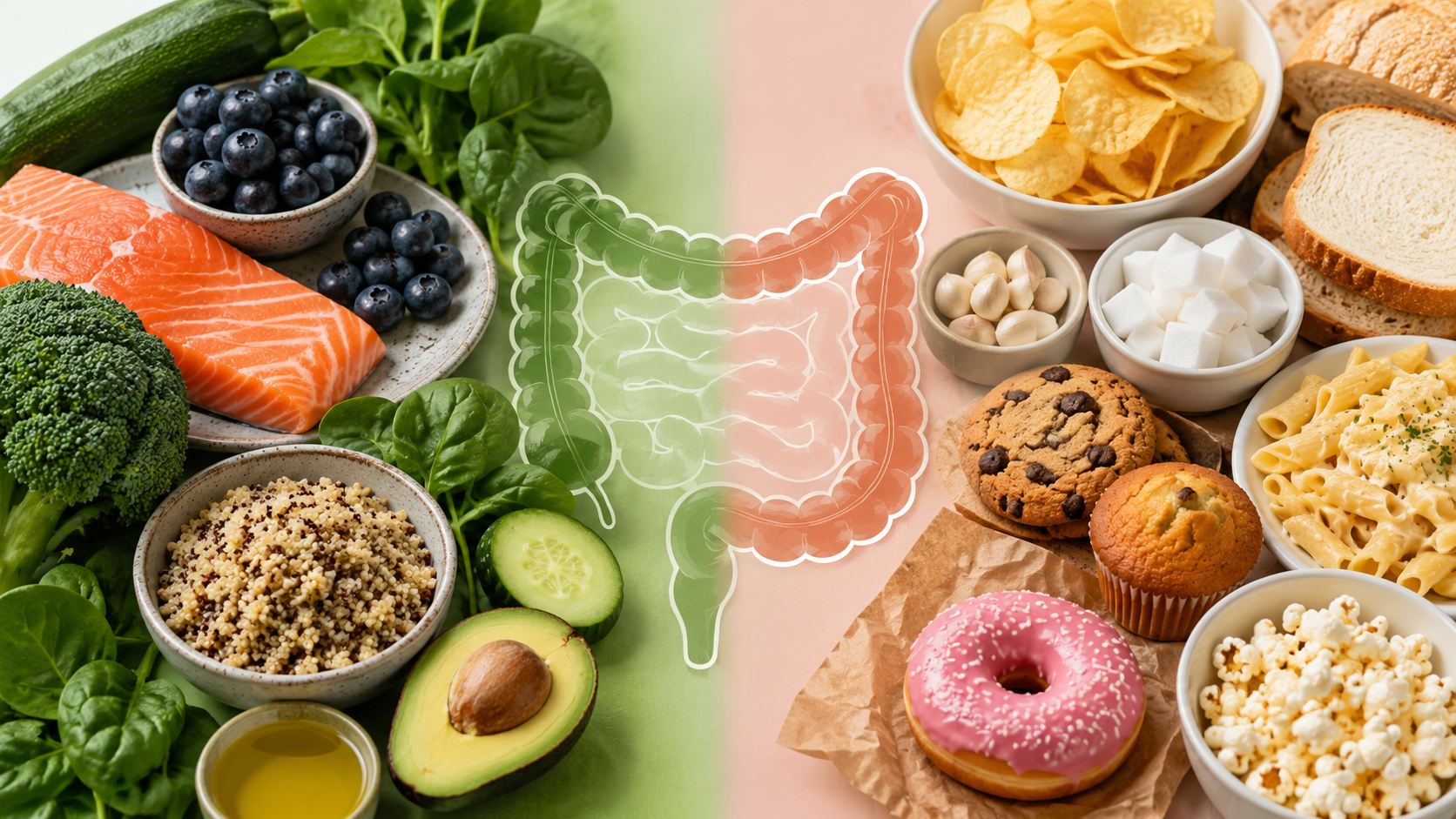
If eating a completely normal meal leaves you doubled over with bloating, gas, or cramping an hour later, food can start to feel like the enemy rather than nourishment. For the estimated millions of people living with small intestinal bacterial overgrowth, or SIBO, that reaction is not in your head. It is a direct result of bacteria that should be living in your large intestine instead colonizing your small intestine, where they ferment the very foods you eat and produce the gas, distension, and discomfort that define this condition.
The good news is that diet is one of the most powerful, evidence-backed tools available for managing SIBO symptoms. This guide breaks down exactly which foods tend to calm an overactive small intestine, which foods tend to fuel bacterial fermentation, and how to build a sustainable eating plan that supports your gut without leaving you afraid of the dinner table.
What Is SIBO, and Why Does Diet Matter So Much?
Small intestinal bacterial overgrowth occurs when there is an abnormal increase in bacteria within the small intestine, a part of the digestive tract that normally hosts relatively few organisms. According to the Mayo Clinic, this overgrowth frequently develops when something slows the movement of food and waste through the digestive tract, creating conditions where bacteria can thrive and interfere with normal digestion. The excess bacteria can trigger diarrhea, bloating, and in more advanced cases, malnutrition and unintended weight loss.
The core issue is fermentation. A detailed clinical resource from NCBI’s StatPearls explains that SIBO involves excess colonic-type bacteria colonizing the small intestine, which then causes abdominal pain, bloating, diarrhea, and occasionally malabsorption of nutrients. When you eat carbohydrates that these bacteria can access before your body has fully absorbed them, the bacteria ferment those sugars and produce hydrogen or methane gas as a byproduct. That gas is what drives the hallmark bloating and discomfort associated with SIBO. This is precisely why diet, specifically the type and amount of fermentable carbohydrate you eat, has such an outsized effect on how you feel day to day. For a broader look at how gut bacteria interact with mood, energy, and overall function, you can find out more about the gut-brain connection in our companion feature.
The Low-FODMAP Framework: The Foundation of a SIBO Diet
The most widely used and researched dietary strategy for SIBO is the low-FODMAP diet, originally developed for irritable bowel syndrome and now commonly extended to SIBO because the two conditions overlap so heavily. Research summarized in PMC notes that SIBO is a manifestation of gut microbiome imbalance and is highly prevalent among people diagnosed with IBS, sharing many of the same trigger foods and symptom patterns.
What FODMAPs Actually Are
FODMAP stands for Fermentable Oligosaccharides, Disaccharides, Monosaccharides, and Polyols, a technical name for a group of short-chain carbohydrates that are poorly absorbed in the small intestine and easily fermented by bacteria. A review published in PMC outlines the major categories: oligosaccharides found in wheat, onions, and legumes; the disaccharide lactose found in dairy; the monosaccharide fructose found in certain fruits and honey; and polyols like sorbitol and mannitol found in stone fruits and sugar-free products. When bacteria in the small intestine ferment these compounds, they produce the hydrogen and methane gas responsible for SIBO’s most disruptive symptoms.
It’s worth emphasizing that high-FODMAP foods are not inherently unhealthy. Many, including onions, garlic, apples, and legumes, are nutrient-dense and beneficial for people without SIBO. The goal of the diet is temporary symptom management, not permanent avoidance of nutritious food groups.
Best Foods to Eat on a SIBO Diet
Proteins
Protein and fat generally do not feed bacterial overgrowth the way carbohydrates do, which makes them the safest foundation of a SIBO-friendly plate. Chicken, turkey, fish, seafood, plain eggs, and lean cuts of beef are all well tolerated, according to a practical SIBO food guide from Cleveland Clinic. Cooking oils, butter, and olive oil are similarly considered safe additions, since fats do not undergo the same fermentation process as fermentable carbohydrates.
Low-FODMAP Vegetables
Vegetables remain essential for overall nutrition, but choosing the right ones matters. Zucchini, bell peppers, carrots, spinach, cucumbers, tomatoes, and green beans are typically well tolerated and provide fiber without triggering excess fermentation, as outlined in a review from ScienceInsights. Cooked carrots in particular tend to be gentler on a sensitive gut than raw, high-fiber vegetables.
Fruits in Moderation
Fruit does not need to disappear from a SIBO diet entirely, but portion size and fruit choice matter considerably. Lower-sugar, low-FODMAP options like blueberries, strawberries, grapes, and oranges tend to be better tolerated than high-fructose fruits such as apples, pears, and watermelon. If you’re building a broader plan around blood sugar and fruit choices, our guide on foods that prevent energy crashes offers additional context on how fruit and carbohydrate timing affect digestion and stable energy.
Starches and Grains
Because rapidly and completely absorbed starches leave less residue for small intestinal bacteria to ferment, they tend to be some of the best-tolerated carbohydrates on a SIBO diet. White rice, potatoes, and sweet potatoes are frequently recommended staples, closely mirroring the low-fermentation diet developed by gastroenterologist Mark Pimentel at Cedars-Sinai specifically for SIBO patients, according to the ScienceInsights overview of his approach.
Dairy Alternatives
Hard, aged cheeses like cheddar and Parmesan contain minimal lactose and are usually well tolerated even by people who react poorly to milk. Lactose-free milk and lactose-free yogurt are reasonable substitutes for those who want the nutritional benefits of dairy without the fermentable sugar load.
Worst Foods to Avoid on a SIBO Diet
High-FODMAP Fruits and Sweeteners
Fruits high in fructose, including apples, pears, mangoes, cherries, and watermelon, along with honey and high-fructose corn syrup, are common triggers because unabsorbed fructose becomes readily available bacterial fuel, as detailed in the FODMAP breakdown from PMC. Sugar alcohols such as sorbitol, mannitol, maltitol, and xylitol, frequently found in sugar-free gum and diet products, fall into the same problematic polyol category.
Legumes and Certain Whole Grains
Beans, lentils, chickpeas, and other legumes are rich in oligosaccharides that the small intestine cannot fully break down, making them one of the most reliable bloating triggers for people with SIBO. Wheat, barley, and rye also contain fermentable fructans, meaning many whole-grain breads and cereals can worsen symptoms even though they are considered healthy for the general population.
Dairy and Lactose
Milk, ice cream, pudding, and regular yogurt contain lactose, a disaccharide that many people with SIBO struggle to digest properly, whether or not they were previously diagnosed with lactose intolerance. The bacterial overgrowth itself can interfere with lactase activity, temporarily worsening dairy tolerance even in people who normally handle it fine.
Garlic, Onion, and Fermentable Vegetables
Garlic, onions, leeks, artichokes, and shallots are some of the most concentrated sources of fermentable fructans in the average diet and are frequently among the first foods eliminated during a SIBO protocol. Cruciferous vegetables like cauliflower and mushrooms, along with peas and chicory, round out the list of vegetables best minimized during an active flare, based on the FODMAP food categories cataloged in PMC.
Highly Processed Foods
Beyond FODMAP content, heavily processed foods often contain emulsifiers, artificial sweeteners, and additives that can further disturb an already imbalanced gut microbiome. Choosing whole, minimally processed foods within your tolerated FODMAP range tends to produce more consistent symptom relief than simply swapping processed high-FODMAP products for processed low-FODMAP ones.
The Elemental Diet: A More Intensive Option
For SIBO cases that don’t respond adequately to a standard low-FODMAP approach, some clinicians recommend the elemental diet, a liquid formula containing pre-digested nutrients including amino acids, fatty acids, vitamins, and minerals. According to Cleveland Clinic, this purely liquid approach is typically followed for two to three weeks and works by depriving small intestinal bacteria of the complex nutrients they need to survive, essentially giving the small intestine a period of rest from digestion.
This is a significant undertaking that should only be attempted under medical supervision, particularly for people who prefer to avoid antibiotics or want to combine dietary treatment with herbal antimicrobial therapy recommended by their provider.
Traditional Medicine’s View: The Digestive Fire and Gut Stagnation
Long before FODMAPs had a name, traditional systems of medicine described very similar patterns of bloating, gas, and sluggish digestion through the lens of a weakened “digestive fire.” In Traditional Chinese Medicine, this concept is closely tied to the Spleen system, which is considered responsible for transforming food into usable energy. When digestion is compromised, practitioners describe a buildup of “dampness,” a stagnant, heavy sensation that mirrors what modern gastroenterology now recognizes as bacterial fermentation and gas retention in the gut.
Poria cocos, a medicinal fungus long used in East Asian herbal traditions, has historically been used to address exactly this pattern. Traditional use credits Poria with tonifying the Spleen and resolving digestive stagnation associated with bloating, poor appetite, and loose stools, a use case explored in more depth in our guide to Poria cocos and digestive dampness. Vietnamese traditional medicine draws on a similar framework, often pairing warming, aromatic herbs with dietary adjustment to support what practitioners describe as sluggish digestive function. You can explore this further in Herbs of Vietnam’s guide to turmeric and gut health, which discusses how this ancient root is used to support inflammation and digestive resilience.
What is striking is how closely this traditional language of “stagnation” and “dampness” parallels the modern understanding of fermentation and gas production in SIBO. Both frameworks point toward the same practical conclusion: reducing the burden placed on a compromised digestive system allows it the space to recover.
Building a Sustainable SIBO Diet Plan
Phase One: Elimination
Most SIBO diet protocols begin with a structured elimination phase, typically lasting two to six weeks, during which high-FODMAP foods are significantly reduced to calm active symptoms. This phase is meant to be temporary and diagnostic rather than a permanent way of eating, as emphasized in guidance from Dr. Ruscio’s clinical resource on SIBO-friendly eating.
Phase Two: Reintroduction
Once symptoms have meaningfully improved, foods are reintroduced one FODMAP category at a time, allowing you and your healthcare provider to identify your specific triggers rather than avoiding entire food groups indefinitely. This step matters enormously, since long-term restriction of FODMAPs is not recommended. A review in PMC points out that many high-FODMAP foods also feed beneficial gut bacteria, and prolonged restriction can reduce intake of fiber, calcium, iron, and other essential nutrients if not carefully managed.
Phase Three: Personalization
The end goal of any SIBO diet is not permanent restriction but a personalized, minimally restrictive eating pattern built around your individually identified triggers. Working with a registered dietitian during this process can help you achieve symptom control while preserving the nutritional diversity your gut microbiome needs over the long term.
Supporting Digestive and Metabolic Balance With Naturem™ Glucose Guard
Because SIBO management often involves careful attention to carbohydrate type, portion, and timing, keeping blood sugar and metabolic function steady during the elimination and reintroduction process can make the whole experience more manageable. This is where Naturem™ Glucose Guard Capsules fit naturally into a broader gut-conscious routine, supporting healthy insulin response and steady glucose metabolism as you adjust your carbohydrate intake through the different phases of a SIBO diet.
Naturem™ Glucose Guard combines a targeted blend of traditional and research-backed ingredients relevant to digestive and metabolic wellness:
- Gymnema sylvestre: Traditionally used to help reduce sugar absorption in the intestine and support healthy insulin secretion, which may help buffer blood sugar swings during dietary transitions.
- Poria cocos: Included for its traditional role in tonifying the Spleen and resolving digestive stagnation, aligning directly with the “dampness-clearing” approach traditional medicine takes toward bloating and sluggish digestion.
- Gynostemma pentaphyllum: An adaptogenic herb studied for its role in supporting healthy metabolism and antioxidant activity during periods of dietary change.
- Hydroxytyrosol: A potent antioxidant that helps counter oxidative stress associated with chronic gut inflammation and metabolic strain.
For anyone navigating the elimination and reintroduction phases of a SIBO diet, pairing thoughtful food choices with a formula like this offers additional, natural support for the metabolic side of gut health.
When to See a Doctor
While dietary changes can meaningfully reduce SIBO symptoms, diet alone rarely resolves the underlying bacterial overgrowth. Persistent bloating, unexplained weight loss, chronic diarrhea, or signs of nutrient deficiency should always prompt a conversation with a gastroenterologist, since SIBO is typically diagnosed through breath testing and often requires targeted antibiotic or herbal antimicrobial therapy alongside dietary support. If you experience symptoms alongside broader digestive discomfort, our guide on IBS bloating and cramping relief covers additional evidence-based options worth discussing with your provider, since SIBO and IBS frequently overlap and share several management strategies.
The Bottom Line
Managing SIBO through diet comes down to understanding one core principle: fermentable carbohydrates feed the bacterial overgrowth causing your symptoms, while proteins, fats, and carefully chosen low-FODMAP carbohydrates give your small intestine a chance to calm down and heal. A low-FODMAP approach, used temporarily and thoughtfully, remains the most evidence-supported starting point, while an elemental diet offers a more intensive option for those who need it. The goal is never permanent restriction. It is identifying your personal triggers, working closely with a knowledgeable healthcare provider, and rebuilding a varied, sustainable way of eating that supports your gut for the long run.
This article is for informational and educational purposes only and is not a substitute for professional medical advice, diagnosis, or treatment. Always consult a qualified healthcare provider or registered dietitian before starting an elimination diet, elemental diet, or new supplement routine, particularly if you have an existing digestive condition or are taking prescription medication.
Frequently Asked Questions (FAQs)
What foods should I avoid completely if I have SIBO?
The most consistent triggers are high-FODMAP foods: garlic, onions, legumes, wheat, and dairy containing lactose, along with high-fructose fruits and sugar alcohols like sorbitol and xylitol. These fermentable carbohydrates feed the bacterial overgrowth in the small intestine and are typically the first foods removed during a SIBO elimination phase (Cleveland Clinic).
Is the low-FODMAP diet a permanent way of eating for SIBO?
No. A low-FODMAP diet is meant to be a temporary, structured elimination followed by gradual reintroduction, not a lifelong restriction. Staying on it too long can reduce intake of fiber, calcium, and other nutrients, since many high-FODMAP foods also feed beneficial gut bacteria (PMC, 2021).
Can I eat fruit on a SIBO diet?
Yes, in moderation and with the right choices. Lower-sugar, low-FODMAP fruits like blueberries, strawberries, grapes, and oranges are generally well tolerated, while high-fructose fruits such as apples, pears, and watermelon are more likely to trigger bloating and gas (ScienceInsights, 2026).
What is the elemental diet, and is it better than low-FODMAP for SIBO?
The elemental diet is a liquid formula of pre-digested nutrients used for two to three weeks to starve small intestinal bacteria of the complex nutrients they need to survive. It’s a more intensive option typically reserved for cases that don’t respond to standard dietary changes, and it should only be done under medical supervision (Cleveland Clinic).
Why does dairy bother me so much more since developing SIBO?
Bacterial overgrowth in the small intestine can interfere with lactase activity, the enzyme needed to digest lactose, which means many people become temporarily more sensitive to dairy even if they tolerated it fine before. Hard cheeses and lactose-free dairy are usually better tolerated alternatives (PMC, StatPearls).
References:
Chey, W. D., Hashash, J. G., Manning, L., & Chang, L. (2022). AGA clinical practice update on the role of diet in irritable bowel syndrome: Expert review. Gastroenterology. https://www.ncbi.nlm.nih.gov/pmc/articles/PMC12893123/
Bellini, M., Tonarelli, S., Barracca, F., et al. (2020). Low FODMAP diet: Evidence, doubts, and hopes. Nutrients. https://www.ncbi.nlm.nih.gov/pmc/articles/PMC5372955/
Ghoshal, U. C., Shukla, R., & Ghoshal, U. (2017). Small intestinal bacterial overgrowth and irritable bowel syndrome: A bridge between functional organic dichotomy. Gut and Liver. https://pmc.ncbi.nlm.nih.gov/articles/PMC5347643/
Takakura, W., & Pimentel, M. (2020). Small intestinal bacterial overgrowth and irritable bowel syndrome: An update. Frontiers in Psychiatry. https://pmc.ncbi.nlm.nih.gov/articles/PMC7366247
Sorathia, S. J., Chippa, V., & Rivas, J. M. (2023). Small intestinal bacterial overgrowth. In StatPearls. National Center for Biotechnology Information. https://www.ncbi.nlm.nih.gov/books/NBK546634/
Mayo Clinic. (2024). Small intestinal bacterial overgrowth (SIBO): Symptoms and causes. https://www.mayoclinic.org/diseases-conditions/small-intestinal-bacterial-overgrowth/symptoms-causes/syc-20370168
Cleveland Clinic. (2025). SIBO diet: Best and worst foods to eat. https://health.clevelandclinic.org/sibo-diet
ScienceInsights. (2026). What to eat if you have SIBO: Best and worst foods. https://scienceinsights.org/what-to-eat-if-you-have-sibo-best-and-worst-foods/
Ruscio, M. (2026). SIBO foods to avoid and what you CAN eat. Dr. Ruscio Clinical Resource. https://drruscio.com/what-foods-should-be-avoided-with-sibo/
Naturem.us. The second brain: Healing the gut-brain axis with CBT and traditional tonics. https://naturem.us/blogs/sharper-memory/the-second-brain-healing-the-gut-brain-axis-with-cbt-and-traditional-tonics
Naturem.us. Clearing the fog: Using Poria cocos to resolve dampness and mental lethargy. https://naturem.us/blogs/sharper-memory/clearing-the-fog-using-poria-cocos-to-resolve-dampness-and-mental-lethargy
Naturem.us. Struggling with IBS bloating and cramping? Peppermint oil may help. https://naturem.us/blogs/healthy-advice/struggling-with-ibs-bloating-and-cramping-peppermint-oil-may-help
Naturem.us. Steady Glucose education hub. https://naturem.us/blogs/steady-glucose
Naturem.us. Naturem™ Glucose Guard Capsules. https://naturem.us/products/glucose-guard-capsules
HerbsOfVietnam.com. Turmeric (Curcuma longa): The golden spice for chronic inflammation, gut health, and vitality. https://herbsofvietnam.com/en/turmeric-curcuma-longa-the-golden-spice-for-chronic-inflammation-gut-health-and-vitality/