
In the frantic pace of the 21st century, stress has become a badge of honor. We celebrate the grind, often ignoring the silent alarm bells ringing inside our bodies. As a medical doctor who has spent years analyzing the intersection of Traditional herbal wisdom and Modern endocrinology, I have witnessed a significant shift in patient health. We are no longer just dealing with acute illnesses, we are facing an epidemic of Hormonal Burnout.
Your endocrine system, the complex network of glands that produce hormones was designed for a world that no longer exists. It evolved to handle short bursts of acute stress, like outrunning a predator. Today, however, the predator is a never-ending stream of emails, financial pressure, and blue light exposure. This chronic activation of the stress response is not just exhausting you mentally, it is fundamentally rewiring your biology and stealing the resources needed for vitality, reproduction, and joy.
The Cortisol Hijack: The Biology of Survival

To understand hormonal imbalance, we must look at the hierarchy of survival. When your brain perceives stress, the hypothalamus signals the pituitary gland, which then alerts the adrenal glands to release cortisol. This is the fight or flight mechanism. In this state, your body prioritizes immediate survival over long-term maintenance.
The problem arises when this state becomes permanent. The body has a limited supply of precursor hormones (like pregnenolone) used to make all other steroid hormones. When the demand for cortisol is high, the body steals these precursors away from the production of sex hormones like testosterone, estrogen, and progesterone. This phenomenon, often called the pregnenolone steal, explains why high stress directly correlates with low libido and rapid aging.
When this survival mechanism becomes chronic, it evolves into a deeper state of endocrine dysfunction known as a cortisol hijack, where survival biology consistently overrides hormonal balance. You can explore the full biological breakdown in our in-depth guide on the cortisol hijack: how survival biology overrides hormonal balance.
Breaking this cycle requires more than stress management techniques. Learning how to lower cortisol levels becomes a physiological necessity to stop this internal resource theft.
Recognizing the Signals: It Is Not Just In Your Head
Hormonal imbalance often creeps up slowly. It starts with waking up tired despite a full night’s sleep or perhaps an inability to lose weight around the midsection. Many patients dismiss these signs as simple fatigue, but they are clinical indicators of endocrine disruption.
If you find yourself experiencing unexplainable mood swings, thinning hair, or a sudden drop in motivation, your body is likely crying out for a reset. It is crucial to identify the top 5 signs of hormonal imbalance early so you can address the root cause naturally before it develops into a more serious metabolic condition.
The Testosterone Crisis

One of the primary casualties of chronic stress is testosterone. While often pigeonholed as a male hormone, testosterone is vital for both men and women, driving muscle maintenance, bone density, and mental clarity. However, cortisol is catabolic (it breaks tissue down), while testosterone is anabolic (it builds tissue up). They are biological antagonists.
When stress remains elevated, testosterone production plummets. This is not merely an inconvenience, it changes how you interact with the world. Understanding testosterone reveals that it is the hormone that shapes our sense of agency and drive. The biochemical reality is undeniable: stress and cortisol lower testosterone, creating a cycle where low energy leads to more stress, which leads to even lower hormones.
A deeper analysis of chronic stress and testosterone reveals how this silent hormonal collapse unfolds at the level of the HPA axis.
Libido: The Canary in the Coal Mine
Reproductive drive is often the first thing to disappear when the body is under duress. Evolutionarily speaking, a stressed body is not a safe vessel for reproduction, so the brain dampens the libido. This is a protective mechanism, but in modern life, it can strain relationships and self-esteem.
We must investigate what causes low libido in men and women beyond just the physical mechanics. It is deeply tied to the nervous system. Fortunately, because this is a functional issue rather than a permanent defect, it is possible to reverse it. Learning how to increase libido naturally without medication involves convincing the body that it is safe enough to prioritize pleasure again.
Cellular Damage and Accelerated Aging
The impact of hormonal chaos extends down to the cellular level. Chronic stress increases the production of free radicals, unstable molecules that damage DNA and tissues. This process is known as oxidative stress. It is the biological equivalent of rusting from the inside out.
Hormones like testosterone and estrogen act as antioxidants in the brain and heart. When their levels drop due to stress, we lose this protective shield. Understanding the link between oxidative stress, aging and chronic disease highlights why hormone balance is the key to longevity. A balanced endocrine system literally slows down the clock.
Integrative Solutions: The Reset Protocol
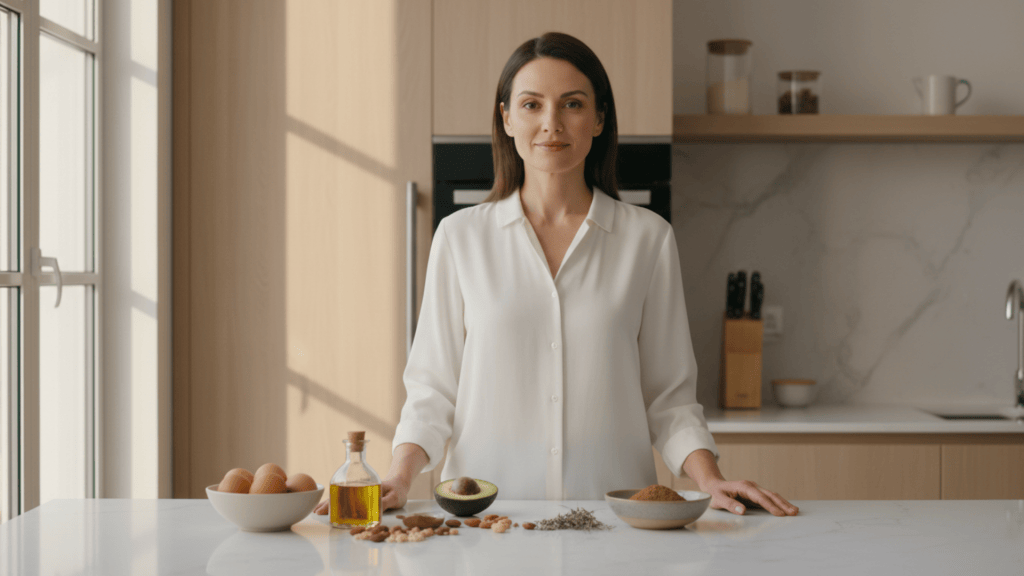
Reclaiming your hormonal health requires a multi-faceted approach. You cannot simply take a pill to fix a lifestyle problem, you must build a foundation of safety for your body. This includes prioritizing sleep, eating nutrient-dense fats (the building blocks of hormones), and utilizing adaptogenic herbs.
The Power of Adaptogens
Nature provides us with powerful tools called adaptogens – herbs that help the body resist biological stress. Two of the most renowned are Tongkat Ali and Ashwagandha. While both support the endocrine system, they function differently. For those looking to optimize specific pathways, comparing Tongkat Ali vs. Ashwagandha can help you choose the right botanical ally for your specific needs, whether it is reducing cortisol or boosting testosterone.
Targeted Nutritional Support

Sometimes, diet and lifestyle changes need a catalyst. High-quality, evidence-based supplementation can bridge the gap. For example, formulations like Stamina Capsules are designed to provide the specific nutrients required for hormone synthesis.
These natural interventions work by nourishing the adrenal glands and supporting the testes/ovaries directly. Knowing how Stamina supports energy and hormonal balance can offer insight into how combining ingredients like Panax Ginseng and Cordyceps can create a synergistic effect, restoring the body’s natural rhythm without the harsh side effects of synthetic hormone replacement therapy.
Fun Facts: Did You Know?
- The Hug Hormone: Oxytocin, known as the cuddle hormone can physically lower cortisol levels. A 20-second hug releases enough oxytocin to reduce blood pressure and heart rate.
- Tears of Stress: Emotional tears contain higher levels of protein-based hormones, including prolactin and adrenocorticotropic hormone (ACTH), than tears caused by eye irritation. Crying is literally your body flushing out stress chemicals.
- Cholesterol is Crucial: Despite its bad reputation, cholesterol is the primary raw material from which your body makes Vitamin D, testosterone, estrogen, and cortisol. A fat-free diet can actually starve your hormonal system.
- The Sunrise Signal: Viewing morning sunlight within 30 minutes of waking triggers a cortisol peak in the morning and sets a timer for melatonin release 12-14 hours later, proving light is a hormonal drug.
Frequently Asked Questions (FAQ)
While everybody is different, most people begin to feel a shift in energy and mood within 3 to 4 weeks of consistent lifestyle changes and adaptogen use. However, a full reset of the endocrine system typically takes about 3 months, as this matches the lifecycle of many cells and sperm production.
Yes. While moderate exercise reduces stress, excessive high-intensity training without adequate recovery can spike cortisol and lower testosterone. This is often seen in Overtraining Syndrome. Balance is key.
Yes, it is called andropause. Unlike the sudden drop in women, men experience a gradual decline in testosterone of about 1% per year after age 30. However, high stress can accelerate this decline significantly, causing symptoms to appear much earlier.
Most adaptogens like Ashwagandha and Rhodiola are considered safe for daily use for extended periods. However, traditional medicine often recommends cycling herbs (taking them for 6-8 weeks, then taking a 1-week break) to maintain their effectiveness.
References
American Psychological Association. (2023). Stress effects on the body. https://www.apa.org/topics/stress/body
Chandrasekhar, K., Kapoor, J., & Anishetty, S. (2012). A prospective, randomized double-blind, placebo-controlled study of safety and efficacy of a high-concentration full-spectrum extract of ashwagandha root in reducing stress and anxiety in adults. Indian Journal of Psychological Medicine, 34(3), 255–262. https://pubmed.ncbi.nlm.nih.gov/23439798/
Chrousos, G. P. (2009). Stress and disorders of the stress system. Nature Reviews Endocrinology, 5(7), 374–381. https://www.nature.com/articles/nrendo.2009.106
Leproult, R., & Van Cauter, E. (2011). Effect of 1 week of sleep restriction on testosterone levels in young healthy men. JAMA, 305(21), 2173–2174. https://jamanetwork.com/journals/jama/fullarticle/1029127
Lopresti, A. L., Smith, S. J., Malvi, H., & Kodgule, R. (2019). An investigation into the stress-relieving and pharmacological actions of an ashwagandha (Withania somnifera) extract: A randomized, double-blind, placebo-controlled study. Medicine, 98(37), e17186. https://pubmed.ncbi.nlm.nih.gov/31517876/
Talbott, S. M., Talbott, J. A., George, A., & Pugh, M. (2013). Effect of Tongkat Ali on stress hormones and psychological mood state in moderately stressed subjects. Journal of the International Society of Sports Nutrition, 10(1), 28. https://jissn.biomedcentral.com/articles/10.1186/1550-2783-10-28
Touitou, Y., Reinberg, A., & Touitou, D. (2017). Association between light at night, melatonin secretion, sleep deprivation, and the internal clock: Health impacts and mechanisms of circadian disruption. Life Sciences, 173, 94–106. https://pubmed.ncbi.nlm.nih.gov/28214594/