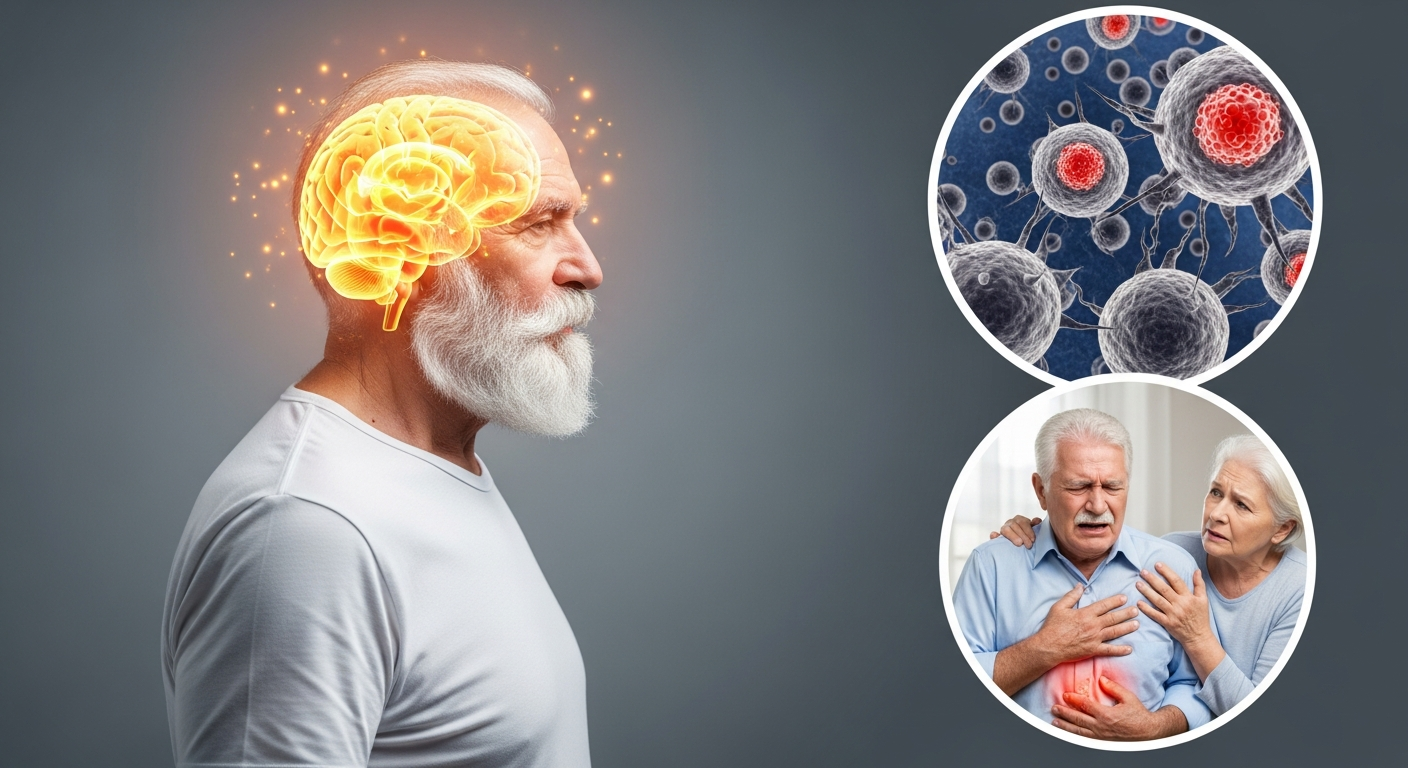
Inside every human cell lies a highly sophisticated energy-producing system, working continuously to sustain all vital functions. Alongside this energy-generation process, however, free radicals – highly reactive molecules-are inevitably formed. When their production exceeds the body’s natural antioxidant defenses, oxidative stress arises, leading to damage to cells and tissues. Today, oxidative stress is widely regarded as a fundamental biological mechanism contributing to the development of chronic conditions such as cardiovascular disease, metabolic disorders, neurodegenerative diseases, cancer, and accelerated aging.
In modern life, exposure to oxidative stress is greater than ever-stemming from environmental pollution, diets rich in processed foods, prolonged work pressure, insufficient sleep, and psychological stress. Recognizing these factors early and actively managing oxidative stress through a diet rich in antioxidants, healthy lifestyle habits, and mental balance can play a crucial role in protecting long-term health, improving quality of life, and supporting healthy, sustainable aging.
> Oxidative Stress: The Hidden Mechanism Behind Aging and Chronic Diseases
Understanding Oxidative Stress
Oxidative stress arises when the biological balance between free radicals and the antioxidant defense system is disrupted. Under these conditions, excessive accumulation of reactive oxygen species (ROS) can damage essential cellular components such as lipid membranes, functional proteins, and genetic material.

Modern scientific research indicates that prolonged oxidative stress is a central mechanism driving the aging process and increasing the risk of numerous chronic diseases, including cancer, cardiovascular disease, and neurodegenerative disorders, thereby significantly impacting human health and longevity (I Liguori, 2018).
How Oxidative Stress Develops in the Body
When the body’s antioxidant defenses are overwhelmed by excessive production of reactive oxygen species(ROS), oxidative injury begins to build up at the cellular level. These reactive molecules can damage key structural and functional components-including lipids, proteins, and DNA-leading to metabolic dysfunction and a faster decline in cellular integrity and function over time.

Key Biological Sources of Oxidative Stress
Mitochondrial respiration: During energy production, mitochondria continuously generate reactive oxygen species as natural byproducts. When energy demand increases or mitochondrial function becomes impaired, ROS levels rise beyond the capacity of the antioxidant defense system.
Inflammation and immune response: Immune cells, including neutrophils and macrophages, use ROS as a tool to eliminate invading pathogens. However, when inflammatory responses are excessive or prolonged, ROS can damage surrounding healthy tissues.
Environmental factors: Frequent exposure to air pollution, ionizing radiation, cigarette smoke, and toxic chemicals from food or occupational environments can trigger uncontrolled oxidative reactions in the body.
Biological consequences: Prolonged accumulation of ROS damages critical cellular structures such as cell membranes, proteins, and DNA. This process sustains chronic inflammation, accelerates cellular aging, and contributes to the development and progression of chronic diseases, including cardiovascular disorders, neurodegenerative diseases, and cancer.
Learn about Hydroxytyrosol, a powerful antioxidant and its amazing health benefit.
Primary Causes and Risk Factors
Oxidative stress develops when multiple internal and external influences interfere with the body’s ability to maintain a balance between free radical generation and antioxidant protection. A range of environmental exposures, lifestyle behaviors, biological processes, and physical stressors can collectively overwhelm antioxidant defenses, leading to excessive accumulation of reactive oxygen species and subsequent cellular damage.

Environmental factors: Frequent exposure to air pollution, industrial emissions, radiation, heavy metals, and agricultural chemicals can stimulate the overproduction of reactive oxygen species, disrupting oxidative balance in the body.
Lifestyle and daily habits: Smoking, alcohol consumption, diets low in antioxidants, along with chronic sleep deprivation and prolonged stress, weaken the body’s natural antioxidant defense system.
Intrinsic biological processes: Aging, chronic inflammation, and mitochondrial dysfunction are key biological factors that drive continuous ROS production and progressive cellular damage over time.
Physical stress: High-intensity or prolonged physical activity without adequate rest and recovery can overload antioxidant systems, leading to fatigue, inflammation, and oxidative injury.
A study published in Nutrients (2019) reported that individuals following high-fat diets combined with sedentary lifestyles tend to exhibit significantly increased markers of oxidative stress. These findings highlight the critical role of balanced nutrition, regular physical activity, and adequate restorative sleep in maintaining the body’s redox balance.
Be careful with sugary beverage, read more The Harmful Effects of Sugary Drinks on Blood Sugar
Diseases Associated with Oxidative Stress
Persistent oxidative stress is regarded as a central mechanism linking cellular damage to chronic disease. When reactive oxygen species continuously attack membrane lipids, functional proteins, and genetic material, cellular signaling pathways and DNA repair systems become disrupted.

This imbalance weakens the cell’s ability to protect itself, creating conditions that promote chronic inflammation, premature aging, and the initiation and progression of a wide range of chronic disorders:
- Cardiovascular diseases: Oxidative stress increases endothelial dysfunction and vascular inflammation, promoting the development of atherosclerosis, hypertension, and progressive impairment of cardiac function.
- Neurodegenerative diseases: Prolonged oxidative damage to neurons disrupts neurotransmission and contributes to the progression of conditions such as Alzheimer’s and Parkinson’s disease, accompanied by cognitive and motor decline.
- Cancer: Accumulation of reactive oxygen species can induce DNA mutations, destabilize the genome, and interfere with normal cell cycle control, thereby facilitating tumor initiation and growth.
- Type 2 diabetes mellitus: Oxidative stress negatively affects insulin signaling and pancreatic β-cell function, exacerbating insulin resistance and impaired glucose regulation.
- Chronic kidney disease and liver disorders: Long-term oxidative and inflammatory injury compromises microcirculation and tissue structure, leading to gradual loss of kidney and liver function.
- Premature skin aging: Free radicals, particularly those generated by UV exposure, degrade collagen and elastin, reducing skin elasticity and accelerating the appearance of wrinkles and other visible signs of aging.
According to reports from the World Health Organization (WHO), oxidative stress is regarded as a fundamental biological factor contributing to the development and progression of noncommunicable diseases, which account for the majority of global mortality. This mechanism is closely linked to cellular damage, metabolic dysfunction, and chronic inflammation, thereby increasing the risk of cardiovascular disease, cancer, diabetes, and other long-term health disorders worldwide.
Explore Alzheimer’s disease and discover how Naturem™ Memory+ helps nourish, protect, and support brain health in a natural and sustainable way.
Strategies to Prevent and Control Oxidative Stress

Follow a Diet Rich in Antioxidants
Eating a variety of foods high in antioxidants supports the body’s ability to neutralize reactive oxygen species (ROS) and repair cellular damage caused by oxidative stress. Key nutrients and sources to include are:
- Vitamin C: Helps neutralize free radicals in the cell’s aqueous environment, while also supporting collagen synthesis and enhancing immune function. Rich sources include citrus fruits, kiwi, strawberries, and fresh vegetables.
- Vitamin E: A fat-soluble antioxidant that protects cell membranes from oxidative damage. It is commonly found in nuts, seeds, vegetable oils, and avocados.
- Polyphenols and flavonoids: These plant compounds have strong antioxidant properties, helping reduce inflammation and protect cells from chronic damage. They are abundant in green tea, berries, grapes, cacao, and dark leafy vegetables.
- Selenium and Zinc: Essential trace minerals involved in the activity of endogenous antioxidant enzymes, helping maintain redox balance. Good sources include seafood, whole grains, legumes, and seeds.
In summary, maintaining a diverse diet rich in colorful fruits and vegetables, nuts, and whole grains is considered a natural, safe, and long-term approach to managing oxidative stress. Numerous studies, including reports from the NIH, have shown that adequate antioxidant intake helps reduce the risk of chronic diseases and slow down cellular aging.
Read more: The top 10 diets from the 2025 US News and World Report rankings
Minimize Exposure to Toxins and Harmful Habits
Limit exposure to factors that cause oxidative stress from the environment and personal habits:
- Quit smoking and reduce alcohol consumption to lower the oxidative burden on the body.
- Avoid or minimize contact with polluted air, harmful chemicals, pesticides, and heavy metals.
Adopt a diet rich in colorful fruits, vegetables, and whole grains, full of natural antioxidants, to neutralize free radicals, protect cells, and support long-term health.
Daily Lifestyle Improvements for Better Health
Maintaining a balanced lifestyle is a key factor in reducing oxidative stress and enhancing cellular resilience, including the following habits:
- Getting 7–8 hours of sleep each night allows the body to perform cellular repair and detoxification processes (AR Eugene, 2015).
- Engaging in regular physical activity – moderate exercise helps boost the production of antioxidant enzymes and improves metabolic function.
- Managing mental stress through meditation, deep breathing, or other relaxation techniques helps reduce ROS generated by stress.
Combining adequate sleep, regular exercise, and stress management strengthens the body’s natural antioxidant defense system, demonstrating that healthy daily habits are just as important as nutrition in protecting cells from oxidative damage.
Naturem™ Memory+ Supports Brain Health
Every thought, memory, and emotion depends on the brain’s ability to resist oxidative damage. When reactive oxygen species (ROS) exceed the brain’s defenses, neurons begin to lose their integrity, leading to declines in memory, focus, and long-term cognitive function.

Naturem™ Memory+ is a science-based herbal supplement designed to prevent oxidative stress at its source. The product combines clinically proven natural antioxidants with neuroprotective herbs to enhance brain circulation, protect neurons, and maintain mental clarity at every stage of life. Facing constant oxidative challenges from polluted environments, insufficient sleep, and chronic stress, the brain needs support.
Naturem™ Memory+ works in harmony with the body’s natural defense systems, providing daily protection against neuroinflammation and cellular damage, helping the brain stay healthy and function at its best.
Frequently Asked Questions (FAQs)
Common symptoms include fatigue, memory decline, muscle or joint pain, premature skin aging, and greater vulnerability to infections. Clinically, doctors may confirm oxidative stress through biomarkers such as malondialdehyde (MDA), glutathione (GSH), and 8-oxo-deoxyguanosine (8-oxo-dG), which reflect oxidative damage and antioxidant status (G Pizzino, 2017).
Yes. With balanced nutrition, regular aerobic exercise, and effective stress management, oxidative balance can be restored. Clinical studies published by the NIH show that consistent physical activity significantly reduces oxidative markers and enhances the body’s natural antioxidant defense systems (C Simioni, 2018).
In moderate doses, most antioxidant supplements are safe and beneficial. However, excessive intake may have the opposite effect-a phenomenon known as the “antioxidant paradox.” Always consult a qualified healthcare professional before starting supplementation to determine the right dosage and avoid interference with prescribed medications (NIH).
Oxidative stress is assessed by analyzing specific biomarkers that reflect both oxidative damage and antioxidant defense. Common tests include MDA, superoxide dismutase (SOD), and GSH levels. Research highlights these biomarkers as key indicators for evaluating the body’s redox balance (Antioxidants (Basel). 2021).