Longevity is truly meaningful only when accompanied by good health, and the foundation of sustainable well-being lies in an efficiently functioning cardiovascular system. According to the World Health Organization (WHO), approximately 17.9 million people die from cardiovascular diseases each year, accounting for 32% of global deaths – a figure that underscores the severity of this group of conditions (WHO, 2021).
In the quest for natural solutions to protect the heart and promote longevity, traditional medicine has long focused on valuable herbs. Ginseng stands out as a “qi-replenishing, life-restoring” remedy, regarded as a symbol of vitality – much like the potent antioxidant compound Hydroxytyrosol.
Today, modern science is validating the insights observed by ancient practitioners. Research is beginning to clarify how ginseng supports cardiovascular health, enhances quality of life, and contributes to longevity. This article explores the biological effects of ginseng on heart health, its benefits for lifespan, and practical ways to incorporate it safely into daily life.
Ginseng in Traditional Medicine and Holistic Health
For centuries, ginseng has been regarded as one of the most valuable medicinal plants in Asia. In traditional medicine, it is classified as a “superior herb,” known for its ability to restore balance, enhance vital energy (qi), and nourish essential organs, particularly the heart. Its human-shaped root symbolizes life force itself, which is why ginseng has long been used in formulas aimed at improving vitality, resilience, and blood circulation.

Traditionally, ginseng has been used to:
- Strengthen heart and lung function – Modern research shows that ginseng can enhance cardiovascular endurance and endothelial function (H Xu, 2025).
- Support healthy blood circulation – Ginsenosides in ginseng promote vasodilation and improve blood flow by increasing nitric oxide production. ( nitric oxide production (CH Lee, 2014).
- Reduce fatigue and restore energy – Clinical trials indicate that ginseng helps alleviate both physical and mental fatigue, especially in individuals with chronic illnesses or recovering from serious conditions. (Nutrition and Cancer, 2020).
- Aid recovery from stress or illness – As an adaptogen, ginseng helps regulate physiological responses to stress, promoting faster recovery and improving the body’s resilience. (S Lee, 2017).
The traditional use of ginseng has paved the way for modern scientific studies, highlighting its potential to reduce oxidative stress, improve lipid metabolism, and support comprehensive cardiovascular health. (Wang et al., 2012).
Modern Biological Mechanisms of Ginseng
In recent decades, scientific studies have clarified how ginseng provides cardiovascular protection. Its key benefits stem from ginsenosides – bioactive compounds that influence blood pressure, vascular resilience, oxidative stress, and lipid balance.

Blood Pressure Support
Low doses of ginseng can stimulate vasodilation by increasing nitric oxide (NO) production, helping relax blood vessels and maintain stable blood pressure.
Vascular Protection
Ginsenosides improve endothelial function, reduce arterial stiffness, and limit the progression of atherosclerosis. These effects help maintain healthy arteries and lower the risk of cardiovascular blockages. (Q Xue, 2020)
Antioxidant and Anti-Inflammatory Effects
Ginseng acts as a potent antioxidant, reducing free radical damage and regulating inflammatory pathways, thereby slowing cardiovascular aging. (J Su, 2023).
Lipid and Cholesterol Regulation
Studies in both humans and animals show that ginseng helps balance lipid metabolism, lowering LDL cholesterol and improving the HDL-to-LDL ratio (T Aminifard, 2021), which supports long-term cardiovascular health.
Read more about: How to Lower Cholesterol Naturally Without Medication
Ginseng plays a comprehensive role in supporting cardiovascular health. It helps maintain stable blood pressure, protects blood vessel walls from damage, combats oxidative stress, and regulates fat metabolism. As a result, ginseng has the potential not only for prevention but also for supporting the treatment of cardiovascular issues in modern medicine.
Incorporating Ginseng Into Daily Life
Today, ginseng is no longer just a traditional remedy but has become a part of modern health routines. Available in forms such as tea, powder, capsules, and standardized extracts, ginseng provides convenient ways to harness its benefits for cardiovascular health and overall well-being.

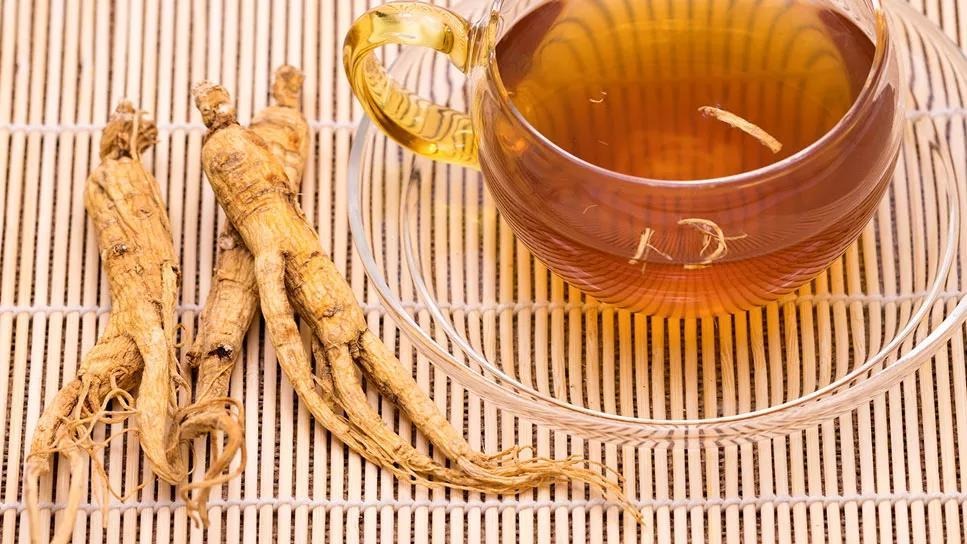
- Ginseng Tea: Regularly drinking ginseng tea helps naturally improve blood circulation and maintain energy levels.
- Supplements: Standardized extracts deliver consistent ginsenoside content, ensuring clear benefits for cardiovascular health and metabolism.
- Functional Foods: Ginseng is now included in specialized foods and beverages that support heart health and anti-aging, combining traditional knowledge with modern nutritional science.
When used alongside a balanced diet and regular exercise, ginseng is more than just a supplement; it plays a role in a comprehensive strategy to enhance cardiovascular health, boost vitality, and support longevity.
Precautions for Using Ginseng
Ginseng is generally safe when used at moderate doses, but caution is needed for individuals with cardiovascular issues.

- Dosage: Standardized extracts of 200-400 mg/day are usually well tolerated. High doses may cause high blood pressure, rapid heartbeat, or insomnia, sometimes referred to as “ginseng abuse syndrome.” (Lee et al., 2012).
- Drug interactions: Ginseng can reduce the effectiveness of warfarin, alter the effects of antihypertensive medications, or lower blood sugar, which may complicate diabetes management. (LW Qi, 2011).
- Duration of use: Most studies focus on short-term use (up to 12 weeks). For long-term use, periodic breaks are recommended to ensure safety. (NIH).
- Special populations: Pregnant and breastfeeding women, as well as children, should avoid ginseng due to limited safety data. It is also advised to stop taking ginseng at least two weeks before surgery to minimize the risk of clotting or blood sugar issues.
For healthy adults, ginseng is safe when used at recommended doses. Individuals with heart disease, high blood pressure, or taking blood-thinning medications should consult a physician before using ginseng regularly.
Conclusion
Ginseng represents the intersection of traditional medicine and modern science. Once regarded as the “root of life,” it is now recognized for its cardiovascular benefits, including blood pressure regulation, vascular protection, antioxidant activity, and cholesterol management. Incorporating ginseng into a lifestyle that includes a balanced diet, regular exercise, and stress management provides a comprehensive strategy to protect the heart and support longevity.
Longevity is not just about adding years to life, but about enhancing the quality of those years, and ginseng serves as a natural ally in achieving this balance.
Naturem™ Glucose Guard: Your Natural Support for Blood Sugar and Heart Health
Naturem™ Glucose Guard capsules are specially formulated to help maintain stable blood sugar and cholesterol levels, making them an ideal choice for individuals managing pre-diabetes or type II diabetes. The supplement helps reduce sugar absorption, control cravings, and sustain energy throughout the day.

In addition to regulating blood sugar, Naturem™ Glucose Guard supports heart health by lowering bad cholesterol (triglycerides, LDL)and increasing good cholesterol (HDL), helping maintain a balanced lipid profile. Its stress-reducing properties also contribute to overall well-being, as stress can negatively affect glucose metabolism.
With natural ingredients such Ginseng extract, Gymnema Sylvestre, Cinnamon Bark, and Hydroxytyrosol, Naturem™ Glucose Guard offers a comprehensive solution for supporting metabolic and cardiovascular health.
Free from artificial additives or harmful chemicals, Naturem™ Glucose Guard is a safe and natural choice for managing blood sugar fluctuations and supporting heart health. Whether your goal is to maintain stable energy, improve metabolic function, or enhance long-term wellness, Naturem™ Glucose Guard provides an effective, natural, and comprehensive solution for your body.
Frequently Asked Questions (FAQs)
Ginseng is one of the most well-known adaptogens, which are herbs that help the body respond to stress. However, other adaptogens like Rhodiola Rosea, Ashwagandha, and Holy Basil also support cardiovascular health by reducing stress, lowering cortisol levels, and promoting overall vitality.
While ginseng specifically benefits cardiovascular circulation and blood pressure, other adaptogens may target mental well-being, energy levels, and endocrine balance (M. Amir, 2023).
Ginseng’s adaptogenic properties are not only beneficial for the heart but also support cognitive function. It helps improve focus, memory, and mental clarity.
Studies suggest that ginseng can also reduce symptoms of depression and anxiety by balancing neurotransmitters. Thus, ginseng plays a dual role by supporting both physical and mental health, which is crucial for overall longevity (F. Zhao, 2023).
Yes. Ginseng has shown promise in preventing age-related diseases, especially through its antioxidant properties. By reducing oxidative stress and inflammation, ginseng helps protect cells from damage that leads to diseases like Alzheimer’s, Parkinson’s, and cardiovascular conditions.
It also supports the immune system, further promoting healthy aging (Z. Wang, 2023).
Ginseng’s anti-aging effects are attributed to its ability to reduce oxidative stress and inflammation, key factors in cellular aging. Studies have shown that ginseng helps maintain youthful energy levels, skin elasticity, and immune function, thereby contributing to a more vibrant, long life.
Regular consumption may also improve telomere length, which is associated with extended cellular lifespan (H. Iqbal, 2025).
To preserve ginseng’s potency, it should be stored in a cool, dry place away from direct sunlight. For powdered ginseng or extracts, keeping them in an airtight container will help prevent moisture and air from degrading the active compounds.
Capsules or tablets should also be kept in their original packaging to maintain efficacy.