
Kidney failure is a common condition that affects millions of people worldwide and can occur at any age. The kidneys play a crucial role in the body by eliminating toxins, maintaining electrolyte balance, stabilizing blood pressure, and producing several vital hormones essential for life functions.
When the kidneys begin to lose function, harmful waste products remain in the bloodstream, leading to a series of disorders that affect multiple organs. Chronic kidney disease (CKD) is now considered a global health burden, associated with millions of premature deaths each year.
> Kidney Failure Disease: A Comprehensive Guide
An Overview of Kidney Failure
Kidney failure is a term that describes conditions that impair the structure or function of the kidneys. It may present as Acute Kidney Injury (AKI) – a sudden decline in kidney function that is often reversible with timely treatment; or Chronic Kidney Disease (CKD) – long-term kidney damage lasting more than three months and gradually worsening over time.
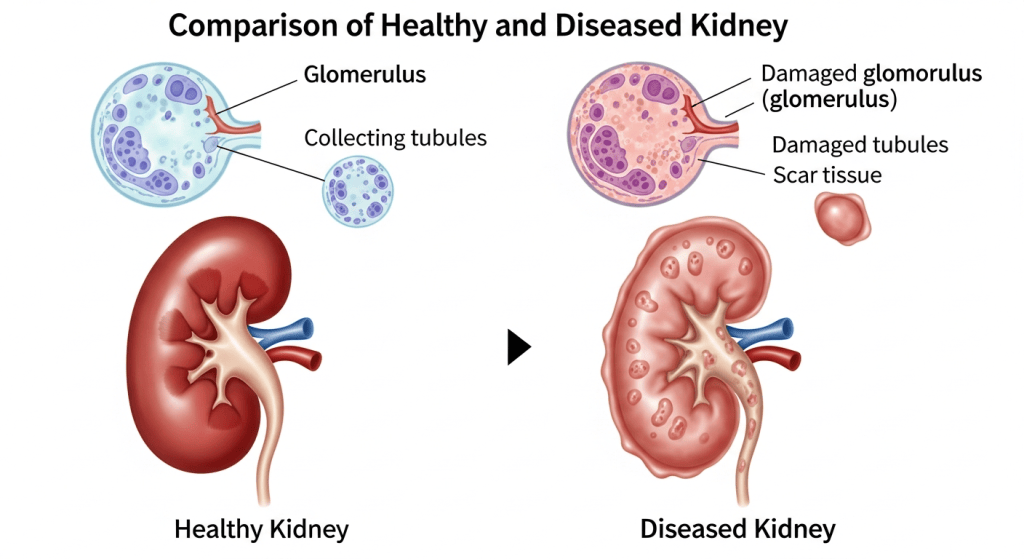
Other types include genetic (e.g., Polycystic Kidney Disease (PKD)), autoimmune (e.g., lupus nephritis), or drug-induced kidney damage.
Essential Kidney Functions
When functioning properly, the kidneys carry out several essential tasks for the body:
- Filtering and detoxification: Removing waste products and excess water through urine.
- Blood pressure control: Regulating blood pressure via the renin-angiotensin-aldosterone system.
- Maintaining acid-base balance: Keeping the blood’s pH within a healthy physiological range.

Electrolyte management and hormone production: The kidneys regulate levels of sodium, potassium, calcium, and phosphorus in the body, while also promoting red blood cell formation through the hormone erythropoietin and converting vitamin D into its active form. When these functions decline, multiple organ systems are impacted, underscoring the importance of regular kidney health check-ups and early detection of abnormalities.
Major Causes and Risk Factors
Kidney failure often progresses quietly and may not show symptoms until it becomes advanced, yet the underlying causes and contributing factors are well established:
The primary causes include:
- Diabetes: The most frequent cause of chronic kidney damage.
- High blood pressure: Gradually injures the blood vessels that supply the kidneys.
- Immune system disorders: Such as lupus-related kidney inflammation.
- Genetic conditions: For example, Polycystic Kidney Disease (PKD), characterized by fluid-filled cysts in the kidneys.
- Glomerulonephritis: An inflammatory condition that impairs the kidney’s filtering ability.
Other contributing risk factors
- Prolonged use of NSAIDs or medications that can harm the kidneys.
- Smoking, excess body weight, natural aging, and having a family history of kidney disease.
- Recurrent urinary tract infections or a history of kidney stones.
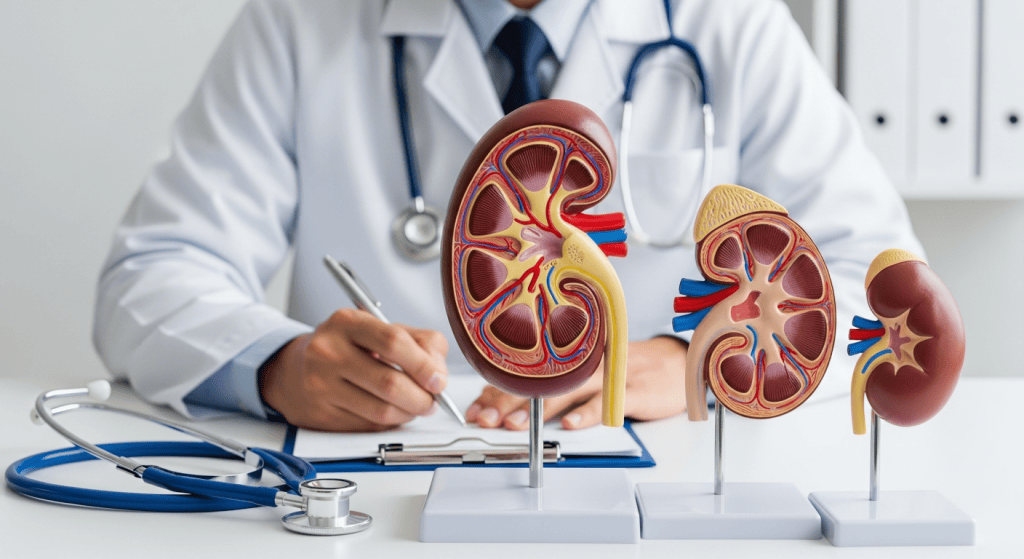
According to the National Kidney Foundation (NKF), these factors are critical to identify early so that timely prevention and intervention measures can be implemented.
Did you know that elevated blood glucose levels and diabetes are among the primary causes of glomerular damage, leading to protein leakage in the urine? Discover how the ingredients in Naturem™ Glucose Guard work to help stabilize blood sugar effectively.
Clinical Signs and Symptoms
Kidney disease often progresses quietly, so many people remain unaware until kidney function has significantly declined. As the condition worsens, several symptoms may begin to appear, such as:
- Swelling in the legs, feet, ankles, or around the eyes (edema).
- Feeling drained, low energy, or having trouble concentrating on daily tasks.
- Noticeable changes in urination patterns, including very little or excessive urination.
- Foamy or bubbly urine – a sign of protein leakage.
- Elevated blood pressure or hypertension that becomes difficult to manage.
- Poor appetite, nausea, vomiting, or nighttime muscle cramps.
- Shortness of breath due to fluid accumulation in the lungs.
If you notice any of these signs, seek prompt evaluation from a kidney specialist to ensure timely diagnosis and care.
Evaluation and Laboratory Tests
Early detection is essential for preserving kidney function. Healthcare providers rely on a combination of blood tests, urine tests, and imaging studies to assess how well the kidneys are working:
Key Laboratory Assessments
These include the urine albumin-to-creatinine ratio (ACR) for identifying early kidney injury, BUN to evaluate the buildup of waste products, and serum creatinine alongside eGFR to determine how efficiently the kidneys are filtering the blood.
Imaging
Ultrasound or CT imaging is used to evaluate kidney structure and detect cysts, scarring, or urinary obstructions.
Kidney Biopsy
A biopsy is recommended in suspected glomerular diseases or autoimmune-related renal disorders to achieve a definitive diagnosis.
KDIGO 2024 Recommendation
According to the KDIGO 2024 Clinical Practice Guideline, combining eGFR with ACR provides a more accurate approach to staging kidney disease and assessing progression risk.
Five Stages of Kidney Function Decline
According to KDIGO:
| Stage | eGFR (mL/min/1.73m²) | Description |
| G1 | ≥ 90 | Normal or high function with some damage |
| G2 | 60-89 | Mild decrease |
| G3a | 45-59 | Mild-moderate decrease |
| G3b | 30-44 | Moderate-severe decrease |
| G4 | 15-29 | Severe reduction |
| G5 | < 15 | Kidney failure (End-Stage Kidney Disease) |
The lower the eGFR, the more advanced the kidney impairment.

Management and Therapeutic Approaches
Treatment aims to delay kidney decline, minimize symptoms, and reduce the risk of serious complications.
Medical therapy
- Maintaining optimal blood pressure is essential; ACE inhibitors and ARBs are commonly used to lower proteinuria and preserve kidney function. New therapeutic options such as SGLT2 inhibitors offer kidney protection for both diabetic and non-diabetic individuals.
- Glycemic control: In patients with diabetes, the recommended target is HbA1c below 7%.
Anemia management: Includes erythropoiesis-stimulating agents and iron supplementation.

Renal Replacement Options
When kidney function drops to end-stage levels, renal replacement therapy becomes essential.
- Dialysis: Both hemodialysis and peritoneal dialysis help clear toxins, balance electrolytes, and remove excess fluid when the kidneys can no longer perform these tasks.
- Kidney transplant: Transplantation generally provides superior long-term outcomes and improved daily functioning, though it requires lifelong immunosuppressive therapy to prevent organ rejection.
Healthy Diet and Lifestyle Habits
A kidney-supportive lifestyle plays a key role in slowing disease progression and protecting overall health. Mayo Clinic recommends the following evidence-based practices:
- Maintain adequate hydration unless your healthcare provider advises fluid restriction.
- Limit sodium intake to less than 2,000 mg per day to help control blood pressure.
- Consume protein in moderation and minimize red meat.
- Incorporate more plant-based protein sources.
- Monitor potassium and phosphorus levels, particularly in advanced stages of kidney disease.
- Stop smoking and reduce alcohol consumption.
- Keep a healthy body weight and engage in regular physical activity.
- Consult a renal dietitian to develop an individualized nutrition plan.

A variety of herbal remedies are traditionally used to support kidney wellness. One notable example is Radix Morindae, an herb valued for its ability to enhance renal function and promote overall vitality.
Kidney Disease Prevention and Early Diagnosis
Most kidney diseases can be prevented through early detection and proactive risk management:
- Perform simple annual tests such as eGFR and ACR.
- Avoid unnecessary use of NSAIDs or other nephrotoxic medications.
- Promptly treat urinary tract infections and kidney stones.
- Participate in community-based kidney screening programs.
- High-risk individuals-such as those with diabetes, hypertension, older adults, or a family history of kidney disease-should undergo regular screening.
The National Institute of Diabetes and Digestive and Kidney Diseases (NIDDK) offers free educational resources for both patients and healthcare professionals to support kidney health awareness and prevention.
Signs You Should Consult a Doctor
Seek immediate medical attention if you experience any of the following:
- Significantly reduced or absent urine output.
- Swelling in the legs, face, or abdomen.
- Shortness of breath or chest discomfort.
- Persistent nausea, vomiting, confusion, or extreme fatigue.
- Blood in the urine or foamy urine.
- Abnormal laboratory results, such as elevated creatinine, low eGFR, or positive albuminuria.
Early intervention can help prevent permanent kidney damage and improve outcomes.

Conclusion and Healthy Daily Habits
Kidney failure often progresses silently until the later stages, but early detection, lifestyle modifications, and proper medical management can prevent or delay its progression. Keep blood pressure and blood sugar within healthy ranges, avoid unnecessary medications, and schedule regular checkups.
Protecting your kidneys is an investment in long-term health; small, consistent actions today can help prevent serious complications tomorrow.
Naturem™ Glucose Guard – Supporting Blood Sugar Control and Kidney Wellness Naturally

Uncontrolled blood sugar can silently harm the kidneys, one of the most serious long-term complications of diabetes. Naturem™ Glucose Guard is specially formulated to help maintain stable glucose levels, enhance insulin sensitivity, and safeguard kidney function against oxidative and metabolic stress.
This formula harnesses a synergistic blend of Vietnamese and Asian medicinal herbs, including Gymnema sylvestre, Cinnamomum cassia, Poria cocos, and Atractylodes macrocephala, supporting the body’s natural glucose metabolism while promoting renal detoxification and overall kidney health.
Frequently Asked Questions (FAQs)
In some cases, yes, but it depends on the cause. If the decline in kidney function results from temporary or reversible factors such as dehydration, infection, medication side effects, or urinary obstruction, kidney function may recover once the underlying problem is corrected – KN Sejpal, 2024.
However, in chronic kidney disease (CKD), the damage to the nephrons (the filtering units) is usually permanent and progressive. While complete reversal isn’t possible, early diagnosis, proper medical management, and lifestyle changes can significantly slow or even halt further deterioration – HW Schnaper, 2013.
Regular monitoring, blood pressure control, a kidney-friendly diet, and avoiding nephrotoxic drugs, like NSAIDs, are key parts of preserving function.
Certain foods can overwork the kidneys or worsen waste buildup in the blood. If you have kidney issues or are at risk, it’s best to limit or avoid:
Processed and fast foods: High in sodium, preservatives, and trans fats.
Salty snacks and cured meats: Can raise blood pressure and fluid retention.
Red meat and organ meats: Contain high levels of protein and purines that increase uric acid load.
High-potassium fruits: Such as bananas, oranges, and avocados, can raise potassium to unsafe levels in CKD.
Phosphate-rich sodas and dairy: Can cause calcium-phosphate imbalance, leading to bone and heart problems.
Always work with a renal dietitian to personalize your eating plan, since nutrient restrictions depend on your kidney stage and lab results (NIH).
Generally, staying well-hydrated supports kidney health by promoting toxin filtration and preventing kidney stones. Adequate water intake helps the kidneys maintain balance between electrolytes and fluids.
However, more is not always better. People with advanced kidney disease, heart failure, or edema may actually need to restrict fluids to prevent overload. The optimal amount varies based on age, weight, activity, and kidney function.
A good guideline for healthy adults is to drink enough water so that your urine stays light yellow, not completely clear or dark – NKF.
Yes, some forms of kidney disease are inherited. The most common example is Polycystic Kidney Disease (PKD), caused by mutations in the PKD1 or PKD2 genes, leading to fluid-filled cysts in the kidneys.
Other hereditary conditions include Alport syndrome, Fabry disease, and some forms of nephrotic syndrome.
However, most kidney diseases are not genetic. They are linked to chronic conditions such as diabetes, hypertension, obesity, and autoimmune disorders, as well as certain medications and lifestyle factors, according to A Stavljenić-Rukavina, 2009.
Absolutely. Many people live long, healthy lives with a single kidney, whether from donation, surgery, or birth.
The remaining kidney usually grows larger and takes over most of the filtering work. To protect long-term function:
Maintain a balanced, low-sodium diet.
Stay hydrated, but avoid overhydration.
Exercise regularly and keep a healthy body weight.
Avoid nephrotoxic substances, such as certain painkillers and contrast dyes.
Have regular checkups for blood pressure, creatinine, and urine protein levels.
With good care, people with one kidney can enjoy a full, active life without major restrictions (MF Schreuder, 2018).