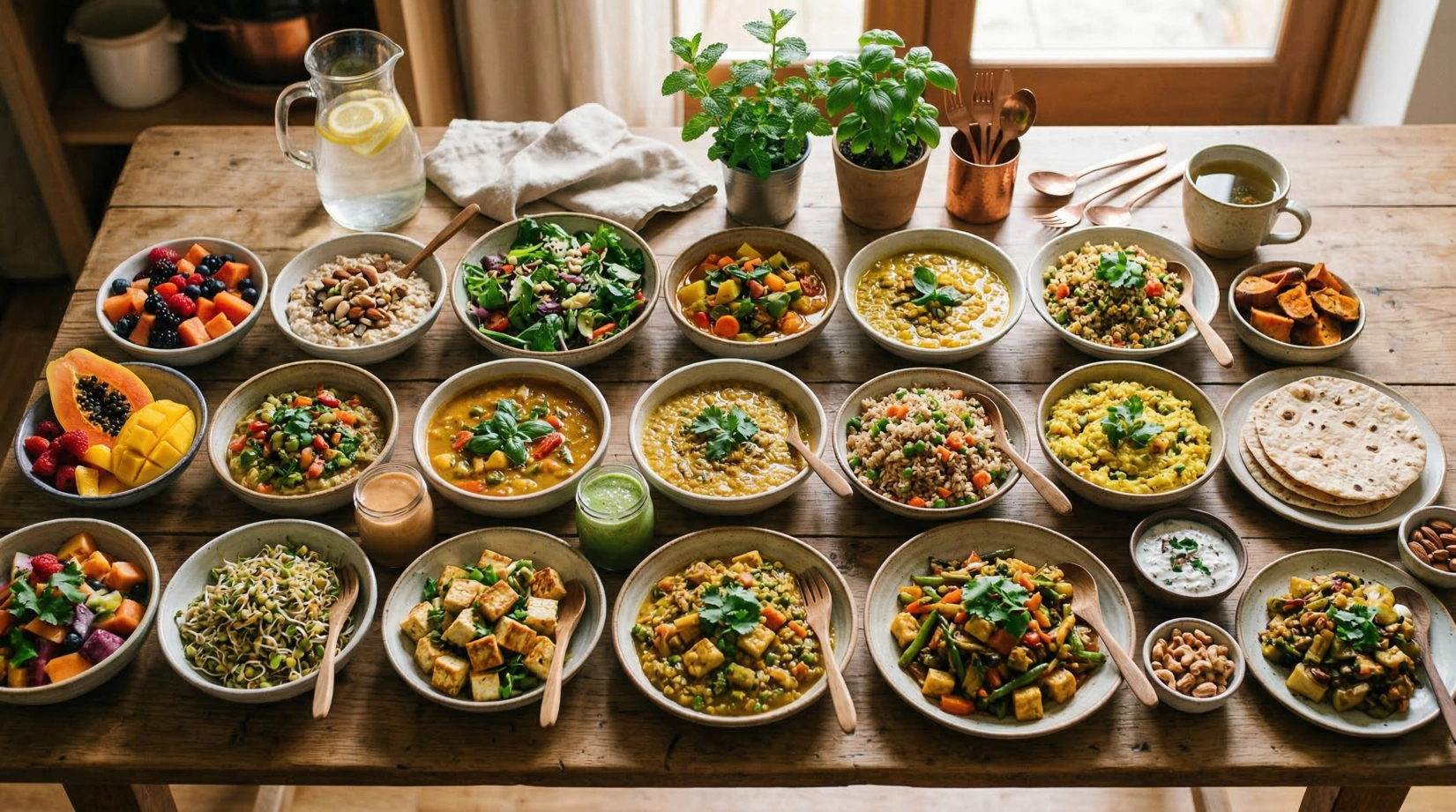
Welcome to a journey that transcends the typical “diet” mentality. As a physician who integrates the precision of modern clinical practice with the profound wisdom of traditional medicine, I have seen how the modern pace of life leads to a chronic stress silent health crisis. Many of my patients arrive at my clinic feeling stressed all the time, struggling with brain fog, fatigue, and digestive distress. The solution often lies not in a pill, but in the Sattvic diet, a lifestyle choice that prioritizes “pure” foods to harmonize the body and mind. By focusing on ingredients rich in “Prana” (life force), we can actively support our mental health and determine our longevity.
This 7-day meal plan is designed to be your beginner’s roadmap to high-vibrational living. It is not about deprivation; it is about choosing nutrient-dense, plant-forward foods that stabilize your blood sugar and soothe your nervous system. Science tells us that the gut-brain axis is the control center for our mood and immunity. By feeding your microbiome prebiotic fibers and antioxidants, you are creating the biological foundation for deep mindfulness-based stress reduction.
In this guide, we will walk through a full week of breakfasts, lunches, and dinners that are easy to prepare and medically optimized for vitality. Whether you are looking to clear brain fog, lose weight, or simply feel more at home in your body, this plan provides the structure you need. Let us begin the process of aligning your plate with your highest potential for health.
The Benefits of a 7-Day Sattvic Reset
Embarking on a 7-day Sattvic reset is a powerful way to interrupt the cycle of stress, cortisol, and aging. When we consume “Rajasic” stimulants like caffeine or “Tamasic” processed foods, we keep our bodies in a state of metabolic agitation. By shifting to Sattvic purity, we allow the body to enter a state of “Shuddhi” (cleansing). This transition helps to resolve hormonal depletion and imbalance by providing the magnesium, B-vitamins, and healthy fats necessary for adrenal recovery.
Restoring Your Digestive Fire (Agni)
The first change you will likely notice is a significant improvement in your digestion. Sattvic foods are bioavailable and easy to assimilate, which takes the burden off your pancreas and liver. This efficiency allows the body to focus on cellular repair and autophagy, rather than struggling to break down heavy proteins. For those managing glucose levels, incorporating Plumula nelumbinis for blood sugar and stress can provide additional metabolic support during this reset.
Enhancing Mental Clarity and Focus
A “pure” diet is the ultimate fuel for the brain. By removing neuro-excitants and inflammatory oils, you facilitate a cleaner gut-brain connection. This leads to a reduction in “brain fog” and an increase in cognitive sharpness. Many practitioners find that their sessions of mindfulness-based cognitive therapy become much more productive when the body is not fighting systemic inflammation. To further boost this effect, Polygala tenuifolia for mental clarity is a wonderful addition to your daily routine.
Summary: A week of Sattvic eating serves as a biological “reset button” for your entire system. By lowering the toxic load and increasing nutrient density, you create the space required for profound physical and mental renewal.
Day 1: Grounding and Foundation
The goal of Day 1 is to ground your energy and stabilize your blood glucose levels. We start with warm, cooked foods that are easy on the stomach, helping to settle any digestive agitation from a previous high-stress diet. This is a day for simplicity and mindfulness-based stress reduction.
- Breakfast: Warm Steel-Cut Oats topped with sliced almonds, a dash of cinnamon, and a few fresh berries.
- Lunch: Mung Dal Kitchari – a traditional Ayurvedic “comfort food” made with split mung beans, basmati rice, and digestive spices like cumin and ginger.
- Dinner: Zucchini Noodles with Sunflower Seed Pesto. The healthy fats from the seeds support brain health and neuroprotection.
- Mindfulness Activity: Practice 5-minute mental health exercises for stress relief before your evening meal to center your focus.
By the end of Day 1, your body should begin to feel lighter yet more stable. Choosing warm, cooked meals ensures that your “Agni” (digestive fire) is supported without being overwhelmed, setting the stage for the rest of the week.
Day 2: Vitality and Pranic Energy
On Day 2, we focus on “Pranic” foods that are “alive” with enzymes. This helps to combat the silent crisis of chronic stress by flooding the body with antioxidants. We also introduce adaptogenic support with Panax ginseng for stress and energy to help your body adapt to the new dietary rhythms.
- Breakfast: Stewed Apples and Pears with a touch of cardamom. Stewing the fruit makes the fiber and nutrients more bioavailable for morning digestion.
- Lunch: Quinoa and Roasted Root Vegetable Bowl. Sweet potatoes and carrots provide beta-carotene and grounding energy.
- Dinner: Coconut Lentil Soup. The medium-chain triglycerides in coconut milk provide efficient metabolic fuel and support satiety.
- Wellness Tip: If you find yourself feeling stressed all the time, take a 10-minute walk in nature to further boost your Pranic intake.
Day 2 focuses on re-energizing your cells through vibrant, colorful plants. By providing your body with steady, slow-release carbohydrates, you avoid the energy crashes that often trigger cravings for Rajasic stimulants like caffeine.
Day 3: Cognitive Clarity and Focus
Day 3 targets the “gut-brain connection” to clear away mental fog. We prioritize healthy fats and “brain-boosting” herbs that are known to support mental health and longevity. Integrating Naturem memory stress relief can be particularly helpful today as your body continues to detoxify.
- Breakfast: Chia Seed Pudding made with coconut milk and topped with raw walnuts. Walnuts are rich in omega-3 fatty acids for cognitive support.
- Lunch: A large Spinach and Arugula Salad with chickpeas, cucumber, and a lemon-tahini dressing. Leafy greens are essential for folate and Vitamin K.
- Dinner: Steamed Asparagus and Basmati Rice with a drizzle of Ghee. Ghee is a “sacred lubricant” that helps transport nutrients deep into the tissues.
- Mental Focus: Spend 10 minutes on 15 mental health exercises you can start today to enhance your concentration.
By prioritizing neuro-protective fats, Day 3 helps to calm the nervous system and enhance the communication between your brain cells. This is often the day when practitioners report a “lifting of the veil” and a newfound sense of mental stillness.
Day 4: Deep Cellular Cleansing
At the midpoint of the week, we focus on “Shuddhi,” or deep detoxification. We use alkalizing vegetables and high-fiber legumes to help the liver and kidneys flush out any remaining metabolic waste. This is a critical step in reversing the biological effects of stress, cortisol, and aging.
- Breakfast: Green Smoothie with kale, banana, ginger, and a scoop of hemp seeds for complete plant protein.
- Lunch: Adzuki Bean Stew with steamed kale. Adzuki beans are traditionally used for kidney and lymphatic support.
- Dinner: Roasted Cauliflower Steaks with cumin and turmeric. Turmeric contains curcumin, a powerful anti-inflammatory compound.
- Supportive Herb: Consider sipping on Polygala tenuifolia tea in the afternoon to keep your emotional state balanced.
Day 4 is about removing the obstacles to your body’s natural healing. By focusing on light, anti-inflammatory foods, you provide your organs with the space they need to perform their primary detoxifying functions efficiently.
Day 5: Rebuilding Stamina and Resilience
On Day 5, we shift from cleansing to “Rasayana,” or rejuvenation. We want to rebuild the body’s hormonal capacity and stamina using nutrient-dense staples. This is a great day to practice mindfulness-based cognitive therapy techniques to cement your new healthy habits.
- Breakfast: Amaranth Porridge with dates and chopped pistachios. Amaranth is an ancient grain rich in lysine and magnesium.
- Lunch: Sprouted Mung Bean Salad with bell peppers, carrots, and a lime-cumin vinaigrette. Sprouts are the ultimate source of life-force energy.
- Dinner: Baked Tofu or Paneer with sautéed zucchini and bok choy. High-quality protein is essential for muscle and tissue repair.
- Energy Boost: Use Panax ginseng to help maintain your focus throughout the workday.
Day 5 is about fortifying your system for the long term. By providing a rich spectrum of minerals and essential amino acids, you ensure that your body has the raw materials needed to maintain high energy levels without relying on artificial stimulants.
Day 6: Emotional Balance and Serenity
The penultimate day focuses on foods that support “Sattva” in the mind – peace and harmony. We avoid anything that might cause agitation or irritability. This day is perfect for deeper sessions of mindfulness-based stress reduction.
- Breakfast: Buckwheat Pancakes served with fresh papaya. Papaya contains papain, an enzyme that aids in the breakdown of proteins.
- Lunch: Barley and Vegetable Medley. Barley is a cooling grain that helps to soothe the internal heat of the body.
- Dinner: Sweet Potato and Chickpea Curry with brown rice. Chickpeas provide tryptophan, a precursor to the “feel-good” neurotransmitter serotonin.
- Calming Ritual: Try a 5-minute mental health exercise before bed to ensure a restful night’s sleep.
Day 6 aims to create a state of profound emotional stability. By choosing foods that are both nourishing and easy to digest, you foster an internal environment where the mind can naturally settle into its true state of calm.
Day 7: Integration and Sustained Longevity
On the final day of the reset, we integrate everything we have learned. The focus is on creating a “new normal” that supports mental health as a door to longevity. Today is about celebrating your progress and planning how to carry these Sattvic principles into your everyday life to prevent future hormonal depletion.
- Breakfast: A large fruit platter with mango, pomegranate seeds, and fresh coconut. These provide a wide range of polyphenols and phytonutrients.
- Lunch: Revisit your favorite meal from the week (most choose the Mung Dal Kitchari). Consistency in gut health is the key to long-term success.
- Dinner: A “Gratitude Bowl” with quinoa, steamed broccoli, roasted squash, and a drizzle of flaxseed oil.
- Reflection: Review the list of 15 mental health exercises and select three to keep as permanent parts of your daily routine.
The final day of the meal plan is about transition. By successfully completing this week, you have proven to your body and mind that you are capable of choosing purity and health over convenience and stimulation.
The Medical Science of Sattvic Nutrition: Why It Works
From a clinical perspective, the 7-Day Sattvic Meal Plan works because it aligns with our biological circadian rhythms and metabolic needs. By removing the “noise” of processed ingredients, we allow the body to redirect its energy toward cellular maintenance and hormonal balance. This dietary approach is one of the most effective ways to combat the impact of high cortisol and chronic inflammation.
Combatting Oxidative Stress and Aging
The high concentration of plant-based antioxidants in a Sattvic diet neutralizes free radicals that contribute to stress, cortisol, and aging. By protecting your DNA from oxidative damage, you are essentially slowing down the biological clock. This systemic protection is enhanced by supplements like Naturem memory, which provide targeted support for the aging brain.
Stabilizing the Endocrine System
The combination of complex grains and high-quality fats helps to resolve hormonal depletion and imbalance. When the endocrine system is stable, we experience fewer mood swings, better sleep, and more consistent energy levels. Using Plumula nelumbinis is a scientifically sound way to ensure that blood sugar fluctuations do not trigger secondary cortisol spikes.
Summary: The Sattvic diet is a sophisticated form of biohacking. By following the laws of purity and nature, you provide your body with the optimal conditions for long-term health, mental clarity, and physiological resilience.
Frequently Asked Questions (FAQ)
It is perfectly fine to have a small, Sattvic snack. Good options include a handful of soaked almonds, a fresh piece of fruit, or a small cup of herbal tea. Snacking mindfully ensures that you do not fall into the trap of feeling stressed all the time due to hunger.
Ideally, you should avoid coffee and caffeinated tea as they are considered “Rajasic” (over-stimulating). If you need an energy boost, try Panax ginseng or warm lemon water. This transition is essential for clearing the silent crisis of chronic stress.
Sattvic tradition suggests eating food within 3-4 hours of cooking to maximize its “Prana.” However, for a modern lifestyle, it is better to eat a home-cooked meal that has been gently reheated than to opt for processed convenience foods. If you must prep ahead, focus on keeping your ingredients fresh and minimally processed.
Choose the “purest” option available – usually a salad or a vegetable-based side dish. The goal of this week is mindfulness-based stress reduction, so do not let social pressure cause you stress. Simply do your best and return to the plan at your next meal.
References
- Chauhan, A., & Chauhan, V. (2020). Ayurvedic perspective on diet and lifestyle. Journal of Traditional and Complementary Medicine, 10(3), 251-258. https://doi.org/10.1016/j.jtcme.2020.03.003
- Harvard Health Publishing. (2021). The gut-brain connection. https://www.health.harvard.edu/diseases-and-conditions/the-gut-brain-connection
- National Institutes of Health (NIH). (2023). Omega-3 Fatty Acids: Fact Sheet for Health Professionals. https://ods.od.nih.gov/factsheets/Omega3FattyAcids-HealthProfessional/
- Sarkar, P. K., & Das, S. (2015). Ghee: Its properties and health benefits. International Journal of Research in Ayurveda and Pharmacy, 6(5), 567-571. https://doi.org/10.7897/2277-4343.065106
- Sharma, H., & Clark, C. (2012). Contemporary Ayurveda. Elsevier Health Sciences.
- World Health Organization (WHO). (2015). Q&A on the carcinogenicity of the consumption of red meat and processed meat. https://www.who.int/news-room/questions-and-answers/item/cancer-carcinogenicity-of-the-consumption-of-red-meat-and-processed-meat