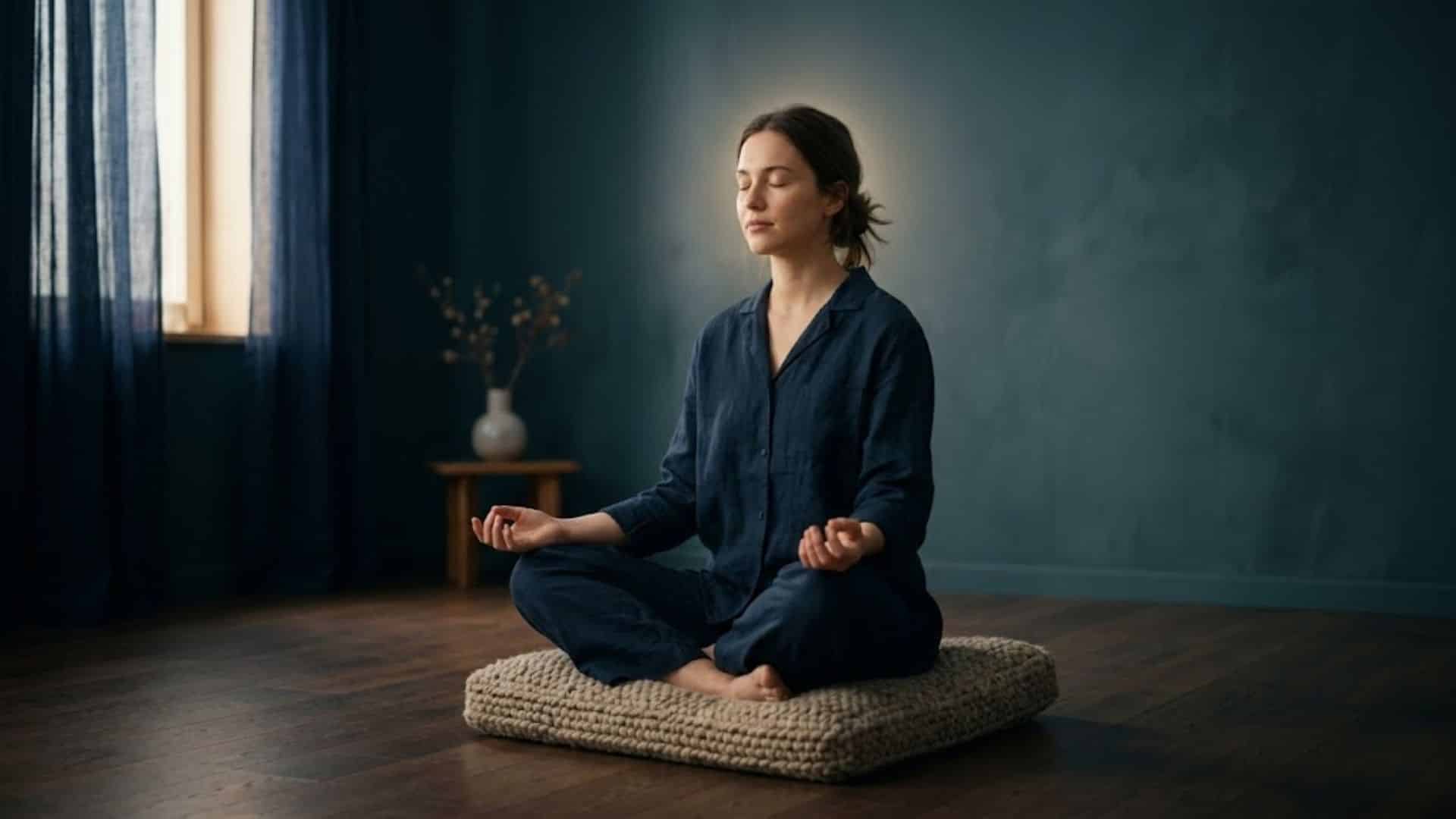
Stress does not always look dramatic. Sometimes it appears as racing thoughts before bed, constant distraction during work, or emotional reactivity to small stressors. Over time, unmanaged stress can reshape how the brain responds to everyday challenges.
In the same way that we train our muscles, our minds require consistent workouts to build emotional resilience and cognitive clarity. Mental health exercises are evidence-based practices designed to regulate the nervous system, interrupt negative thought patterns, and enhance psychological well-being. According to the National Institute of Mental Health, caring for mental health is essential for overall health and long-term functioning.
In this guide, you will learn 15 practical mental health exercises you can start today to reduce stress, calm anxiety, and improve overall wellbeing. Whether you are looking for mental exercises for anxiety, simple stress relief exercises, or a sustainable daily mental health routine, these strategies are practical, science-backed, and easy to integrate into everyday life.

The Science-Backed Benefits of Mental Training
Regular practice strengthens neural pathways through neuroplasticity, helping the brain adapt to stress more effectively.
Long-term benefits include:
- Lower Cortisol Levels: Activating the parasympathetic nervous system to counter the fight-or-flight response.
- Improved Emotional Regulation: The ability to label and process feelings rather than being overwhelmed.
- Enhanced Focus and Sleep: Reducing mental chatter that leads to insomnia and distraction.
- Boosted Resilience: Building a buffer against life’s inevitable stressors.
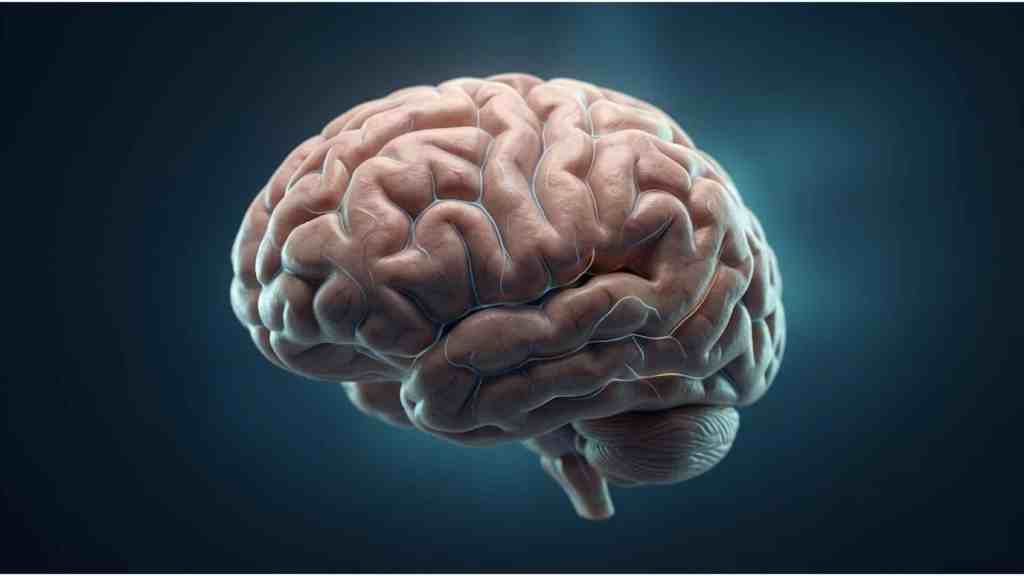
Chronic stress and mood disorders can impair cognitive performance over time. Understanding how depression and anxiety affect memory clarifies why consistent mental health exercises are essential for long-term brain protection.
For readers who want deeper context on underlying mood triggers, exploring what causes depression can provide additional insight into the biological and environmental contributors involved.
Quick Mental Health Exercises You Can Do Right Now
These quick mental health exercises are especially useful during acute stress or emotional overwhelm. For a deeper breakdown of fast-acting grounding techniques designed specifically for panic spikes, explore our complete guide to grounding techniques for anxiety.
The 5-4-3-2-1 Grounding Technique
When anxiety spikes, grounding shifts attention to external sensory input.
- 5 things you see: A plant, a coffee mug, the texture of the wall.
- 4 things you can touch: The fabric of your jeans, your cool desk surface.
- 3 things you hear: Distant traffic, the hum of a computer, birds chirping.
- 2 things you smell: Fresh coffee, the scent of your laundry detergent.
- 1 thing you taste: A lingering mint or simply the inside of your mouth.
Square Breathing (Box Breathing)
One of the most effective breathing exercises for stress regulation.
- Inhale for 4 seconds.
- Hold for 4 seconds.
- Exhale for 4 seconds.
- Hold (empty) for 4 seconds. Repeat 4-5 cycles.
If you want a structured, step-by-step guide focused specifically on calming your nervous system within minutes, see our detailed 5-minute mental health exercises for instant stress relief.
Diaphragmatic (Deep) Breathing
Deep breathing stimulates the vagus nerve and lowers heart rate.
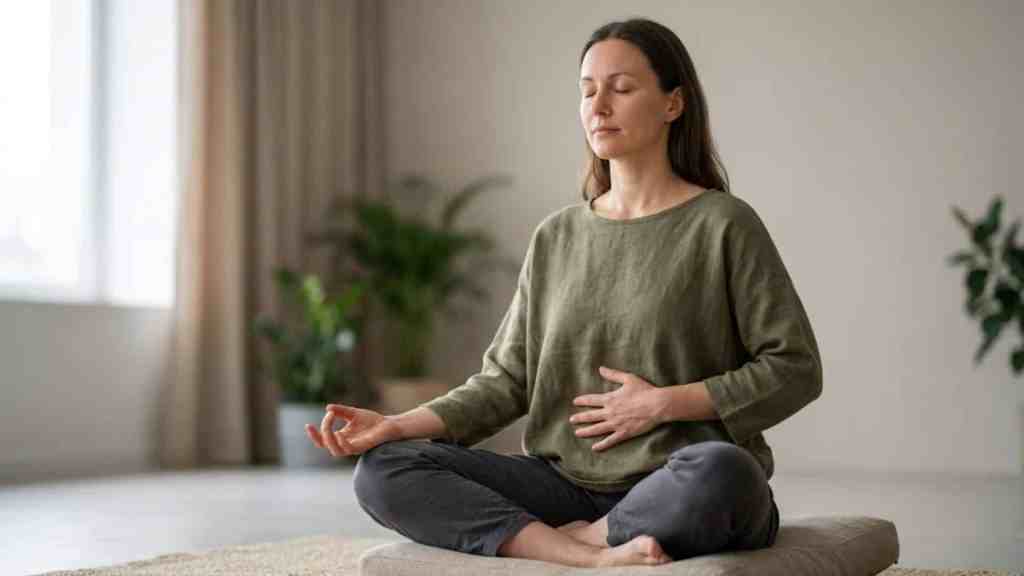
Place one hand on your abdomen. Inhale slowly through your nose, allowing your belly to rise. Then exhale gently through your mouth for a count of 8.
Thought Stopping
A Cognitive Behavioral Therapy technique to interrupt rumination. When negative thoughts loop, mentally say the word stop, then redirect attention to a neutral or constructive thought. If you frequently find yourself stuck in repetitive thinking patterns, learning how to stop rumination can provide deeper strategies for breaking these mental loops.
Progressive Muscle Relaxation (PMR)
Tense and release muscle groups gradually from toes to face. This increases awareness of hidden tension and promotes relaxation. For readers who want a deeper nighttime routine, explore our complete guide to progressive muscle relaxation for sleep.
- Start at your toes: Curl them tightly for 5 seconds, then release.
- Move to your calves, thighs, stomach, and face.
- Notice the contrast between the tension and the limpness that follows.
Mind-Based Mental Health Exercises for Stress and Emotional Balance
These mental health exercises focus on cognitive flexibility, attention control, and emotional regulation. Unlike quick grounding techniques, these practices create long-term neurological adaptation through repetition.
Mindfulness Practice
Mindfulness is the practice of observing the present moment without judgment. Rather than trying to suppress thoughts, you simply notice them as mental events and gently redirect attention to an anchor such as your breath or bodily sensations.
Research suggests that consistent mindfulness practice reduces activity in the brain’s default mode network, the region associated with rumination and overthinking. Over time, this increases emotional regulation and decreases stress reactivity.
Even 5 minutes per day of mindful breathing can strengthen attentional control and reduce automatic emotional responses. For readers who struggle with focus or are new to meditation, this mindfulness for beginners guide explains simple techniques to get started.
Meditation
Meditation is the structured training of attention. While mindfulness is a quality of awareness, meditation is the formal exercise used to cultivate it.
Neuroscientific studies show that regular meditation reduces amygdala hyperactivity and strengthens the prefrontal cortex, the brain region responsible for rational decision-making and emotional control. This makes meditation one of the most powerful mental health exercises for anxiety and stress reduction.
Start with 5–10 minutes daily, focusing on a single anchor such as breath, a mantra, or loving-kindness phrases.
Gratitude Journaling

Gratitude journaling shifts attention from perceived threats to positive experiences. This cognitive redirection alters emotional bias over time.
By writing three specific things you are grateful for each day, you gradually retrain your brain to detect safety and opportunity rather than danger. Studies have linked consistent gratitude practice with improved mood stability and decreased depressive symptoms.
The key is specificity. Instead of writing “family,” write “my sister calling to check on me today.”
Cognitive Reframing
Cognitive reframing involves identifying distorted thinking patterns and replacing them with balanced interpretations.
For example, instead of thinking, “I failed completely,” you might reinterpret the situation as, “I made mistakes, but I can improve next time.” This shift reduces emotional intensity and builds psychological resilience.
Over time, reframing weakens automatic negative thought loops and strengthens adaptive reasoning patterns.
Mood Tracking
Mood tracking increases emotional awareness. When you consistently log how you feel, patterns begin to emerge.
You may notice that your mood declines after poor sleep, excessive screen time, or social isolation. Identifying these triggers allows proactive behavioral changes.
Mood tracking transforms emotional experiences from vague overwhelm into actionable data.
Body-Based Mental Health Exercises That Calm the Nervous System
The mind and body are intrinsically linked. You cannot heal the mind while neglecting the physiological vessel that carries it.
Physical Activity
Regular aerobic movement supports neurotransmitter balance and reduces depressive symptoms. The World Health Organization emphasizes physical activity as foundational for mental health.
In addition, consistent aerobic activity increases endorphins, improves sleep quality, and enhances stress tolerance over time.
Tai Chi or Gentle Movement

Tai Chi is often called meditation in motion. These slow, circular movements promote balance and lower the heart rate, making it a perfect low-impact alternative for stress relief. Research suggests that slow, coordinated movement combined with breath awareness can improve heart rate variability, a key marker of stress resilience. For individuals who find high-intensity exercise overwhelming, gentle movement often feels more sustainable and calming.
Sleep Hygiene Reset
Sleep is foundational for emotional regulation and cognitive stability. When you are sleep-deprived, the amygdala becomes more reactive, while the prefrontal cortex becomes less effective at regulating emotions. This imbalance makes stress feel more intense and harder to manage the next day.
Maintaining consistent sleep habits is one of the most powerful mental health exercises you can practice daily. Following a structured sleep hygiene checklist can help stabilize circadian rhythms and improve sleep quality over time. Quality sleep allows the brain to consolidate memories, regulate hormones, and reset stress pathways.
- Schedule: Go to bed at the same time every night.
- Environment: Keep it cool (approx. 18°C) and pitch dark.
- Digital Detox: No blue light (phones/tablets) 60 minutes before bed.
Understanding how poor sleep disrupts hormones and metabolism reinforces why restorative sleep is not a luxury but a biological necessity for emotional resilience.
Social and Emotional Mental Health Exercises
Humans are biologically wired for connection. Social isolation activates the same neural pathways as physical pain. That is why strengthening social and emotional bonds is considered one of the most powerful mental health exercises for long-term psychological stability.
Strengthening Social Connections
Meaningful social interaction reduces cortisol levels and increases oxytocin, a hormone associated with trust and emotional safety. When we feel socially supported, the nervous system shifts out of survival mode and into a regulated state.
Strong relationships act as a buffer against stress. Research consistently shows that individuals with reliable social networks experience lower rates of anxiety and depression.
Practical ways to strengthen connection include:
- Active Listening: Practice reflecting back what others say without giving advice.
- Shared Purpose: Join a local club or volunteer group.
- Oxytocin Boost: Even a brief, meaningful phone call can release hormones that combat stress.
Even brief, emotionally safe interactions can significantly lower physiological stress markers.
Creative Expression
Creative expression allows emotional processing without relying solely on language. Activities such as painting, journaling, music, or photography create flow states, a condition where attention is fully immersed in the present task.
During creative flow, activity in the brain’s default mode network decreases. This network is often overactive during rumination and overthinking. By reducing its activity, creative exercises help calm intrusive thought patterns.
Creative expression is particularly effective for individuals who struggle to verbalize emotions. It provides a structured outlet for processing stress while simultaneously enhancing self-awareness and confidence.
Even 15–20 minutes of focused creative engagement can produce measurable reductions in emotional tension.
Fun Facts: The Brain’s Amazing Adaptability
To keep you inspired, here are some fascinating facts about your brain and mental health that you might not know:
- Your Brain Can Grow at Any Age: It was once believed that the adult brain was static. However, the concept of neuroplasticity proves that engaging in new mental exercises can physically create new neural pathways, regardless of age.
- The Gut Is Often Referred to as the Second Brain: About 95% of your serotonin (the happy hormone) is produced in your gastrointestinal tract, not your brain. This explains why “gut feelings” are real and why diet impacts mood.
- Smiling Tricks Your Brain: Even if you fake a smile, the physical act of activating those facial muscles sends a signal to your brain that releases dopamine and serotonin, actually lowering your stress levels.
Why Mental Health Exercises Work for Anxiety and Stress
Mental health exercises regulate the nervous system. Breathing, grounding, mindfulness, and movement reduce amygdala hyperactivity and strengthen prefrontal control. Over time, neuroplastic changes make stress responses less reactive and more adaptive.
How to Build Your Routine
You do not need to do all 15 exercises at once. A sustainable routine usually consists of 4–7 core practices tailored to your lifestyle. If you want a practical framework, this guide explains how to build a daily mental health routine that actually sticks.
Sample Daily Schedule:
| Time | Exercise | Duration |
| Morning | Deep Breathing + Gratitude Journaling | 5 min |
| Midday | 5-4-3-2-1 Grounding or a short walk | 5 min |
| Evening | PMR + Sleep Hygiene | 10 min |
Whether you are searching for mental exercises for anxiety, stress relief exercises you can do at home, or ways to improve mental health naturally, the key is consistency. Mental health exercises work best when practiced daily in small, manageable doses rather than occasionally during crisis moments.
When practiced consistently, mental health exercises become a sustainable foundation for long-term psychological stability.
Frequently Asked Questions
There is no single best exercise, as it depends on your specific needs. However, research indicates that resistance training shows strong benefits for mood improvement, particularly in mild-to-moderate depressive symptoms, while Yoga and Mindfulness are often superior for anxiety reduction and nervous system regulation.
Immediate: Breathing and grounding techniques (like 5-4-3-2-1) work within minutes to lower heart rate.
1-2 Weeks: Mindfulness and journaling begin to stabilize mood patterns.
3-9 Weeks: Physical exercise and PMR begin to produce structural brain changes and noticeable shifts in resilience.
While exercises are powerful, they are not a substitute for clinical intervention. They are best used as a foundation alongside professional care, especially for trauma or severe depression. Think of them as dental hygiene (brushing/flossing), while therapy is the dentist.
Yes, research consistently shows that structured mental health exercises, such as breathing practices, mindfulness, and physical activity, can reduce stress markers, improve mood regulation, and strengthen emotional resilience over time. However, results depend on consistency and individual circumstances.
References
- American Psychological Association. (2019, October 30). Mindfulness meditation: A research-proven way to accompany medical treatment. https://www.apa.org/topics/mindfulness/meditation
- Cleveland Clinic. (2023). Box Breathing: Benefits and How To Do It. https://health.clevelandclinic.org/box-breathing-benefits/
- Emmons, R. A., & McCullough, M. E. (2003). Counting blessings versus burdens: an experimental investigation of gratitude and subjective well-being in daily life. Journal of personality and social psychology, 84(2), 377–389. https://pubmed.ncbi.nlm.nih.gov/12585811/
- Gerritsen, R. J. S., & Band, G. P. H. (2018). Breath of Life: The Respiratory Vagal Stimulation Model of Contemplative Activity. Frontiers in Human Neuroscience, 12, 397. https://www.ncbi.nlm.nih.gov/pmc/articles/PMC6189422/
- Harvard Health Publishing. (2020, July 6). Relaxation techniques: Breath control helps quell errant stress response. https://www.health.harvard.edu/relaxation-techniques-breath-control-helps-quell-errant-stress-response
- Mayo Clinic. (2024). 5-4-3-2-1 countdown to make anxiety blast off. https://www.mayoclinichealthsystem.org/hometown-health/speaking-of-health/5-4-3-2-1-countdown-to-make-anxiety-blast-off
- National Institute of Mental Health. (2023). Caring for Your Mental Health. https://www.nimh.nih.gov/health/topics/caring-for-your-mental-health
- World Health Organization. (2022, October 5). Physical activity. https://www.who.int/news-room/fact-sheets/detail/physical-activity