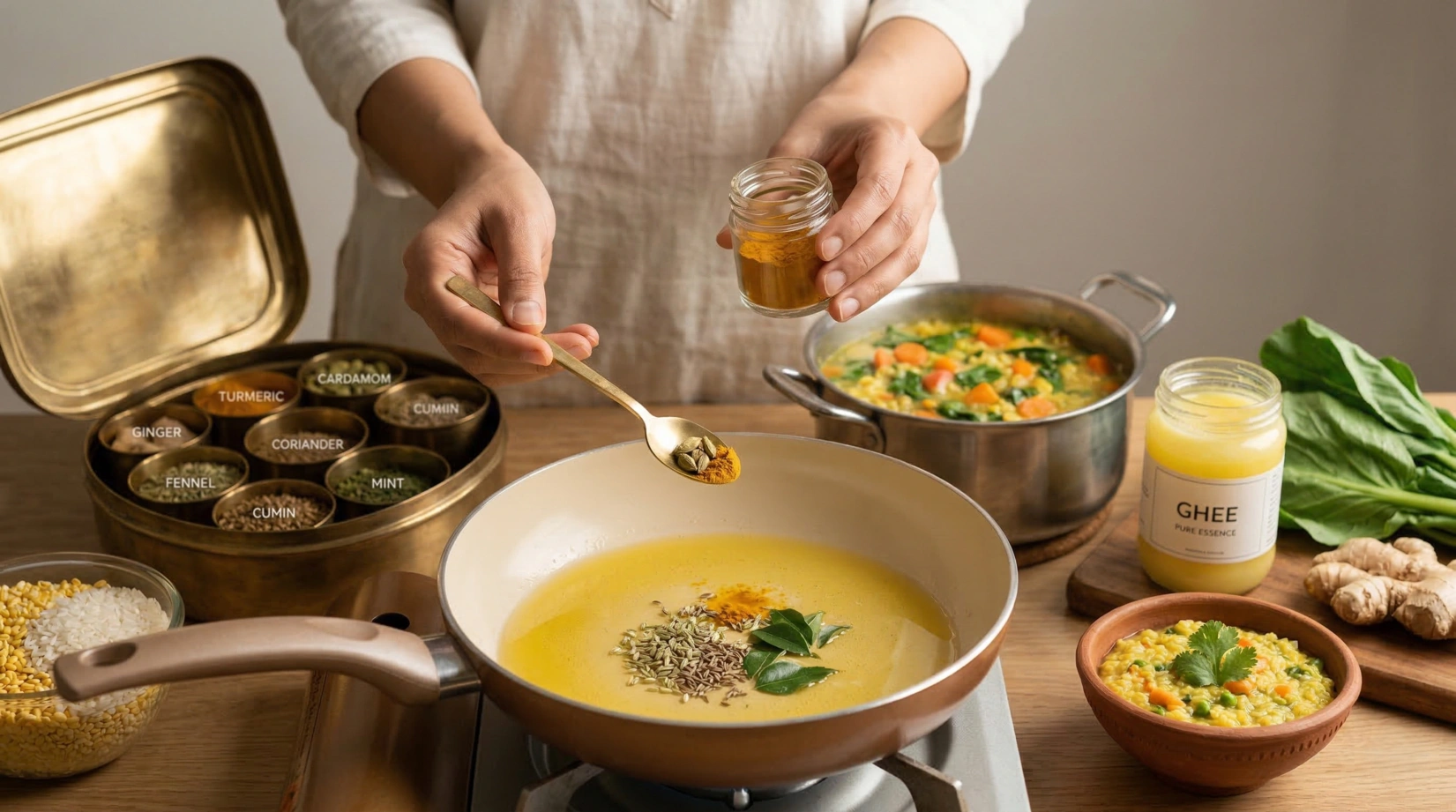
In the sophisticated world of clinical nutrition, the use of culinary spices represents one of the most potent forms of preventative medicine available to the modern individual. As a physician, i have observed that spices are often misunderstood as mere flavoring agents. In reality, they are concentrated botanical compounds that interact directly with our metabolic pathways and gut-brain axis. However, in our current culture of “more is better,” many people inadvertently over-use heating spices, leading to a state of internal agitation. This metabolic “noise” can exacerbate chronic stress and the silent health crisis that many are already fighting.
Mastering the “Art of Spice” requires a delicate balance between therapeutic benefit and physiological harmony. While spices like turmeric, ginger, and cardamom offer unparalleled health advantages, their improper application can shift the body from a state of “Sattva” (balance) to “Rajas” (over-stimulation). This over-stimulation often manifests as insomnia, irritability, or digestive heat, which can further complicate existing hormonal depletion and deficiency. By understanding the “energetics” of these ingredients, we can harness their power to lower inflammation and improve mental health as a door to longevity without triggering a stress response.
Using spices correctly is a form of mindfulness-based stress reduction that begins in the kitchen. When we select and combine spices with intention, we transform every meal into a medical intervention that supports cellular repair and emotional stillness. This guide will explore the biochemical and energetic profiles of the three most essential Sattvic spices, teaching you how to integrate them into your lifestyle with professional precision.
The Energetics of Spice: Balancing Agni vs. Physiological Stimulation
In the medical framework of Ayurveda, spices are used primarily to modulate “Agni,” or the digestive fire. A healthy Agni is essential for nutrient absorption and the elimination of metabolic toxins. However, if the Agni is pushed too hard with excessive heat, it becomes “Tikshna” (sharp and over-active). This over-activity is synonymous with feeling stressed all the time, as the body’s internal environment becomes too “hot” for the nervous system to remain calm. Scientific studies on neuro-excitatory compounds confirm that certain spice combinations can cross the blood-brain barrier and influence mood and anxiety levels.
The “Sattvic” use of spice focuses on “Dipana” (enkindling digestion) without causing “Vidaha” (burning or inflammation). This distinction is critical for preventing stress, cortisol, and aging of the delicate gut lining. When we over-stimulate the body with pungent spices, we inadvertently trigger the sympathetic nervous system, which can lead to a depletion of vital energy. By contrast, a balanced approach supports hormonal harmony and provides the steady energy required for high-level cognitive function and longevity.
The goal of using spices should always be harmony, not intensity. By learning to recognize the signs of over-stimulation, such as acid reflux or a racing mind, you can adjust your spice intake to support a more mindful and low-stress existence.
Recognizing the Signs of Rajasic Over-Stimulation
Rajasic energy is characterized by movement, passion, and agitation. While some Rajas is necessary for daily activity, an excess in the diet can lead to systemic inflammaging. If you find yourself feeling stressed all the time, your spice cabinet may be contributing to your high cortisol levels. Symptoms like skin rashes, heart palpitations after eating, or an inability to focus during 5-minute mental health exercises are clear clinical indicators that your diet is too heating.
The Sattvic Pivot: Tempering Heat with Cooling Agents
To maintain a Sattvic state, one must learn the art of “tempering.” This involves pairing heating spices like ginger with cooling agents like coconut, cilantro, or cardamom. This synergy prevents the spices from over-stimulating the adrenal axis while still providing the anti-microbial and digestive benefits they are known for. For those using Polygala tenuifolia for mental clarity, this temperate approach ensures that the herb’s subtle effects are not drowned out by excessive dietary stimulation.
Understanding energetics is the first step in using spices as a targeted medical tool. By focusing on balance rather than raw potency, you protect your nervous system from the debilitating effects of chronic over-stimulation.
Turmeric: The Golden Healer for Systemic Inflammation
Turmeric (Curcuma longa) is perhaps the most researched spice in modern medicine, primarily due to its active compound, curcumin. Curcumin is a potent anti-inflammatory and antioxidant that inhibits the NF-kB pathway, a major driver of chronic stress and cellular aging. In clinical practice, turmeric is used to manage metabolic syndrome and joint health, making it a cornerstone for anyone pursuing long-term longevity. However, turmeric is also “heating” and “bitter,” which means in excess, it can aggravate those already feeling stressed all the time.
Maximizing Bioavailability without Excessive Heat
One of the challenges with turmeric is its low bioavailability. Traditionally, it is paired with black pepper (piperine) and a healthy fat like Ghee to increase absorption by up to 2000%. From a Sattvic perspective, using high-quality Ghee is essential because its cooling nature tempers the heat of the turmeric. This combination supports the gut lining and prevents the digestive irritation that can lead to hormonal depletion and deficiency.
Turmeric and Neuroprotection: Supporting Mental Clarity
Research shows that curcumin can cross the blood-brain barrier and boost levels of Brain-Derived Neurotrophic Factor (BDNF), which is essential for neuroplasticity and memory. For those integrating Naturem memory for stress relief, adding moderate amounts of turmeric to the diet provides a supportive biochemical environment. This neuro-protective effect is a key reason why turmeric is considered a “Sattvic” spice when used correctly-it clears the mind without over-agitating the senses.
Proper Dosage and Usage in a Low-Stress Diet
A medicinal dose of turmeric is generally 500-2000mg per day, ideally spread across multiple meals. To avoid over-stimulation, it is best consumed in warm, cooked dishes rather than raw in cold smoothies, as the heat helps to break down the starches and release the medicinal oils. For extra metabolic support, pairing turmeric with Plumula nelumbinis can help regulate blood sugar, preventing the “stress spikes” associated with glucose fluctuations.
Turmeric is a powerful ally against the inflammaging process. By using it with healthy fats and cooling agents, you can enjoy its profound benefits for mental health and longevity without over-taxing your nervous system.
Ginger: The Universal Medicine for Digestion and Focus
Ginger (Zingiber officinale) is referred to as “Vishwabheshaja” or the “universal medicine” in ancient texts, and modern research into gingerols and shogaols supports this claim. Ginger is highly effective for gastrointestinal motility and as a powerful anti-emetic. From a medical perspective, ginger is a “circulatory stimulant,” meaning it helps move oxygen and nutrients to the tissues, which is vital for reversing hormonal depletion and deficiency. However, there is a major difference between fresh ginger and dry ginger that every stress-conscious individual must know.
Fresh vs. Dry Ginger: A Critical Choice for Stress Management
Fresh ginger is considered “Sattvic” because it is hydrating and has a “sweet” post-digestive effect, making it less likely to cause systemic heat or agitation. Dry ginger, on the other hand, is much more pungent and “Rajasic,” which can lead to high cortisol and restlessness. For those practicing mindfulness-based stress reduction, fresh ginger is the superior choice as it supports clarity without the jittery side effects of concentrated stimulants.
Ginger’s Role in Reducing Cortisol and Improving Mood
Scientific literature indicates that ginger can modulate the HPA axis, helping the body respond more effectively to stress. It acts similarly to certain adaptogens, providing a buffer against the impact of high cortisol. If you are already using Panax Ginseng for energy and focus, fresh ginger acts as a perfect synergy, enhancing the absorption and efficacy of the adaptogen while soothing the digestive tract.
How to Use Ginger Sattvically: Practical Tips
To use ginger without over-stimulation, try “Ginger Water” made by steeping fresh slices in warm (not boiling) water. This provides the digestive benefits without the intense heat of concentrated ginger shots. Before a meal, a small slice of fresh ginger with a drop of lime and a pinch of salt can “prime” the digestive enzymes, ensuring a smooth metabolic process. This practice is a great physical anchor for mindfulness-based cognitive therapy during meal times.
Ginger is a master regulator of the body’s “flow.” By choosing fresh over dry, you can enjoy enhanced digestion and mental focus without triggering the heating response that contributes to chronic stress and emotional volatility.
Cardamom: The Sweet Regulator of Energy and Hormones
Cardamom (Elettaria cardamomum) is often called the “Queen of Spices,” and its role in a Sattvic lifestyle is unique because it is one of the few spices that is both cooling and stimulating. From a medical standpoint, cardamom is a potent carminative that reduces gas and bloating by improving metabolic efficiency. It is also rich in eucalyptol and cineole, which support respiratory health and oxygenation of the brain, leading to enhanced mental clarity.
Neutralizing the Negative Effects of Heavy Foods
One of cardamom’s greatest strengths is its ability to neutralize the “Tamasic” (dulling) qualities of heavy foods like dairy and coffee. Adding a few pods to your coffee can help mitigate the acid-forming and cortisol-spiking effects of caffeine. In the context of hormonal depletion and deficiency, cardamom serves as a gentle stabilizer that prevents the body from becoming over-acidic or sluggish after a heavy meal.
Cardamom and the Nervous System: A Natural Soother
Unlike ginger or turmeric, cardamom has a direct relaxant effect on the nervous system. It helps to clear the “Srotas” (channels) of the mind, making it easier to practice 15 mental health exercises to improve wellbeing. For those struggling with mild depression or emotional fatigue, the aromatic compounds in cardamom offer an immediate sensory shift toward peace and focus.
Integrating Cardamom into a Daily Longevity Routine
The easiest way to use cardamom is to add crushed pods to your morning grains or afternoon herbal tea. This practice supports immune resilience and ensures that your energy levels remain stable throughout the day. For additional blood sugar support, cardamom pairs beautifully with Plumula nelumbinis, creating a metabolic synergy that protects against the silent health crisis of inflammation.
Cardamom is the ultimate balancer in the Sattvic spice cabinet. Its ability to provide clarity without heat makes it the perfect spice for those who are feeling stressed all the time and need a gentle way to regulate their internal energy.
Creating a Stress-Resilient Spice Ritual: A Practical Guide
The final step in mastering the Art of Spice is the creation of a daily ritual that supports your mental health and determining longevity. Integrating spices should be a mindful process, much like mindfulness-based stress reduction. By intentionally choosing spices that match your current metabolic state, you can proactively prevent the hormonal depletion and deficiency that stems from poor lifestyle choices.
- Audit Your Cabinet: Replace stale, pre-ground spices with whole seeds and roots to ensure maximum Pranic value and enzyme activity.
- Start Small: If you are feeling stressed all the time, use only a pinch of heating spices and balance them with cooling Ghee or Cardamom.
- Timing is Key: Use more stimulating spices like ginger in the morning to wake up your circadian rhythms and more grounding spices like cardamom in the evening.
- Practice Mindful Seasoning: Use 5-minute mental health exercises while you cook to infuse your food with peaceful intention.
- Support with Adaptogens: Complement your spiced meals with targeted support like Panax Ginseng or Naturem memory to maximize the cognitive benefits.
- Listen to Your Body: If a spice makes you feel “jittery,” it is a sign of over-stimulation. Switch to a more cooling, Sattvic alternative.
By treating your spice cabinet as a medical dispensary, you empower yourself to take control of your physiological and emotional well-being. This proactive approach is the core of reclaiming your health from chronic stress.
Frequently Asked Questions (FAQ)
Yes, but you must focus on the most “Sattvic” versions. Fresh ginger and cardamom are generally very soothing for gastrointestinal discomfort. Avoid dry ginger and excessive black pepper, which can be too heating. Pairing your spices with Ghee is highly recommended to protect the gut lining and support gut health as a determinant of longevity.
While turmeric is healthy, doses exceeding 8000mg per day can cause nausea, diarrhea, and over-stimulation of the heart. For daily longevity support, stick to culinary amounts (1/4 to 1/2 teaspoon per meal) and ensure it is paired with fats and black pepper for balanced absorption.
In moderate, culinary amounts, fresh ginger actually helps lower cortisol by supporting the body’s adaptive response. However, excessive amounts of concentrated ginger shots or dry ginger can be too “Rajasic” and may lead to feeling stressed all the time. Always prioritize “fresh” to maintain a Sattvic state.
Cardamom is used in coffee specifically to neutralize the acidic and jittery effects of caffeine. It helps protect the adrenal axis and ensures that the boost of energy you get from coffee is smoother and less damaging to your hormonal balance.
References
- Chauhan, A., & Chauhan, V. (2020). Ayurvedic perspective on diet and lifestyle. Journal of Traditional and Complementary Medicine, 10(3), 251-258. https://doi.org/10.1016/j.jtcme.2020.03.003
- Harvard T.H. Chan School of Public Health. (2023). Turmeric. The Nutrition Source. https://www.hsph.harvard.edu/nutritionsource/turmeric/
- National Center for Complementary and Integrative Health (NCCIH). (2021). Ginger. https://www.nccih.nih.gov/health/ginger
- Sarkar, P. K., & Das, S. (2015). Ghee: Its properties and health benefits. International Journal of Research in Ayurveda and Pharmacy, 6(5), 567-571. https://doi.org/10.7897/2277-4343.065106
- Sharma, H., & Clark, C. (2012). Contemporary Ayurveda. Elsevier Health Sciences.
- Wallace, R. K. (2020). The Gut-Brain Axis and the Physiology of Consciousness. International Journal of Psychological Studies, 12(2), 1-12.