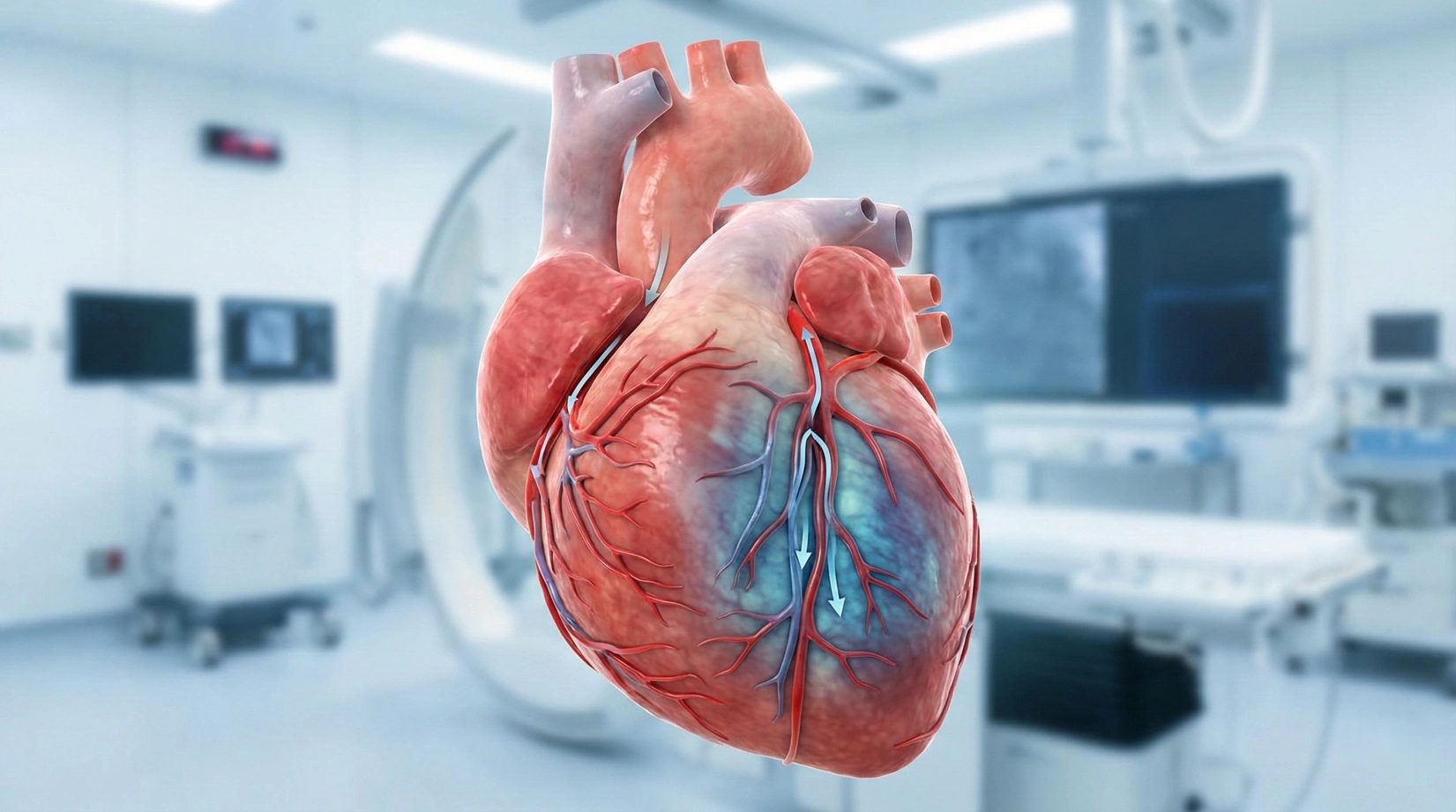
Myocardial ischemia is a physiological state defined by a critical reduction in blood flow to the heart muscle, preventing it from receiving the oxygen necessary for cellular metabolism. As a medical doctor with a dual background in modern cardiology and traditional medicine, I approach this condition not merely as a structural blockage but as a complex interplay between vascular health, metabolic demand, and systemic inflammation. This guide integrates the latest clinical standards with evidence-based holistic strategies to optimize patient outcomes.
Pathophysiology: The Mechanism of Oxygen Deprivation
The heart is a metabolic engine that requires a continuous supply of oxygen-rich blood. Myocardial ischemia occurs when there is a mismatch between the supply of oxygen and the heart’s demand. To fully grasp this condition, we must look at the broader context of heart disease symptoms, causes, and treatment. The primary driver is often a condition where plaque accumulates within the arterial walls, leading to stenosis (narrowing).
When you exert yourself, your heart rate rises, increasing the demand for oxygen. In a healthy cardiovascular system, coronary arteries dilate to accommodate this need. However, in patients suffering from atherosclerosis, the stiff and narrowed vessels cannot expand. This results in cellular hypoxia and metabolic dysfunction. If this deficit persists, it triggers a cascade of inflammatory markers and can lead to irreversible tissue necrosis, potentially culminating in complications as severe as stroke if clots migrate or systemic vascular health deteriorates.
Identifying Clinical Symptoms and Warning Signs
Recognizing the symptoms of ischemia is the first line of defense. While chest pain is the hallmark sign, the clinical presentation is highly variable, often influenced by the patient’s age, gender, and comorbidities.
Typical Angina Pectoris
Classic angina is characterized by a sensation of pressure, heaviness, or squeezing in the substernal chest area. This discomfort often follows a predictable pattern, triggered by physical exertion or emotional stress and relieved by rest or nitroglycerin. The pain may radiate to the left arm, neck, jaw, or epigastrium, mimicking indigestion.
Silent Ischemia and Metabolic Factors
Perhaps the most deceptive form is silent myocardial ischemia, where objective evidence of reduced blood flow exists without any improved physical symptoms. This is particularly prevalent in patients with metabolic disorders. It is crucial to monitor lipid profiles closely, as high cholesterol symptoms and testing protocols are essential for detecting the silent buildup of plaque before an event occurs.
Diagnostic Protocols and Technology
Modern medicine utilizes a tiered approach to diagnosis, moving from non-invasive screening to invasive imaging to establish the extent of coronary disease.
- Electrocardiography (ECG): The initial screening tool used to detect ST-segment depression, which serves as an electrical marker of acute or chronic ischemia.
- Stress Echocardiography: This functional test visualizes wall motion abnormalities during peak exertion, identifying areas of the heart that are hypokinetic due to lack of blood flow.
- Coronary Angiography: The gold standard for diagnosis, this invasive procedure involves injecting contrast dye into the coronary arteries to visualize the precise location and severity of luminal narrowing.
Integrative Treatment Strategies
The management of myocardial ischemia requires a comprehensive strategy that addresses immediate symptom relief, vascular protection, and long-term risk reduction.
Pharmacological Management
Standard medical therapy focuses on reducing myocardial oxygen demand and preventing thrombotic events.
- Antiplatelet Therapy: Agents like aspirin are essential for preventing platelet aggregation.
- Beta-Blockers: These drugs reduce heart rate and contractility, effectively lowering myocardial oxygen consumption.
- Statins: Rigorous lipid-lowering therapy stabilizes plaque and reduces systemic inflammation, significantly lowering the risk of recurrent ischemic events.
Natural and Botanical Support
In my experience combining Eastern and Western modalities, specific botanicals can offer potent adjunctive support for vascular health.
- Ginseng: Renowned in traditional practices, Ginseng benefits cardiovascular health by potentially improving circulation and enhancing endothelial function, contributing to longevity.
- Cordyceps: This medicinal fungus is another powerful ally. The cardiovascular benefits of Cordyceps include potential regulation of heart arrhythmias and improvement in cellular oxygen utilization, which is critical during ischemic episodes.
- Salvia Miltiorrhiza (Dan Shen): Extensively researched, this root contains tanshinones which have been shown to improve coronary microcirculation.
Lifestyle as Medicine: Diet and Prevention
Sustainable recovery from myocardial ischemia is impossible without addressing the root lifestyle causes.
Nutritional Strategy
Dietary choices play a massive role in plaque stability. Patients must be educated on high cholesterol foods to avoid, such as trans fats and processed meats, which accelerate arterial stiffening.
Instead, adopting a low cholesterol diet is recommended. I specifically advocate for the Rainbow Diet, focusing on red foods like tomatoes and berries, which are rich in lycopene and anthocyanins known to support heart blood health.
Stress Reduction Techniques
Chronic psychological stress triggers the release of cortisol and catecholamines, which induce vasoconstriction. Integrating mind-body practices such as mindfulness-based stress reduction can lower sympathetic nervous system activity and improve vascular tone.
Lanui™ Cardio Vietnamese Herbal Wisdom for Total Heart & Brain Vitality

Protect your heart and sharpen your mind with a formula rooted in Traditional Vietnamese Medicine. Developed by SVK Herbal USA Inc., Lanui™ Cardio combines centuries of herbal knowledge with years of clinical medical experience to provide a comprehensive shield against cardiovascular and neurological decline.
A Holistic Approach to Longevity
Lanui™ Cardio is specifically engineered to maintain healthy blood flow and prevent life-threatening conditions. By stabilizing blood pressure and clearing the pathways of the circulatory system, this formula helps reduce the risk of myocardial infarction, atherosclerosis, and stroke.
Powerful Botanical Ingredients
- Crataegus pinnatifida (Hawthorn): Packed with organic acids and Vitamin C to improve digestion and optimize cardiovascular performance.
- Auricularia heimuer (Black Fungus): A potent antioxidant that helps limit blood clots, stabilize blood pressure, and support healthy circulation.
- Curcuma longa (Turmeric): High in Curcumin for anti-inflammatory support, helping to lower cholesterol and enhance blood flow.
- Ganoderma lucidum (Reishi Mushroom): Famous for its ability to balance blood lipids and maintain steady blood pressure levels.
- Sophora Japonica: Supports vascular health by stabilizing blood pressure and preventing smooth muscle spasms.
Key Health Benefits
- Cardiovascular Protection: Fights free radicals and prevents the onset of atherosclerosis, coronary artery disease, and peripheral vascular occlusion.
- Blood & Lipid Management: Actively stabilizes blood lipids (cholesterol) and inhibits the formation of dangerous blood clots.
- Cognitive Support: Improves symptoms of neurodegeneration, supports memory retention, and acts as a proactive defense against Alzheimer’s disease.
- Circulatory Relief: Reduces numbness in limbs and assists those suffering from cerebral ischemia or vestibular disorders.
Frequently Asked Questions (FAQ)
While lifestyle changes and supplements can improve blood flow and stabilize plaque, severe calcified blockages usually require medical intervention. Natural therapies are best used as a complementary strategy to prevent progression, not as a replacement for acute care.
Ischemia is a lack of blood flow that causes temporary cell dysfunction. A heart attack (myocardial infarction) is the result of prolonged ischemia, leading to permanent cell death. Treating ischemia early prevents heart attacks.
Controlled, regular exercise conditions the heart muscle to be more efficient. It also promotes angiogenesis (the formation of new small blood vessels), creating natural bypasses around blockages.
Not always. Herbs like Dan Shen and Ginseng have mild blood-thinning properties. Taking them with prescription antiplatelets (like Plavix or Warfarin) can increase bleeding risk. Always consult a physician before combining therapies.
This is called “referred pain.” The nerves that supply the heart travel the same pathway up the spinal cord as the nerves from the jaw and arm. The brain sometimes confuses the pain source, perceiving it in the jaw instead of the chest.
References
American Heart Association. (2024). Heart disease and stroke statistics. https://www.heart.org/en/about-us/heart-and-stroke-association-statistics
Cleveland Clinic. (2023). Myocardial ischemia. https://my.clevelandclinic.org/health/diseases/16818-myocardial-ischemia
Harvard Health. (2023). The Mediterranean diet: A heart-healthy eating plan. https://www.health.harvard.edu/heart-health/the-mediterranean-diet-a-heart-healthy-eating-plan
Life in the Fast Lane (LITFL). (2024). Myocardial ischaemia ECG library. https://litfl.com/myocardial-ischaemia-ecg-library/
Mayo Clinic. (2023). Beta blockers. https://www.mayoclinic.org/diseases-conditions/high-blood-pressure/in-depth/beta-blockers/art-20044522
NatureM. (2024). Ginseng and cardiovascular health. https://naturem.us/blogs/healthy-advice/ginseng-and-cardiovascular-health-the-secret-to-longevity
SVK Herbal. (2024). Atherosclerosis: A comprehensive doctor’s guide. https://svkherbal.com/live-healthy/atherosclerosis-a-comprehensive-doctors-guide-to-arterial-health-and-prevention/