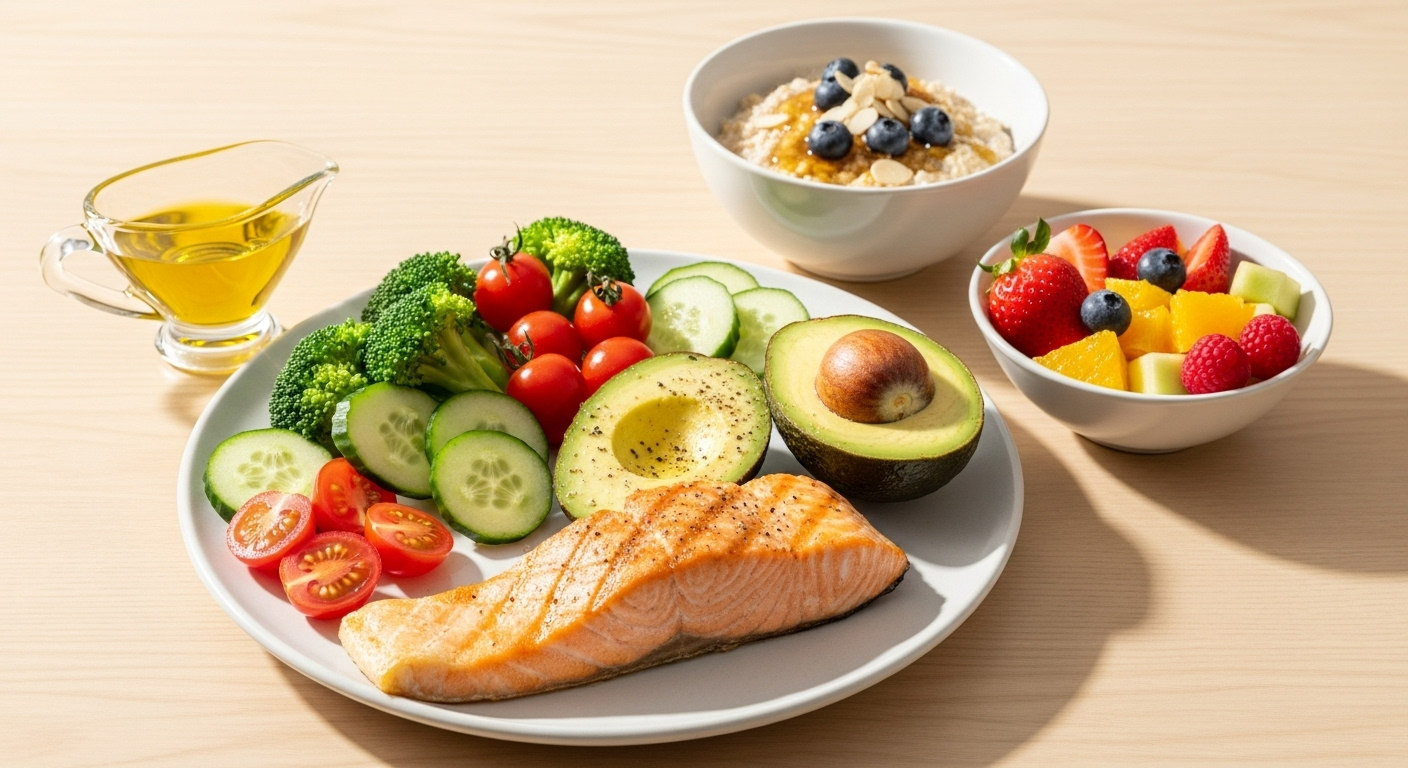
A low cholesterol diet focuses on reducing foods high in saturated fats and trans fats, both of which can raise LDL (bad) cholesterol and increase the risk of heart disease. According to the Centers for Disease Control and Prevention (CDC), high LDL cholesterol contributes to fatty deposits in arteries, causing atherosclerosis and other complications.(CDC, About High Cholesterol, 2024)
This diet emphasizes:
- Nutrient-dense, plant-based foods
- Healthy fats that improve HDL (good) cholesterol
- Natural sources of fiber and antioxidants
Based on these principles, adopting a low-cholesterol diet is not only a preventive strategy but also a proactive approach to improving cardiovascular health and enhancing overall quality of life.
Why It Matters for Heart Health
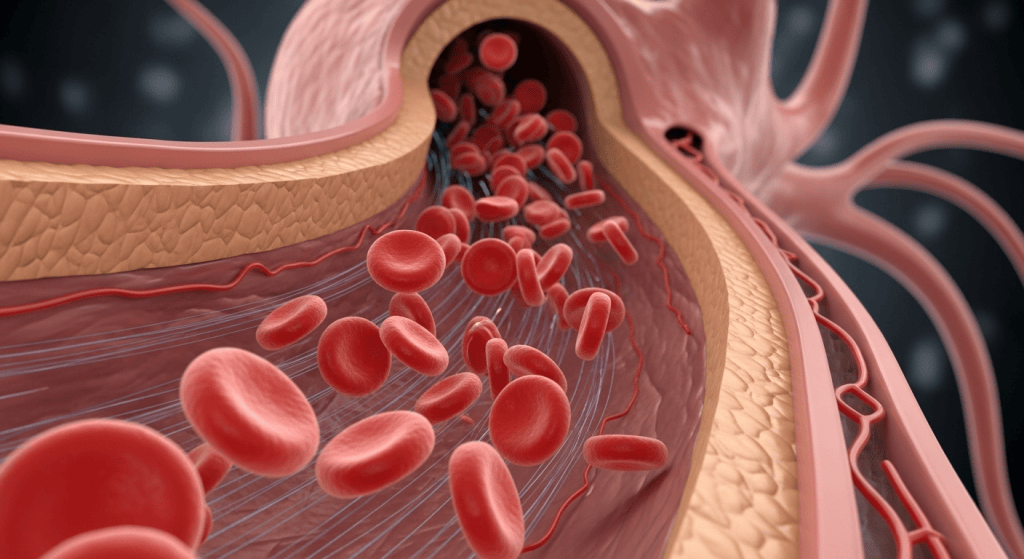
The National Institutes of Health (NIH) reports that lowering cholesterol through diet can significantly reduce the risk of coronary heart disease.Cardiovascular health can be profoundly improved through dietary adjustments. The National Institutes of Health (NIH) has reported that lowering cholesterol through nutrition can significantly reduce the risk of coronary heart disease.(NIH, Lowering High Blood Cholesterol, 2023)
This is achieved through a range of direct and far-reaching benefits:
- Healthier Arteries and Improved Blood Flow: Reducing LDL (bad) cholesterol helps prevent plaque buildup, keeping blood vessels clear and ensuring efficient oxygen delivery throughout the body.
- Lower Inflammation in the Cardiovascular System: A heart-healthy diet helps control chronic inflammation, a major risk factor for atherosclerosis.
- Reduced Risk of Heart Attack, Stroke, and Hypertension: By addressing these root causes, a low-cholesterol diet plays an essential role in preventing severe cardiovascular events.
It is remarkable that even modest changes yield significant results: cutting LDL cholesterol by just 10% can help reduce the risk of heart disease by about 20%. This underscores that every small dietary choice is a crucial step towards protecting long-term cardiovascular health.
Foods to Eat

The World Health Organization (WHO) advocates for a diet rich in foods that are whole, natural, and low in unhealthy fats as a primary strategy for managing cholesterol and promoting long-term health. (WHO, Healthy Diet Fact Sheet, 2024)
To achieve this, the WHO recommends prioritizing several key food groups:
- Fruits and Vegetables: Key items like apples, spinach, and kale are rich in soluble fiber and antioxidants to reduce cholesterol absorption and fight inflammation.
- Whole Grains: Daily inclusion of oats, barley, quinoa, and brown rice is vital. Oats and barley contain beta-glucans, which are highly effective at lowering LDL (bad) cholesterol.
- Lean Protein Sources: Choose options low in saturated fat, such as fatty fish (salmon, sardines), skinless poultry, tofu, and beans. Fatty fish also supplies heart-healthy omega-3s.
- Healthy Fats: Emphasize beneficial monounsaturated and polyunsaturated fats from olive oil, avocado, nuts, and seeds. These help raise HDL (good) cholesterol and lower triglycerides.
- Low-Fat Dairy: Select low-fat versions like yogurt and skim milk to ensure calcium intake without a high saturated fat load.
By making these simple shifts, individuals can align their eating habits with global health recommendations and take powerful control over their cardiovascular risk.
Foods to Limit or Avoid

The American Heart Association (AHA) strongly warns that excessive consumption of saturated fats and trans fats can significantly elevate levels of LDL (bad) cholesterol, thereby increasing the risk of heart disease. (AHA Presidential Advisory, Dietary Fats and Cardiovascular Disease, 2017)
To protect your cardiovascular health, it’s essential to actively minimize or avoid the following dietary elements:
- Red and Processed Meats: Strictly limit items like bacon, sausages, and fatty cuts of beef, which are high in saturated fat and contribute to arterial plaque buildup.
- Fried Foods and Fast Food: Avoid these as they often contain dangerous trans fats, which both raise LDL and lower beneficial HDL (good) cholesterol.
- Solid Fats and Full-Fat Dairy: Minimize cooking fats like butter, lard, and shortening, as well as full-fat dairy products. Choose leaner, low-fat alternatives instead.
- Sugary Drinks and Refined Carbs: Cut back on soda, white bread, and pastries. Though low in fat, these lead to excess sugars being converted into triglycerides, negatively impacting your overall heart health.
By focusing on these reductions, you can significantly lessen your intake of the most harmful fats and refined sugars, bringing your diet in line with the AHA’s recommendations for a healthier heart. (AHA, Dietary Guidelines, 2021)
Evidence-Based Eating Patterns

Several well-established dietary models are scientifically proven to be highly effective in reducing cholesterol levels and improving overall cardiovascular health. These models offer structured, sustainable ways to eat for a healthier heart:
- Mediterranean Diet: Centers on extra virgin olive oil, fish, legumes, and vegetables. It is linked to lower cholesterol and improved heart function.
- DASH Diet: Primarily used for lowering blood pressure, its structure naturally reduces total and LDL cholesterol by emphasizing whole foods and limiting sodium.
- Portfolio Diet: A targeted approach that combines soy protein, nuts, viscous fiber (oats/barley), and plant sterols. It is proven to reduce LDL levels naturally, with effects comparable to some medications.
Adopting any of these structured approaches provides a robust, evidence-based strategy for taking control of your cholesterol profile.
Practical Tips for Success
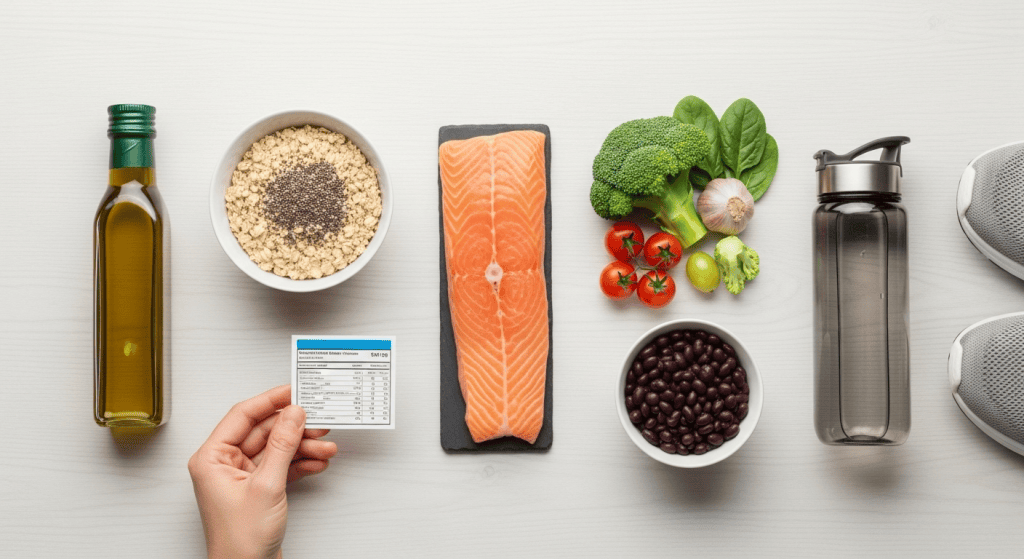
Consistent small daily habits are the most effective way to manage cholesterol and protect your heart over the long term. These simple, sustainable changes can yield significant health improvements:
- Switch Your Fats: Use olive or canola oil instead of saturated solid fats like butter or lard to reduce mealtime saturated fat.
- Prioritize Lean Protein: Swap red meat for fish or beans at least twice weekly. Fish provides omega-3s, and beans offer soluble fiber.
- Boost Breakfast Fiber: Add oats or chia seeds to your breakfast. This soluble fiber helps bind cholesterol in your gut, preventing its absorption.
- Be a Savvy Shopper: Always read nutrition labels, checking for “0g trans fat” and low saturated fat content to avoid harmful fats.
- Stay Active: Aim for the CDC-recommended minimum of 150 minutes of moderate exercise per week (e.g., brisk walking) to help raise HDL (good) cholesterol. (CDC, Heart Disease Prevention, 2024)
By making these deliberate substitutions and additions to your routine, you create a powerful, proactive defense against high cholesterol and cardiovascular disease.
Naturem™ Glucose Guard: Natural Support for Blood Sugar Management

Naturem™ Glucose Guard Supplement is a science-backed formula designed to support your body in managing the challenges associated with high blood sugar and chronic inflammation. The product provides holistic support to optimize glucose control, promoting internal wellness and helping prevent diabetes-related complications.
Key Ingredients
- Alpha Lipoic Acid: Acts as a powerful antioxidant, protecting cells from damage caused by oxidative stress.
- Berberine Extract: Has been shown to help reduce glucose production in the liver and enhance insulin sensitivity.
- Chromium Picolinate: Supports improved insulin activity and enhances carbohydrate metabolism.
How It Works
- Glucose Absorption Control: Helps reduce glucose absorption in the intestines, limiting post-meal blood sugar spikes.
- Optimized Insulin Action: Stimulates the body to enhance insulin production and utilization more effectively.
- Antioxidant Protection: Provides strong antioxidant effects, preventing cellular damage and reducing the risk of diabetic complications.
Managing high blood sugar requires a comprehensive approach encompassing both diet and medical guidance. Naturem™ Glucose Guard perfectly complements this strategy by nourishing the body’s natural mechanisms and restoring glucose balance from within.
Frequently Asked Questions (FAQs)
Initial changes are seen in 4-6 weeks, but major, sustained reductions occur after three months of consistent lifestyle changes. This timeline, often referenced for lipid-lowering therapy follow-up, is discussed in clinical quality control projects. (PMC, 2024)
Yes. Consuming up to one egg daily is not linked to increased cardiovascular disease risk in the general population, according to evidence from major meta-analyses. (Academic Research, 2017)
Supplements like omega-3s or plant sterols may help, but due to potential side effects and interactions, you must always consult a doctor before use. These recommendations are part of the general guidelines issued by the government regarding dietary supplements. (NIH/ODS, 2024)
LDL carries cholesterol to arteries (“bad”), while HDL removes it from the body (“good”). The goal is to keep LDL low and HDL high.
Yes, if balanced. The American Academy of Pediatrics (AAP) recommends focusing on an overall healthy diet rich in fruits, vegetables, and lean proteins for optimal heart health across all age groups. (HealthyChildren.org (AAP), 2025)
References:
American Heart Association. (2023). Healthy eating: Fats. Retrieved October 22, 2025, from https://www.heart.org/en/healthy-living/healthy-eating/eat-smart/fats
American Heart Association. (2023). Eggs and cholesterol. Retrieved October 22, 2025, from https://www.heart.org/en/news/2023/08/25/heres-the-latest-on-dietary-cholesterol-and-how-it-fits-in-with-a-healthy-diet
Centers for Disease Control and Prevention. (2024). About cholesterol. U.S. Department of Health & Human Services. Retrieved October 22, 2025, from https://www.cdc.gov/cholesterol/about/index.html
Centers for Disease Control and Prevention. (2024). How much physical activity do adults need? U.S. Department of Health & Human Services. Retrieved October 22, 2025, from https://www.cdc.gov/physical-activity-basics/guidelines/adults.html
Food and Drug Administration. (2023). What you need to know about dietary supplements. U.S. Department of Health & Human Services. Retrieved October 22, 2025, from https://www.fda.gov/food/dietary-supplements/information-consumers-using-dietary-supplements
Harvard Health Publishing. (2023). The Portfolio Diet: A cholesterol-lowering plan that works. Harvard Medical School. Retrieved October 22, 2025, from https://www.health.harvard.edu/heart-health/the-portfolio-diet-a-smart-investment-for-your-heart
National Heart, Lung, and Blood Institute. (2023). DASH eating plan. National Institutes of Health. Retrieved October 22, 2025, from https://www.nhlbi.nih.gov/education/dash-eating-plan
National Institutes of Health. (2023). Cholesterol: Understanding the facts. U.S. Department of Health & Human Services. Retrieved October 22, 2025, from https://www.nih.gov/
PubMed Central. (2022). Mediterranean diet and cardiovascular health: Evidence-based review. U.S. National Library of Medicine. Retrieved October 22, 2025, from https://pubmed.ncbi.nlm.nih.gov/
World Health Organization. (2023). Healthy diet: Fact sheet. Retrieved October 22, 2025, from https://www.who.int/news-room/fact-sheets/detail/healthy-diet
American Academy of Pediatrics. (2023). Nutrition for children and adolescents. Retrieved October 22, 2025, from https://www.aap.org/