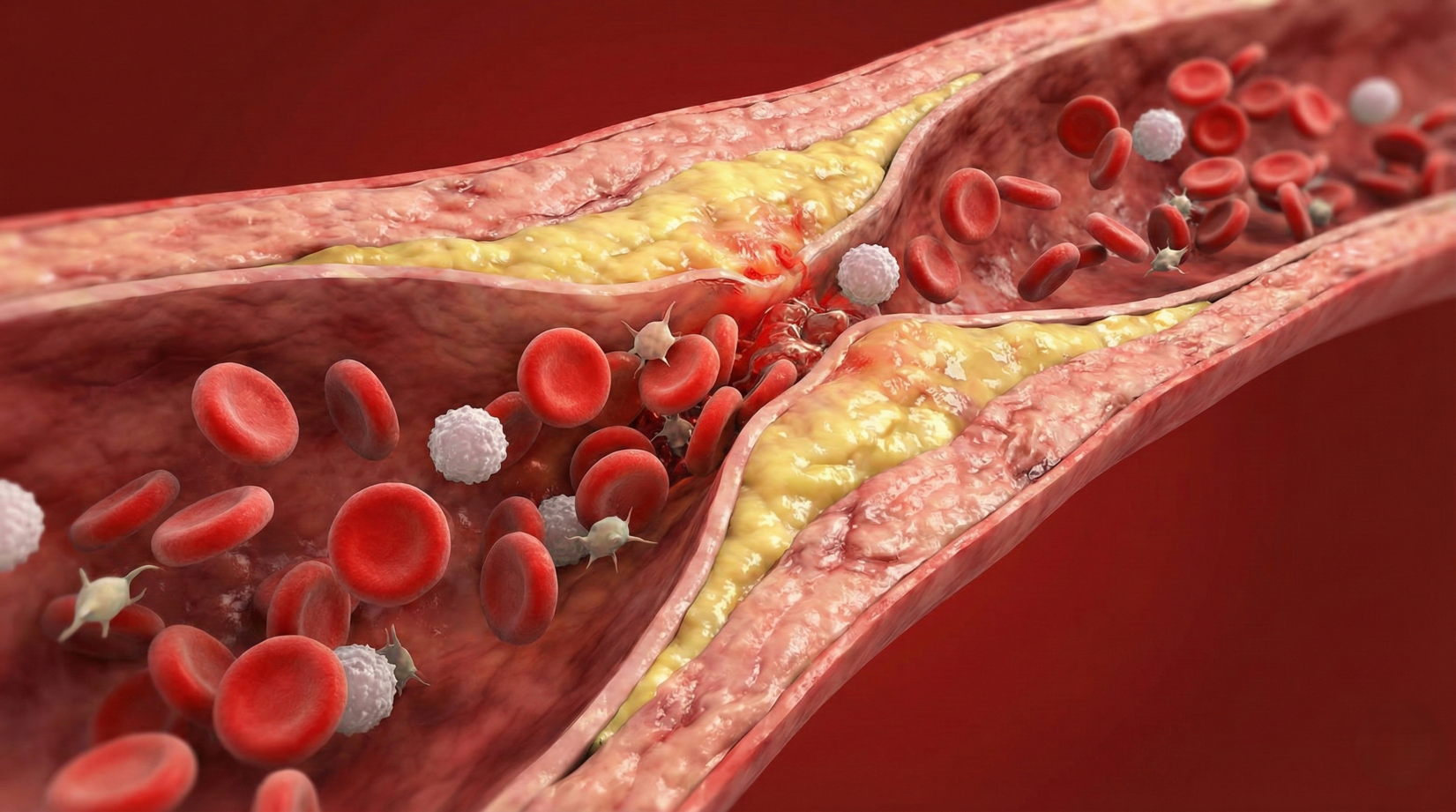
Atherosclerosis is widely regarded as a silent contributor to major health issues, yet it is often misunderstood as a condition that only affects the elderly. As a medical doctor with a background in both modern clinical cardiology and traditional herbal medicine, I view atherosclerosis not just as a disease of aging but as a dynamic inflammatory process that we can manage and often delay. It involves the hardening and narrowing of arteries due to the gradual buildup of plaque, which restricts blood flow to vital organs and is a primary cause of cardiovascular disease.
The danger of this condition lies in its stealthy nature, as it can progress for decades without a single symptom until a sudden event occurs. Understanding the broader context of heart disease symptoms, causes, and treatment is essential for early detection. The narrative around heart health is changing, and with the right combination of advanced pharmaceutical interventions and evidence-based natural strategies, protecting your arterial health is more achievable than ever. This guide bridges the gap between technical medical science and practical, holistic wisdom to help you take control of your cardiovascular future.
Understanding the Pathology of Atherosclerosis
To effectively treat atherosclerosis, we must first understand exactly what happens inside the vessel walls. It is not merely a “plumbing problem” of clogged pipes; it is a complex biological response to injury. The process typically begins with damage to the endothelium, the delicate inner lining of the artery. Factors such as high blood pressure, smoking, or elevated blood sugar cause microscopic tears in this lining.
Once the endothelium is compromised, the body launches a repair mechanism that ultimately goes awry. Cholesterol, specifically low-density lipoprotein (LDL), infiltrates the damaged arterial wall. White blood cells called macrophages move in to digest this cholesterol, turning into “foam cells” that accumulate to form a fatty streak. Over time, smooth muscle cells form a fibrous cap over this mixture, creating a hardened plaque. If this plaque ruptures, it can trigger a blood clot that blocks blood flow completely, leading to critical medical emergencies.
Identifying Silent Symptoms and Warning Signs
Because arteries run throughout the entire body, symptoms vary significantly depending on which vascular system is affected. In the early stages, there are usually no warning signs, which is why preventative screening is crucial. Symptoms typically manifest only when an artery is significantly narrowed or blocked, unable to supply adequate blood during periods of exertion or stress.
For many, the first sign is unfortunately a major event, but subtle indicators can exist. Understanding high cholesterol symptoms and testing protocols is vital for catching the disease before it becomes critical. When coronary arteries are affected, one might feel angina (chest pain). If the arteries supplying the brain are narrowed, individuals may experience sudden numbness or difficulty speaking, signs of a Transient Ischemic Attack (TIA). Peripheral artery disease often presents as claudication, a painful cramping in the hips or calves when walking.
Risk Factors: The Modifiable and Non-Modifiable
Effective prevention starts with a clear assessment of your personal risk profile. While we cannot change our genetics or age, the vast majority of risk factors for atherosclerosis are directly related to lifestyle and environment.
The Role of Diet and Cholesterol
Diet plays a massive role in the development of plaque. While the body needs some cholesterol for hormone production, an excess of high cholesterol foods can accelerate arterial damage. It is crucial to know what to avoid, such as trans fats found in processed snacks and excessive saturated fats from fatty meats.
Inflammation and Lifestyle
We now know that chronic inflammation plays an equally critical role alongside cholesterol. Elevated C-reactive protein (CRP) is a marker of inflammation in the blood strongly linked to heart disease. Furthermore, conditions like Type 2 diabetes accelerate arterial stiffening because high blood sugar damages the endothelial lining. Sedentary lifestyles and smoking further compound these risks by thickening the blood and increasing mechanical stress on artery walls.
Integrative and Herbal Approaches to Vascular Health
In my practice, I find that the best outcomes often come from combining modern diagnostics with time-tested natural therapies. Many traditional herbs, utilized for centuries in Eastern medicine, have potent active ingredients that support endothelial health and lipid metabolism.
Potent Herbal Adaptogens
- Ginseng: Often revered as a “king of herbs,” Ginseng and its impact on cardiovascular health is well-documented. It contains ginsenosides, which may help improve blood circulation and reduce oxidative stress in the vascular system.
- Cordyceps: This unique medicinal mushroom has gained global attention for its energy-boosting properties. Research suggests the cardiovascular benefits of Cordyceps include potential regulation of cholesterol levels and support for healthy heart rhythm.
- Local Medicinal Plants: There is a rich history of using herbs from Vietnam and surrounding regions to support longevity. These traditional remedies often focus on “invigorating blood” to remove stasis, a concept that parallels the modern understanding of improving circulation and preventing clots.
Prevention: The Power of Nutritional Therapy
The most effective “medicine” for atherosclerosis is often what you do every day. A strategic approach to nutrition can stabilize plaque and improve endothelial function.
The Rainbow and Red Food Strategy
Antioxidants are your arteries’ best friends. I often recommend a “Rainbow Diet,” with a specific emphasis on red foods for heart and blood health. Foods like tomatoes, watermelon, and berries contain lycopene and anthocyanins, which help reduce the oxidation of LDL cholesterol-a key step in plaque formation.
Adopting a Low Cholesterol Lifestyle
Transitioning to a heart-healthy diet does not mean sacrificing flavor. A well-structured low cholesterol diet focuses on high-fiber plant foods, healthy fats like olive oil (rich in monounsaturated fats), and lean proteins. This approach has been proven to lower LDL levels naturally and reduce the risk of cardiovascular events.
Modern Medical Treatments and Interventions
Modern medicine offers a robust arsenal of treatments designed to halt the progression of plaque and prevent rupture. These interventions are often the first line of defense for high-risk patients.
Pharmacological Therapies
Statins are the gold standard in lipid-lowering therapy. Drugs like atorvastatin do not just lower cholesterol; they also help stabilize existing plaque, making it less likely to rupture. For patients who cannot tolerate statins, newer injectable drugs called PCSK9 inhibitors have shown remarkable ability to lower LDL levels dramatically. Additionally, antiplatelet medications like aspirin are frequently prescribed to prevent blood cells from clumping together.
Surgical Procedures
When arteries are severely blocked, medication alone may be insufficient. Angioplasty involves threading a catheter with a balloon into the blocked artery to widen it, often placing a wire mesh tube (stent) to keep it open. In more complex cases, coronary bypass surgery creates a detour around the blockage using a healthy vessel from another part of the body.
Lanui™ Cardio Vietnamese Herbal Wisdom for Total Heart & Brain Vitality

Protect your heart and sharpen your mind with a formula rooted in Traditional Vietnamese Medicine. Developed by SVK Herbal USA Inc., Lanui™ Cardio combines centuries of herbal knowledge with years of clinical medical experience to provide a comprehensive shield against cardiovascular and neurological decline.
A Holistic Approach to Longevity
Lanui™ Cardio is specifically engineered to maintain healthy blood flow and prevent life-threatening conditions. By stabilizing blood pressure and clearing the pathways of the circulatory system, this formula helps reduce the risk of myocardial infarction, atherosclerosis, and stroke.
Powerful Botanical Ingredients
- Crataegus pinnatifida (Hawthorn): Packed with organic acids and Vitamin C to improve digestion and optimize cardiovascular performance.
- Auricularia heimuer (Black Fungus): A potent antioxidant that helps limit blood clots, stabilize blood pressure, and support healthy circulation.
- Curcuma longa (Turmeric): High in Curcumin for anti-inflammatory support, helping to lower cholesterol and enhance blood flow.
- Ganoderma lucidum (Reishi Mushroom): Famous for its ability to balance blood lipids and maintain steady blood pressure levels.
- Sophora Japonica: Supports vascular health by stabilizing blood pressure and preventing smooth muscle spasms.
Key Health Benefits
- Cardiovascular Protection: Fights free radicals and prevents the onset of atherosclerosis, coronary artery disease, and peripheral vascular occlusion.
- Blood & Lipid Management: Actively stabilizes blood lipids (cholesterol) and inhibits the formation of dangerous blood clots.
- Cognitive Support: Improves symptoms of neurodegeneration, supports memory retention, and acts as a proactive defense against Alzheimer’s disease.
- Circulatory Relief: Reduces numbness in limbs and assists those suffering from cerebral ischemia or vestibular disorders.
Frequently Asked Questions (FAQ)
You must exercise caution. Herbs like Ginseng and Cordyceps have potent biological effects. If you are taking prescription anticoagulants (blood thinners), combining them can sometimes alter bleeding risk. Always consult your doctor before starting any new supplement.
Screening is vital. Beyond standard lipid panels, a Coronary Calcium Scan is a non-invasive test that detects calcium deposits in heart arteries, providing a clearer picture of your risk than cholesterol testing alone.
Yes, but in moderation. While eggs contain dietary cholesterol, for most people, saturated fat and trans fat have a bigger impact on blood cholesterol. Focus on reducing foods to avoid like processed meats and pastries first.
Yes, to an extent. While hard, calcified plaque is difficult to remove, “soft” lipid-rich plaque can be stabilized and shrunk through aggressive lifestyle changes, such as a strict plant-based diet, exercise, and lipid-lowering therapies as shown in the Lifestyle Heart Trial.
References
- American Heart Association. (2024). What is Atherosclerosis? Heart.org.
- Libby, P. (2021). The changing landscape of atherosclerosis. Nature, 592, 524-533.
- Mayo Clinic. (2024). Arteriosclerosis / atherosclerosis – Symptoms and causes. Mayo Clinic.
- National Center for Complementary and Integrative Health. (2022). Asian Ginseng. NIH.
- Ornish, D., et al. (1990). Can lifestyle changes reverse coronary heart disease? The Lancet, 336(8708), 129-133.
- Ridker, P. M. (2017). Antiinflammatory Therapy with Canakinumab for Atherosclerotic Disease. New England Journal of Medicine, 377, 1119-1131.
- Wang, L., et al. (2019). Salvia miltiorrhiza: A Potential Red Light to the Development of Cardiovascular Diseases. Current Pharmaceutical Design, 23(7).